
/* Css En-Bref */
| Key points | Details to remember |
|---|---|
| 💧 Definition | Hydration refers to the intake and retention of water in the body. |
| 🏆 Benefits | Thermal regulation, nutrient transport, maintenance of vital functions. |
| ⚖️ Quantity | 1.5 to 2 L per day on average, adjusted according to activity. |
| ⏰ Key moments | Morning, before, during and after exercise, throughout the day. |
| 💡 Methods | Regular reminders, water bottle within reach, hydrating foods. |
| ⚠️ Signs | Thirst, dark urine, fatigue, headaches. |
Water makes up nearly 60% of body weight and is involved in every biochemical reaction. Yet, its regular intake is often neglected: people think that a glass upon waking and one at lunch are enough. However, hydration must be managed throughout the day, by balancing quantity, timing, and quality of drinks. Between recommendations, cultural habits, and practical small adjustments, this guide sheds light on the best ways to drink just the right amount, at the right time, and in varied ways.
Sommaire
Why hydration matters so much
The fundamental role of water in the body
Each cell draws from its aqueous environment to produce energy, eliminate waste, and maintain its volume. Metabolic reactions depend on this fluid matrix: digestion, blood circulation, temperature regulation during exercise or in high heat. Without sufficient intake, health capital is weakened. In reality, hydrating means providing organs with the raw material necessary for their daily tasks.
Consequences of insufficient hydration
Beyond the sensation of thirst, which can already indicate a deficit of one to two percent of body weight, other more insidious symptoms appear: persistent fatigue, cognitive slowdown, dizziness, even digestive disorders. For athletes, performance loss occurs very quickly from just 1% dehydration: coordination weakens, internal temperature rises, and injury risk increases. These are all signs encouraging planning intake before suffering from it.
How much water is really needed?
General recommendations
Some organizations recommend 1.5 to 2 liters per day for an adult in normal conditions. This range provides a useful benchmark but does not reflect all situations. It includes pure liquids (water, herbal teas) and those contained in foods (fruits, vegetables, soups). The key is to distribute this volume gradually, without waiting for the intense thirst that comes too late.
Factors Modulating Needs
Climate (high temperatures, low humidity), physical activity, age, body weight, altitude are all variables to consider. An athlete in full effort, a senior, or a child will not have the same benchmarks. The more you sweat or exhale water vapor, the more you need to compensate. Conversely, in a very humid environment, thirst may be less pronounced, but losses continue: it is then necessary to remain vigilant and record liquid intake.
When to Drink to Stay Optimal
The Morning Ritual
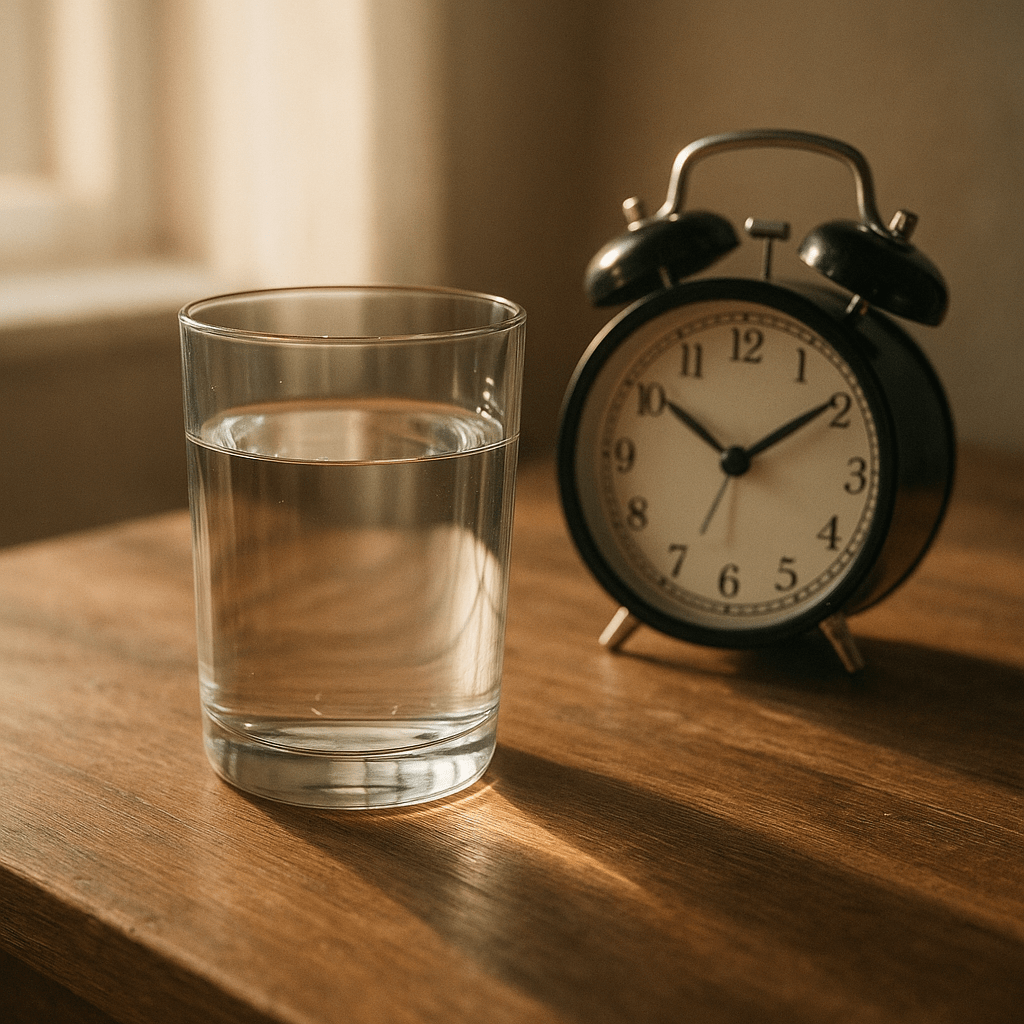
Upon waking, the kidneys have concentrated urine overnight; a glass of fresh water, possibly flavored with a lemon zest, helps gently restart blood circulation, awaken the metabolism, and facilitate intestinal transit. Some adopt a large glass before breakfast: it is a simple trick to spread water intake over several moments rather than absorbing it all in one gulp.
Hydration Around Exercise
Before exercise, it is recommended to drink 200 to 400 ml two hours beforehand to ensure an adequate hydration level without overloading the stomach. During prolonged effort (more than an hour), drinks enriched with electrolytes can be useful to replace lost sodium and potassium. After the activity, the goal is to compensate 120% of the loss: if the scale shows 1 kg less, drinking about 1.2 L in the following hour facilitates recovery.
How to Optimize Daily Hydration
Variety of Liquid Sources
Drinking only still water can become monotonous. Herbal infusions (mint, fennel, rooibos) offer a caffeine-free alternative. Green tea, rich in antioxidants, provides a slight stimulation. Homemade flavored waters, made from cut fruits or vegetables, remain a sugar-free option. One can even turn to light broths, which provide minerals and flavor, especially in winter.
Practical Tips to Not Forget
- Set periodic reminders on your phone or computer.
- Choose a graduated water bottle to visualize your daily goal.
- Include vegetables and fruits with high water content (cucumber, watermelon, tomatoes) in meals and snacks.
- Associate every coffee break or meeting moment with a glass of water.
Table of Needs According to Age and Weight
| Category | Average Weight | Target Quantity |
|---|---|---|
| Child (4-8 years) | 20 kg | 1.2 L/day |
| Adolescent (9-13 years) | 40 kg | 1.5 L/day |
| Sedentary Adult | 70 kg | 1.7 L/day |
| Active Adult | 70 kg | 2.0 L/day |
| Senior | 65 kg | 1.6 L/day |
FAQ on Hydration
1. Does Drinking Too Much Present a Risk?
Extreme overconsumption can lead to hyponatremia (dilution of blood sodium). In daily practice, it is rare to reach such a situation if one drinks in moderation and listens to their thirst sensation.
2. Should the Liquids Contained in Food Be Counted?
These inputs represent on average 20% of total hydration. By considering them, one can slightly adjust the quantity of drinks, but the essential relies on water and infusions.
3. Do coffee and tea really dehydrate?
Caffeinated drinks have a slight diuretic effect, but the overall impact remains positive on hydration, especially when consumed in moderate amounts.
4. How to recognize mild dehydration?
Sudden thirst, dark urine, or a dry mouth sensation indicate an urgent need to drink before symptoms worsen.
5. Can sugary drinks replace water?
In terms of hydration, yes, but these intakes increase calories and carbohydrates. It is preferable to limit sugary drinks and favor pure water or unsweetened infusions.