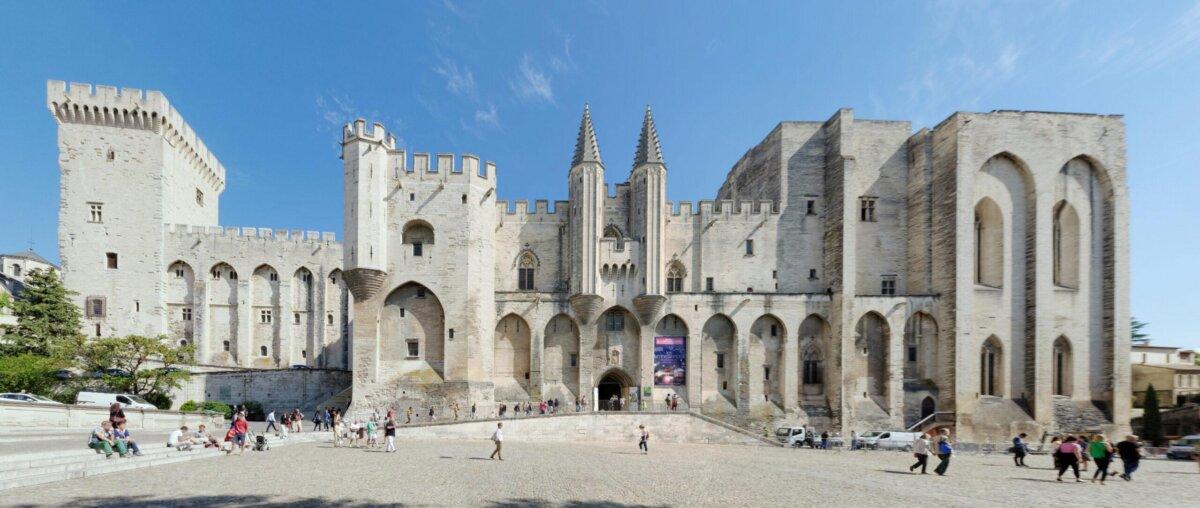
On its rocky spur dominated by the Palais des Papes, Avignon blends medieval power, cultural vibrancy, and Provençal art of living. Protected by its ramparts and bordered by the Rhône, the city shines between Comtat Venaissin, Alpilles, and Luberon. Today, it is a leading university, tourist, and logistics hub within the Provence-Alpes-Côte d’Azur region.
TL;DR — Avignon = Palais des Papes, Pont Saint-Bénézet, Avignon Festival in July, TGV 2 h 40 from Paris, Mediterranean climate. ~90,000 inhabitants (municipality) and over 200,000 in the metro area. Real estate 2025: apartments around €3,100–3,600/m² depending on neighborhoods. Ideal for a cultural city break, a pied-à-terre in Provence, and a base to explore Ventoux and Luberon.
Sommaire
Geography and Location
Avignon occupies a bend of the Rhône, on the border of Gard and Vaucluse. The municipality extends on the left bank, opposite Villeneuve-lez-Avignon. The Rocher des Doms overlooks the historic center and offers a panorama of the river, the Alpilles, and Mont Ventoux. The ramparts encircle the old town, while residential, university, and business districts develop outside, towards Montfavet, Courtine, and Agroparc.
History and Heritage
Avignon’s history shifts in the 14th century when the papacy settled there (1309–1377). From this period come the Palais des Papes and monumental urbanism, which add to the Pont Saint-Bénézet (12th century), famous for its incompletion. The city remained papal until late in the 18th century. Revolution, annexation to France, river industrialization in the 19th century, then contemporary transformations with heritage preservation and culture as drivers.
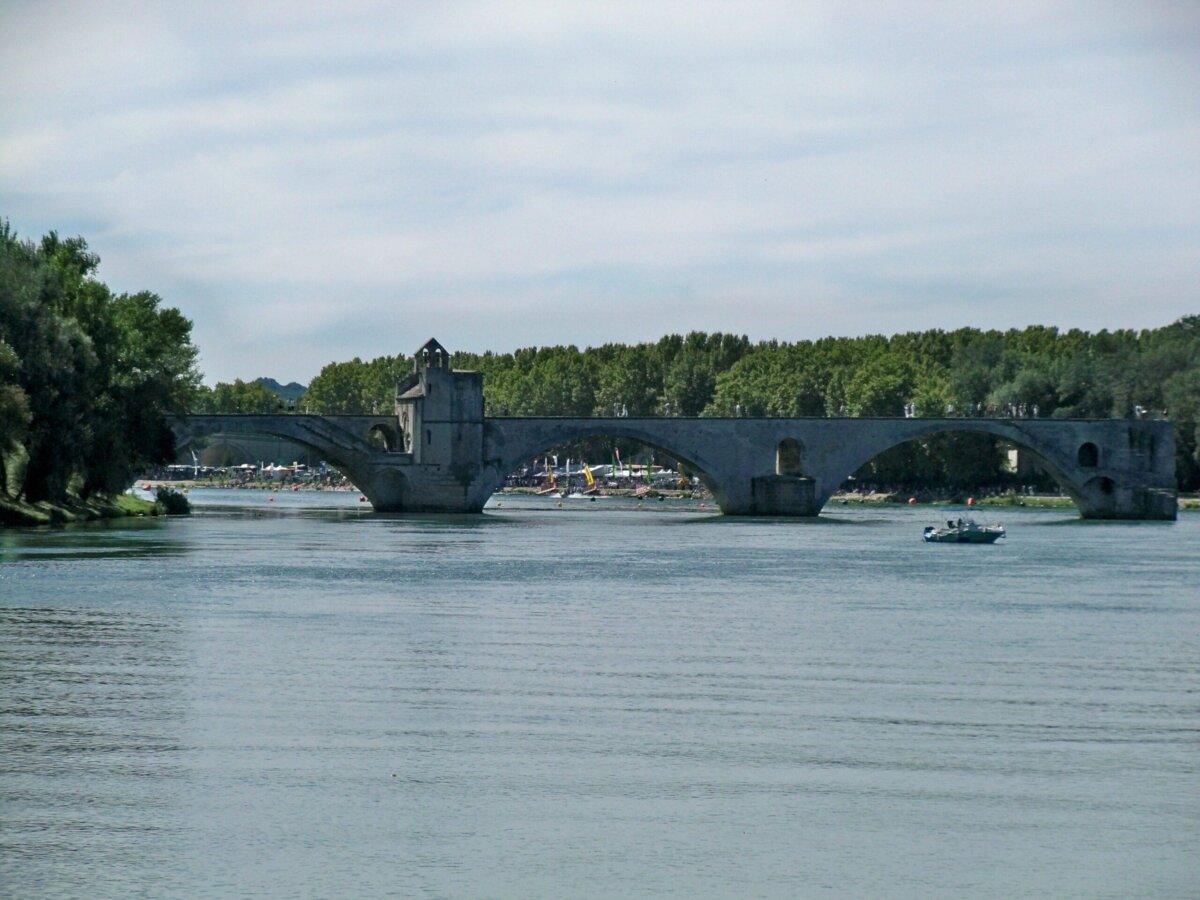
Listed as a UNESCO World Heritage Site (historic center), the ensemble combines palace, ramparts, Notre-Dame des Doms Cathedral, Petit Palais, and bridge. The archaeology of the Rhône islands, mills, rampart gates, and mansions complete this exceptional urban fabric.
Population and Demographics
The municipality has about 90,000 inhabitants and the urban area more than 200,000. Young and mixed profile, student presence, strong seasonality linked to tourism and the Avignon Festival. Diverse housing: old intra-muros, large housing estates and peripheral subdivisions, suburban areas in Montfavet and Agroparc.
| Indicator | Indicative Value | Interpretation |
|---|---|---|
| Population (municipality) | ~90,000 | Central city of Vaucluse |
| Urban area | > 200,000 | Inter-departmental polarity |
| Area | ~64 km² | Left bank of the Rhône |
References to consult for official data: INSEE municipality of Avignon (84007) and “Territory Comparator.”
Economy and Employment
Avignon relies on a triptych of tourism-culture, commerce-logistics, and agro-agri-agritech. The regional agri-food market, the Technopôle Agroparc, and the Courtine platforms support employment. The professions in culture, events, and hospitality grow stronger during the high season. The public sectors, the hospital, and the university provide stable employment. To watch: adaptation of activities to summer heatwaves, need for urban greening, rise of decarbonized river and rail logistics, upgrading of the hotel offer linked to heritage and business tourism.
Transport and access
Arriving and getting around
Rail: Avignon TGV on the Mediterranean high-speed line connects Paris-Gare-de-Lyon in about 2 h 40, Lyon in 1 h, Marseille in 30–40 min. The Avignon Centre station, within the city walls, serves the region by TER. A shuttle connects the two stations. Road: A7 (Rhône axis), A9 (Languedoc), RN7. Air: Avignon-Provence airport for business aviation and some seasonal flights; Marseille-Provence and Nîmes-Alès airports within reach.
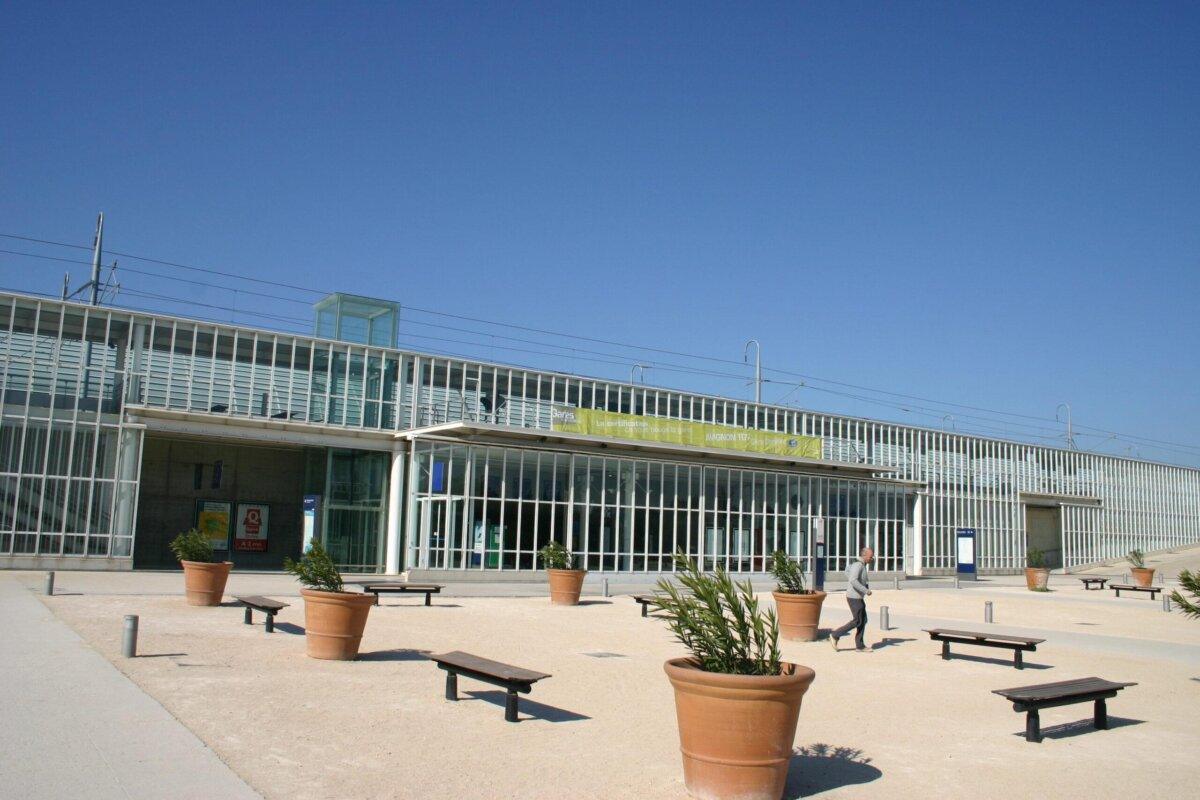
Urban: Chron’hop bus network and regular lines, bike sharing, lanes along the quays. The intra-muros Cycling Ring and routes to the Île de la Barthelasse facilitate soft mobility.
Tourism and culture: the creative energy of Avignon
The heritage serves as a setting for a dense cultural program. In July, Avignon transforms into the world capital of theater with the Avignon Festival (the “In” in heritage sites like the Cour d’honneur of the Palace) and the Off (hundreds of companies throughout the city). Exhibitions, museums, contemporary music, dance, and visual arts unfold all year round.

Top 10 must-see
- Palais des Papes: monumental tour, panoramic terraces.
- Pont Saint-Bénézet: remaining arches over the Rhône, bridge museum.
- Rocher des Doms: gardens, viewpoint, coolness above the river.
- Cathédrale Notre-Dame des Doms: golden statue of the Virgin and chapels.
- Petit Palais: collections of medieval and primitive art.
- Musée Calvet: fine arts and decorative arts.
- Rue des Teinturiers: waterwheel, cafés, neighborhood life.
- Île de la Barthelasse: bike ride, views of the palace and the bridge.
- Ramparts: gates and towers, circular walk.
- Villeneuve-lez-Avignon: Charterhouse, Fort Saint-André, ideal complement.
Gastronomy and wines 🍷
Avignon is a Rhodanian capital. Provençal markets, covered halls, sunny cuisine. The Côtes du Rhône and nearby vintages (Châteauneuf-du-Pape, Lirac, Tavel) accompany gardianne, candied vegetables, tapenade, and goat cheeses. Good tip: picnic at the Rocher des Doms at sunset, viewpoint over the bridge and ramparts.
Local life: neighborhoods, studies, events
- Intra-muros: medieval alleys, mansions, stages and museums.
- Saint-Ruf / Courtine: South gate, central station and tertiary hubs.
- Monclar / Saint-Chamand: large housing estates, urban redevelopment.
- Montfavet: attached village, suburban housing and business area.
- Agroparc: companies, higher education, technopole.
The rue des Teinturiers concentrates the popular and creative soul of Avignon, between waterwheel, terraces and Off stages.

Real estate and urban planning: prices, trends, advice
2025 levels: average range for apartments around €3,100–3,600/m² depending on area and condition; houses more heterogeneous, with premiums for garden and proximity to ramparts or Montfavet. Decline 2023–2024 then gradual stabilization in 2025, dynamic volumes in spring-summer, intra-muros heterogeneity depending on charm, brightness and ease of access.
- Intra-muros: heritage value, smaller surfaces, strong seasonal demand.
- Around stations: accessibility potential, beware of noise and parking.
- Montfavet / Agroparc: families, house markets, surface/price compromise.
Professional method: compare advertiser data with notary prices, check DVF (actual transactions), include EPC and energy costs in the budget. Anticipate Rhône flood risks for insurance and urban planning prescriptions in flood zones.
Quick tips
- For short-term furnished rental investment, check the local regulations and availability of authorizations.
- For old properties intra-muros, plan for facade renovation, insulation and woodwork respectful of the heritage area.
- Favor bright and well-ventilated properties for summer comfort.
Nature, outdoors and walks
A few minutes away: Île de la Barthelasse (biking, riverside cafés), Villeneuve-lez-Avignon and its terraces, Gard and scrubland for hiking, Ventoux and Luberon an hour away. The ViaRhôna and cycling routes crisscross the area. In summer, favor mornings and late afternoons to avoid heat peaks.
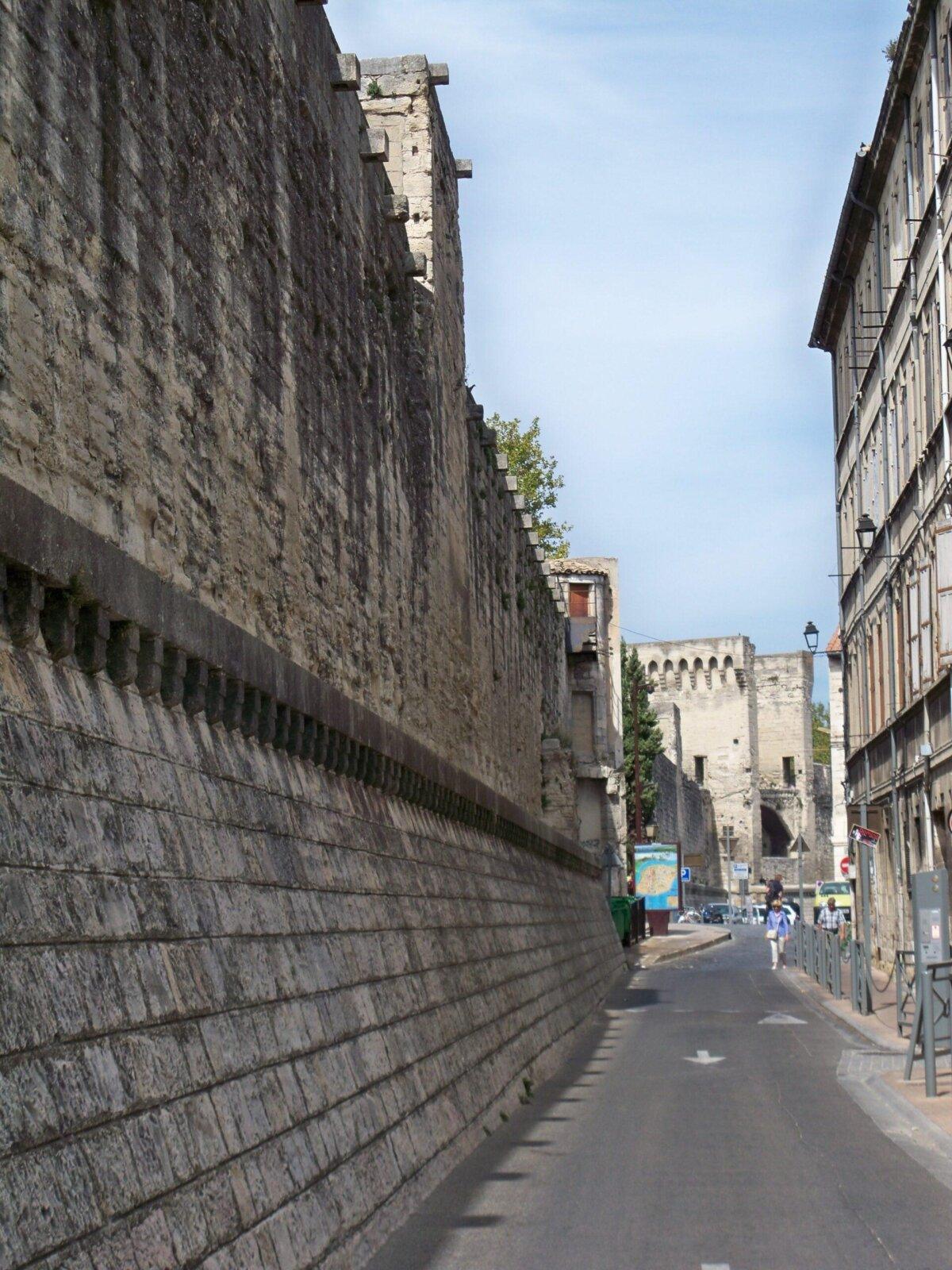
The ramparts form a circular urban walk. Gates, towers, and moats tell the defensive history of the city.
Recommended itinerary for 48 hours
Day 1: Palace of the Popes and Rocher des Doms, lunch within the walls, Petit Palais, sunset from the Barthelasse. Day 2: Saint-Bénézet Bridge, alleys and ramparts, crossing to Villeneuve-lez-Avignon, return via rue des Teinturiers. In July, reserve the evening for a Festival performance.
FAQ
What is the best time to visit Avignon?
April-June and September-October. July for the Festival, with crowds and heat.
Can you visit the Palace of the Popes and the Bridge on the same day?
Yes. Allow 2–3 hours for the Palace and 45 minutes for the Bridge.
How long from Paris by TGV?
About 2 hours 40 minutes to Avignon TGV, then shuttle or TER to Avignon Centre.
Which neighborhoods to target for living?
Within the walls for walking everywhere, Montfavet for house and garden, areas near the ramparts for a compromise.
Where to photograph the Avignon bridge?
From Île de la Barthelasse at sunset, or from the Rocher des Doms.