
Top Tourist Destination: Iceland — Complete Guide 2025
Iceland, island of fire and ice, stands out as one of the most spectacular destinations in Europe. From the glacial lagoon of Jökulsárlón to the geysers of the Golden Circle, the country combines extreme landscapes, Nordic culture, and unforgettable scenic routes. Here is a comprehensive dossier (2025 figures) to prepare your trip to the Republic of Iceland: geography, history, demographics, economy, transportation, sightseeing ideas, and real estate trends.
Sommaire
Geography and Location
Perched in the North Atlantic, at the crossroads of the Arctic Ocean and the Mid-Atlantic Ridge, Iceland (area ≈ 103,125 km²) is a young volcanic island, fractured by the Eurasian and North American plates. This location explains the intense geothermal activity — geysers, hot springs, lava fields — and the massive glaciers that coexist: Vatnajökull alone covers a large part of the Southeast. The highest point, Hvannadalshnúkur, reaches about 2,110 m in Vatnajökull National Park.
Key figures: area ≈ 103,125 km²; highest peak: Hvannadalshnúkur 2,110 m; coastline ≈ 4,970 km; time zone: UTC+0 year-round (no daylight saving time).
Refs: Geography & time zone (Wikipedia), summit (Hvannadalshnjúkur).
The climate is subpolar oceanic: relatively mild winters on the coasts, cool summers, frequent wind, changeable weather. Iceland does not observe daylight saving time: the country stays on GMT all year round, which is convenient for organizing flights and appointments in any season.
The Route 1, called the “Ring Road”, loops around the country in about 1,322 km. It is the main artery: it connects Reykjavik to Akureyri, Egilsstaðir, Höfn, Vík, Selfoss, and many major sites (Skógafoss, Jökulsárlón, Mývatn…). The Central Highlands are served by F-roads (tracks reserved for 4×4 vehicles in the summer season).
History and Heritage
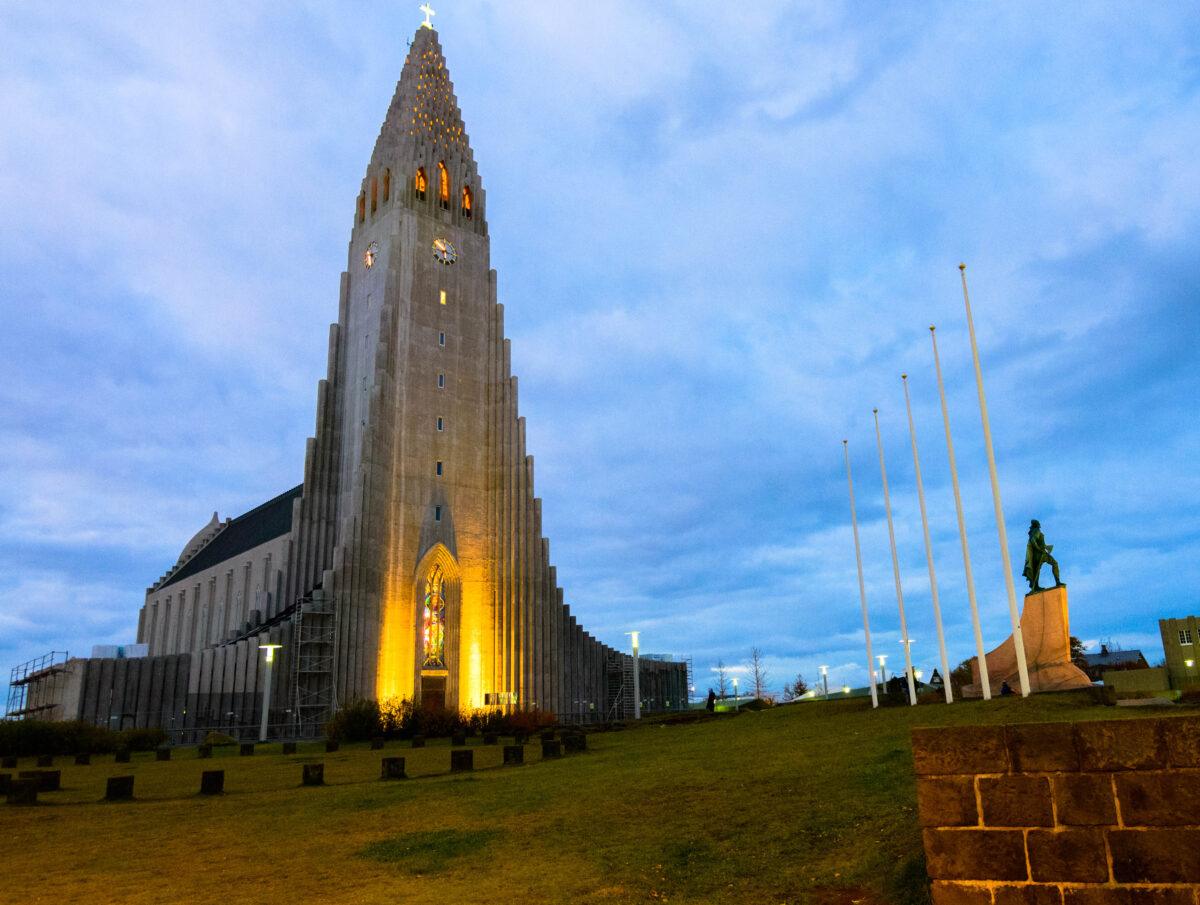
Populated from the late 9th century by Norwegian and Celtic settlers, Iceland very early forged a unique identity: Alþingi, one of the oldest parliaments in the world (founded in the 10th century at Þingvellir), medieval sagas, language little changed since the Viking era. From Christianization to unions with Norway then Denmark, the island gained its sovereignty in 1944. The heritage is as much natural (national parks of Þingvellir, Vatnajökull, Snæfellsjökull) as modern: Hallgrímskirkja church, Harpa concert hall, turf farms, geothermal pools, Reykjavik street art.
Population and Demographics
Sparsely populated, Iceland concentrates most of its inhabitants in the Southwest. As of January 1, 2025, the population is estimated at 389,444 people (Hagstofa Íslands – Statistics Iceland). The capital region (~64% of inhabitants) concentrates jobs, services, culture, and universities.
| Indicator | Value (2025) | Source |
|---|---|---|
| Total population | ≈ 389,444 inhabitants | Statistics Iceland (Jan 1, 2025) |
| Density | ≈ 4 inhabitants/km² | Calculation based on official area |
| Capital region | ≈ 64% of the population | Reykjavík/Capital Region |
| Demonym | Icelandic (male/female) | Common usage |
| Language | Icelandic (íslenska) | Common usage |
Good to know: Reykjavík city proper has ~139,000 inhabitants, while the urban area (Capital Region) is around 249–250,000 inhabitants – more than six out of ten Icelanders live there.
Economy and Employment
The Icelandic economy is remarkably based on nature: fishing and aquaculture, low-carbon footprint aluminum (thanks to 100% renewable electricity), tourism, digital services (data centers), geothermal energy and engineering.
- Energy: electricity from the Icelandic grid is 100% renewable (hydro ~75% and geothermal ~24% in recent years). The national goal is carbon neutrality by 2040.
- Aluminum: three major industrial sites structure industrial employment: ISAL (Rio Tinto) in Hafnarfjörður, Norðurál (Century Aluminum) in Grundartangi, and Fjarðaál (Alcoa) in Reyðarfjörður.
- Marine sector: Icelandic aquaculture set a record in 2024 with ~53.8 billion ISK in exports, driven by salmon.
- Tourism: nearly 2.3 million foreign visitors in 2024 (all entries), revenues up compared to 2023; Keflavík (KEF) welcomed ~8.3 million passengers in 2024 (2nd busiest year).
Key point: the combination of “decarbonized electricity + imported raw materials” enables Iceland to produce aluminum with a low carbon intensity — a decisive competitive advantage for exports.
References: energy (Energy in Iceland), aluminum (Rio Tinto/USGS), aquaculture & tourism (Statistics Iceland), KEF traffic (Isavia/KEF Airport).
Tourism and Culture — TOP 5 Places to See
Between northern lights (September–April), midnight sun (May–August), glacier hikes, ice caves, whales, puffins, geothermal pools, and the Highlands trails, Iceland is a “four seasons” destination. Here is a balanced top 5, easy to include in a first trip.
1) The Golden Circle (Þingvellir – Geysir/Strokkur – Gullfoss)
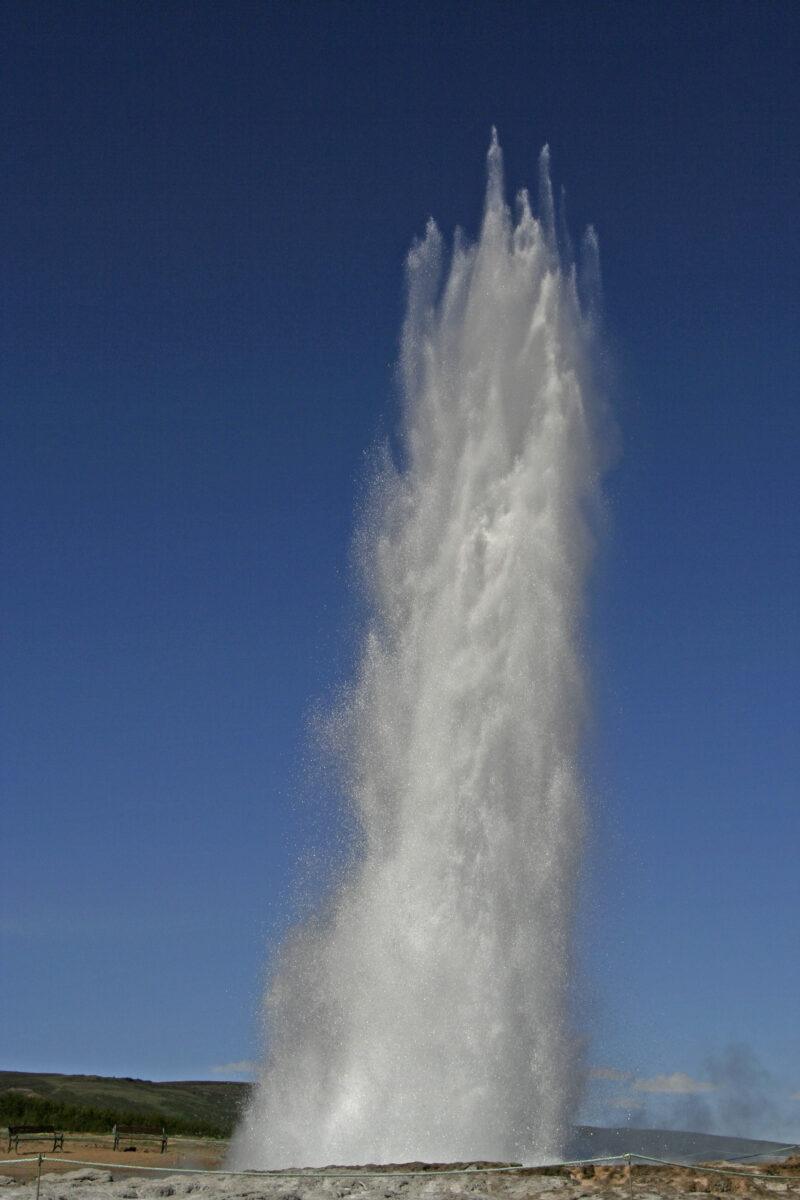
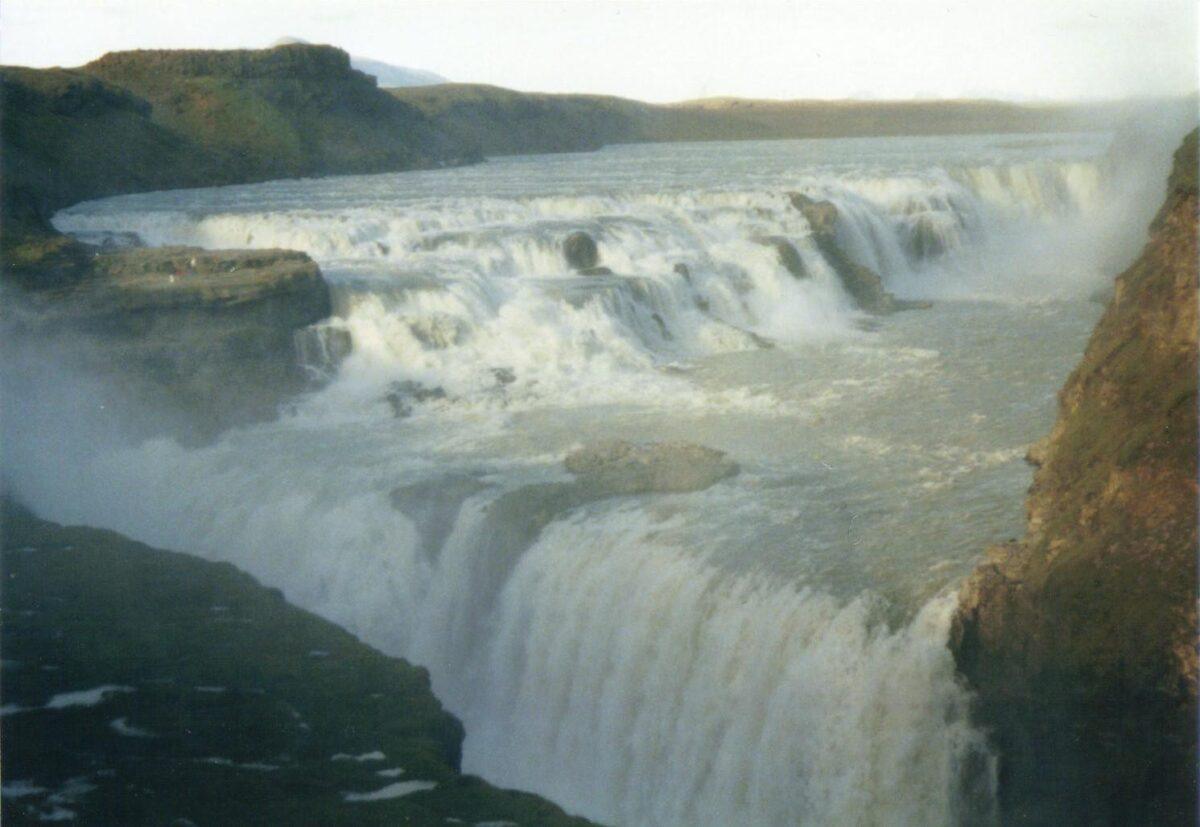
The most famous itinerary from Reykjavik combines: Þingvellir, a tectonic fault and site of the ancient parliament; Geysir/Strokkur, a geyser erupting every few minutes; Gullfoss, the “golden waterfall” in two tiers. It is a day rich in geology, history, and panoramas.
2) Blue Lagoon & Reykjanes Peninsula
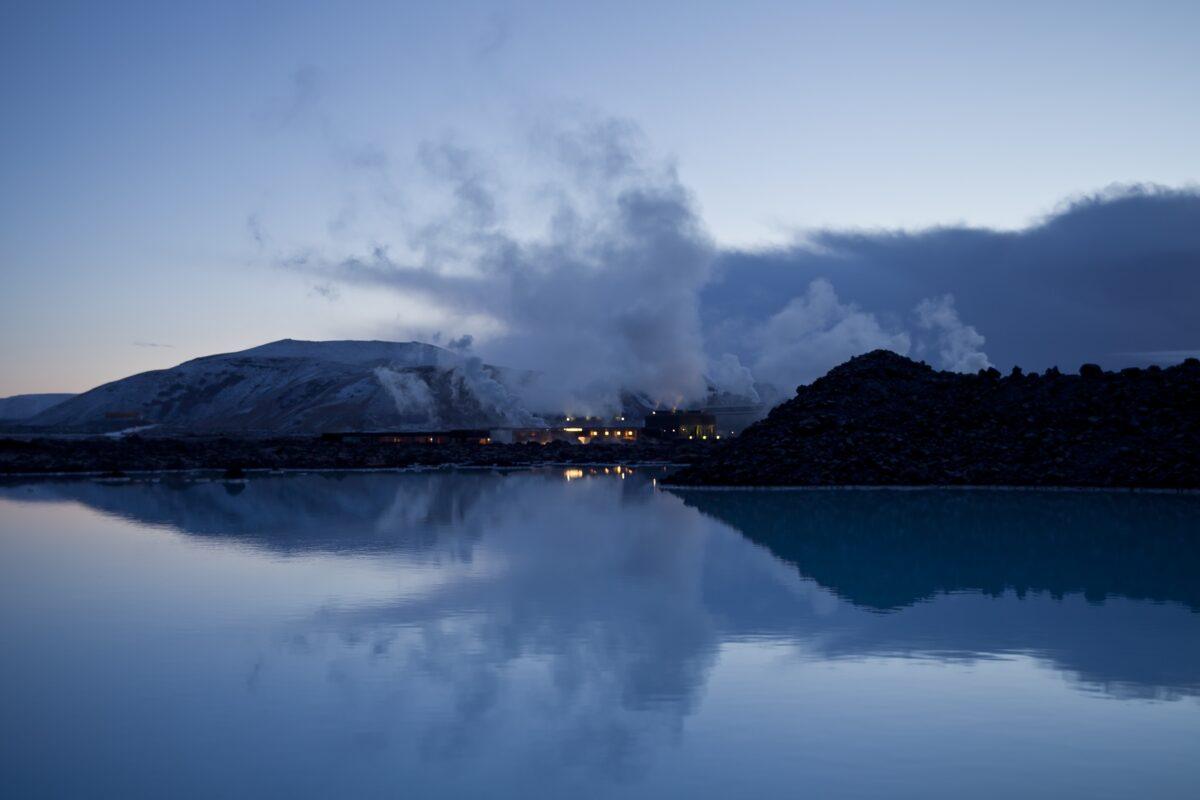
20–30 minutes from Keflavík airport, the Blue Lagoon offers milky blue waters heated by geothermal energy. The peninsula has been experiencing an eruption cycle since 2021: access and closures vary. Always check official guidelines (Safetravel/Civil Protection) before setting out on a trail or road in Reykjanes.
3) Jökulsárlón & Diamond Beach (Southeast)
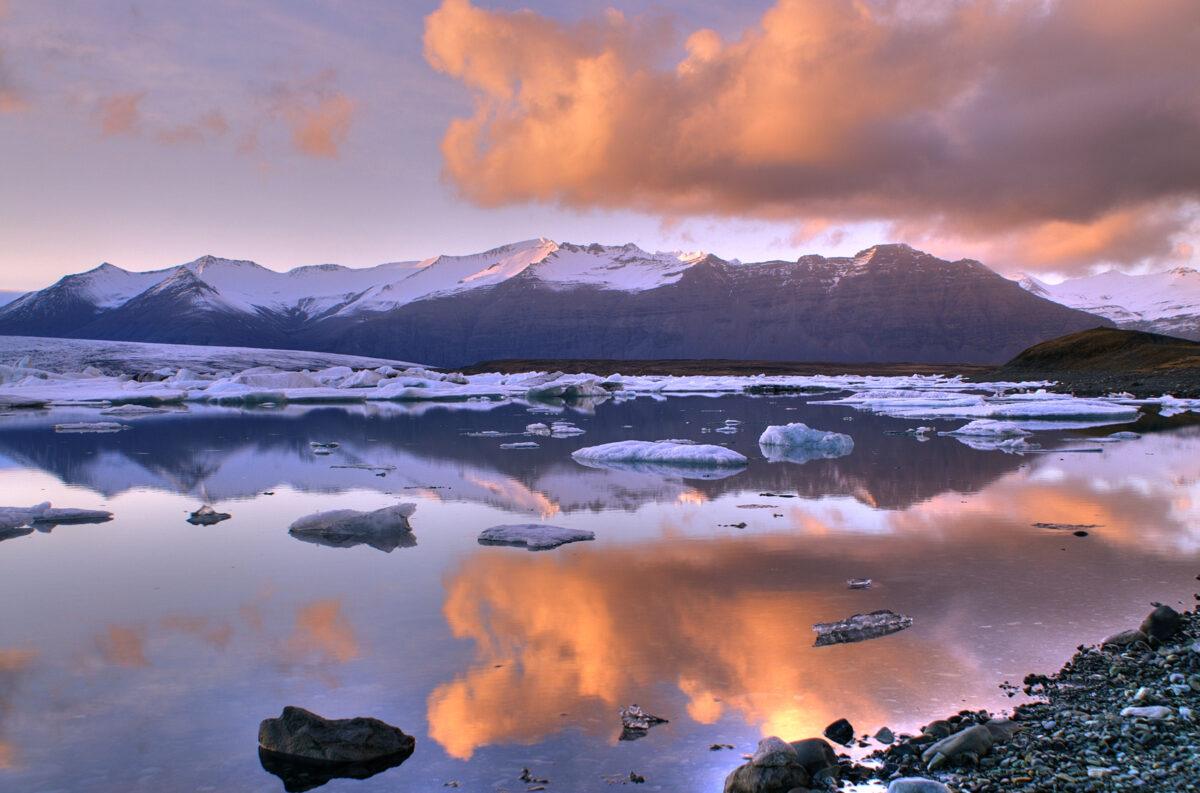
On Route 1 between Skaftafell and Höfn, the Jökulsárlón glacial lagoon captivates with its icebergs drifting toward the ocean; the neighboring Diamond Beach displays fragments on the black sand — perfect stops for a road trip.
4) Kirkjufell & Snæfellsnes Peninsula (West)
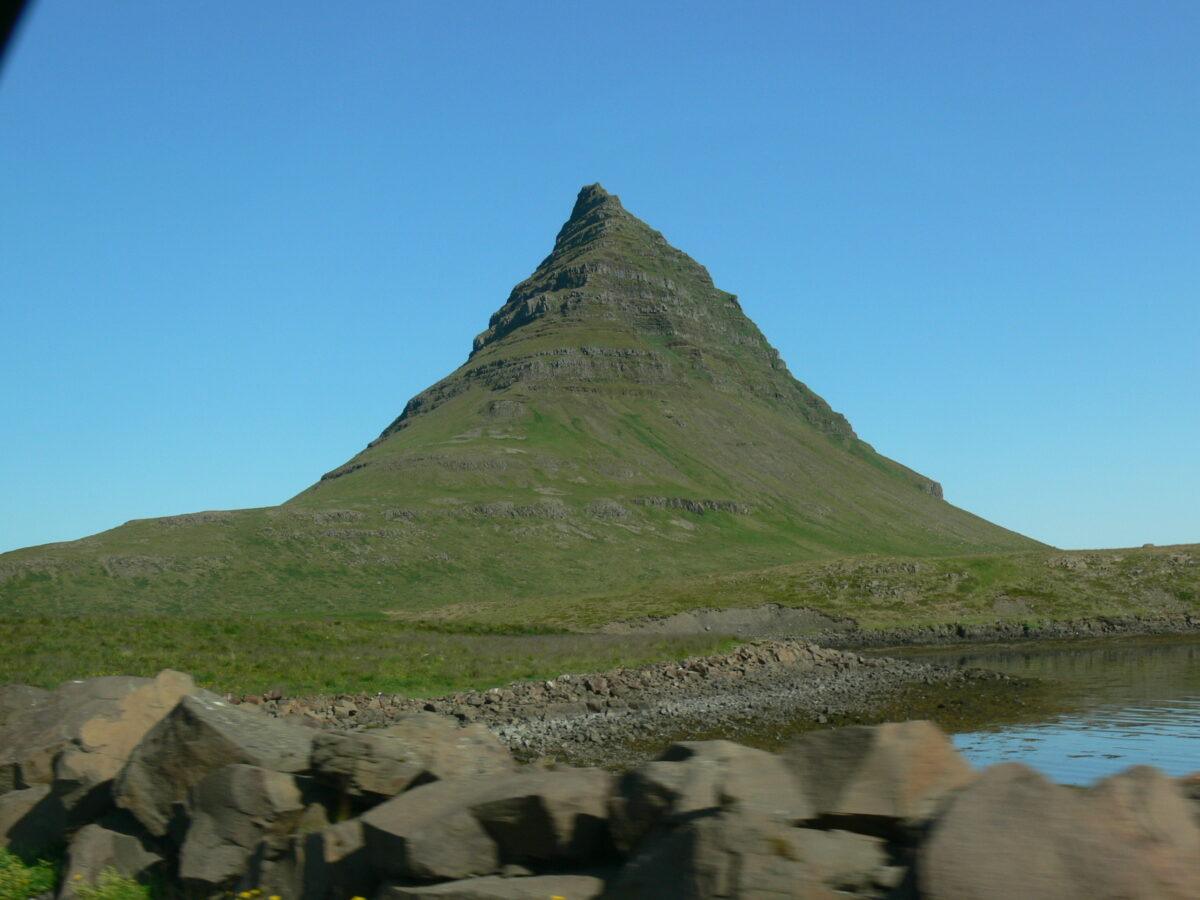
Kirkjufell, the “church mountain,” rises near Grundarfjörður. With its waterfalls in the foreground and the stratovolcano Snæfellsjökull in the background, it is one of the most famous photo spots — while remaining a region of fishing villages, bird cliffs, and lava flows.
5) Reykjavik & Nordic Culture
Small capital with a big personality, Reykjavik combines museums (National Museum, Settlement Exhibition), design, neighborhood geothermal pools, gastronomy (Nordic cuisine, lamb, seafood), and nightlife. The city is also an ideal base for whale watching (Húsavík and Reykjavik), northern lights, and nature outings.
Transport and Access
Coming to Iceland
Keflavík International Airport (KEF) is the main hub, about 50 km from Reykjavik. In 2024, it handled about 8.3 million passengers. Flights connect Europe and North America year-round (Icelandair, PLAY, European airlines). The Reykjavík Domestic Airport (RKV) serves regional towns (Akureyri, Egilsstaðir, Ísafjörður, Höfn…) under the Icelandair brand for domestic flights.
Getting Around
- Ring Road (Route 1): 1,322 km around the island; passable year-round but closures may occur in winter. Always check road conditions (Vegagerðin / umferdin.is).
- F-roads in the Highlands: 4×4 required, summer opening only, possible river crossings. Check the day before: weather, wind, river flows, closures.
- Safety: follow Safetravel alerts (Reykjanes volcanism, strong winds, sandstorms, waves on South beaches).
Formalities
Schengen status: short stay without a visa for many nationals (≤ 90 days), Schengen visa for others via embassies/competent centers. Check your entry and insurance conditions, as well as European systems (EES/ETIAS) according to your nationality.
Local life
Icelandic society combines Nordic quality of life and rural pragmatism. Education (University of Iceland, Reykjavik University, Háskólinn á Akureyri) attracts foreign students. On the sports side: football (the national team made an impression at Euro 2016), handball, hiking, ski touring, cold-water surfing. The cultural calendar is dense: Iceland Airwaves (music), design festivals, culinary events, museum nights, marathons and ultra-trails.
Hot bath culture: each neighborhood has its geothermal pool (hot baths, steam rooms). It is a social ritual, ideal for recovering after a day of driving or hiking.
Real estate and urban planning
Reykjavik concentrates most of the Icelandic real estate market. Geothermal district heating and renewable electricity drive the energy performance of buildings, a real plus in a demanding climate. Prices, however, have risen over the decade: in 2025, several specialized sources indicate average levels around €4,000 to €6,200/m² in Reykjavik depending on the neighborhood, with lower values in regional towns (Akureyri, Egilsstaðir…).
- Trends: strong demand in the capital region, tight rental market, development of mixed-use neighborhoods (residential/office) and aparthotels.
- Indicators: price and rent indices regularly published by Statistics Iceland; when buying, watch out for additional costs (fees, local taxes).
- Advice: if you are considering an investment, compare per m² and in ISK/€ according to the exchange rate, and favor well-insulated/ventilated properties (wet and windy winter).
2025 benchmarks (order of magnitude): Reykjavik ~€4,000–6,200/m²; rents above the national average in the capital. Sources: Global Property Guide (July 2025); specialized analyses and aggregators. Always check the latest official data (Statistics Iceland).
FAQ – Iceland
What to visit in 5 days in Iceland?
Base yourself in Reykjavik: Golden Circle (Þingvellir–Strokkur–Gullfoss); South coast up to Vík (Seljalandsfoss, Skógafoss, Reynisfjara); Blue Lagoon or Sky Lagoon; in season, northern lights outings. Rent a car to maximize your autonomy.
What is the population of Iceland?
As of January 1, 2025, ~389,444 inhabitants (Statistics Iceland). The capital region concentrates about 64% of the population.
How to get to Iceland?
By plane via KEF (Keflavík), hub of Icelandair and PLAY. Transfers by shuttle or rental car. Domestic flights mainly depart from RKV (Reykjavik domestic airport) to Akureyri, Egilsstaðir, Ísafjörður, Höfn…
What are the nicest neighborhoods/cities to stay in?
In Reykjavik: 101 (center), Hlíðar, Vesturbær for the urban atmosphere and cafés; on the outskirts, Mosfellsbær and Kópavogur. In the regions: Akureyri (North), Seyðisfjörður (East), Stykkishólmur (West/Snæfellsnes).
What is the real estate price in Reykjavik?
Generally expect 4,000–6,200 €/m² (specialized sources 2025), with large variations depending on type, location, and condition. Refer to Statistics Iceland indices to track trends.
Itinerary Ideas
- 3 days: Reykjavik & Blue Lagoon; Golden Circle; South coast up to Vík.
- 7 days: Southeast loop to Jökulsárlón; return via Skaftafell and Hveragerði; add Snæfellsnes if weather is favorable.
- 10–12 days: almost the entire Ring Road (1,322 km) with North (Akureyri, Mývatn), East (fjords), South (glaciers, black beaches). Summer only, detour to the Highlands (F-roads) if 4×4.
Useful Links & Sources
- Statistics Iceland – Population as of January 1, 2025
- Energy in Iceland – 100% renewable mix (electricity)
Conclusion
Iceland is a concentrated world destination: active volcanoes, glaciers, ocean, Nordic culture, and green engineering. Its Route 1 facilitates road trips, its infrastructure (KEF, geothermal pools, parks) secures the experience, provided you stay informed (weather, volcanism, F-roads). Economically, the country capitalizes on decarbonized electricity, low-carbon aluminum, the sea, and nature tourism. Outlook: more sustainable tourism (flow management, safety in Reykjanes), consolidation of clean energies, and territorial resilience to climate. A demanding but unforgettable island, to be discovered with preparation and respect for local guidelines.