Namibia — Top Tourist Destination: Dunes, Safaris, and Wild Expanses
TL;DR: Namibia ticks all the boxes of a “top destination”: lunar landscapes (Sossusvlei, Fish River Canyon), mega-fauna of Etosha, scenic roads, and the Skeleton Coast. It is a safe and easy self-drive country, with charming accommodations and ultra-sunny weather.
In this comprehensive guide: best places to see, when to go, itineraries, budget, 4×4 tips, Himba culture, and all the practical information to prepare an unforgettable trip.
Bonus: 8 verified photos (Wikimedia/Flickr) — direct unbroken links, each captioned and SEO optimized.
Sommaire
Geography & Location
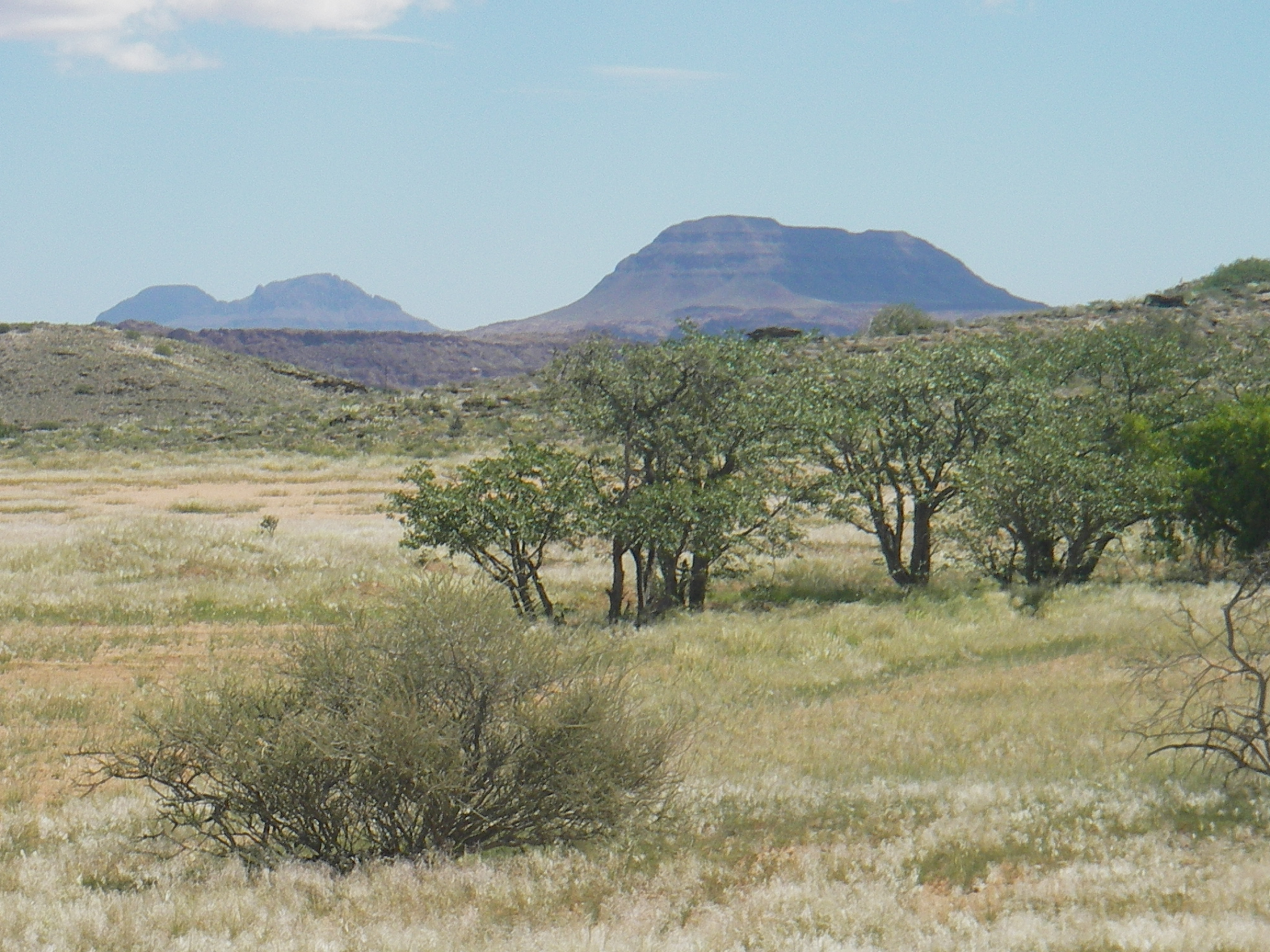
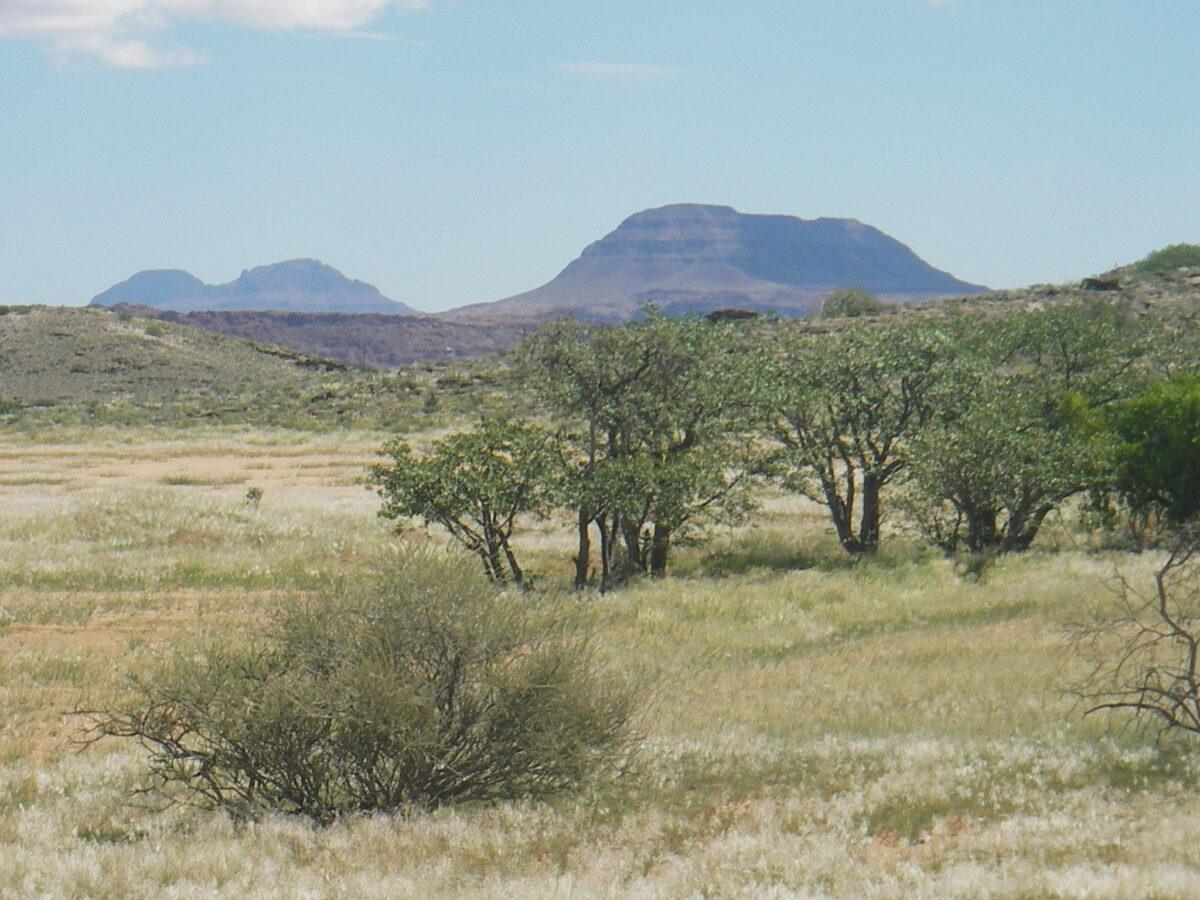
In the southwest of Africa, the Republic of Namibia stretches over 1,572,000 km² of spectacular landscapes: the Atlantic Ocean to the west, the red sands of the Namib Desert along 1500 km of coastline, the plateaus and savannas of the center (Khomas, Otjozondjupa), the more arid regions of Kaokoland in the northwest, and the pan dotted with waterholes of the Etosha National Park. To the south, the Fish River Canyon cuts the earth’s crust over 160 km, the second largest canyon in Africa by size. Capital: Windhoek.Key facts — Capital: Windhoek | Currency: Namibian Dollar (NAD) pegged to the South African rand | Official language: English (Afrikaans, Oshiwambo, Otjiherero, Damara, etc. widely spoken) | Demonym: Namibian.
History & Heritage
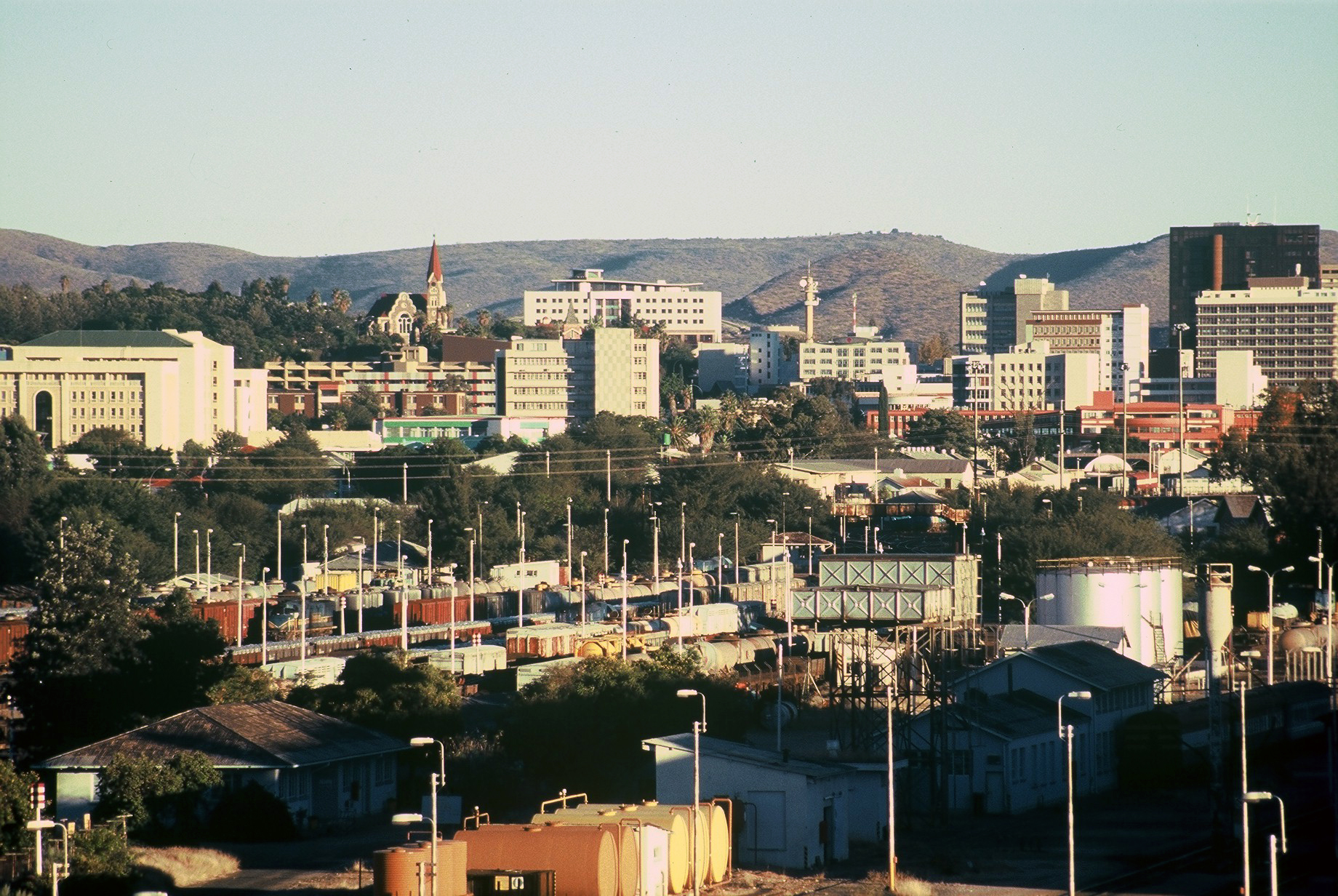
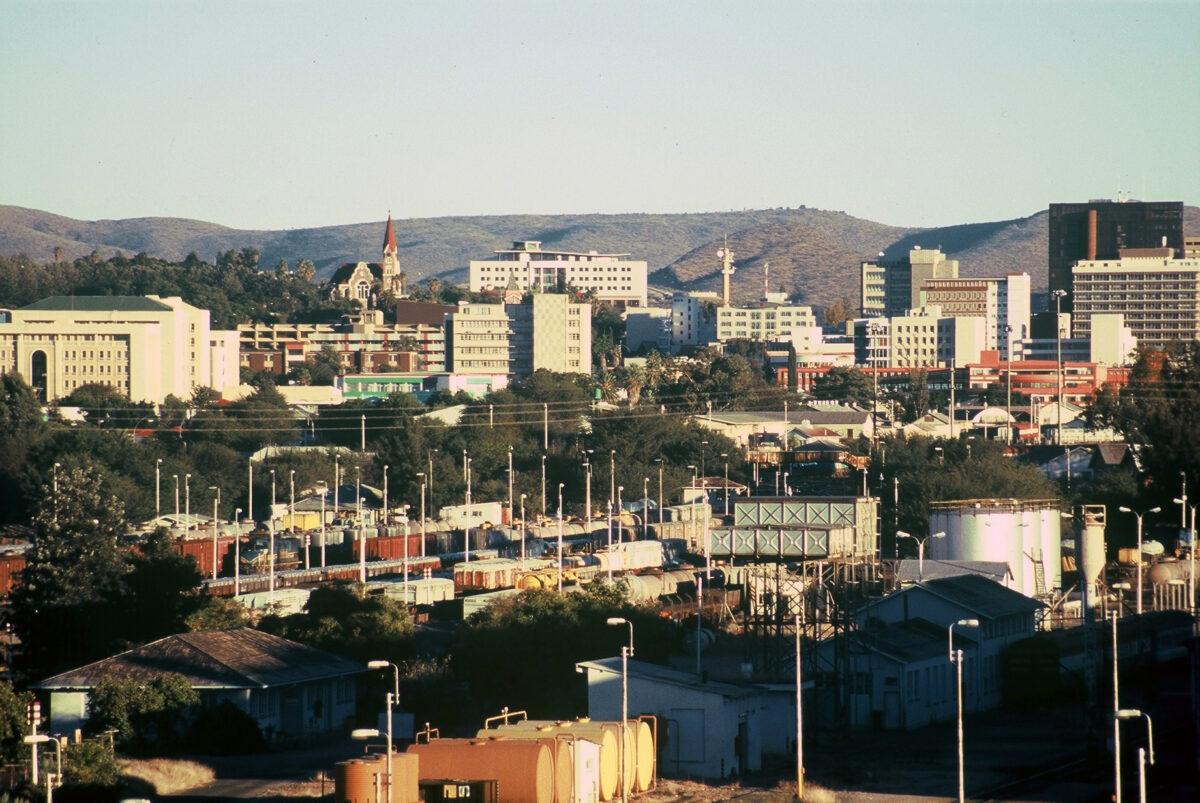
Land of the San (Bushmen) for millennia, Namibia has seen overlapping Bantu, German, and South African influences. The former German colony “South West Africa” (1884–1915) left an architectural heritage (Christuskirche in Windhoek, facades of Swakopmund) and toponymy. Placed under South African administration and then engaged in the struggle for independence, Namibia became a sovereign state in 1990. The Twyfelfontein rock art site (UNESCO) attests to very ancient occupation and fascinating artistic expression (petroglyphs of animals and footprints).
Population & Demographics
Namibia has about 2.6–2.7 million inhabitants, with a very low density (≈ 3 inhabitants/km²). Windhoek gathers nearly half a million residents. The country is young (median age around 22–24 years) but urbanizes rapidly (Windhoek, Walvis Bay, Swakopmund, Rundu, Oshakati).
| Indicator | Value (order of magnitude) |
|---|---|
| Population | ≈ 2.7 M |
| Density | ≈ 3 inhabitants/km² |
| Urbanization | ≈ 55–60 % |
| Capital | Windhoek (> 400,000 inhabitants) |
| Life expectancy | ≈ 64–67 years |
Good to know — The low density makes driving enjoyable (little traffic) but demanding (long distances, tracks). Always plan for fuel, water, and a spare tire.
Climate & when to go
Desert to semi-arid climate with more than 300 days of sunshine per year. The seasons:
- May–October (austral winter): dry, bright, cool nights, optimal wildlife viewing (water points at Etosha).
- November–April (summer): sometimes intense heat inland; expected thunderstorms (lush landscapes, photogenic skies).
- On the coast: frequent fog (Benguela current) and moderate temperatures.
Top 5 must-see places
1) Sossusvlei & the Namib Desert
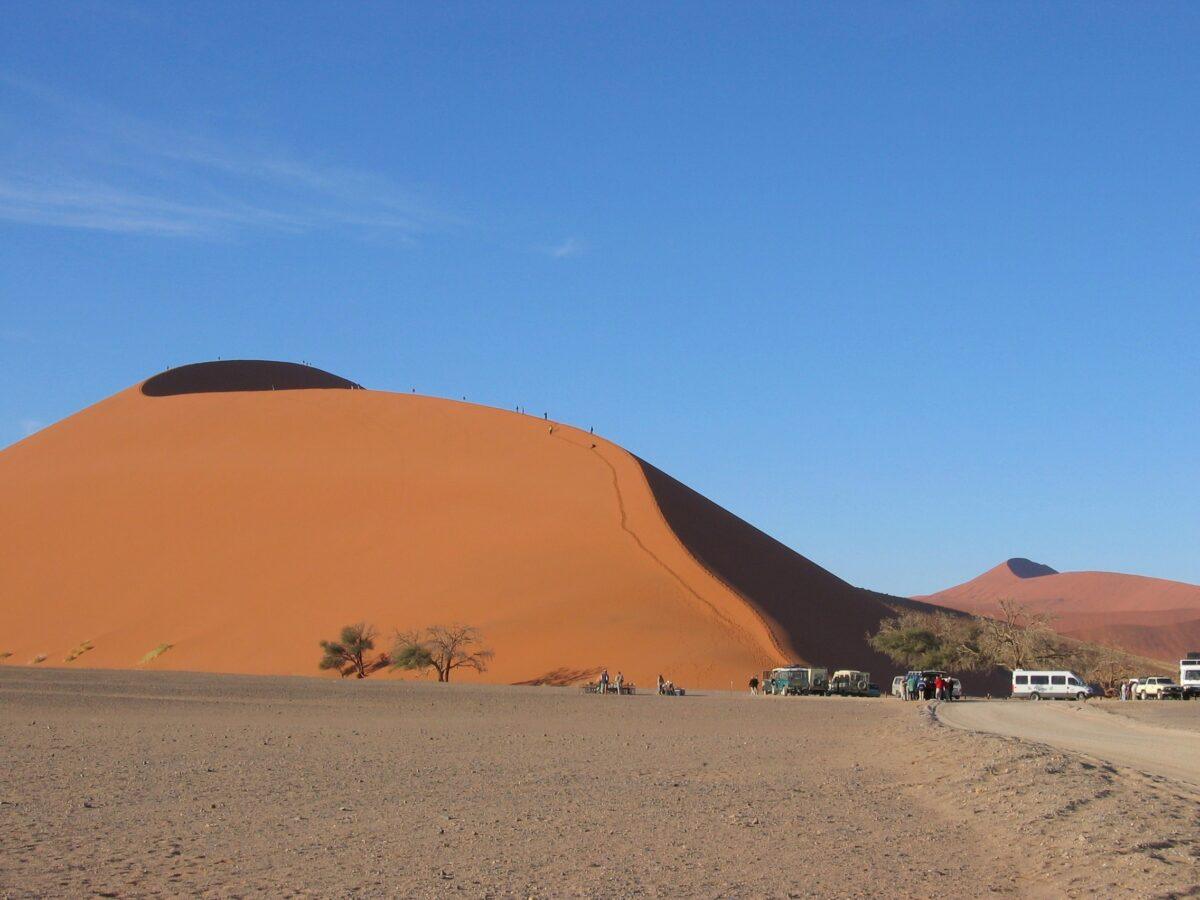
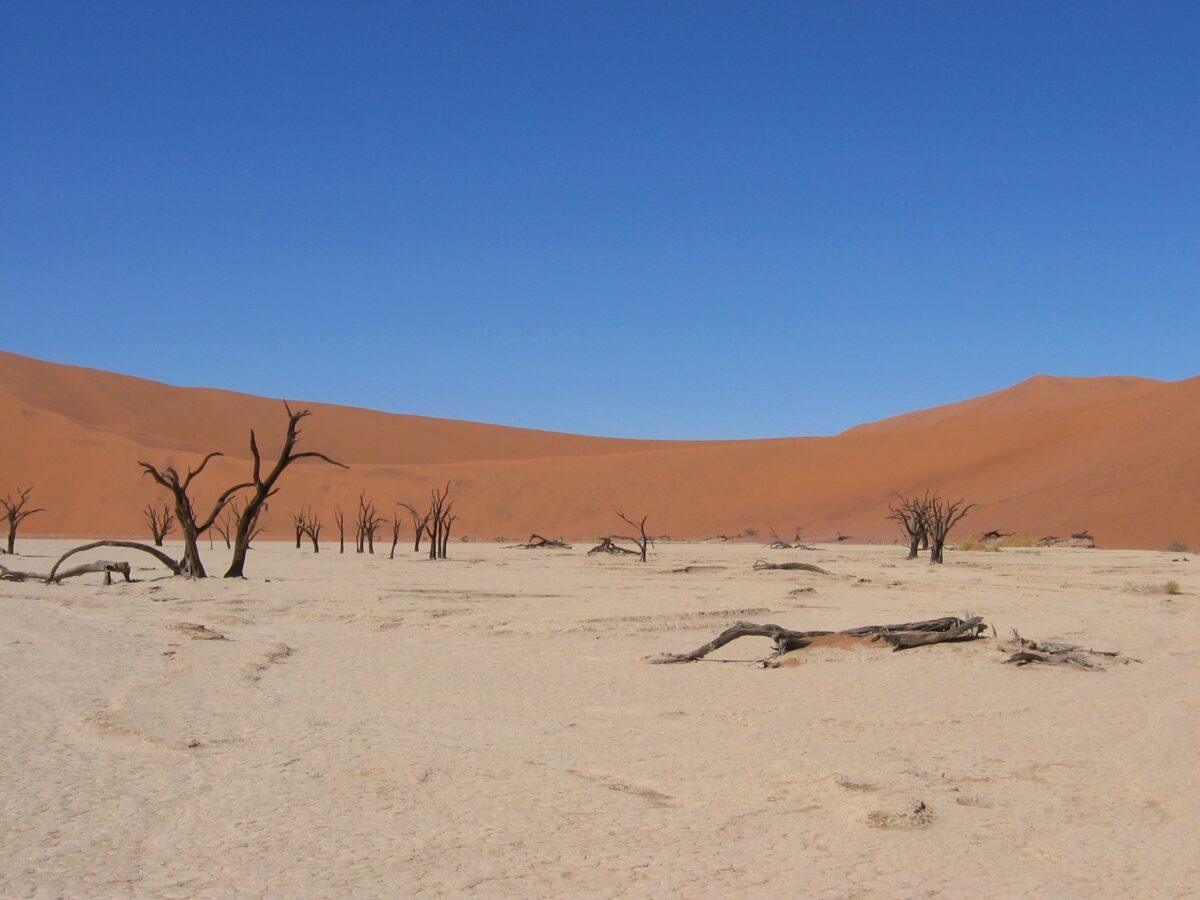
World temple of dunes, Sossusvlei amazes with its saffron orange slopes. Climb Dune 45 for sunrise, then explore Deadvlei, a white pan dotted with dead acacias.
2) Etosha National Park
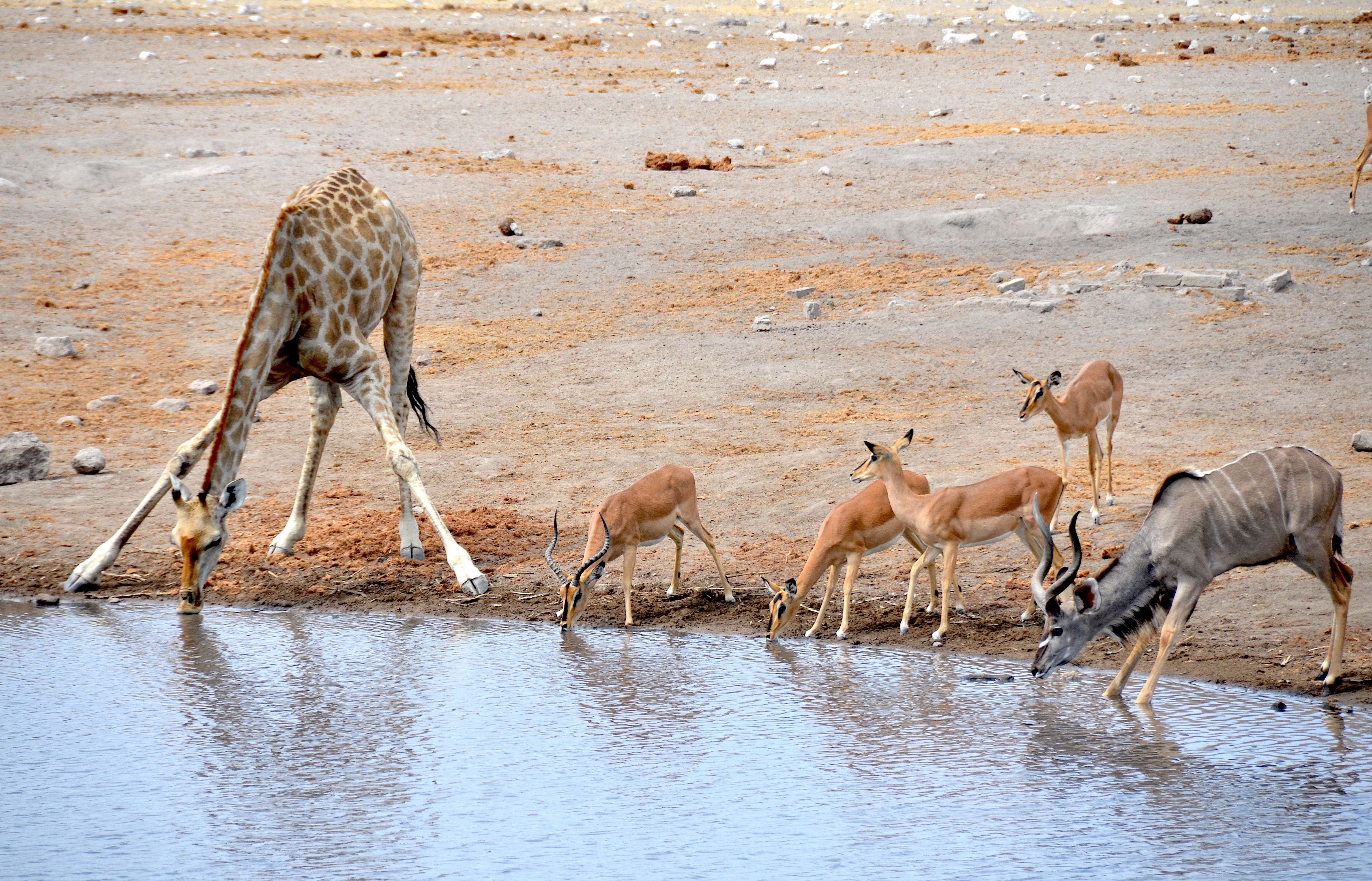
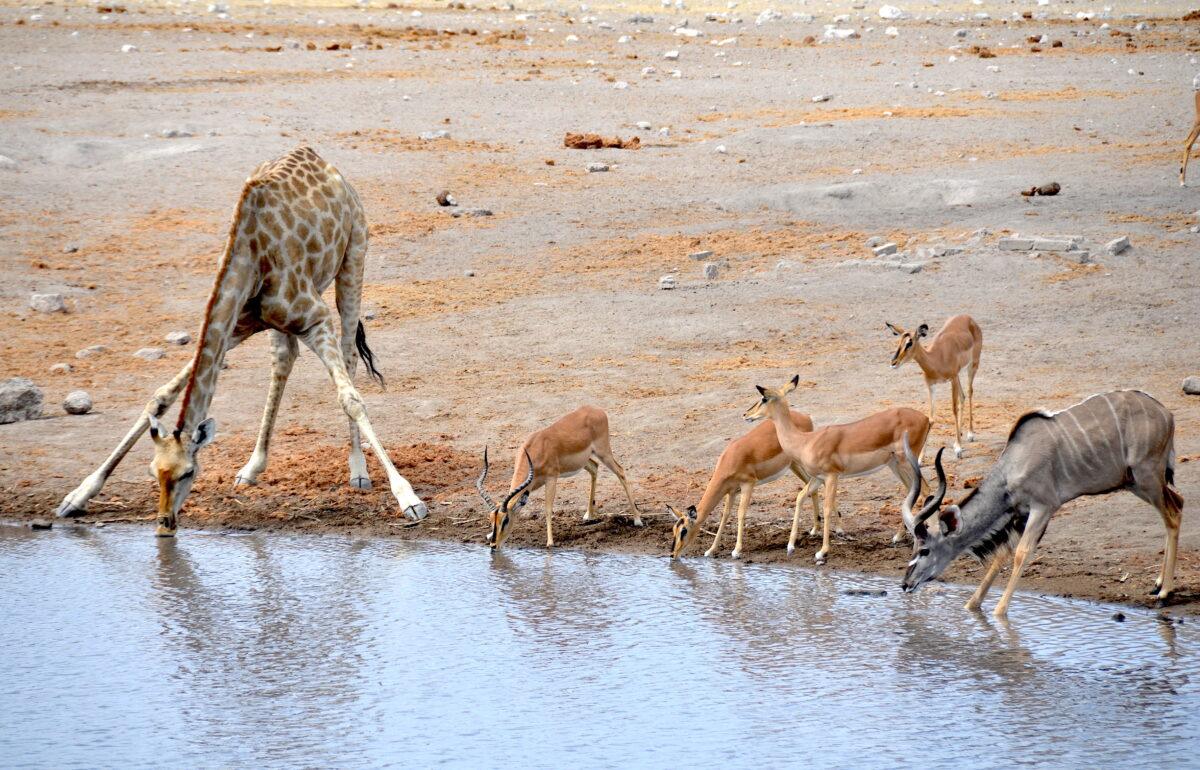
A vast salt “pan,” water points where elephants, giraffes, springboks, zebras, sometimes lions and black rhinos converge. The camps (Okaukuejo, Halali) offer illuminated observation points at night.
3) Skeleton Coast & Cape Cross
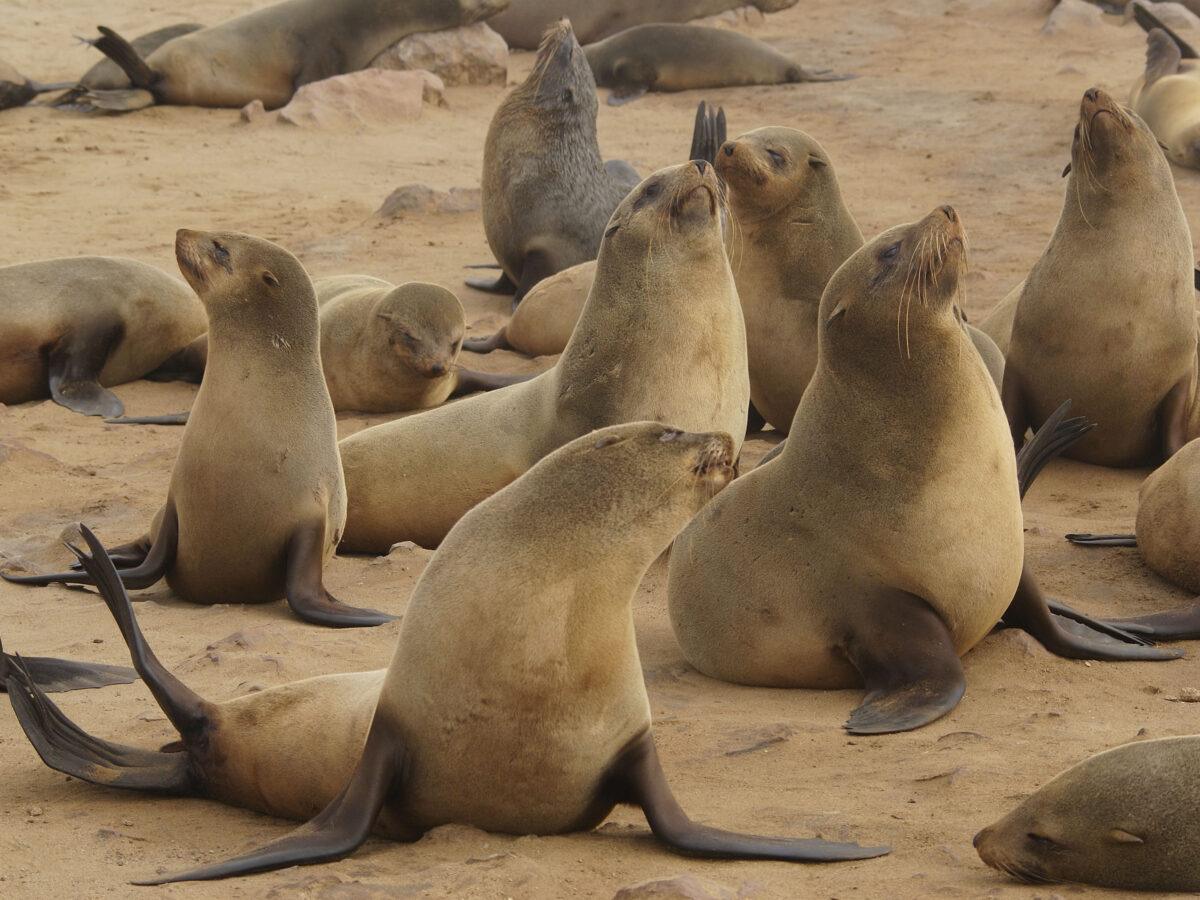
Fog, dunes, and shipwrecks form the mystical setting of the Namibian coast. At Cape Cross, a colony of Cape fur seals occupies the rocks by the thousands: a sound, smell, and unforgettable spectacle.
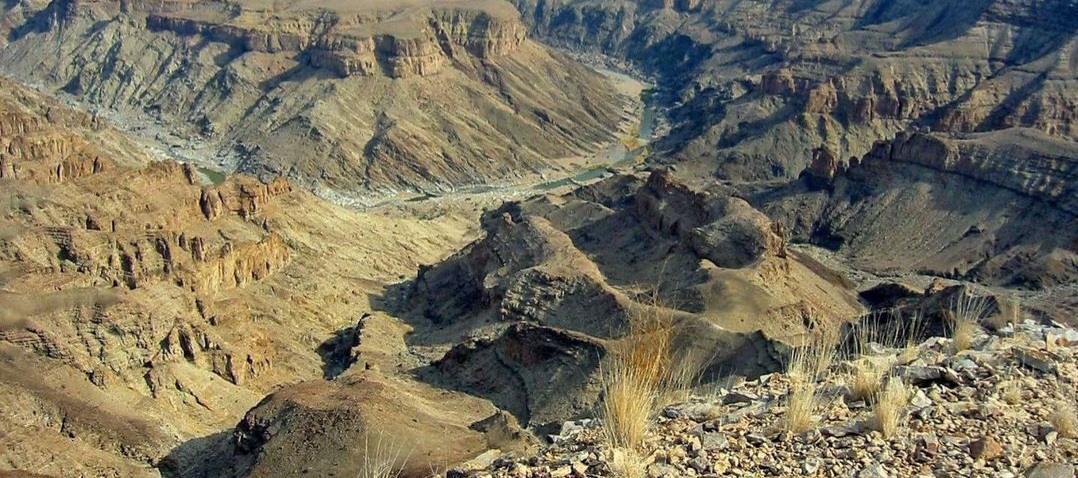
4) Fish River Canyon
In the south, the Fish River Canyon offers dizzying panoramas and a renowned trek (May–September). The viewpoints accessible by vehicle are already enough to give you chills.
5) Spitzkoppe & the Damaraland Inselbergs
The “Matterhorn of Namibia” rises with its golden-hued granite domes. Perfect for camping under the stars, observing natural arches, and twilight photography.

Itinerary Ideas
Self-drive 8–10 days (first discovery)
Windhoek → Sossusvlei (2–3 nights) → Swakopmund & Walvis Bay (2 nights) → Spitzkoppe (1 night) → Etosha South (2–3 nights) → return to Windhoek.
Road trip 14–18 days (great classics + south)
Add Fish River Canyon and the Skeleton Coast up to the Torra region. Option for Kolmanskop (ghost town) near Lüderitz.
4×4 Adventure 21+ days (wild northwest)
From Sesfontein to Kaokoland: valleys of the Hoanib and Huab, desert elephants, encounters with Himba communities (with local guides).
Peoples & Culture
The cultural mosaic includes Ovambo, Herero, Damara, Nama, Kavango, Himba, San… Each has unique languages, clothing, and know-how. Among the Himbas, the red ointment (otjize) protects the skin and shapes identity. The San, the oldest inhabitants of southern Africa, maintain a deep knowledge of the environment (tracking, plants). The German legacy is still visible in the urban planning of Windhoek and Swakopmund (bakeries, beer, architecture).
Practical Information
Visa & Formalities
For EU nationals, entry without a visa for short tourist stays (information subject to change: always check the latest regulations). Passport valid for 6 months after the exit date, with free pages required. Travelers coming from a yellow fever risk area must present a vaccination card.
Health
Strong sun & dry air: hat, sunglasses, SPF 50+ sunscreen, strict hydration. Seasonal malaria in the north (especially Kavango/Zambezi) during/just after the rainy season: consult a travel doctor.
Money & Budget
- Currency: Namibian dollar (NAD) ≈ South African rand (ZAR). Cards accepted in towns/lodges, cash useful in rural areas.
- Daily budget (approximate, per person): backpacker €60–90 | comfort €120–180 | high-end lodge €250+.
- Fuel is affordable, but distances are long: plan a margin.
Equipment
Self-drive tour: 2 spare wheels, compressor, pressure gauge, dust filter for the camera, cooler, headlamp. Clothing: multi-layer, windbreaker for the coast, fleece for winter nights.
Transport & Getting Around
Flights: to Windhoek-Hosea Kutako (WDH) via Johannesburg, Addis, Doha, etc. Driving: on the left; network of well-maintained gravel roads (tracks). 80–100 km/h is sufficient on tracks. High gear box + suitable tires recommended for Damaraland/Kaokoland. Always inform your itinerary, check tire pressures, and plan for fuel. Urban planner-travel tip — In Namibia, the road is part of the journey: park often at viewpoints, accept the slow pace, and enjoy the horizon — it is the “main attraction”.
Accommodations & Experiences
From wild camping (designated areas) to boutique lodges in private concessions, the offer is varied. The Etosha camps (Okaukuejo, Halali, Namutoni) are popular: book early in high season. Favorite experiences: hot air balloon over Sossusvlei, dolphin cruise at Walvis Bay, fat bike on the dunes of Swakopmund, IDA-certified starry sky in the NamibRand.
Travel Responsibly
- Favor operators who employ & train locally.
- Respect distances from wildlife (especially at water points).
- Choose accommodations involved in conservation (black rhinos, cheetahs).
- Limit driving on unauthorized dunes & follow signage.
Other Travel Ideas on the Network
Fan of vast cold spaces? Discover our file on Iceland. Do you like architecture and urban atmospheres? Browse our guide to Strasbourg or head south with Bastia.
FAQ — Namibia, top destination
What to visit in Namibia in one week?
Sossusvlei (2–3 nights), Swakopmund/Walvis Bay (2 nights), one entrance to Etosha (2–3 nights). If you add a 9th–10th night, slip Spitzkoppe between Swakopmund and Etosha.
What is the best time to go?
May–October for wildlife (dry, clear sky). November–April: warmer, possible storms, green landscapes and softer prices.
How to get there and get around?
International flight to Windhoek (WDH). On site, rent an SUV/4×4, drive on the left, many well-maintained tracks. Plan fuel and spare tire(s).
What iconic places should not be missed?
The dunes of Sossusvlei/Deadvlei, Etosha Park, the Skeleton Coast (Cape Cross, shipwrecks), Spitzkoppe, Fish River Canyon, Twyfelfontein.
What budget to plan?
Self-drive tour: €60–90 p.p./day (backpacker), €120–180 (comfort), €250+ in high-end lodges. Reasonable fuel costs, but long distances.
Additional Gallery
The links to the images below have been verified and point to active upload.wikimedia.org files (or Flickr via Commons):
- Dune 45 (Sossusvlei) — direct link
- Deadvlei — direct link
- Etosha (Chudop) — direct link
- Cape Cross (seals) — direct link
- Fish River Canyon — direct link
- Spitzkoppe — direct link
- Twyfelfontein — direct link
- Windhoek skyline — direct link