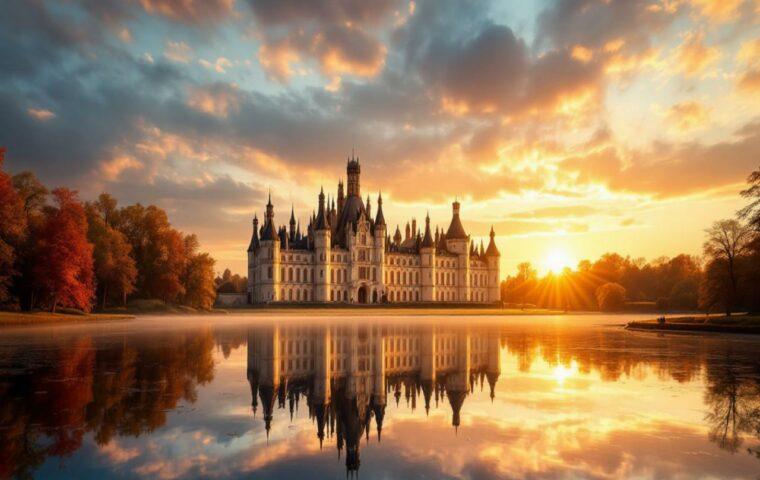
France has not always had a fixed capital. In Antiquity and the Middle Ages, power was attached to the person of the sovereign and moved between residences and palaces. Gradually, institutions became sedentary and Paris established itself as the political, legal, and administrative capital. This dossier traces the essential stages, from Gaul to the Fifth Republic, distinguishing legal capitals, de facto capitals, and temporary host cities in times of crisis.
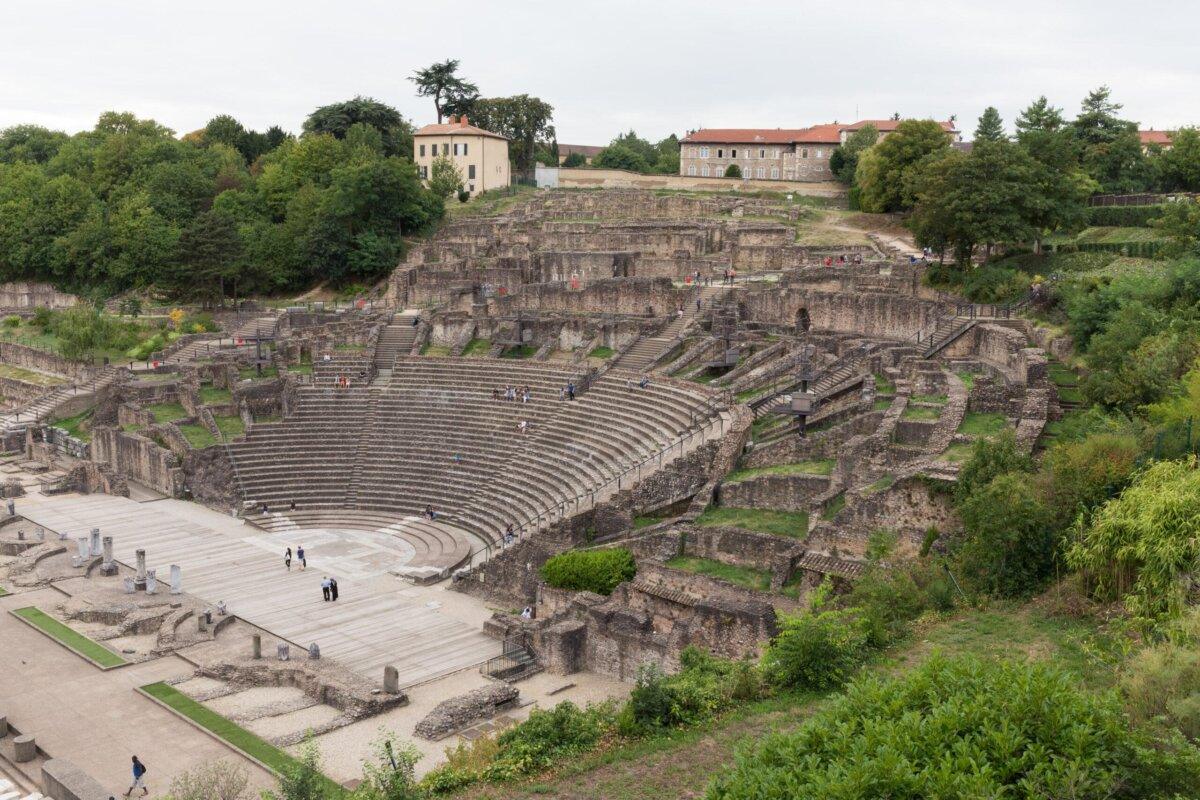
Lugdunum (Lyon) was the administrative capital of Gaul under Rome; Lutetia (Paris) was not yet central.
From the Merovingians to the Carolingians, power remained itinerant between Tournai, Soissons, Paris, Metz, Laon, Compiègne, etc.
With the Capetians, Paris absorbed institutions, justice, and finances; Versailles became the de facto capital from 1682 to 1789.
Since 1879, Paris has been the stable seat of the Republic’s powers, despite temporary withdrawals (Bordeaux 1914/1940, Vichy, Algiers).
Sommaire
Capital: useful definitions
The word “capital” covers three historical realities that must be distinguished to avoid anachronisms:
- De jure capital: city explicitly designated by a norm or constitutional practice as the seat of powers (modern logic).
- De facto capital: place where the prince, his councils, or later the organs of the State reside permanently, even without formal text.
- Temporary host cities: temporary retreat of assemblies or governments during wars, revolutions, or sieges.
Until the 19th century, Europe largely lived under the regime of the court capital: the center of power followed the court. The history of French capitals is therefore primarily that of a progressive sedentarization of institutions, culminating with the Third Republic definitively fixing the seat of the chambers in Paris in 1879.
Before France: the ancient capitals
Lugdunum (Lyon), founded in 43 BC, became the great administrative capital of Gaul. Imperial coinage was minted there, the conventus of notables was held there, and the city controlled a nexus of river and land routes. Lutetia (Paris) was then an important but peripheral city in the imperial hierarchy. From the Tetrarchic reforms and the reorganizations of the Late Empire, Lugdunum’s hegemony declined in favor of military seats and regional bishoprics. This precedence explains why the “capital of Gaul” does not directly prefigure the capital of a medieval kingdom and then a modern state.
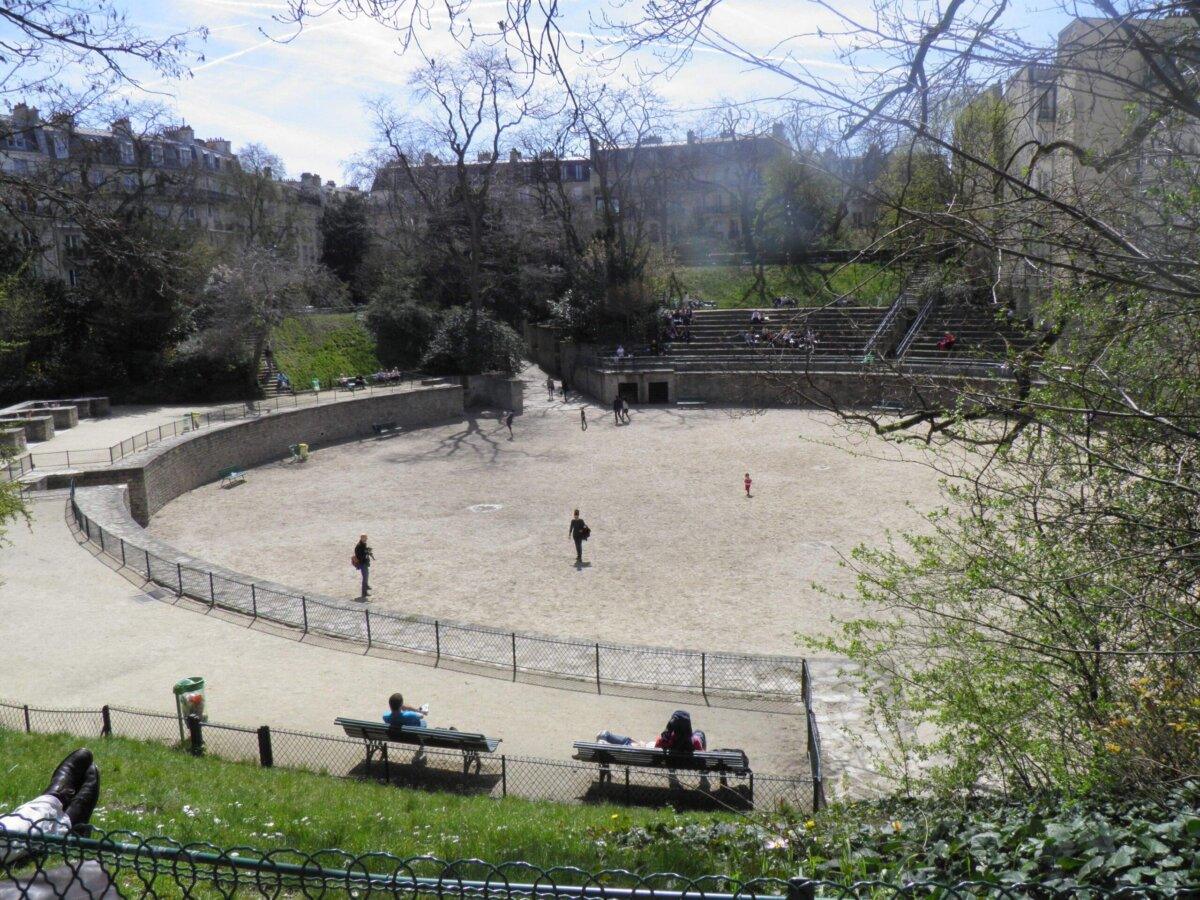
In Paris, the Arenas of Lutetia and the Cluny baths document the topography of the Gallo-Roman city, without political equivalence to Lyon. The shift occurs later when the Frankish power settles in the Paris Basin, then when the Capetians settle institutions and finances in Paris.
Merovingians and Carolingians: a traveling power
Among the Merovingians, the “capital” is where the king, his court, and his treasury are located. Tournai and Soissons play a major role for Clovis; Paris gains importance, as do Orléans and Metz. The administration relies on a network of palaces and fisc, not on a single city. With the Carolingians, the horizon expands to the Empire: Aachen becomes the imperial center of gravity, but it is not France. In West Francia, the palaces of Laon, Attigny, Compiègne, or Quierzy serve as political and judicial stops. The kingdom therefore does not have a fixed capital in the modern sense, but a polycentric geography where function takes precedence over location.
Capetians: Paris asserts itself
Elected in 987, Hugh Capet anchors authority in the Île-de-France. Three levers structure the rise of Paris:
- The Palais de la Cité on the Île de la Cité, seat of councils and an expanding royal justice, future matrix of the Parliament of Paris.
- The settling of offices: Parliament of Paris, Chamber of Accounts, clerks and notaries establish the state apparatus in the city.
- Economic and university power: guilds, fairs, University in the 13th century feed a learned and financial administration.
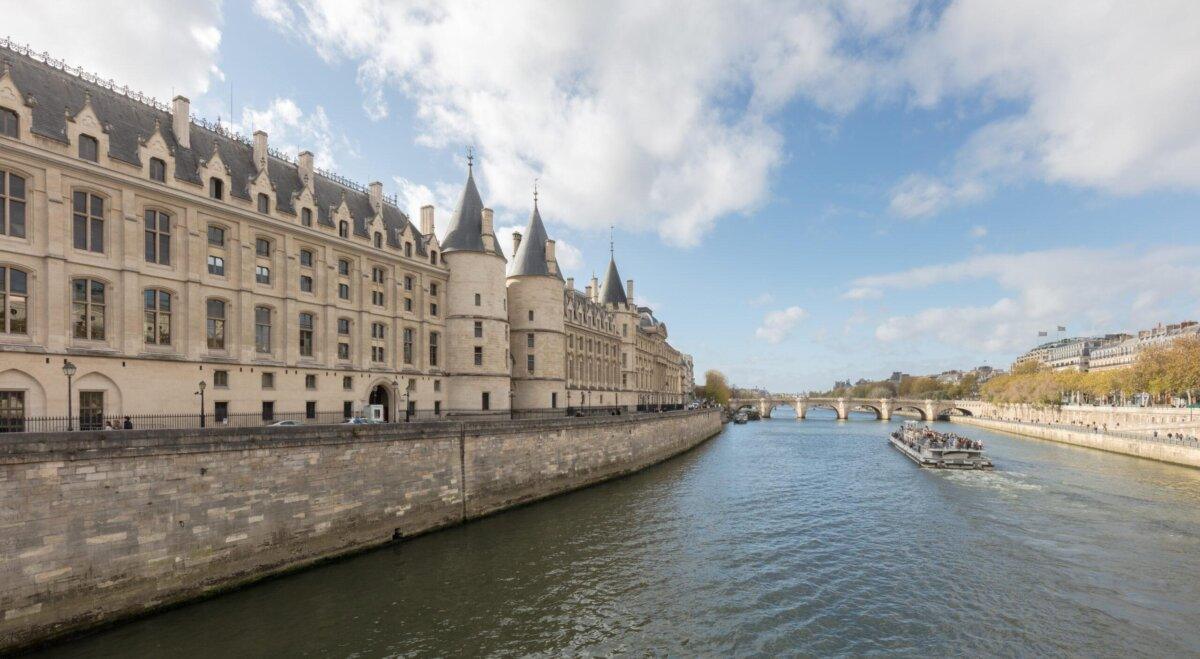
Philip Augustus fortifies Paris, organizes the city around the Louvre and walls, while Saint Louis consolidates judicial authority. By the end of the Middle Ages, despite court relocations, Paris is already a de facto capital by institutional and fiscal density.
Hundred Years’ War: fallback capitals
In 1418, Paris falls under Burgundian control. The dauphin Charles retreats to the center of the kingdom: Bourges becomes his base, then Loches, Chinon, Tours. Hence the expression “little king of Bourges.” These cities play the role of war capitals, concentrating chancellery, finances, and diplomatic relations of the dauphin’s allegiance. After the reconquest, the Parliament of Paris and offices reinforce Parisian centrality, a prelude to the modern administrative monarchy.
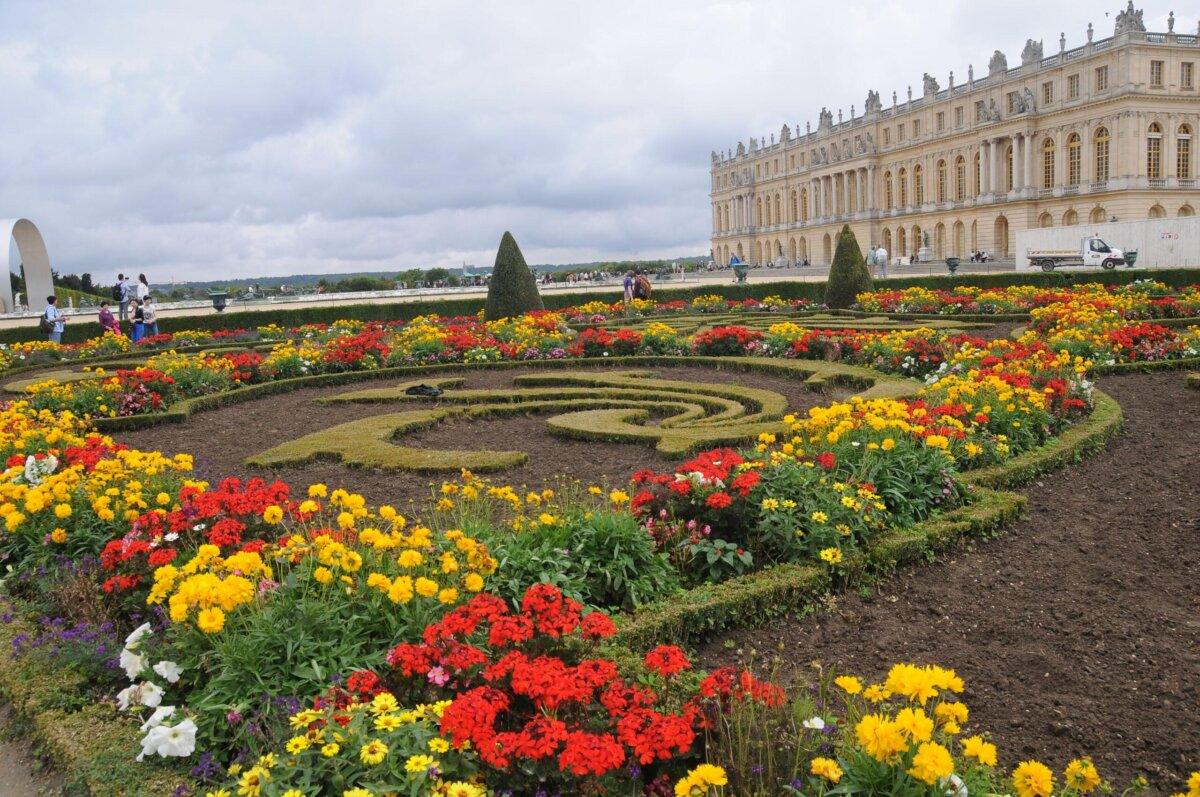
Versailles, de facto capital (1682–1789)
In 1682, Louis XIV established the court and the king’s councils at Versailles. The choice was not only symbolic: it organized the proximity of ministers, the mastery of ceremonies, and the control of the nobility. Versailles became the de facto political capital of the kingdom, while Paris remained the economic, publishing, and financial metropolis. Ministries, intendancies, and diplomacy unfolded around the castle and the Grands Communs. This dual-headed configuration – Versailles for politics, Paris for the city – ended in 1789 when the Assembly and the king moved to Paris under the pressure of events.
Revolution, Empires, Restorations: Paris as Capital
The Revolution established the institutions in Paris: Estates-General became the National Assembly, then the Convention, the Directory. Under the Consulate and the Empire, centralization intensified; the 19th century firmly established the modern seats: Palais-Bourbon for the Assembly, Palais du Luxembourg for the Senate, Palais de justice on the Île de la Cité for the high courts, Élysée and Matignon for the executive. The July Monarchy and the Second Empire maintained this geography of Parisian power.
1871–1879: Temporary Versailles, Paris Confirmed
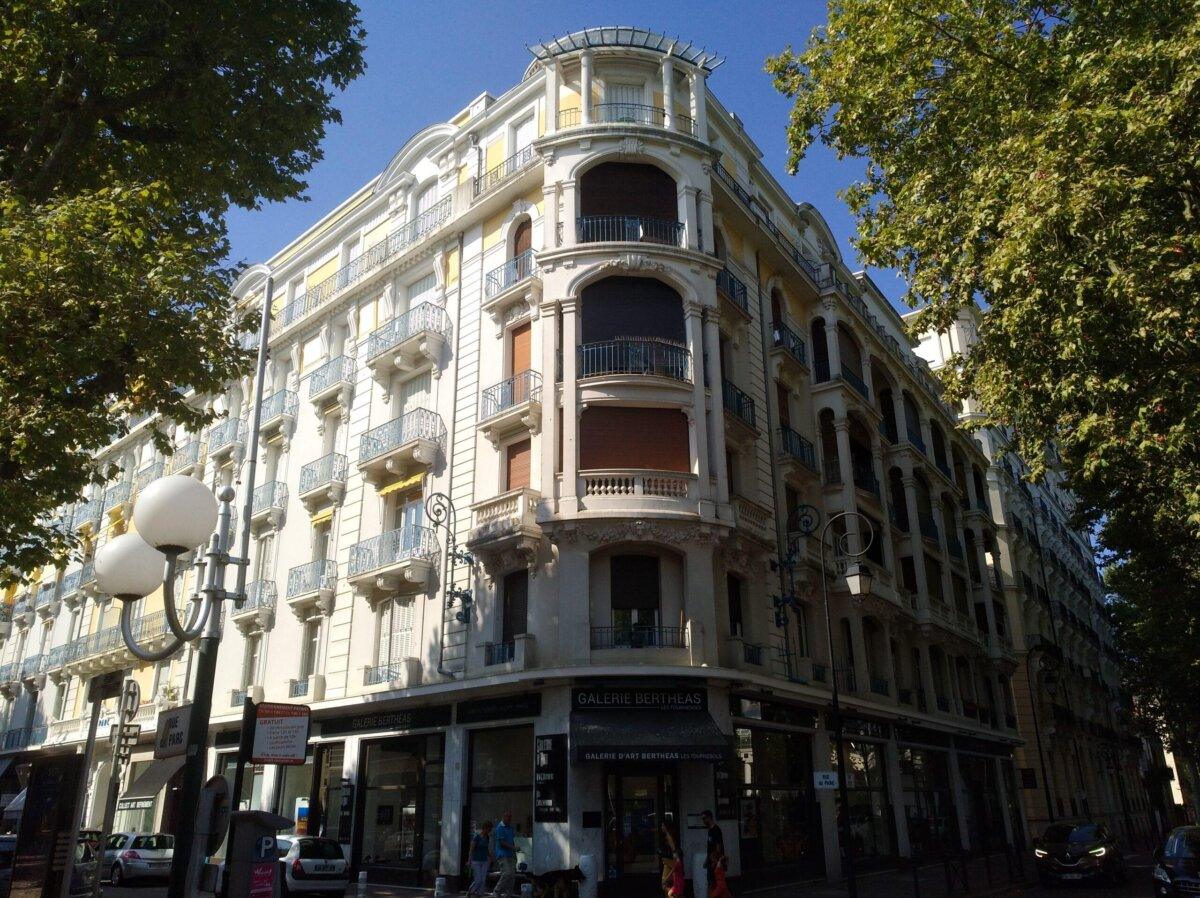
After the siege of Paris and the Commune, the National Assembly met in Versailles for security reasons. The constitutional debates of the Third Republic took place there. This temporary retreat ended in 1879 when the Chambers returned to Paris. From then on, the capital function was stabilized: head of state, government, and parliament sat in Paris, which also became an international capital through its diplomatic institutions and press network.
20th Century: Bordeaux, Vichy, Algiers… then Paris
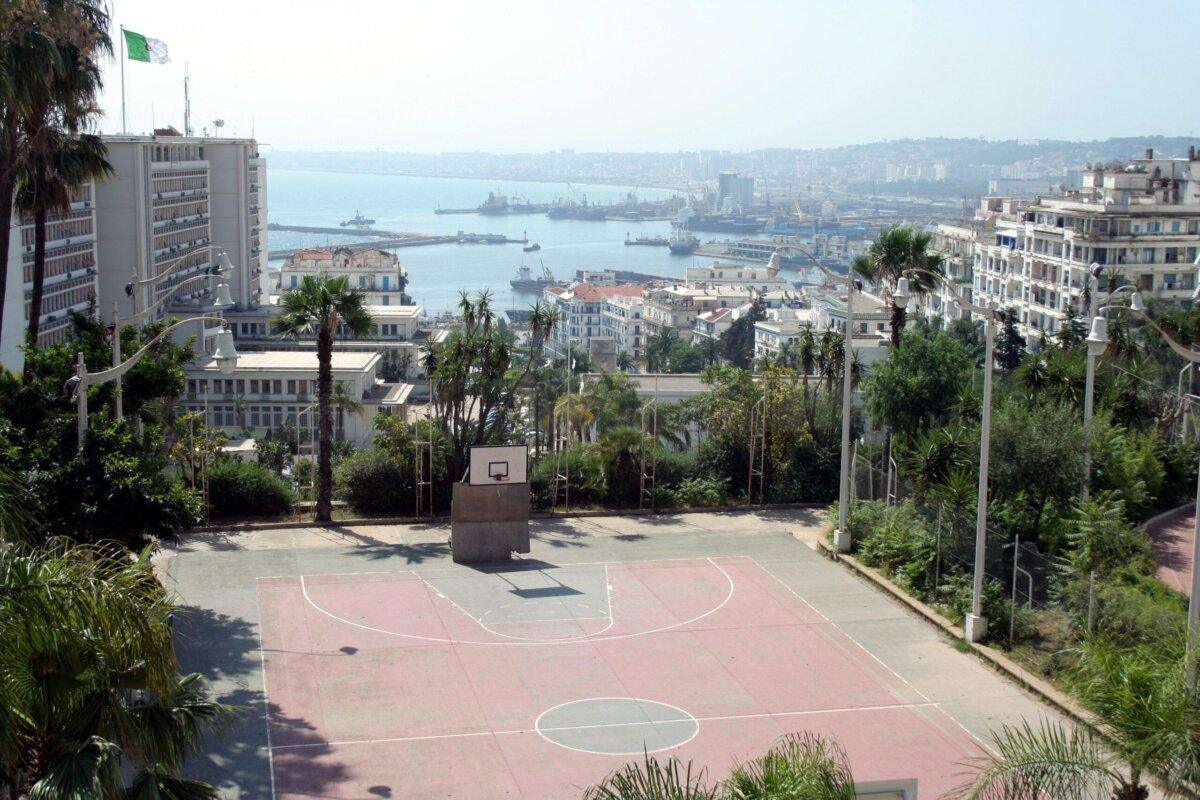
In September 1914, facing the German advance, the government retreated to Bordeaux a few weeks before returning to Paris after the Marne. In June 1940, a new retreat to Tours then Bordeaux. After the armistice, the French State established its seat in Vichy (1940–1944). The Free France and then the French Committee of National Liberation sat in London then Algiers (1943–1944). At Liberation, the Provisional Government returned to Paris, where the Fourth and then the Fifth Republic consolidated the current seats.
Mapping Power in Paris
Understanding the contemporary capital means locating its organs:
- Presidency of the Republic: Élysée Palace.
- Government: Hôtel Matignon and ministries.
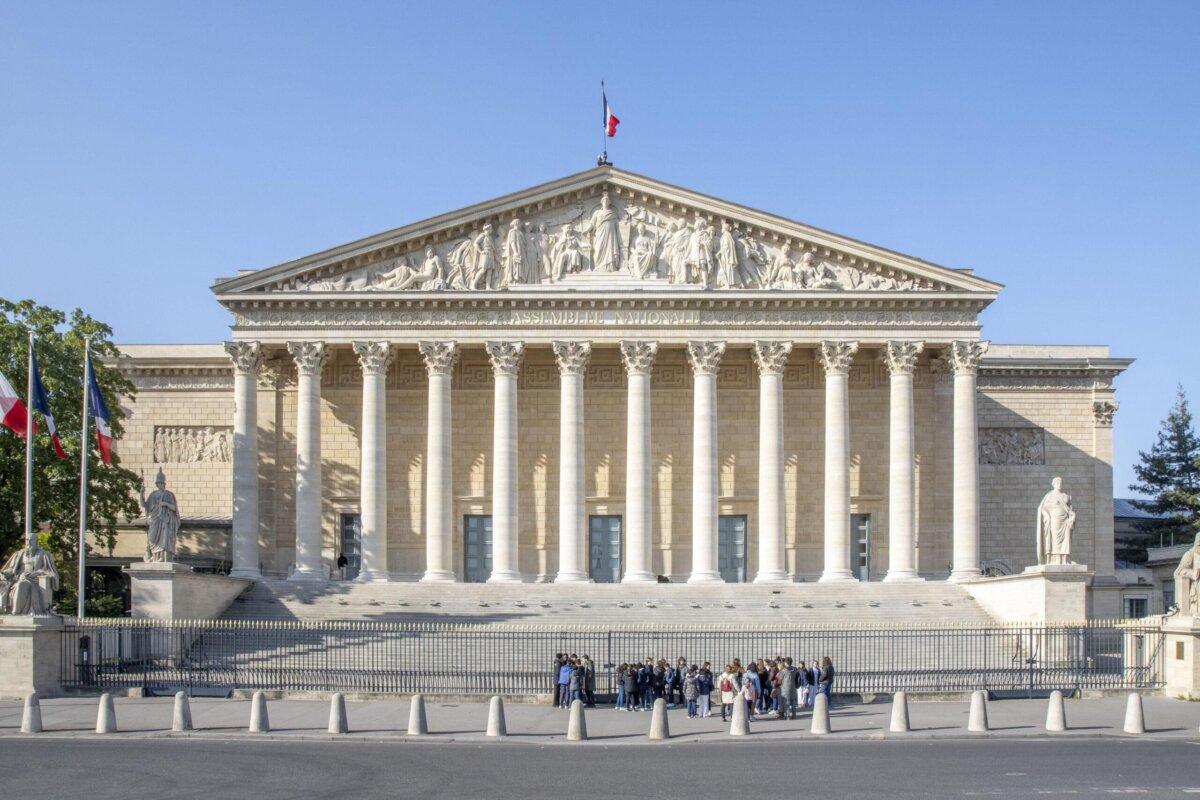
- Parliament: National Assembly at the Palais-Bourbon, Senate at the Palais du Luxembourg.
- High courts: Court of Cassation and judicial tribunal at the Palais de justice (Île de la Cité), Council of State at the Palais-Royal.
- Municipal capital: Paris City Hall.
Quick timeline (table)
Synthetic reading of the main periods and statuses:
| Period | Main city | Status | Remarks |
|---|---|---|---|
| 43 BC – 4th century | Lugdunum (Lyon) | Capital of the Gauls (Rome) | Currency, conventus, river crossroads |
| 5th–10th centuries | Tournai, Soissons, Paris, Metz… | Itinerant seats | Curial capital, multiple palaces |
| 11th–14th centuries | Paris | De facto capital | Parliament, finances, University |
| 1418–1436 | Bourges, Tours, Chinon | Fallback capitals | Hundred Years’ War |
| 1682–1789 | Versailles | De facto capital | Court and king’s councils |
| 1789–1870 | Paris | Political capital | Assembly, executive, high courts |
| 1871–1879 | Versailles | Temporary seat | Fallback of the Chambers |
| 1914; 1940 | Bordeaux (then Tours) | Temporary fallbacks | World wars |
| 1940–1944 | Vichy; London; Algiers | Competing seats | French State / Free France |
| Since 1879 | Paris | De jure and de facto capital | Élysée, Matignon, Parliament, high courts |
Challenges of centralization and limits
Parisian centralization provides economies of scale: proximity of institutions, diplomatic networks, concentration of talents, access to media and infrastructures. It also presents costs: congestion, land prices, perceived remoteness from the peripheries. The contemporary response is not to move the capital, but deconcentration and decentralization: transfers of services to the regions, rise of metropolises (Lyon, Lille, Marseille, Toulouse, Bordeaux), and use of digital tools to reduce administrative distances. These movements do not alter Paris’s status but complement the geography of power with specialized hubs (courts, agencies, independent authorities, universities, clusters).
Resources and tools for further study
- Texts and debates: “vie-publique” files for summaries on constitutions and organization of powers.
- History of places: National Assembly, Senate, Élysée, Matignon publish historical notes and iconographic files freely accessible.
- Archives: Gallica (BnF) for old maps of Paris, Versailles and fallback cities; National Archives for institutional collections.
- Heritage: Center of National Monuments and National Museums to contextualize Palais de la Cité/Conciergerie, Louvre/Tuileries, Versailles.
Conclusion
From the Roman model to the republican capital, the history of the capitals of France is one of a shift from personnel to institutional. Lugdunum dominated the imperial era; the Frankish itinerancy then gave way to a Capetian center, then to a curial capital in Versailles, before the Revolution permanently established powers in Paris. The retreats of the 20th century were only parentheses. Today, Paris concentrates the organs of the State while coexisting with a France of metropolises and territories, better connected and more distributed than before.
FAQ
What was the first “capital” on French territory?
Under Rome, Lugdunum (Lyon) was the administrative capital of the Gauls. It is not the capital of France, a later entity.
When did Paris become the capital?
Paris gradually imposed itself from the 12th to the 14th century through the settling of institutions, then became the political capital of modern France from the Revolution and permanently since 1879.
Was Versailles officially the capital?
From 1682 to 1789, Versailles was the de facto capital of the absolute monarchy. Decisions were made there, ministers resided there, but Paris remained the great city of the kingdom.
Which cities hosted power in the 20th century?
Bordeaux in 1914 and 1940, Vichy for the French State (1940–1944), London then Algiers for Free France (1943–1944), before returning to Paris at Liberation.
Where do public powers sit today?
Presidency at the Élysée, Government at Matignon and in ministries, Parliament at the Palais-Bourbon and Luxembourg, high courts at the Palais de justice and Palais-Royal, in Paris.
Is a capital transfer being considered?
No. Current public policies favor deconcentration and decentralization rather than moving the seat of the State.