Capital of Bourgogne-Franche-Comté, Dijon is a heritage and gourmet town, famous for its dukes, its mustard, and its UNESCO-listed vineyard “Climats”. 🍇
Municipal population (INSEE 2022): 159,941 inhabitants; area: 40.4 km²; demonym: Dijonnais·es.
Easy access by TGV (≈ 1h35 from Paris), tramway (Divia), university center and top museums. 🚆
Writing about Dijon is telling the story of a city where medieval history dialogues with the art of living. In its pedestrian streets, glazed tiles respond to the parliamentary mansions, the market halls buzz with local products, and the “Chouette” carved on the corner of Notre-Dame guides the steps of the curious. ✨
To remember: Dijon is the heart of a metropolis of 23 municipalities. The historic center (97 ha) is one of the first protected sectors in France. The “Climats” of the Burgundy vineyard are listed as a UNESCO World Heritage Site (2015).
Sommaire
Geography and location 🗺️
Dijon occupies a pivotal position between the Paris Basin and the Rhône world, on the northern edge of the wine-growing Côte (Côte de Nuits → Côte de Beaune). The municipality is backed by the côte, a limestone ridge that supports the crus, and opens eastward towards the Saône plain. Two rivers — the Suzon and the Ouche — structure the territory, while the Burgundy canal connects to the Seine via the Yonne.
- Region: Bourgogne-Franche-Comté
- Department: Côte-d’Or (21)
- Postal code: 21000
- Altitude: ~ 220–410 m
- Area: 40.4 km²
- Coordinates: ~ 47.32 N, 5.04 E
The Cras plateau, to the west, is a natural balcony over the metropolis and a peri-urban agriculture laboratory. To the southwest, the Kir lake — developed during the tenure of Canon Félix Kir — is the urban beach for Dijonnais in summer. 🏞️
History and heritage 🏛️
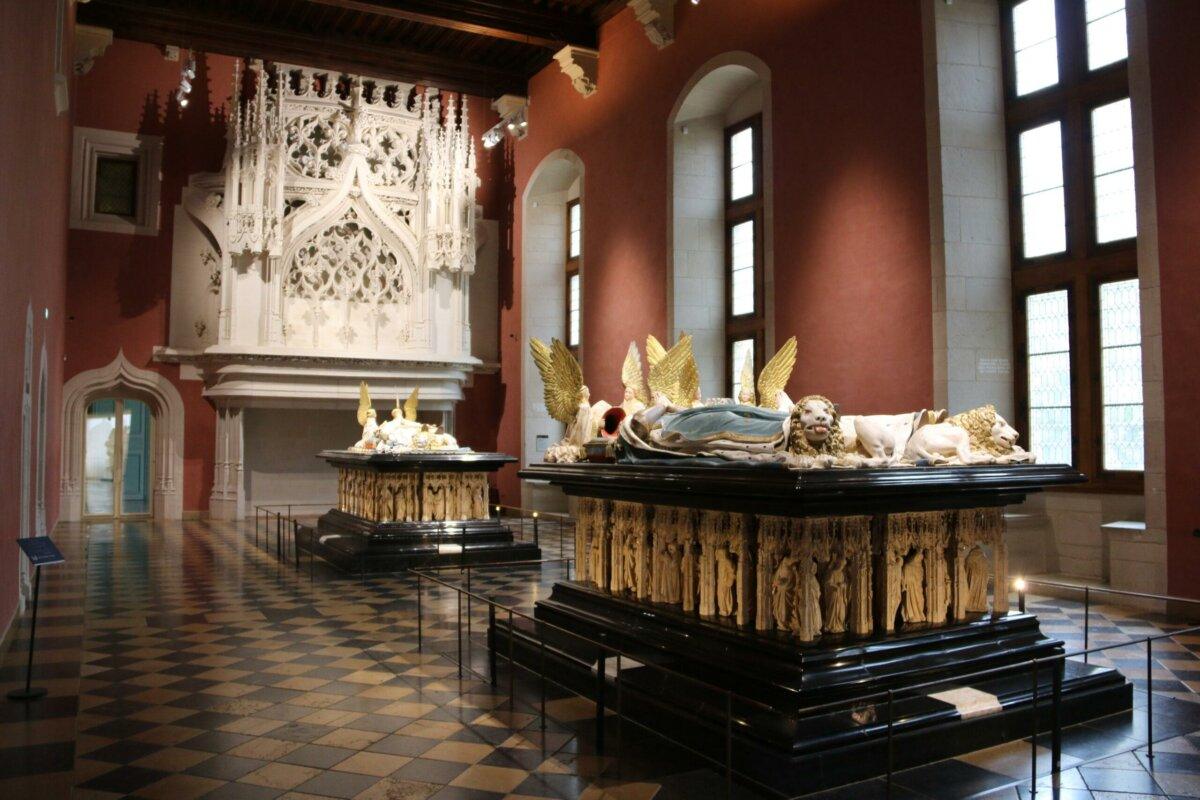
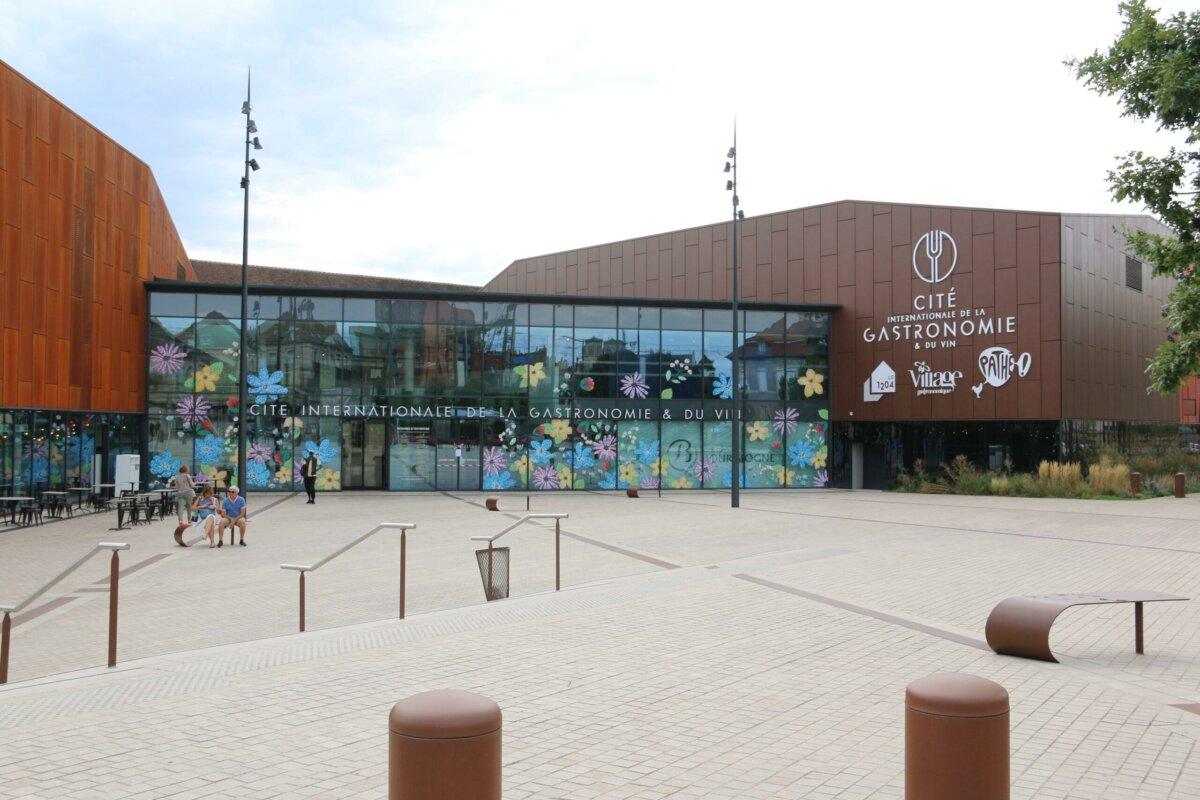
Capital of the Duchy of Burgundy in the Middle Ages, Dijon owes much to the Valois dynasty (Philip the Bold, John the Fearless, Philip the Good…). The dukes maintained a brilliant court and commissioned major works (ducal tombs, Moses well at the Champmol charterhouse). The city prospered with fairs, attracted jurists and artists, and developed a network of hospitals and churches. In the 17th-18th centuries, the city was adorned with private mansions, then royal squares. In the 19th century, the railway and industrialization transformed the economy (mustard factories, chocolate factories, light metallurgy). The 20th century brought campuses, ZUPs, and major facilities (Auditorium, Zénith), up to contemporary projects such as the International City of Gastronomy and Wine.
The vineyard “Climats”, a world heritage
The Climats of the Burgundy vineyard, a mosaic of vineyard plots patiently delineated between Dijon and Santenay, have been listed by UNESCO since 2015. This is the recognition of a “cultural landscape” where geology, exposure, and know-how have shaped legendary crus. Dijon, the gateway to the Côte, is an urban showcase of this. 🍷
Architecture and iconic monuments
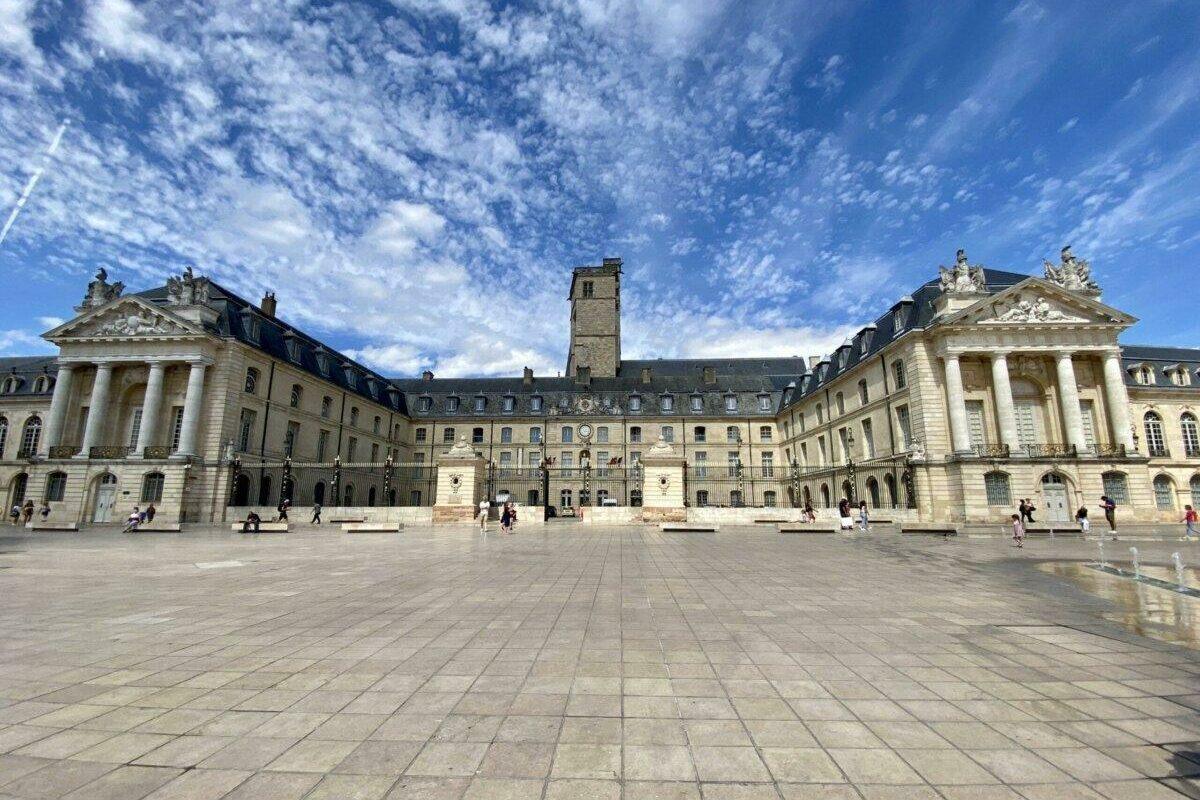
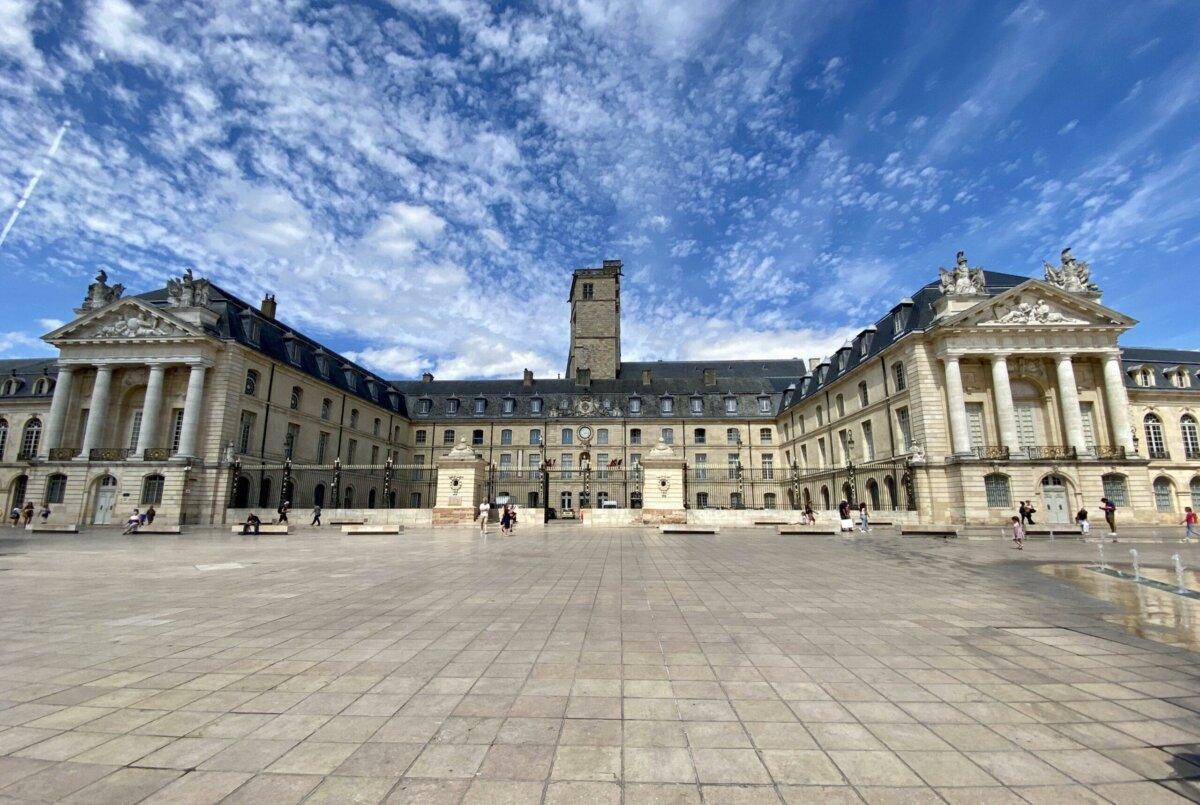
- Palace of the Dukes and the States of Burgundy: historic political heart, it houses the City Hall and the Museum of Fine Arts. The Philippe the Good tower offers a 360° view over the glazed roofs.
- Saint-Bénigne Cathedral: Gothic nave and 11th-century rotunda crypt, rare in Europe.
- Notre-Dame and its “Owl”: a small lucky charm sculpture to be touched with the left hand, now a local icon.
- Townhouses (Aubriot, Vogüé, Chambellan…): sculpted facades, half-timbered courtyards.
- Dijon Market Halls: covered market designed in the spirit of Baltard, a temple of Burgundian products.
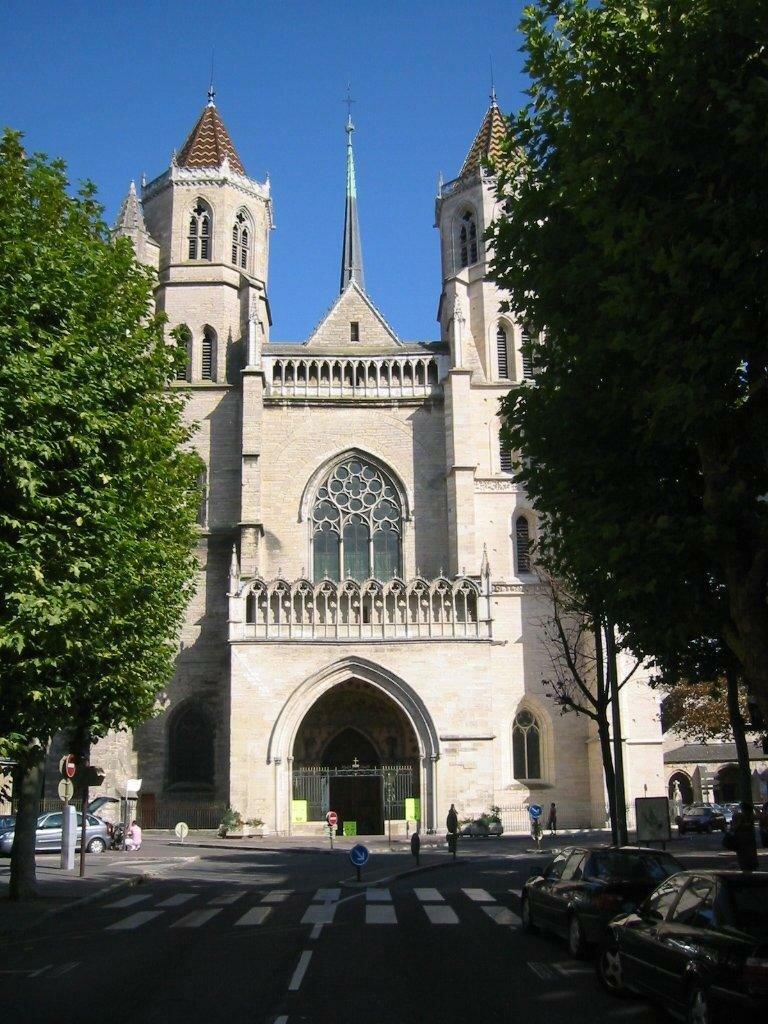
Population and demographics 👥
As the central city of a dynamic metropolitan area, Dijon combines a significant student population, a strong public sector (health, education, administration), and a dense cultural offering. Here are some key indicators (source: INSEE, Dijon municipality – INSEE code 21231):
| Indicator | Value | Year/Reference |
|---|---|---|
| Municipal population | 159,941 inhabitants | INSEE 2022 |
| Area | 40.4 km² | INSEE 2022 |
| Density | ≈ 3,958 inhabitants/km² | INSEE 2022 |
| Households | 89,312 | INSEE 2022 |
| Housing units | 100,667 (88.7% main residences) | INSEE 2022 |
| Activity rate (15–64 years) | ≈ 70.3% | INSEE 2022 |
| Unemployment rate (15–64 years) | ≈ 13.0% | INSEE 2022 |
| Median disposable income (UC) | ≈ €22,720 | INSEE 2021 |
💡 Students & research: the Montmuzard campus (University of Burgundy) concentrates science, humanities, health programs, and schools (ENSAM Cluny branch, Sciences Po temporarily relocated campus, AgroSup…). The presence of the Dijon-Burgundy University Hospital (CHU) strongly influences qualified employment.
Economy and employment 💼
Dijon’s economy is predominantly tertiary: health (CHU, laboratories), public services, higher education, regional company headquarters. The agri-food sector maintains both a symbolic and real presence (mustards, blackcurrant, gastronomy), while logistics and commerce rely on the highway network. Some benchmarks:
- Health & medical devices: the URGO group (care, wound healing) is historically established at 42 rue de Longvic, 21300 Chenôve (Dijon metropolitan area).
- Agri-food: the Amora-Maille brand (Unilever) has rationalized its production in the urban area (Chevigny-Saint-Sauveur), perpetuating the “Dijon mustard” image beyond municipal boundaries.
- Business parks: Cap Nord, Valmy, Beauregard, Longvic… a metropolitan network offering tertiary services, industrial SMEs, and logistics.
- Smart city: the shared urban management approach (“OnDijon”) modernizes lighting, traffic, security, and technical interventions.
- Tourism & conferences: Zénith, Auditorium, Convention Center, International City of Gastronomy and Wine → driver of attractiveness.
Key employment figure: ≈ 99,400 jobs at the workplace (municipality) in 2022, nearly 90% of which are salaried (INSEE). Establishment sectors: 74% commerce-transport-services, ~16% administration/education/health, ~4% industry.
Tourism and culture 🎨🍷
Dijon is an “open-air museum”: in a few hours you cross a thousand years of architecture, sit down for eggs in meurette, then stroll through a French formal garden. Here is the Top 5 places to see, with images:
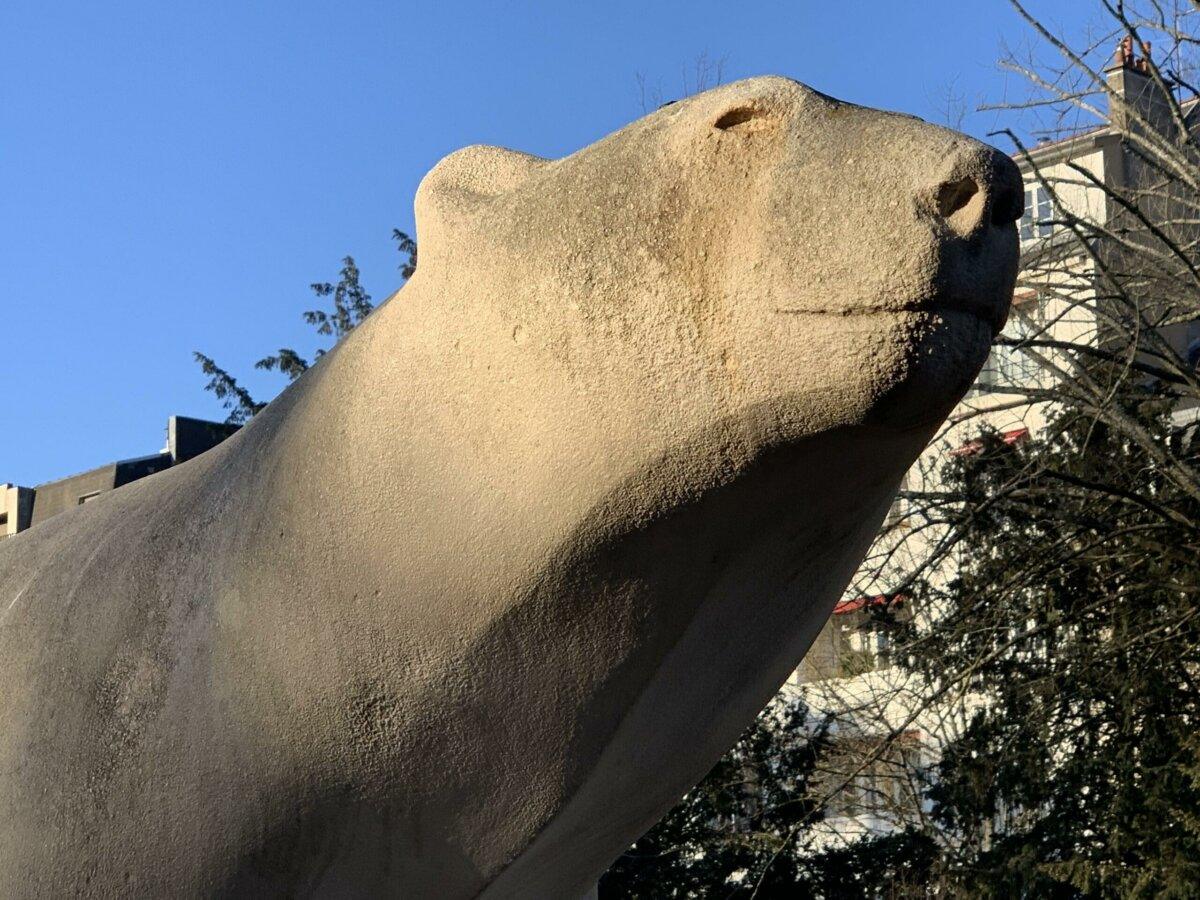
🦉 Owl Trail: 22 marked steps on the ground with bronze plaques to discover Dijon on foot (with three complementary loops to Rousseau, Zola, and the Champmol Charterhouse). Ideal for families!
Transport and access 🚆🚌🚲
- Train (TGV/TER): Paris-Gare de Lyon ↔ Dijon-Ville in about 1h35 on the best direct routes (TGV INOUI/TGV Lyria). Lines to Lyon, Besançon-Belfort, Nancy, Lausanne/Geneva (via connections).
- Road: motorway junction A6/A31/A36/A38/A39; eastern bypass facilitating access to business areas.
- Tram & bus (DiviaMobilités): 2 tram lines T1 (Station ↔ Quetigny Centre La Parenthèse) and T2 (Chenôve Centre ↔ Dijon Valmy), bus network (Lianes), bikes & park-and-ride facilities.
- Air: business/general use in Dijon-Longvic; major nearby airports: Lyon-Saint-Exupéry (~2h), Paris (TGV+RER), Basel-Mulhouse (~2h30).
- Soft modes: expanding cycling network, green corridors along the Ouche and Burgundy Canal.
Local life 🏫⚽🎭
As an administrative capital, Dijon offers a balanced quality of life: sports facilities (Gaston-Gérard stadium, sports palace), major cultural venues (Dijon Opera: Auditorium + Grand Theatre, Le Consortium, La Vapeur), libraries and media libraries. The school offer covers from kindergarten to grandes écoles, with a strong university hub (medicine, life sciences, oenology, law-economics-management). For events, the International and Gastronomic Fair livens up the autumn, in spring the Art Danse festival, not to mention temporary exhibitions and producers’ markets.
Local gastronomy: mustard (PGI), blackcurrant cream and kir, beef bourguignon, œufs en meurette, parsleyed ham, gougères, gingerbread… The International City links traditions and new culinary expressions. 😋
Real estate and urban planning 🏙️
The Dijon market stands out for softer prices than the major French metropolises, with differences depending on neighborhoods: heritage city center (Halles, rue de la Liberté, Antiquaires), Clemenceau-Drapeau sector, universities-CHU, Fontaine-d’Ouche, Grésilles, Toison d’Or, Montmuzard, Montchapet… The advantages: tramway, student offer, characterful old buildings and 1960-80 condominiums to renovate.
- Average prices (2025, indicative): around 2,500–3,100 € / m² for old apartments depending on neighborhoods; old houses frequently between 2,700 and 3,000 € / m² in the municipality, higher in the nearby residential crown.
- Indicative rents: median close to 17 € / m² for apartments, higher in studios/center, lower in the periphery.
- Trends: volumes declining in 2024-2025 with price adjustment; good opportunities for energy renovation (60-80 condominiums), and rarity of properties with terrace/parking in the city center.
🧭 Where to buy? Heritage and “all on foot”: Historic center, Antiquaires, Halles, Victor-Hugo. Good family compromise: Montchapet, Drapeau-Clemenceau, Universities (townhouses/gardens). Student rental investment: Montmuzard, CHU-Bocage, proximity to T1/T2.
Neighborhoods & walking ideas 🧡
- Historic center: Palace, Notre-Dame, pedestrian streets, Halles, museums → cafés & terraces.
- Parc de la Colombière: French-style alleys, toll pavilions, access via cours du Parc.
- Burgundy Canal: bike ride between locks and meadows, up to Lake Kir.
- Valmy & Toison d’Or: tertiary district and recent commercial hubs of the metropolis.
Practical information 📌
- Demonym: Dijonnais, Dijonnaises
- Codes: INSEE 21231 – ZIP 21000 – Prefecture of Côte-d’Or
- Markets: Halles (Tuesday, Friday, Saturday), producers depending on season
- Tourist Office: 11 rue des Forges (Dijon Bourgogne Tourism & Congress)
Useful links & sources
- Wikipedia – Dijon
- INSEE – Territory Comparator (Dijon 21231)
- Dijon Metropole Tourist Office
- UNESCO – Climats of the Burgundy Vineyard
- Dijon Metropole – Economic Attractiveness
FAQ – Dijon
What to visit in Dijon in 1 day?
Start with the Place de la Libération and the Palace of the Dukes (Museum of Fine Arts), follow the Owl Trail to the Halles, pass by Notre-Dame, then Jardin Darcy. Finish at the International City of Gastronomy and Wine for a tasting.
What is the population of Dijon?
The municipality has 159,941 inhabitants (INSEE 2022), with a surface area of 40.4 km² and a density of about 3,958 inhabitants/km².
How to get to Dijon?
By TGV from Paris-Gare de Lyon in about 1h35 on the best direct routes; by car via A6/A31/A36/A38/A39; TER connections with Lyon, Besançon, Chalon, Auxerre… On site, tram T1/T2, buses, bikes.
Which are the pleasant neighborhoods to stay in?
For “all on foot”: Historic Center (Halles, Antique Dealers), Victor-Hugo, Montchapet. For families: Drapeau-Clemenceau, Universities/CHU. For tight budgets: Fontaine-d’Ouche, areas of Grésilles near the tram.
What is the real estate price in Dijon?
2025 indication: €2,500–3,100 / m² for old apartments depending on neighborhoods; median rents around €17 / m². Check precise values by street via notaries and observatories.
Conclusion
Dijon combines heritage strength and art of living, backed by a world-renowned vineyard and supported by contemporary facilities. Its human scale, ease of mobility (tram, TGV), cultural density, and still affordable real estate market make it an attractive destination to live, study, or simply stroll. In the short term, the consolidation of the City of Gastronomy ↔ historic center axis, the revival of urban wastelands, and the acceleration of energy renovation will set the tone for an increasingly sustainable city. 🌿