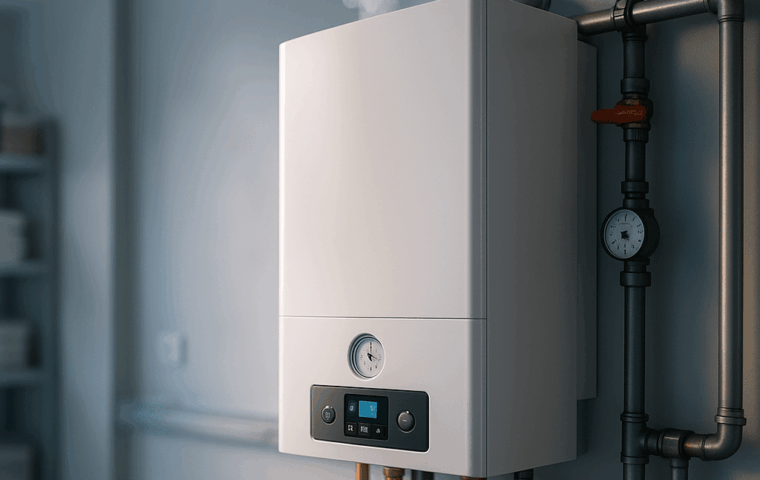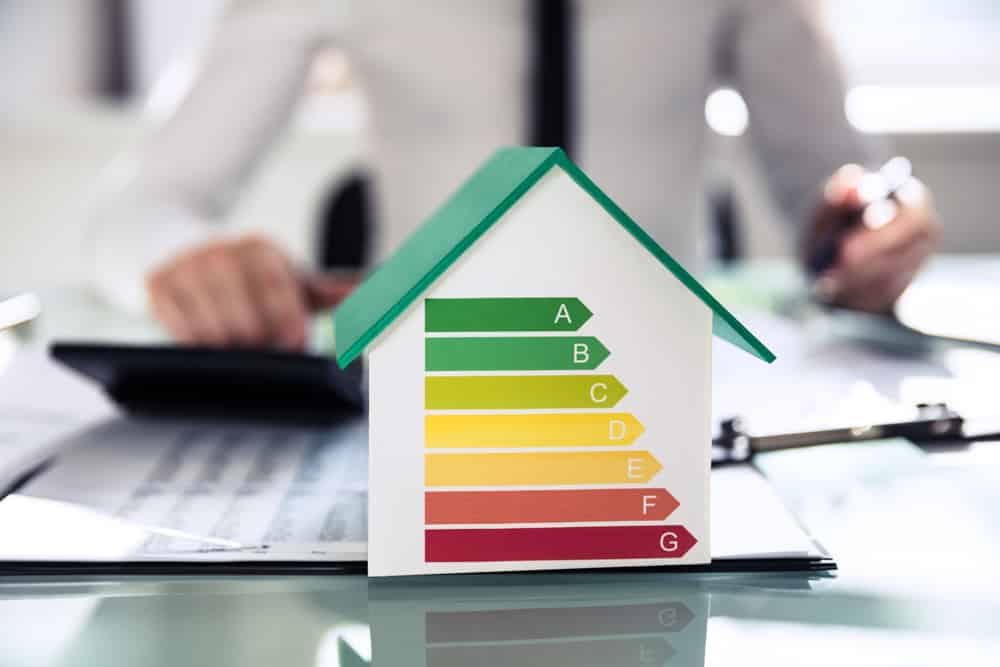
TL;DR: In 2025, low-carbon systems are favored: heat pumps (HP), photovoltaic solar for self-consumption, solar thermal, and pellet boilers. Key aids: MaPrimeRénov’ (per action or “major renovation”), CEE/Coup de pouce until 12/31/2025, eco-PTZ up to €50,000 (extended), reduced VAT at 5.5% on most efficiency works — and from October 1, 2025, 5.5% for PV ≤ 9 kWc. The choice should follow a logic “sobriety + insulation” → “heating/DHW” → “local electricity (PV)”.
Sommaire
Definition & 2025 context
“Energy installation” refers to equipment that heats, cools, ventilates, produces domestic hot water (DHW) and/or electricity in the home: air-water/air-air/geothermal heat pumps, biomass boilers (pellets), thermodynamic water heaters (TDWH), solar thermal, photovoltaic panels (PV), sometimes batteries, and charging stations for electric vehicles.
In France, the 2024-2025 electricity mix is very low carbon, which strengthens the interest in efficient electric solutions (HP, PV) and insulation; public aids strongly refocus budgets on energy renovation and decarbonized equipment (end of support for gas boilers, except special cases, and VAT raised to 20% for these boilers in 2025).
To remember: insulation first, efficient equipment next, then local electricity production (PV). This hierarchy maximizes gains and aids.
Why this choice is strategic
- Bill: a properly sized HP often reduces heating expenses by 30% to 60% compared to electric resistance or old boiler.
- Comfort: better efficiency in mid-seasons, stable hot water, connected control.
- Climate: shift to efficient electric uses in a national electricity system with very low emissions.
- Green value: a better-rated house (DPE) sells more easily and rents better.
Statistics & key figures
| Indicator | Indicative value 2024-2025 | Comment |
|---|---|---|
| Carbon intensity elec. FR (2024) | ≈ 21.3 gCO₂e/kWh | Historically low level; favorable to efficient electric uses. |
| PV self-consumption aid (≤ 9 kWc) | ≈ €80/kWc (Q3 2025) | Paid over 5 years; amounts revised quarterly. |
| PV surplus buyback rate ≤ 9 kWc | ≈ €0.04/kWh (mid-2025) | Set by decree S21, evolving quarterly. |
| Eco-PTZ | Up to €50,000 | Extended until 12/31/2027, ideal to smooth out remaining costs. |
| Energy works VAT | 5.5% (energy renovation) | Fossil boilers: 20% in 2025; PV ≤ 9 kWc at 5.5% from 10/01/2025. |
Overview of installations (advantages, disadvantages, costs)
1) Air-to-water heat pump (PAC)
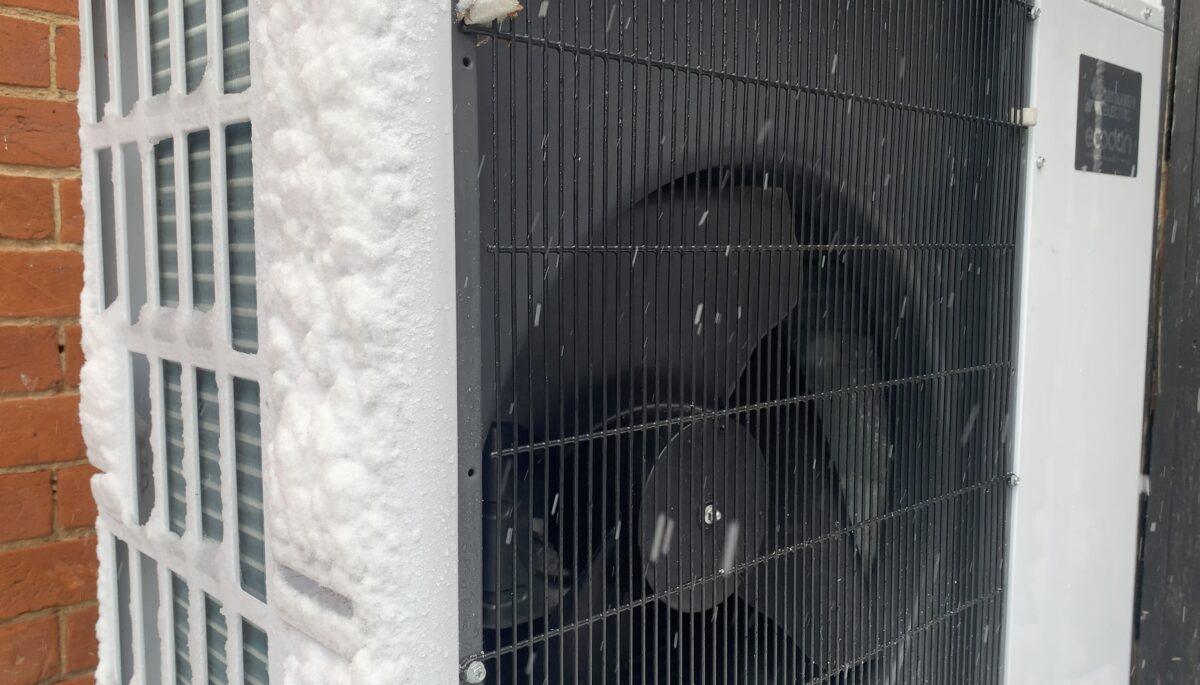
- Pros: 1 kWh electric → 2.5 to 4 kWh heat (SCOP); compatible with underfloor/central heating; high subsidies; controllability.
- Cons: performance depends on insulation and emitters; noise and location of outdoor unit; RGE certification strongly recommended.
- Installed heat pump price: approx. €10,000 to €16,000 including tax (standard house, excluding complex cases). Variations depending on power, brand, acoustic attenuation.
2) Air-to-air heat pump (reversible air conditioning)
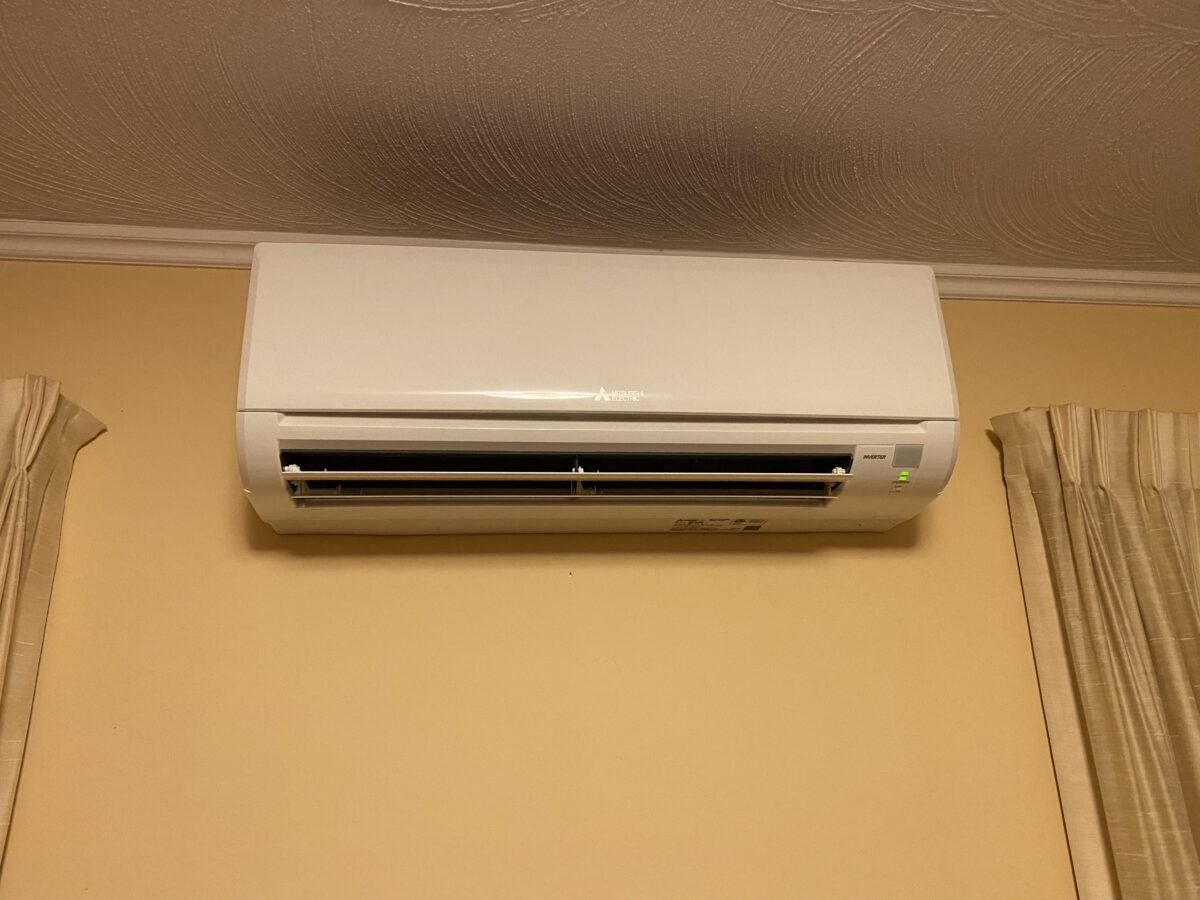
- Pros: moderate investment; good for living rooms and supplementary heating; summer cooling.
- Cons: does not connect to radiators; domestic hot water not covered; public subsidies more limited than air-to-water.
- Installed price: approx. €2,000 to €8,000 including tax (single/multi-split, treated area).
3) Geothermal heat pump (ground-water, water-water)
- Pros: very high stable efficiencies; silent; longevity.
- Cons: excavation/drilling; high investment; land and permits.
- Installed price: approx. €18,000 to €30,000 including tax (horizontal collectors); more with vertical probes.
4) Pellet boiler (biomass)
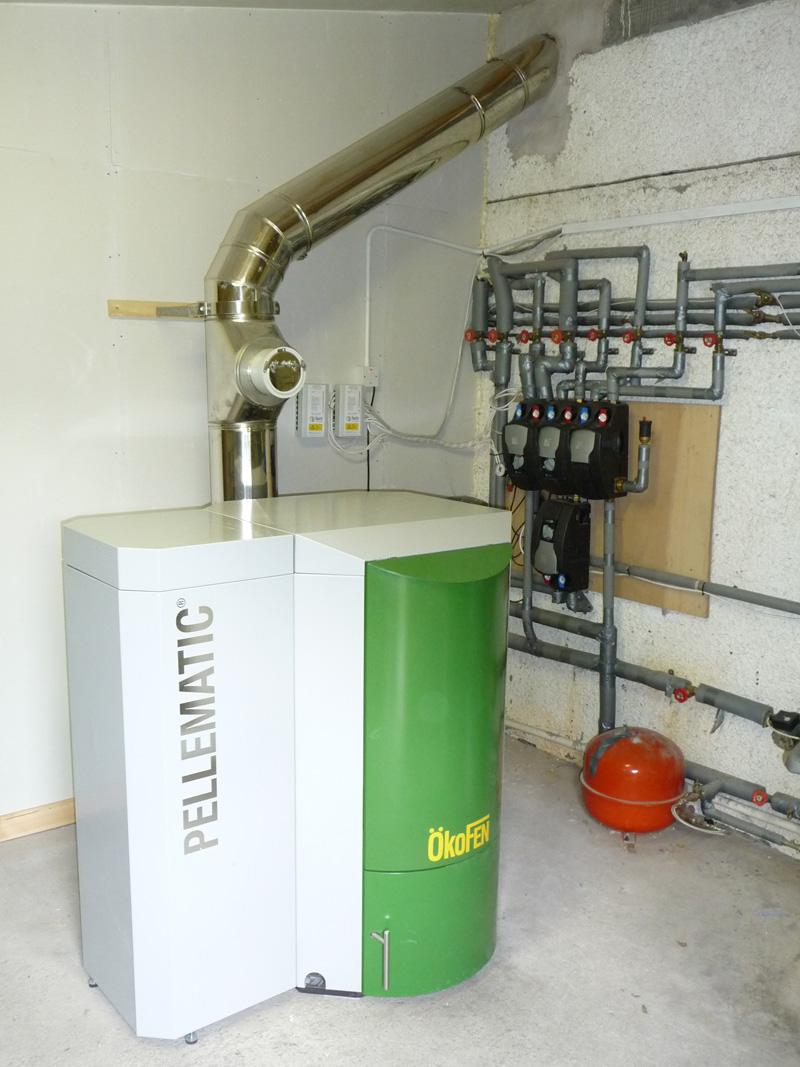
- Pros: renewable fuel; very good efficiency; eligible for subsidies (per action/major renovation, EEC).
- Cons: pellet logistics (delivery/storage), ash/cleaning; fuel price variable.
- Installed price: approx. €12,000 to €18,000 including tax (depending on silo, hydraulics).
5) Thermodynamic water heater (CET)
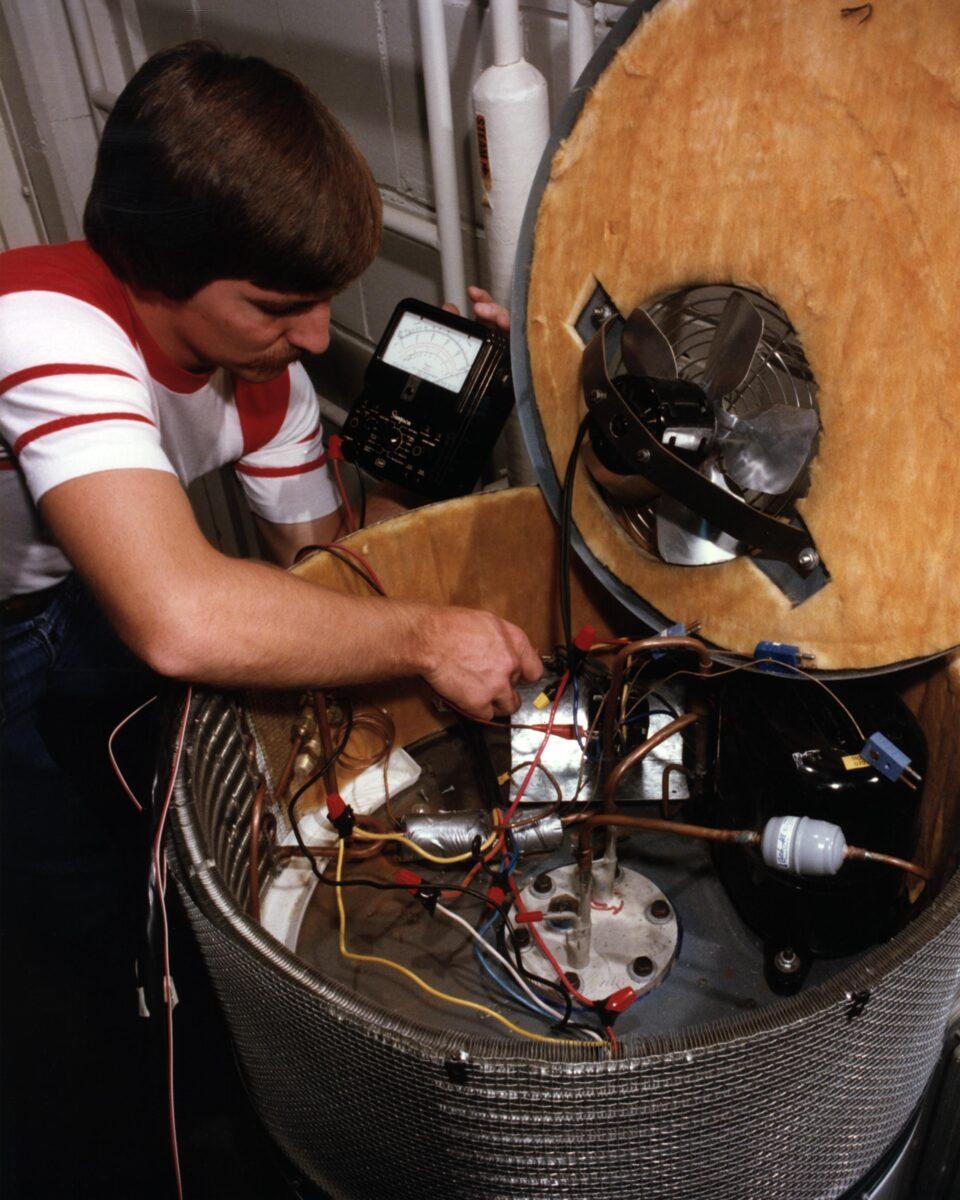
- Pros: 1 kWh electric → 2 to 3 kWh of DHW; substantial savings vs. electric tank; incentives available.
- Cons: noise and air renewal; performance depends on location (garage, pantry).
- Installed price: approx. €2,000 to €4,500 including tax.
6) Solar Thermal (DHW/SSC)
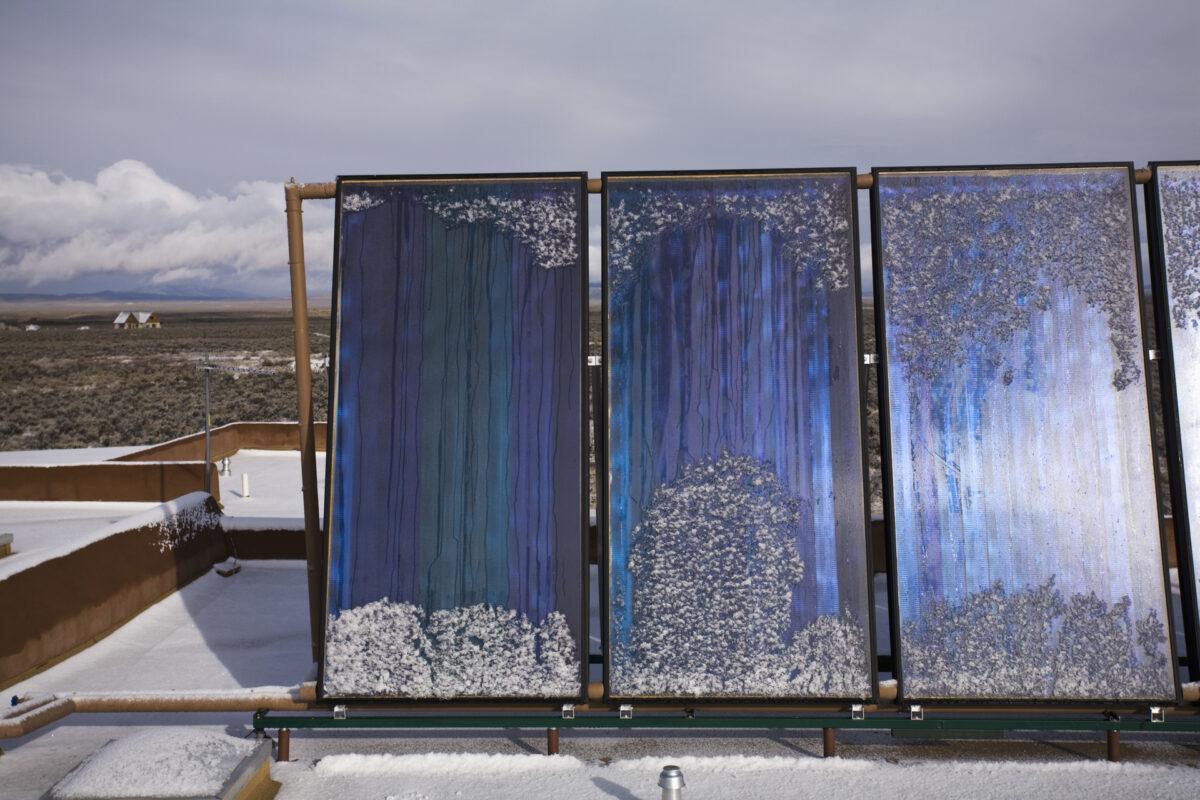
- Pros: high DHW coverage; limited maintenance; can be coupled with boiler or heat pump.
- Cons: seasonal production; investment/non-electric (compared to PV + thermodynamic water heater); useful surface area.
- Installed price: DHW 4,000–7,000 € including tax; SSC 10,000–16,000 € including tax.
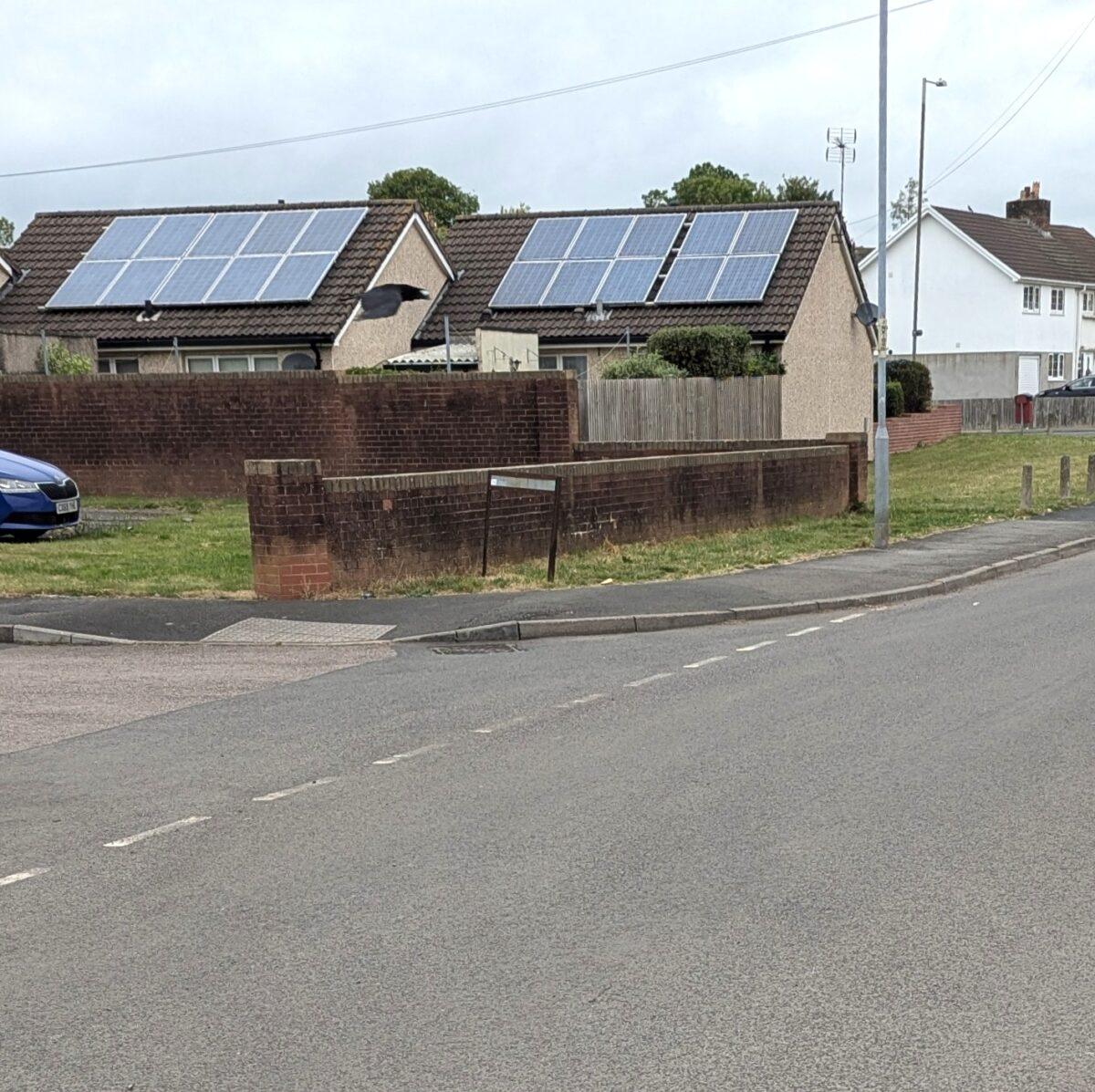
7) Photovoltaic (PV) self-consumption + surplus sale
- Pros: lasting bill reduction; investment bonus (paid over 5 years); surplus purchase tariff; low maintenance.
- Cons: daytime/summer production; shading/architecture; inverter replacement at 10-15 years.
- Installed price (approximate): 3 kWc: €5,000–7,000; 6 kWc: €9,000–12,000; 9 kWc: €12,000–16,000.
8) Domestic battery (optional)
- Pros: increased self-consumption; partial backup; grid services (depending on offers).
- Cons: still high cost; no dedicated national aid; interest varies by profile.
- Installed price: approx. €5,000–10,000 for 5–10 kWh usable.
9) Control & connected thermostat
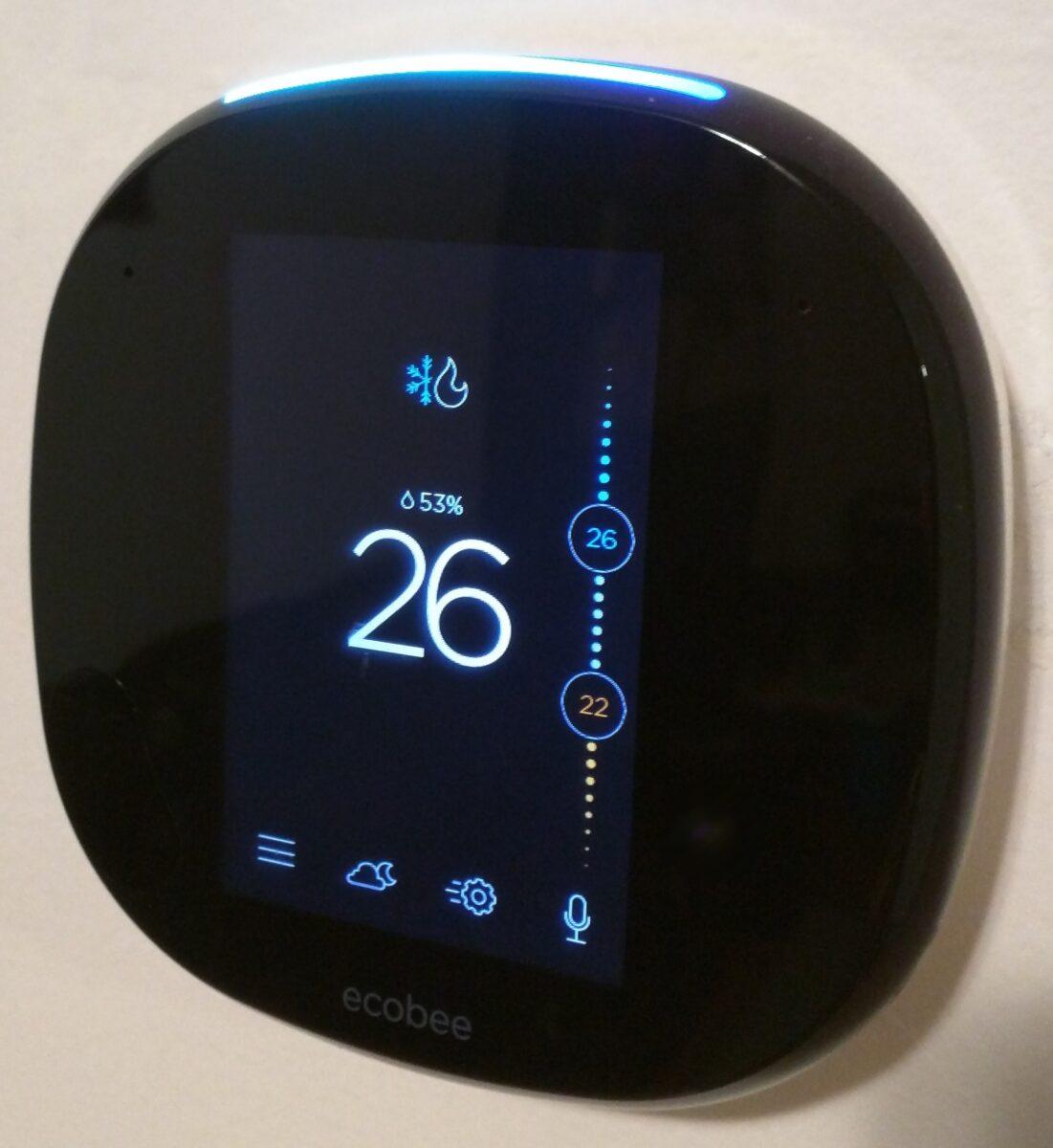
- Pros: savings + comfort; consumption monitoring; home automation integration.
- Cons: compatibility; requires reliable Wi-Fi.
- Price: 150–400 € + installation (depending on the case).
Important 2025: Gas boilers are no longer subsidized (MaPrimeRénov’/CEE) and their installation is now subject to 20% VAT. In co-ownership, their public funding is stopped (except transitional if AG ≤ 06/30/2025 and submission ≤ 09/30/2025), and even then the cost of the boiler is not covered.
Aid & subsidies 2025 (France)
1) MaPrimeRénov’ — two pathways
- By action: finances insulation, decarbonized equipment (air-water/geo heat pumps, biomass, DHW tank, solar thermal), ventilation… Amount depends on income/works.
- Major renovation (accompanied pathway): coverage as a percentage of bundles allowing a gain of 2 to 4 DPE classes, with mandatory My Renovation Advisor. Advances possible for low-income households. (Note: platform temporarily closed from 06/23/2025 to 09/30/2025 for rule updates.)
2) CEE & “Heating Boost”
Bonuses paid by energy suppliers for standardized works (heat pumps, biomass, combined solar, connection to a renewable heat network…). The “Heating Boost” incentives are extended in 2025 (application until 12/31/2025, completion until 12/31/2026).
3) Eco-PTZ (zero-interest eco-loan)
Up to €50,000 zero-interest loan to finance the remaining cost of your energy renovation works, extended until 12/31/2027. Can be combined with MaPrimeRénov’, particularly useful for comprehensive renovation.
4) Reduced VAT
- 5.5% for energy renovation works (insulation, heat pumps, DHW tank, solar thermal, etc.) in a dwelling older than 2 years.
- New PV rule: from October 1, 2025, PV ≤ 9 kWc benefits from a 5.5% rate (instead of 10%).
- Fossil boilers: 20% in 2025.
5) Photovoltaic solar — bonus & surplus buyback
- Self-consumption bonus (paid over 5 years): tranche ≤ 9 kWc around €80/kWc in Q3 2025 (changes quarterly).
- Surplus buyback: mid-2025 order of magnitude of €0.04/kWh (≤ 9 kWc); €0.0731/kWh (9–100 kWc). Total sale is no longer supported ≤ 9 kWc since 03/28/2025.
Aid memo: always use a France Rénov’ simulator, compare your RGE quotes, check the quarterly decrees for PV, and activate the eco-PTZ to smooth financing.
Concrete examples (orders of magnitude)
Case #1: Well-insulated 100 m² house (temperate zone)
- Goal: replace convectors + electric water heater.
- Solution: 8 kW air-water heat pump + 200 L DHW tank + 3 kWc PV.
- Investment. : ~ €10–16k (CAP) + €2–4.5k (CET) + €5–7k (PV).
- Assistance : MPR per action (CAP/CET), EEC, PV bonus, VAT 5.5% (and 5.5% PV ≤ 9 kWc from 10/01/2025), possible eco-PTZ.
Case #2: Replacement of oil boiler (cast iron radiators)
- Solution : Pellet boiler + compact silo, or high-temp air-water heat pump depending on emitters.
- Investment. : €12–18k (pellets) or €12–18k (HT heat pump + adaptations).
- Assistance : abundant MPR/EEC for biomass/heat pumps; VAT 5.5%; eco-PTZ.
Case #3: Expensive DHW + little roof space
- Solution : CET alone (without solar).
- Investment. : €2–4.5k; assistance per action depending on income.
Need to estimate a real estate budget in parallel? Check our analyses how much a 100 m² house costs and our 2025 solar panel guide.
Tools, checklist & alternatives
6-step checklist
- Audit/diagnosis (DPE or energy audit) to prioritize insulation.
- Sizing : heat losses, emitters, supply temperatures, noise, locations.
- Compared RGE quotes (minimum 2–3) + verification of insurance & references.
- Assistance : MaPrimeRénov’ simulation, EEC, eco-PTZ, VAT, PV bonus.
- Control : connected thermostat, load shedding, DHW programming.
- Monitoring : load curve, consumption readings, annual maintenance.
Additional solutions
- Hygro/DF ventilation : healthy air and thermal gains.
- Renewable heat network if available.
- Domestic charging station (favor off-peak hours and PV control).
Trends & developments 2025-2027
- MaPrimeRénov’ : continued refocusing on large-scale renovations (accompanied process) with adjusted ceilings and capping rates.
- PV : bonus and purchase tariffs reviewed quarterly; VAT 5.5% ≤ 9 kWc from 10/01/2025.
- Low-carbon electricity : historically low emissions in 2024 − favorable trend maintained.
- Fossil boilers : end of aid, VAT 20% confirmed.
FAQ — Home energy installation 2025
What is a “good” energy installation in 2025?
One that combines high-performance insulation, low-carbon generation (heat pump, biomass), optimized DHW (DHW tank/solar thermal) and PV self-consumption at the right scale, with control.
What are the advantages of an air-to-water heat pump vs. a gas boiler?
Up to 2.5–4 kWh of heat for 1 kWh of electricity, substantial public subsidies, very low emissions via the French energy mix, elimination of fuel deliveries, connected control. In 2025, gas boilers are no longer subsidized and their VAT rises to 20%.
How much does a domestic PV kit cost?
For integrated-roof or overlay installation: approx. €5–7k (3 kWp), €9–12k (6 kWp), €12–16k (9 kWp). Self-consumption premium (paid over 5 years) and surplus buyback improve the equation. Amounts vary quarterly: check the current scale.
What subsidies are available for a “global” renovation?
MaPrimeRénov’ — accompanied pathway finances a % of the work (gains of 2 to 4 classes), with My Renovation Advisor and eco-PTZ up to €50,000 to smooth out the remaining cost. Possible to combine with Energy Savings Certificates (CEE).
Is a battery necessary with PV panels?
No. In 2025, self-consumption with surplus sale is often the most profitable for individuals. The battery provides comfort (backup/optimization), but the decision mainly depends on your consumption profile.
What solutions are there for DHW?
DHW tank (€2–4.5k) for immediate gain, solar thermal for high summer coverage, or heat pump with DHW module depending on configuration. All three can be subsidized.
What happens to the gas boiler?
It is no longer subsidized (MaPrimeRénov’/CEE) and is subject to 20% VAT in 2025. In co-ownership, funding is stopped, with a short transitional period for already approved projects.
Sources & useful links (official and specialized)
- ANAH — Financial aid in 2025 (March 2025 edition, MPR rules, VAT, gas boilers, advances, etc.): PDF.
- Service-Public — MaPrimeRénov’ (platform info and 2025 calendar): F35083.
- Économie.gouv — MaPrimeRénov’ extensive renovation (accompanied pathway): official sheet.
- France Rénov’ — MaPrimeRénov’ extensive renovation: aid page & My Renovation Advisor: find a MAR.
- Service-Public — Eco-PTZ: conditions 2025-2027.
Conclusion
In 2025, the winning combo for a typical single-family home is: insulation + suitable heat pump + optimized domestic hot water + self-consumption PV, all finely controlled. Public subsidies (MaPrimeRénov’, CEE, eco-PTZ, 5.5% VAT) make these paths more accessible, while taxation/rules gradually exclude fossil fuel solutions.
Next step: have an audit carried out, collect 2–3 RGE quotes, and simulate your subsidies. Need a benchmark for the overall budget of your real estate project? Take a look at our internal files: cost of a 100 m² house and PV guide 2025.