Clinging to the first foothills of the Préalpes d’Azur and facing the Mediterranean, Grasse has built its reputation on a unique expertise: perfumery. Between medieval alleys, dyers’ houses, flower fields, and historic perfume houses, the city combines heritage, creative industry, and a gentle way of life. Here is the most comprehensive and actionable guide to visiting, understanding, and settling in Grasse in 2025.
In brief:
- Grasse has 48,669 inhabitants (2022) and remains the French cradle of perfumery.
- Must-sees: MIP, workshops at Fragonard/Molinard/Galimard, old town, cathedral, MIP Gardens. 🌸
- Events: ExpoRose in May and Jasmine Festival in early August.
- Access: direct TER Grasse–Cannes–Nice, Sillages bus network, A8 via the D6185 bypass.
- Real estate: around €3,500–4,100/m² for apartments, ~€4,600/m² for houses depending on areas.
Sommaire
Geography and location: balcony on the French Riviera
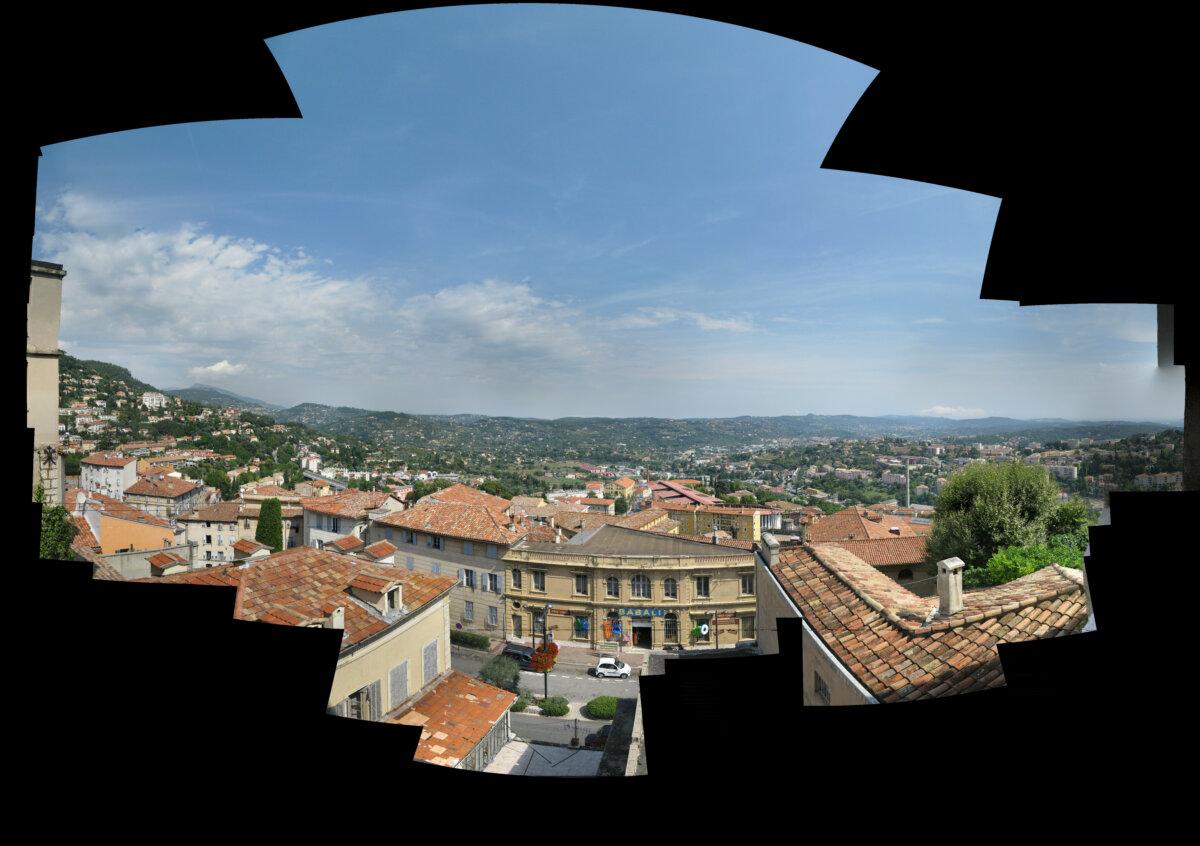
Grasse is located in the Alpes-Maritimes department, in the Provence-Alpes-Côte d’Azur region, about 15 km north of Cannes and 30–35 km from Nice. Its municipal territory (≈ 44.4 km²) stretches from the valley floor up to the hills overlooking the sea, with a Mediterranean climate tempered by altitude: hot but breezy summers and mild winters. This vantage point has long protected the floral crops (centifolia rose called “May rose,” jasmine, tuberose, violet, mimosa) from sea spray and the coastal heat extremes, while offering quick access to ports and coastal markets.
The topography explains the urban fabric: compact old center, narrow alleys and tall houses to keep cool, tiered suburbs towards the train station and business areas, hamlets (Plascassier, Le Plan…) and agricultural lands on the outskirts. The relief also imposes specific logistics for daily mobility, ensured by bus lines along ridges and valleys and by a TER on a controlled incline up to the Grasse terminus.Note: Grasse is a sub-prefecture of the department. It belongs to the Communauté d’agglomération du Pays de Grasse (CAPG, 23 municipalities), of which it is the economic and administrative center.
History and heritage: from tanneries to the empire of scents
In the Middle Ages, Grasse prospered thanks to tanneries and glove-making. To mask the strong odors of leather, artisans perfumed gloves and skins: the leather-perfume combination flourished from the 16th-17th centuries. The city gradually turned to distillation and enfleurage of local flowers. In the 19th century, the industrial revolution established factories, mills, and soapworks. In the 20th century, aroma and concentrate engineering became dominant, while the Grasse houses supported the world’s great perfumes.
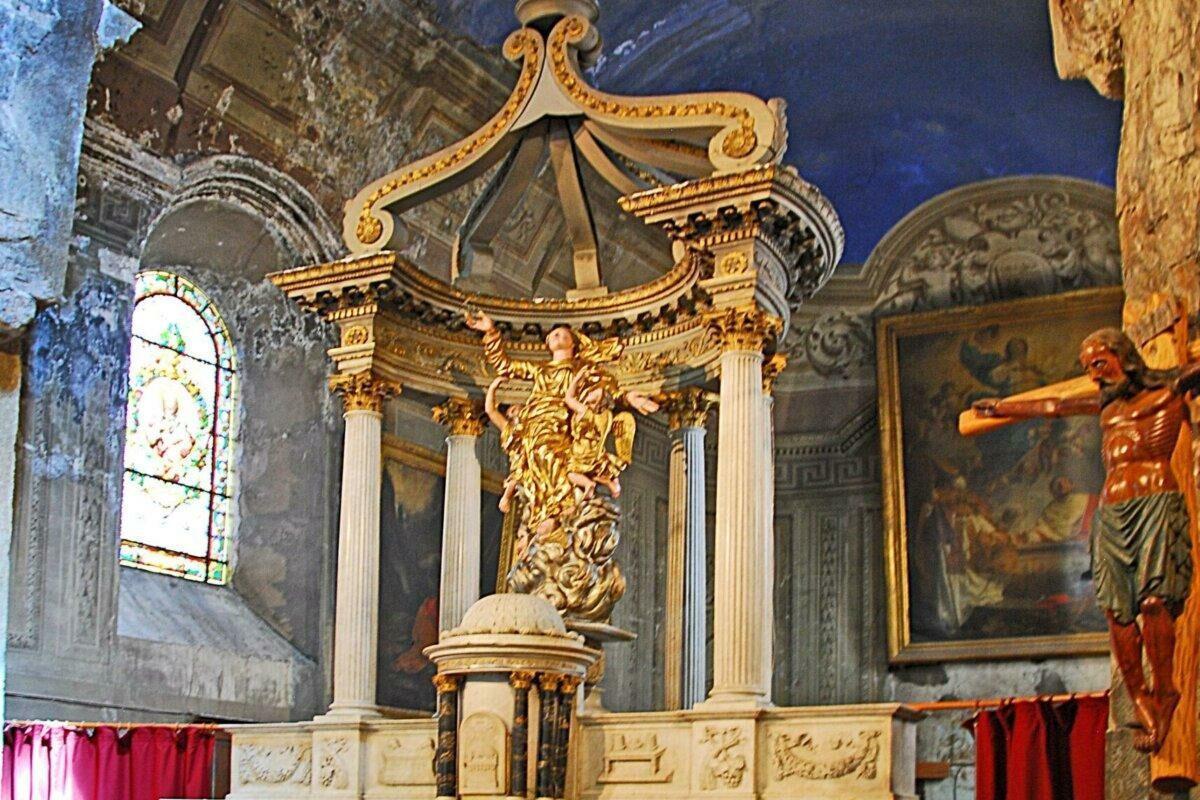
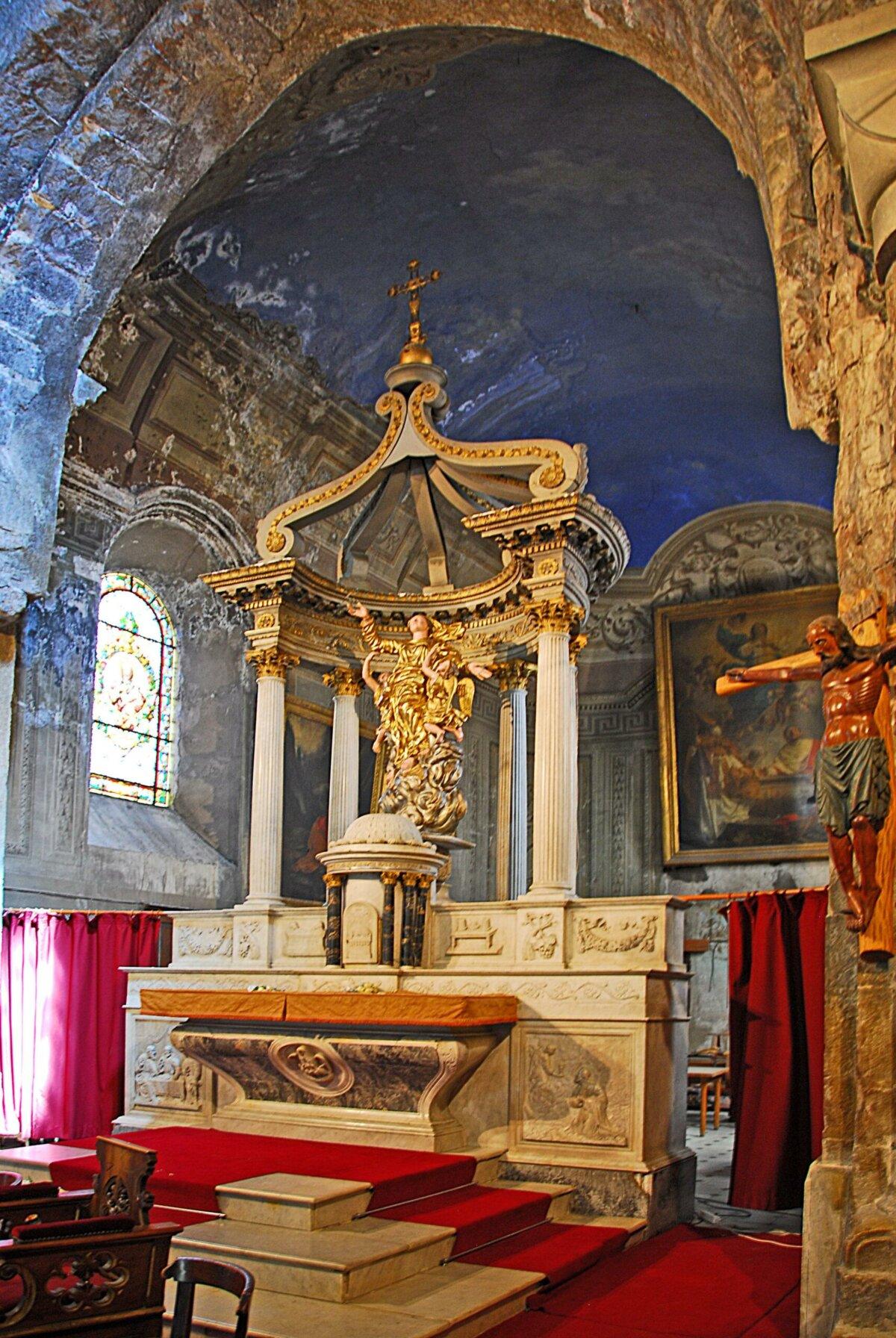
This historical continuum was recognized in 2018: the know-how related to perfume in the Pays de Grasse – cultivation of the perfume plant, processing of materials, and the art of composition – are inscribed on the UNESCO Intangible Cultural Heritage list. The old town preserves shaded squares (Place aux Aires and its fountain), mansions, vaulted passages, and converted workshops. The Notre-Dame-du-Puy Cathedral (13th century) houses works attributed to Rubens and Baroque altarpieces, reflecting the wealth of the chapter and the confraternities.
Population and Demographics: A Central City with Controlled Growth
Grasse has 48,669 inhabitants according to the 2022 Census (INSEE) with approximately 21,027 households. The municipal density is around ~1,100 inhabitants/km² given an area of 44.4 km². The age structure is balanced, with an active base supported by the perfume/aroma sectors, commerce, and services, and a significant share of family households. The employment basin extends towards Cannes, Mougins, Antibes-Sophia, and Nice, which encourages daily commuting by regional trains and buses.
| Indicator (municipality) | Value | Reference |
|---|---|---|
| Municipal population | 48,669 inhabitants | INSEE, 2022 Census |
| Households | 21,027 | INSEE, 2022 Census |
| Area | 44.4 km² | INSEE |
| Density | ≈ 1,096 inhabitants/km² | Calculation based on INSEE data |
Economy and Employment: Perfumes, Aromas, and Industrial Know-How
The perfume-aroma complex structures the economy of Grasse: extraction of natural raw materials, fine chemistry, olfactory creation, packaging, and logistics. Robertet, a listed group and a global player in natural raw materials, has its headquarters in Grasse and reports a turnover exceeding €800 million (2024). Alongside it, a dense network of historic houses (Fragonard, Molinard, Galimard), equipment manufacturers, glassmakers, packagers, and laboratories supports a complete value chain: from flower to concentrate, then from concentrate to finished perfume.
Local and regional public policies have strengthened this asset with the former competitiveness cluster PASS (Perfumes, Aromas, Scents, Flavors), now converging within Innov’Alliance, and specialized training such as the Grasse Institute of Perfumery (GIP). The sector, fueled by industrial tourism (museums, workshops, shops), creates direct and induced jobs in commerce, hospitality, and urban services. The ecosystem is opening up to transitions: sustainable circuit perfume agriculture, green solvents, traceability, IFRA requirements, CSR certifications.Landmarks: Robertet (headquarters, 37 av. Sidi Brahim), Fragonard/Molinard/Galimard houses (visits and workshops), CAPG and Sillages network for urban services, Innov’Alliance cluster for agro-cosmetic innovation.
Tourism and Culture: 5 Must-Do Experiences 🌿
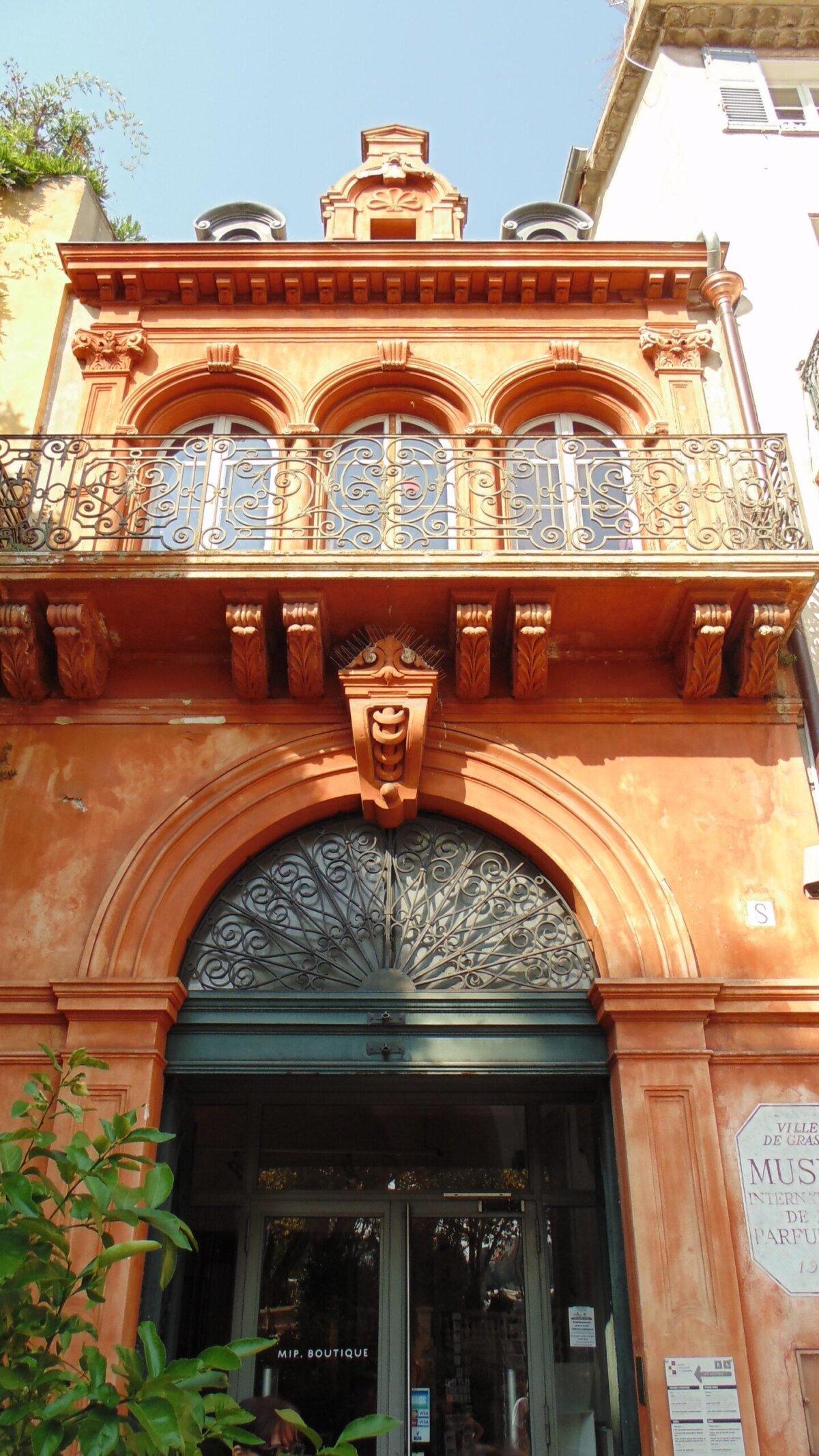
- International Perfume Museum (MIP): unique collections on olfaction, extraction methods, and the history of perfumes worldwide. Ticketing and temporary exhibitions throughout the year.
- Workshops & factory visits: guided tours and mini-workshops at Fragonard, Molinard, Galimard. A playful educational approach to understand the formula and leave with your creation.
- Old town: Place aux Aires, medieval alleys, vaulted passages, arcaded houses, ramparts and viewpoints. Ideal early in the morning or late in the day.
- Notre-Dame-du-Puy Cathedral: Romano-Provençal architecture, baroque altarpieces, works attributed to Rubens.
- MIP Gardens (Mouans-Sartoux): a living conservatory of the region’s fragrant plants, following the seasons and harvests.
Key Events
- ExpoRose: the town carpeted with thousands of roses, floral creations and activities, generally in May (2025 edition: May 8–11).
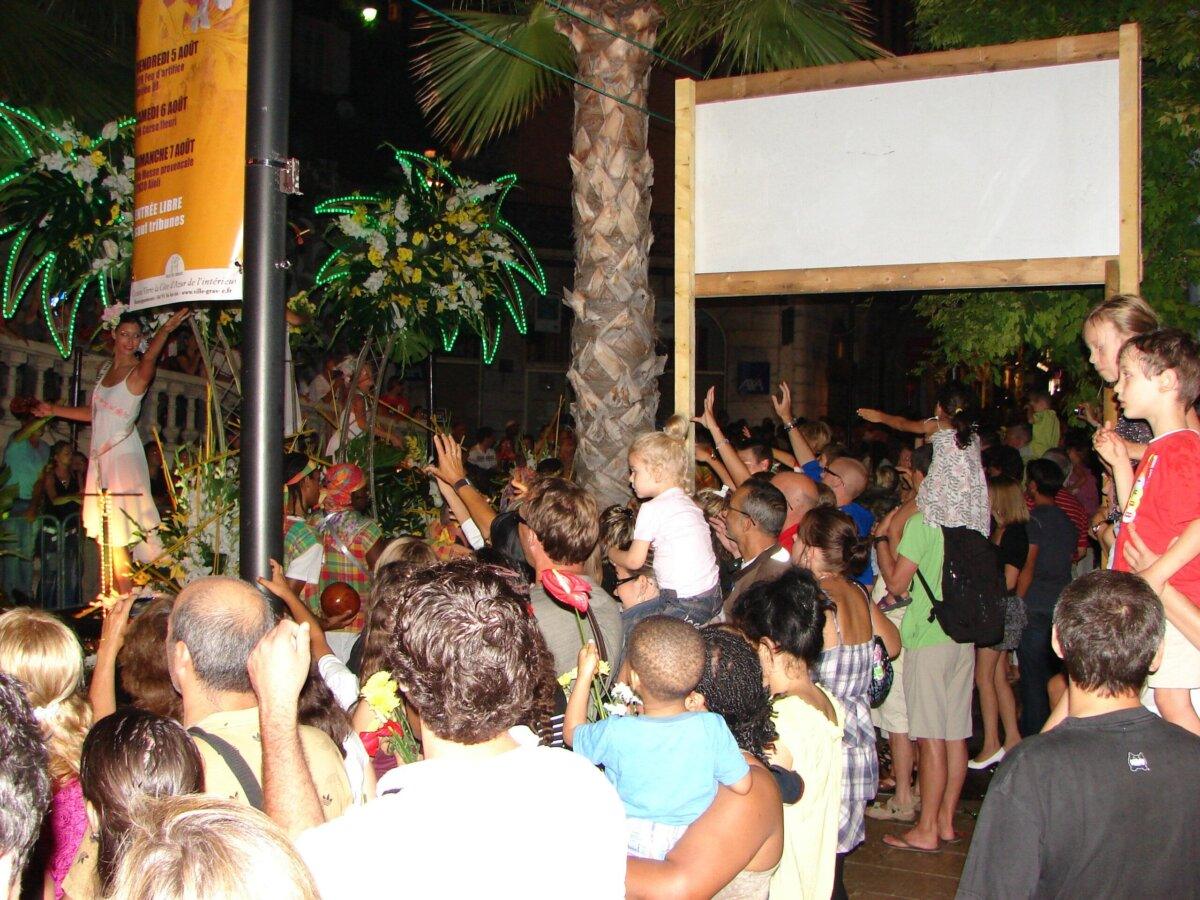
- Jasmine Festival: flower parades, shows and celebrations around the totem flower, the first weekend of August (2025: August 1–3).
Local specialties and lifestyle
The culture of Grasse blends Provençal traditions and olfactory identity. On the plate, you taste the Grasse fougassette (a light brioche flavored with orange blossom), petits farcis, pissaladière, and more broadly, cuisine with thyme, olive and citrus from the Riviera. At the markets, the squares are colored with herbalism and local products. The historic perfumeries extend this “gastronomy of the nose” with lines inspired by the May rose, grandiflorum jasmine and local essences.
Transport and access: coming and getting around easily
By train
The Grasse station is the terminus of the TER line Grasse–Cannes–Nice–Ventimiglia, reopened to passenger traffic in 2005. Regular trains connect Cannes in ≈ 20–25 min with connections to Antibes, Nice, Monaco and Italy.
By bus and mobility
The CAPG operates the Sillages network: main lines A to G, complemented by urban and school lines, interchange hub near the SNCF station, connections with the ZOU! (Southern Region) and Palm Bus (Cannes) networks. Recent developments strengthen the offer and the progressive electrification of the fleet.
By car
Quick access via the D6185 called the “penetrating road” from the A8 (Cannes interchanges); network of departmental roads towards Saint-Vallier, Cabris, Châteauneuf, Valbonne and Mougins. Parking available in downtown (CRESP) and peripheral lots.
From the airport
The Nice Côte d’Azur airport is the main air access (TER connection via Nice or road via A8). Allow for a simple TER+TER connection or road depending on the chosen route.
Local life: education, sports, events 📚⚽
Grasse offers educational opportunities from primary to higher education. The Institut Fénelon (multi-level campus) and public high schools provide general and technological tracks. For perfume professions, the Grasse Institute of Perfumery (GIP) offers intensive courses and professional workshops open internationally. The associative life is vibrant: sports clubs, musical societies, art workshops, shared gardens.
On the sports side, the Racing Club Pays de Grasse competes in national championships, with facilities at the La Paoute stadium and several complexes. The cultural programming combines museum seasons (MIP, MAHP, Villa-musée Fragonard), exhibitions, festivals, and heritage events (European Heritage Days).
Real estate and urban planning: prices, neighborhoods, trends 🏡
The Grasse real estate market remains more accessible than the Cannes coastline, with strong heterogeneity depending on neighborhoods, altitude, and view. In 2025, major portals indicate apartments around €3,500–4,100/m² and houses around €4,600/m², with sensitive ranges depending on condition, parking, outdoor space, old charm or contemporary villa. The old center offers spaces to renovate or already rehabilitated; Plascassier and Le Plan concentrate family houses and more direct access; the panoramic hills pull the top of the market.
| Type | Indicative price level | Comments |
|---|---|---|
| Apartment | ≈ €3,500–4,100/m² | Significant gap depending on condition and parking |
| House | ≈ €4,600/m² | Garden, view, and pool highly valued |
Trends: energy rehabilitation of old buildings, rise of “active” primary residences with teleworking, lasting appetite for outdoor spaces, high-end micro-market in the hills. Urban planning documents encourage reasoned densification around mobility hubs and protection of agricultural areas linked to perfume plants.
Itineraries and visit ideas: effective 24–48 h
Day 1
- Morning: old Grasse, cathedral, Place aux Aires, viewpoints.
- Afternoon: MIP + visit historic factory (Fragonard/Molinard/Galimard) + introductory workshop.
- Evening: Provençal dinner, refreshing stroll in the alleys.
Day 2
- Morning: MIP Gardens (bloom season) and nearby villages (Mouans-Sartoux, Cabris).
- Afternoon: short hikes to the Siagne canal, or TER descent to Cannes/Antibes.
Practical advice
- Period: May-June for the blooms (ExpoRose), early August for the Jasmine Festival. Spring and autumn offer the best light and pleasant temperatures.
- Mobility: prioritize TER + walking for the old town center. The intermodal hub is adjacent to the station.
- Museums/workshops: book creative workshops during the high season. Factory tours are often free and guided.
- Shopping: compare concentrations and formats. Ask about the origin of natural materials and CSR commitments.
UNESCO key figure: in 2018, the perfume know-how in the Pays de Grasse was inscribed on the Intangible Cultural Heritage of Humanity, recognizing the chain “plant → material → composition” and the communities that transmit it.
Conclusion: Grasse, between the memory of flowers and future innovations
Grasse composes a unique accord: a heritage of workshops and terroir, a creative industry oriented towards the world, and a landscape city reinventing itself through culture, mobility, and sustainable transition. Whether you come for a day, a weekend, or a life project, the perfume city offers a rare field of exploration where history, know-how, and the gentle spirit of the Côte d’Azur respond to each other.
FAQ
What is the best time to visit Grasse?
Spring and early summer for the blooms (May-June). ExpoRose in May, Jasmine Festival the first weekend of August. Autumn is bright and quieter.
Can you create your own perfume in Grasse?
Yes. The Fragonard, Molinard, and Galimard houses offer discovery and composition workshops, accessible to beginners, by reservation in high season.
How to come without a car?
Direct TER Grasse–Cannes–Nice from Grasse station. Sillages urban network for local connections. ZOU! regional connections for the valley and neighboring municipalities.
How much do museums and visits cost?
The MIP is paid according to current rates. Factory tours at Fragonard, Molinard, and Galimard are generally free; workshops are paid according to the formula.
Which neighborhoods to target for settling?
Old town center for authenticity and shops, Le Plan and Plascassier for family homes, hills for views and calm. Check access, parking, and exposure.