Montpellier is a dynamic Mediterranean metropolis: a historic university center, a cultural hub, and a gateway to the sea and nearby natural areas. This extensive and sourced guide offers recent figures, a timeline, a practical itinerary, and a FAQ to prepare a visit or enrich a reference page.

Sommaire
Introduction
Located in the immediate vicinity of the Mediterranean Sea, Montpellier developed around a medieval core and a university founded in the Middle Ages. Today the city combines ancient heritage (historic center, Promenade du Peyrou) and contemporary neighborhoods (Antigone), with a strong student and tourist appeal. The demographic and heritage data cited below come from INSEE, the official tourism office website, and local documentary resources.
Geography and climate
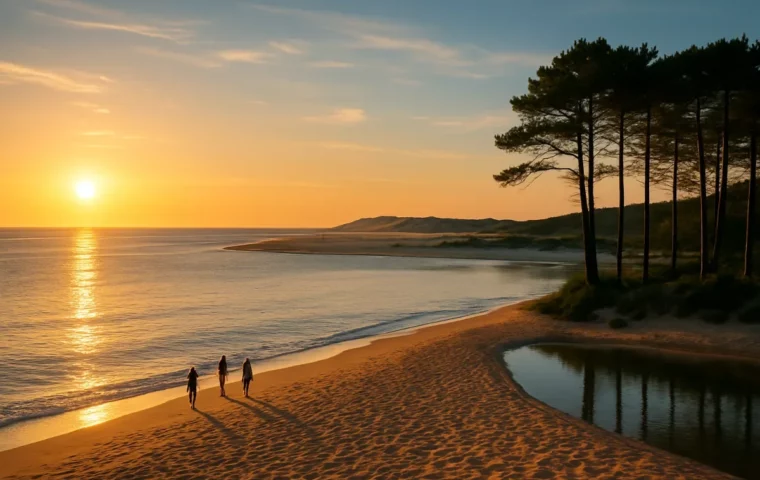
Montpellier is located in Languedoc, west of the Gulf of Lion, and stretches over a plain near coastal lagoons. Its proximity to the Mediterranean gives it a typically Mediterranean climate: hot and sunny summers, mild winters, and intense rainy episodes in autumn linked to Mediterranean weather phenomena. These characteristics have implications for seasonal tourism and risk management (occasional flooding).
History — timeline and key dates
Montpellier has existed since at least the 10th century and its university, founded in the Middle Ages, contributed to its renown (notably in medicine). The city has experienced several phases: medieval expansion, commercial and textile period, then modernization in the 19th and 20th centuries. The Peyrou district and the Promenade (equestrian statue of Louis XIV) bear witness to major royal and urban milestones. For a detailed timeline, see the “resources” section at the end of the article.
| Landmark | Date / Value |
|---|---|
| First mentions | 10th century (medieval development) |
| University of Montpellier | Middle Ages (11th–12th c., recognized medical school) |
| Municipal population (INSEE) | ≈ 307,000 (municipal population 2022). |
| Climate | Mediterranean (Csa) |
Demographics, economy and dynamism
The municipal population of Montpellier is around 300–310k inhabitants according to the 2022 INSEE series; the urban area gathers several hundred thousand people, reinforcing the city’s role as a regional hub. Montpellier is also strongly marked by its student population (high number of students) and by the presence of health activities, higher education, research, and technology.
The local economy has evolved from textiles and commerce towards services, health, research (biotech, health), and a tourism sector supported by the coastline and cultural events (festivals, congresses). These trends impact the real estate market and planning policies.
Heritage, neighborhoods and museums
Among the must-sees:
- Place de la Comédie and the Opera; pedestrian heart and starting point for visits.
- Promenade du Peyrou (equestrian statue, viewpoints) — panorama of the surroundings.
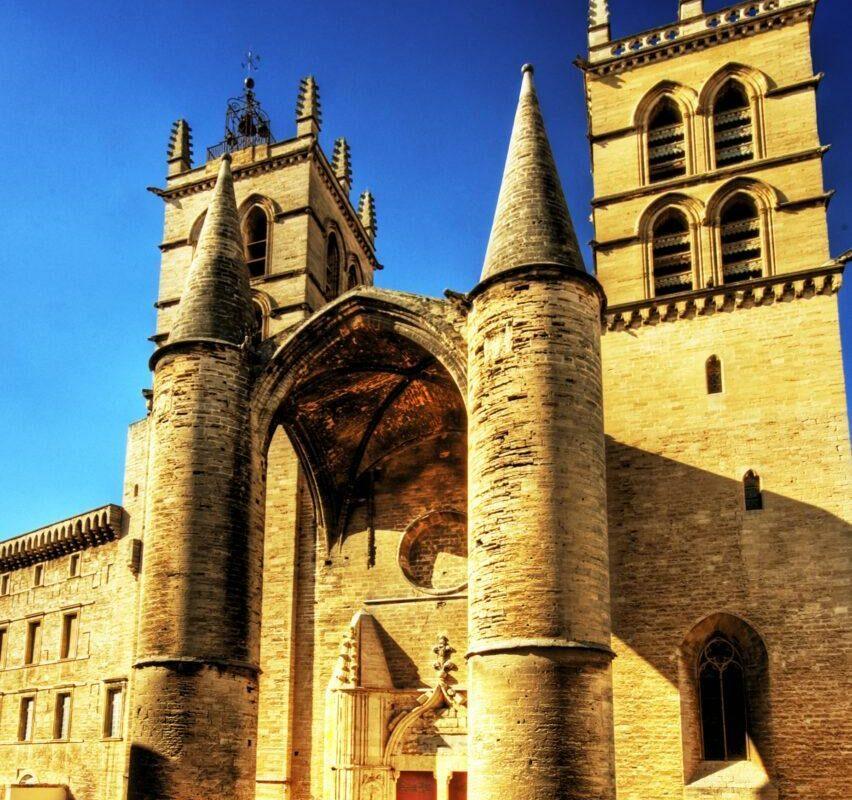
- Saint-Pierre Cathedral: remarkable Gothic and Romanesque building.
- Antigone District (Ricardo Bofill): modern neoclassical monumentalism.
- Museums: Fabre Museum (art collections), MO.CO., contemporary exhibition venues.


Practical tourism — 2–3 day itinerary
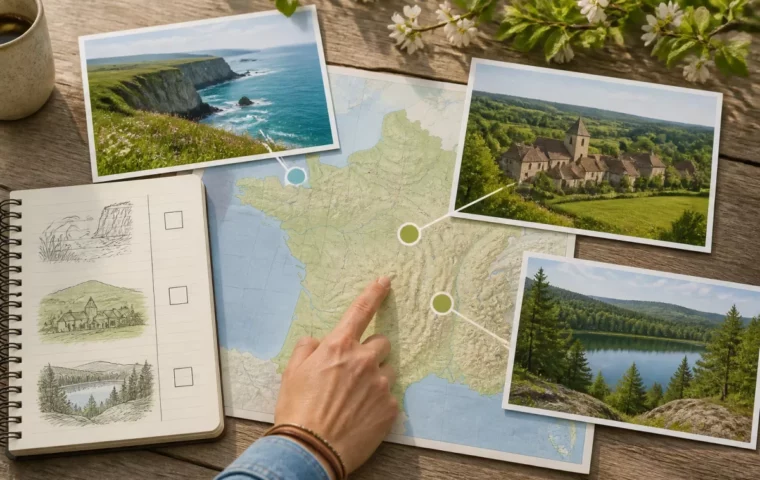
Montpellier is easy to visit on foot from Place de la Comédie: museums, medieval alleys, viewpoints, and modern districts are nearby. Here is an optimized itinerary:
- Day 1: Place de la Comédie, old Montpellier (rue de la Loge, rue du Pila Saint-Gély), Fabre Museum.
- Day 2: Promenade du Peyrou, Gardens, Saint-Pierre Cathedral; afternoon in Antigone district and along the Lez river.
- Day 3: Short trip to the sea (Palavas-les-Flots) or visit cultural sites and local markets.
Tips: prefer spring and autumn for weather and crowds; plan tram or bike for quick travel. Book museums and highly demanded visits in advance (high season).
Mobility, access and services
Montpellier is served by Montpellier-Méditerranée airport, Saint-Roch station (regional TGV connections), and a modern tram network that covers the city. Soft mobility (bikes, partial pedestrianization) is encouraged by municipal policies.
Contemporary challenges
Urban challenges include rising real estate prices, managing tourist flows, resilience to Mediterranean climate events, and integration of peripheral neighborhoods. Local policies aim to balance economic attractiveness, quality of life, and sustainable development.
FAQ
1) What is the best time to visit Montpellier?
Spring (April–June) and early autumn (September–October) offer a good weather/crowd balance; summer is hot but suitable for nearby beaches.
2) How long does it take to visit the historic center?
Half a day to a full day allows you to discover Place de la Comédie, old Montpellier, and a museum; to explore modern districts and surroundings, plan 2–3 days.
3) Is Montpellier accessible by train from Paris?
Yes: TGV connections link Montpellier to Paris (duration varies depending on the train, generally 3–4 hours depending on the service).
4) Can you get to the sea quickly from Montpellier?
Yes: Palavas-les-Flots and Carnon are less than half an hour by car; some bus lines also connect to the coast.
5) Which neighborhoods are best for accommodation?
The historic center, Port Marianne, and Antigone are practical options depending on the purpose of the stay (tourism, business, access to transport).
6) What cultural events should not be missed?
Festival Radio France Montpellier, Cinemed (Mediterranean film festival), and various summer and artistic events throughout the year.
7) Are there recommended guided tours?
Yes: the tourist office offers themed guided tours (historic center, street art, scientific heritage) — book according to the season.
Sources & references
- INSEE — Reference populations 2022 and Montpellier municipality file.
- Wikipedia — article “Montpellier” (historical and geographical summary).
- Montpellier Tourist Office — practical information and maps.
- Wikimedia Commons — image pages (Place de la Comédie, Saint-Pierre Cathedral, Antigone, Peyrou).
- Official tourist map (PDF) — map and itinerary suggestions.
- Local publications and urban planning files (municipal sources).