Summary Table: 15 Exceptional Villages
| Village | Region | Specialty |
|---|---|---|
| Eguisheim | Grand Est | Vineyards, half-timbering |
| Riquewihr | Grand Est | Alsace wines, high tower |
| Saint-Cirq-Lapopie | Occitanie | Lot cliffs, flowered alleys |
| Rocamadour | Occitanie | Pilgrimage, sanctuaries |
| Gordes | Provence-Alpes-Côte d’Azur | Golden stones, lavenders |
| Provins | Île-de-France | Medieval fairs, ramparts |
| Carcassonne (Cité) | Occitanie | Double walls, castles |
| Salers | Auvergne-Rhône-Alpes | Volcanoes, cheeses |
| Pérouges | Auvergne-Rhône-Alpes | Galettes, cobbled alleys |
| Collonges-la-Rouge | Nouvelle-Aquitaine | Red sandstone, churches |
| Vézelay | Bourgogne-Franche-Comté | Basilica, Compostela routes |
| Monpazier | Nouvelle-Aquitaine | Bastide, central market hall |
| Conques | Occitanie | Abbey, treasure |
| Moustiers-Sainte-Marie | Provence-Alpes-Côte d’Azur | Ceramics, suspended star |
| La Couvertoirade | Occitanie | Templars, pilgrimage |
Focus on Each Medieval Treasure
1. Eguisheim (Alsace)
Like a jewel case, Eguisheim nestles around an ancient circular castle. One willingly gets lost among its concentric alleys lined with colorful half-timbered houses, sculpted wells, and oriels that make this rural stop famous. The cherry on top: local winemakers open their cellars for informal tastings, where riesling and pinot gris deliciously accompany the tarte flambée.
“Every stone here tells a millennium, you feel the soul of the knights and peasants who walked these cobblestones.” – Travel journal
2. Riquewihr (Alsace)
Among the most photographed Alsatian villages, Riquewihr has preserved its medieval charm behind its ramparts. The emblematic Dolder, a high tower with a belfry, watches over the town. Painted facades, wrought iron signs, and vineyards climbing the hill turn your visit into a living postcard. Not to mention the Muscat and Gewurztraminer, proud ambassadors of the local gastronomy.
3. Saint-Cirq-Lapopie (Lot, Occitanie)
Perched on a cliff overlooking the Lot, Saint-Cirq-Lapopie is a true medieval lookout. Here, no major roads, but narrow and steep alleys where churches and ochre stone houses peek out. Artists and craftsmen have made their homes in the old buildings, offering a small permanent market of pottery, paintings, and jewelry. As sunset approaches, the golden light gives the whole place an almost mystical air.
4. Rocamadour (Lot, Occitanie)
A renowned pilgrimage site since the 12th century, Rocamadour clings to the cliff like a bird seeking height. The sanctuaries are aligned on several levels, accessible by the famous Grand Staircase of 216 steps (but you can take a funicular, rest assured). The Black Virgin, protected in the Notre-Dame chapel, still attracts many faithful and curious visitors. The moment is both spiritual and contemplative.
5. Gordes (Provence-Alpes-Côte d’Azur)
Gordes is that village that seems to have come out of a sunny dream: dry stone houses, slate roofs, and calades where broom and lavender grow. You stroll through the small squares, admire the Sénanque Abbey nestled in the valley, and enjoy dizzying views over the Luberon. To punctuate the visit, an olive oil workshop or a typical oil mill is a must, just to taste the best of the Mediterranean.
6. Provins (Île-de-France)
Listed as a UNESCO World Heritage site, Provins embodies the dynamism of medieval fairs. You can still encounter reconstructed shops, jugglers, and falconers during the grand shows. The ramparts rise to over 12 meters high, offering a spectacular walk at the top of the towers. Here, you hear the footsteps of knights and the clinking of armor, as if time had stopped.
7. Carcassonne – La Cité (Occitanie)
Impossible to talk about a medieval village without mentioning Carcassonne! Its double walls, slender towers, and the count’s castle outline the profile of a legendary fortress. Strolling under the arrow slits, crossing the drawbridge, or lingering at the Café de la Matinière is like diving into a setting from chivalric novels. Cherry on the cake: the costumed events come alive during the Cité festival in summer.
8. Salers (Auvergne-Rhône-Alpes)
Snuggled in the Auvergne Volcanoes Regional Park, Salers spreads out its black basalt houses with steep roofs. The emblematic Salers cattle graze around the ramparts, while inside, the market halls and the belfry punctuate the central square. You won’t leave without a slice of its cheese specialty or a jar of gentian, a famous local liqueur, perfect for extending reunions around the fire.
9. Pérouges (Auvergne-Rhône-Alpes)
Only 30 km from Lyon, Pérouges is a gem shaped by cloth merchants in the Middle Ages. The L-shaped alleys, lined with blonde stones and steep roofs, lead to small chapels and the famous inn where the galette-sucrée, a legendary specialty, is served. It is a timeless pause, where every cobblestone whispers the echoes of merchants and artisans of yesteryear.
10. Collonges-la-Rouge (Nouvelle-Aquitaine)
Carved from the red sandstone of Quercy, Collonges-la-Rouge is a village as if scorched by a permanent twilight. The towers, Saint-Pierre church, and the Arcades square take on mahogany twilight hues throughout the day. To add a bit of magic, you can stay in one of the red stone guesthouses and taste a farçou in one of the traditional inns.
11. Vézelay (Bourgogne-Franche-Comté)
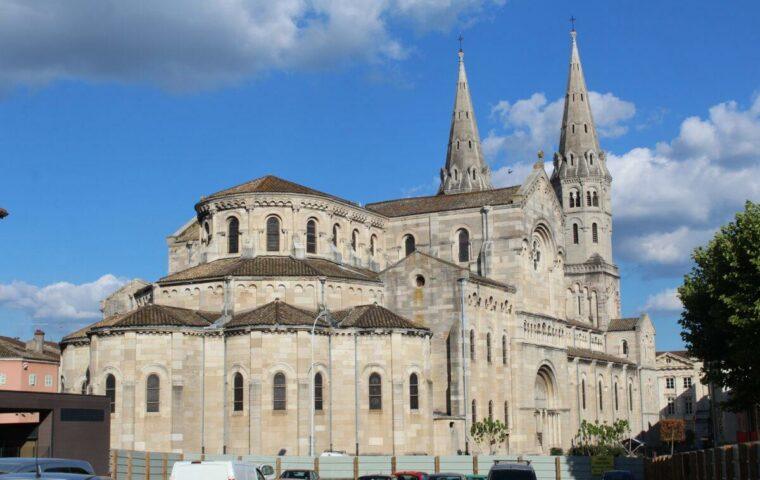
Starting point of the Vézelay route to Santiago de Compostela, Vézelay is especially known for its Sainte-Marie-Madeleine basilica. The Romanesque sculptures on the portal depict Genesis and the Last Judgment in a style both sober and powerful. The hill on which the town is built offers a breathtaking view of the neighboring hills. The atmosphere is both solemn and vibrant, with sacred music concerts in summer.
12. Monpazier (Nouvelle-Aquitaine)
An English bastide founded in 1284, Monpazier features a central hall bordered by arcades. The perfect geometry of its streets invites peaceful wandering. Small artisan shops, welcoming cafés, and restaurants serving the famous Périgord truffle abound. In the high season, the weekly market takes over the square, creating a friendly and lively atmosphere.
13. Conques (Occitanie)
Conques, around its Sainte-Foy abbey, is a jewel of Romanesque architecture. Pierre Soulages’ contemporary stained glass windows cast a bluish, almost supernatural light inside the building. Outside, the half-timbered houses and sloping alleys recall the fervor of medieval pilgrims. Not to be missed: the Treasure of Conques, rich in Carolingian goldsmithing.
14. Moustiers-Sainte-Marie (Provence-Alpes-Côte d’Azur)
Between the Verdon gorges and limestone plateaus, Moustiers-Sainte-Marie is famous for its ceramics and the star suspended between two cliffs. The Notre-Dame-de-Beauvoir sanctuary attracts the most curious, while the village, its faience shops, and its fountains offer an irresistible provincial charm. The walk along the edge of the stream, with the background sound of cicadas, remains an unforgettable memory.
15. La Couvertoirade (Occitanie)
Former Templar and Hospitaller post on the way to Saint John of Jerusalem, La Couvertoirade is a haven of serenity surrounded by walls. The cobbled streets, the houses with arcades, and the old dovecote form an almost motionless setting, as if frozen in stone. Good to know: some artisans offer forging or weaving workshops, to get a hands-on experience of daily life in the Middle Ages.
FAQ – Your Frequently Asked Questions
- What is the best time to visit these villages?
Spring and early autumn offer mild temperatures and blooming landscapes without the peak influx of tourists. - Should I book in advance?
For accommodations and guided tours in high season, it is better to plan several months ahead. - Can multiple villages be combined during the same trip?
Yes! Many are only a few dozen kilometers apart. Renting a car remains the most flexible solution. - Are there marked hiking trails?
Most villages are part of tourist trails or the GR® (e.g., GR®65 for Conques/Vézelay). - How to best enjoy the local gastronomy?
Weekly markets and small producers offer local products, cheeses, charcuterie, and regional wines.