
Top destination: Greece — temples, islands, and Mediterranean charm (2025 guide)
Greece is a microcosm of Europe: cradle of myths and democracy, a mosaic of islands, wild mountains, and the ultrablue Aegean Sea. In just a few days, you can go from the columns of the Parthenon to the white alleys of the Cyclades, from the perched monasteries of Meteora to the Cretan gorges. Here is a practical guide: when to go, where to go, how to get around (flights & ferries), budget and itineraries — with images distributed in the sections they illustrate.
Sommaire
Geography & major regions to know
Greece is a puzzle of peninsulas, archipelagos, and mountains. The sea and stone alternate within a few kilometers, offering an exceptional variety of landscapes and atmospheres.
- Attica & Athens — vibrant capital, exceptional museums, major ancient sites (Acropolis, Agora, Temple of Zeus).
- Peloponnese — legendary cities (Mycenae, Epidaurus), stone villages (Mani), secret beaches (Elafonisos), Corinth Canal.
- Central Greece & Thessaly — Meteora (perched monasteries), mystical Delphi at the foot of Parnassus.
- Macedonia & Epirus — Thessaloniki, Mount Olympus, Vikos Gorge, Zagori villages.
- Crete — Samaria Gorge, Knossos Palace, beaches (Balos, Elafonissi), mountains and gastronomy.
- Archipelagos — Cyclades (Santorini, Naxos, Paros, Milos), Dodecanese (Rhodes, Kos, Symi), Ionian (Corfu, Zakynthos), Sporades (Skiathos), North Aegean (Lesbos, Chios), Saronic Gulf (Hydra, Aegina).
Planning tip — For a balanced first trip: Athens 2–3 days + one Cyclades island 4–5 days (Naxos or Paros); with 10+ days, add Delphi or Meteora.
When to go: weather & crowds
- April–June & September–October: the best window — mild weather, pleasant sea (especially September), less crowded sites, softened prices.
- July–August: hot and busy, especially on the popular islands; book ferries and accommodations very early.
- November–March: local atmosphere and museums in Athens/Thessaloniki; reduced island connections, unpredictable weather.
Must-sees by region (top 12)
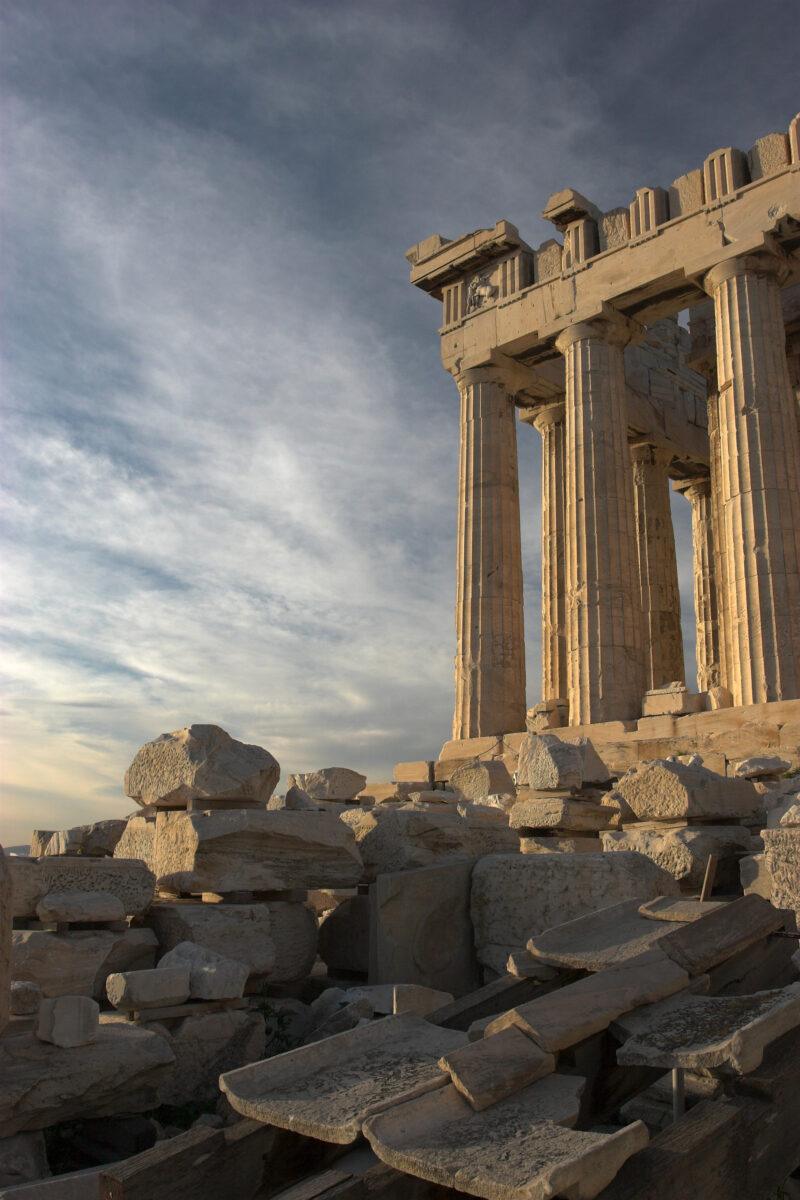
- Acropolis of Athens & Acropolis Museum — classical masterpiece, panoramic cornice at dusk.
- Plaka & Anafiotika — historic district of Athens, flowery stairways and whitewashed alleys.
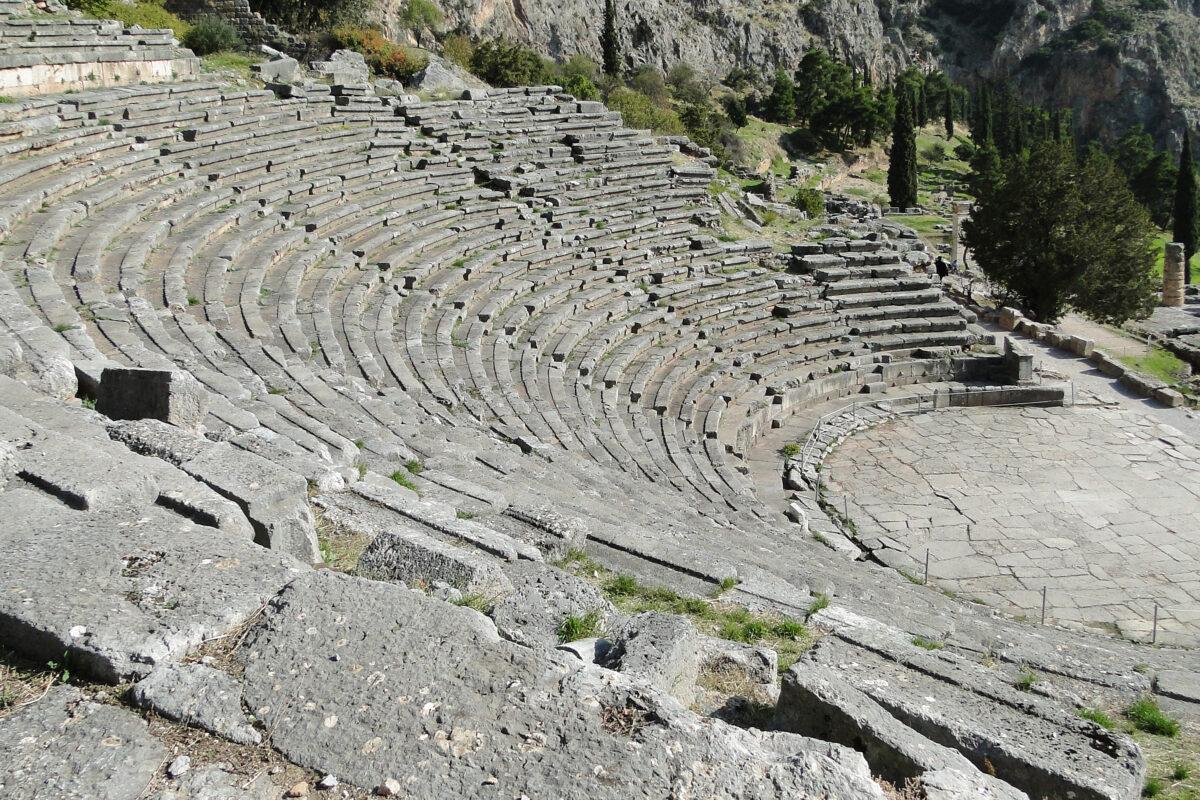
- Delphi — the Greek “navel of the world,” sanctuary of Apollo and a museum of rare richness.
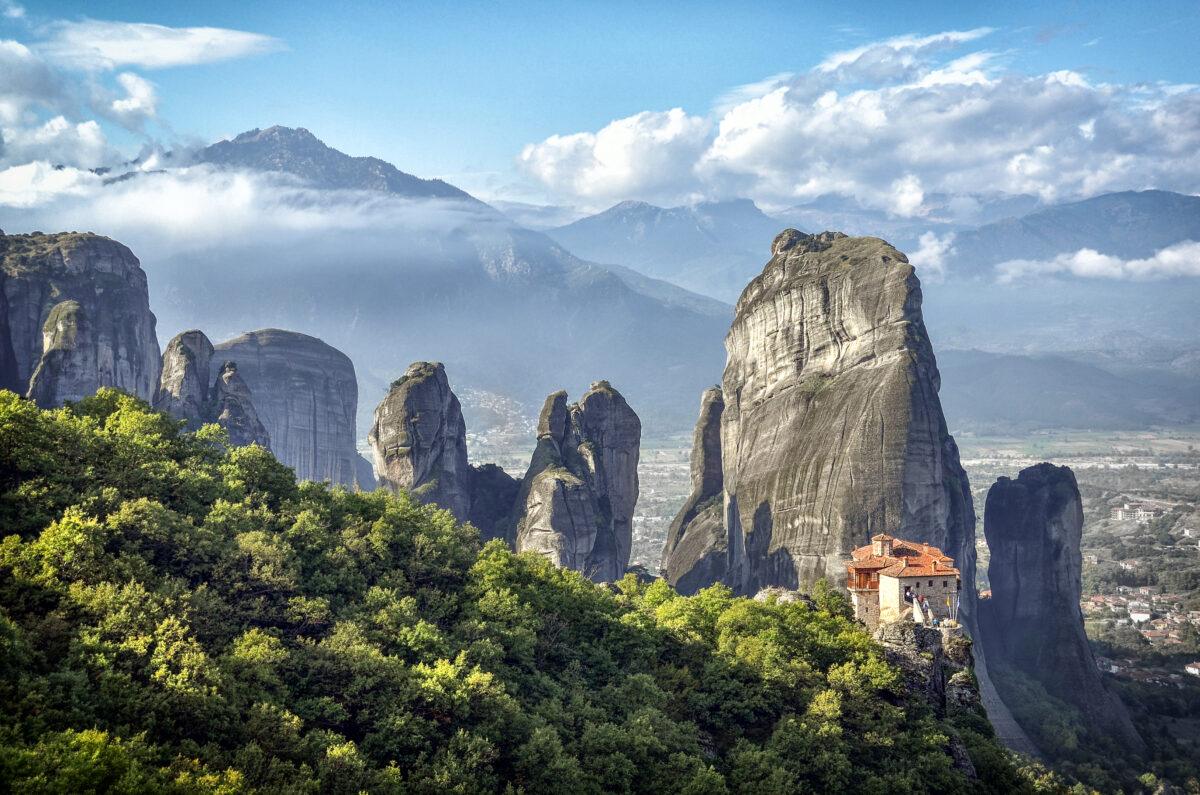
- Meteora (Thessaly) — monasteries clinging to sandstone pillars: hikes at sunrise.
- Mycenae & Epidaurus (Peloponnese) — golden masks and theater with perfect proportions.
- Monemvasia & Mani — medieval citadel on a rock and villages with stone towers.
- Medieval Rhodes & Lindos — Hospitaller fortifications, acropolis by turquoise sea.
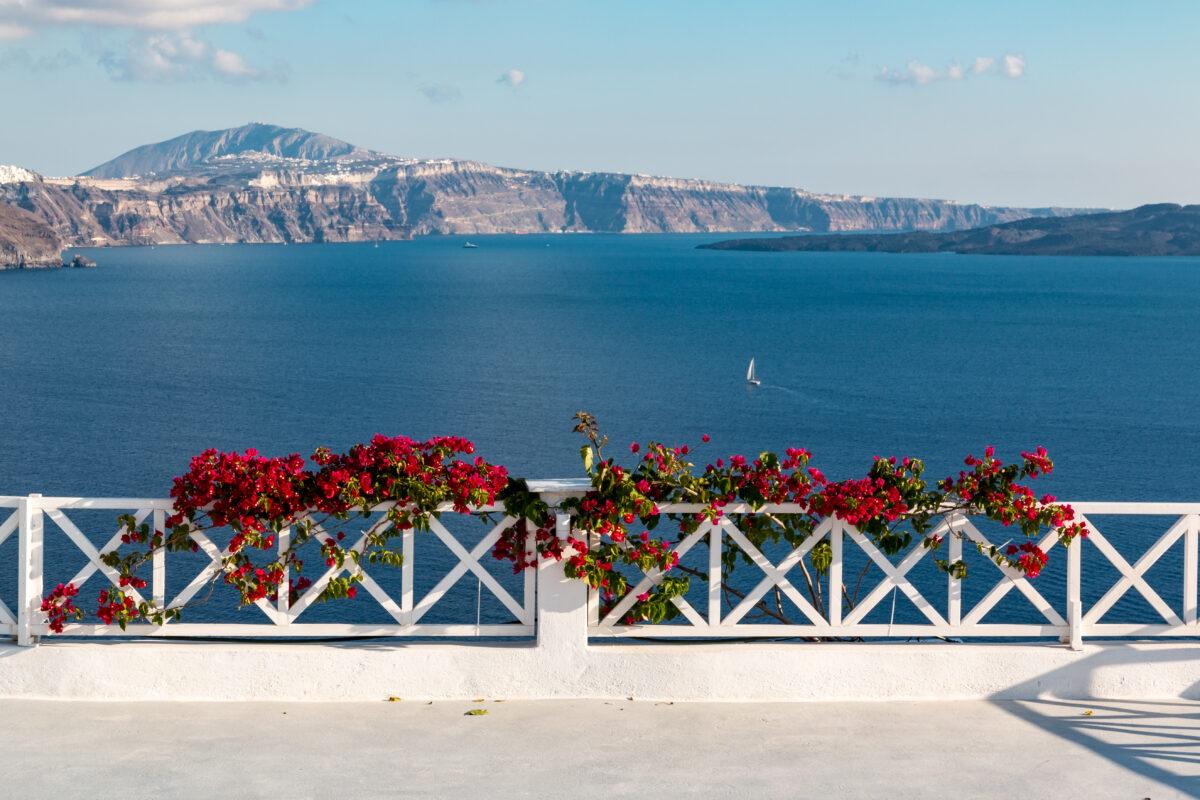
- Santorini — spectacular caldera, volcanic wines, sunsets of Oia.
- Naxos/Paros — beaches, Cycladic villages, windy passes for kitesurfing.
- Milos — mineral coves (Sarakiniko), sea caves, syrmata villages.
- Crete — Knossos, Samaria Gorge, Balos & Elafonissi, cuisine with character.
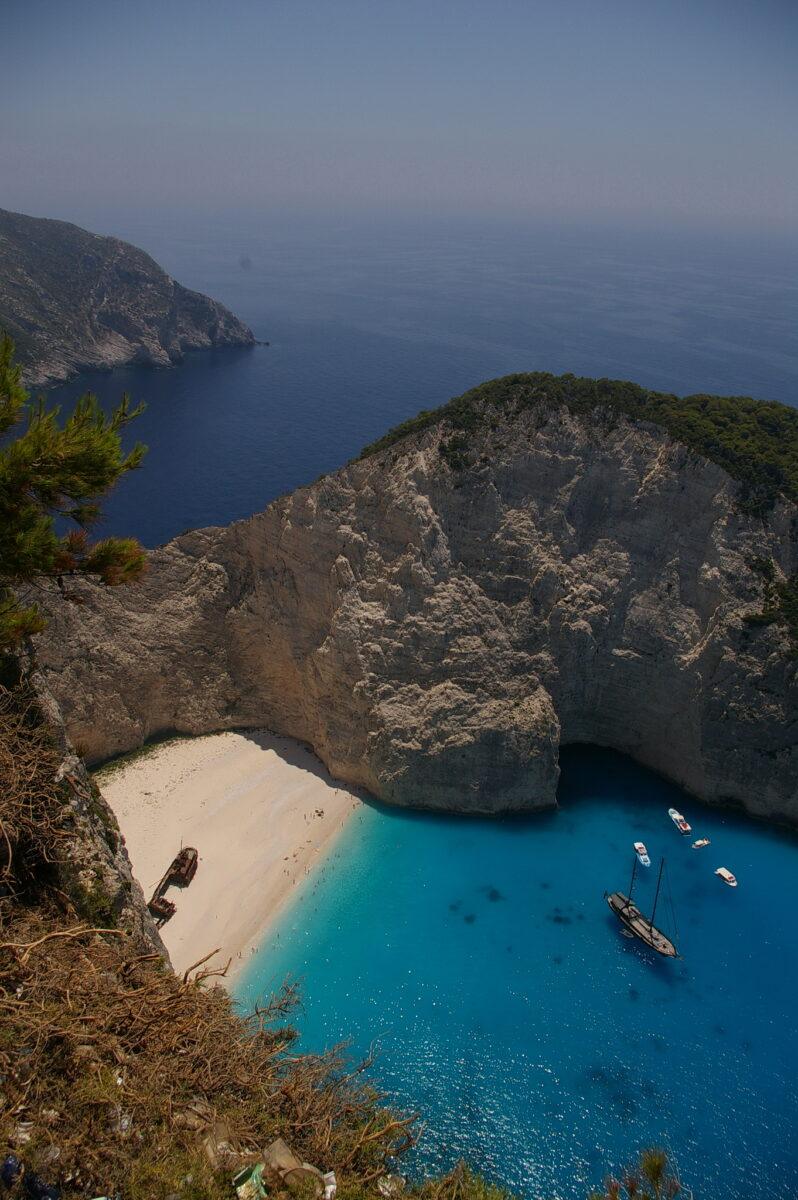
- Ionian Islands: Corfu, Zakynthos — Venetian palaces, olive groves, emerald waters.
Typical Itineraries
7 days — “Classic Aegean”
- Day 1–2: Athens — Acropolis, Agora, museum; sunset walk on the Areopagus.
- Day 3–6: Cyclades — Naxos (beaches + hikes on Mount Zas) or Paros (Naoussa, Lefkes). Excursion to Antiparos.
- Day 7: return — ferry/flight to Athens.
10 days — “Athens + ancient sites + island”
- Day 1–2: Athens
- Day 3: Delphi (bus/car, overnight in Arachova or Galaxidi).
- Day 4–5: Meteora (Kalambaka/Kastraki, hiking between monasteries).
- Day 6–10: Cyclades — Paros + Antiparos or Santorini depending on your pace.
14 days — “Grand tour Peloponnese + Cyclades”
- D1–D2: Athens
- D3: Corinth Canal & Epidaurus
- D4: Nafplio (Bourtzi, Palamidi) + Mycenae
- D5–D6: Mani (Areopoli, Vathia), Monemvasia
- D7–D8: Olympia then return to Piraeus
- D9–D14: Cyclades (Naxos or Milos) or Crete if you enjoy scenic routes.
Transportation — how to get around
Getting there
Athens (ATH) is the main hub, served year-round. Seasonal flights connect many islands (Santorini, Mykonos, Paros, Naxos, Rhodes, Corfu, Heraklion/Chania in Crete).
Ferries
- Piraeus (Athens) is the main port; Rafina and Lavrio complement for the Cyclades and Euboea.
- Types: conventional (cheaper, slower) and high-speed (fast, more sensitive to wind).
- Reservations: in high season, book in advance and arrive early at boarding (ID checks). Check the weather (meltemi) which can disrupt navigation.
On site
- Car: ideal for Peloponnese, Crete, Epirus, Delphi/Meteora; caution in island alleys and summer parking.
- KTEL buses: dense and economical intercity network.
- Islands: scooters/quads practical (insurance & helmet), local buses in summer.
Budget & accommodations
- Flights: best rates outside July–August and European school holidays.
- Accommodation: wide range — family rooms, studios with kitchenette, boutique hotels, villas; book early on popular islands.
- Meals: tavernas (daily specials, fish depending on catch), mezzes to share; tap water is drinkable in many towns (check locally).
- Transportation: compare ferry vs domestic flight (baggage included, schedules).
Culture, flavors & etiquette
Flavors: salads (horiatiki), dakos, tzatziki, moussaka, souvlaki, grilled octopus, spanakopita, cheeses (feta, graviera), PDO olive oils, wines (assyrtiko from Santorini, xinomavro from Naoussa), ouzo/raki/tsipouro.
Customs: dinner is late, coffee is a ritual, conviviality prevails; a “kaliméra” (hello) opens all doors. Decent attire in monasteries (shoulders/legs covered depending on sites).
Safety & good practices
- Heat & wind: hat, water, sunscreen; beware of meltemi (gusts) on the islands.
- Driving: narrow mountain roads, goats, curves; drive defensively.
- Hiking & coves: inform someone of your itinerary, check the condition of the trails and the swell.
- Heritage: respect signage, do not remove anything from the sites; drone flights are subject to regulations.
FAQ — Greece, top destination
What is the best time to visit Greece?
May–June and September–October: mild climate, pleasant sea, fewer crowds. July–August: hotter and more crowded.
Should I choose ferry or domestic flight for the islands?
The ferry lets you experience the sea and carries your car; the flight is unbeatable for saving time between distant islands (Crete, Rhodes, Corfu).
How many days for a first trip?
7 days: Athens + one island. 10 days: add Delphi/Meteora or a second island. 14 days: Peloponnese + islands or Crete alone.
Which islands are suitable for families?
Naxos, Paros, Corfu, and Crete: suitable beaches, services, accessible roads.
Where to find quieter coves?
Milos, Amorgos, Astypalea, Koufonissia, or the Sporades (Skopelos/Alonissos) depending on the season.
Useful sources
- Greek National Tourism Organization (GNTO) — official information.
- Port authorities/ferry companies — schedules & bookings.
- Websites of museums and major ancient sites (Acropolis, Delphi, Epidaurus).
- KTEL networks (intercity buses) — regional services.
- Local offices: Cyclades, Crete, Epirus — hikes & parks.
Conclusion — In Greece, the elsewhere begins at the next staircase: a balcony overlooking the sea, a Doric ruin, a plate of shining olive oil. By choosing the right season and alternating ancient sites and island time, you will taste the essential Greece — simple, sunny, flavorful.