History and evolution of Schiltigheim through the centuries
Nestled in the Bas-Rhin department, Schiltigheim has a history dating back to the medieval era. The first written records of the city date from 775, when it appeared under the name “Sciltungisheim” in official documents. This municipality, now the third largest city in Alsace with over 31,000 inhabitants, has evolved considerably over the centuries.
In the Middle Ages, Schiltigheim was mainly a prosperous agricultural village, known for its market gardening that supplied Strasbourg. The proximity to this large city has always influenced its development. The turning point in its history occurred in the 19th century with industrial growth, radically transforming the face of the municipality.
The history of Schiltigheim is also marked by alternations between France and Germany, like the whole of Alsace:
- German annexation from 1871 to 1918
- Return to France after the First World War
- New German annexation from 1940 to 1944
- Final liberation in November 1944
These changes in national affiliation have deeply shaped the city’s identity, creating a unique culture where French and German influences blend harmoniously. The local architecture still bears witness today to this eventful history, between traditional half-timbered buildings and 19th-century industrial constructions.
The capital of Alsatian beer and its brewing heritage
If Schiltigheim is nicknamed the “City of Brewers”, it is no coincidence! This city has built its reputation on an exceptional brewing tradition that dates back several centuries. In the 19th century, industrialization allowed the spectacular rise of local breweries, transforming the small municipality into the true capital of Alsatian beer.
Among the historic breweries that made Schiltigheim famous are notably:
| Brewery | Year of foundation | Current status |
|---|---|---|
| Adelshoffen | 1864 | Closed in 2000 |
| Schutzenberger | 1740 | Closed in 2006 |
| Fischer | 1821 | Integrated into the Heineken group |
| Heineken | Established in 1972 | Still active |
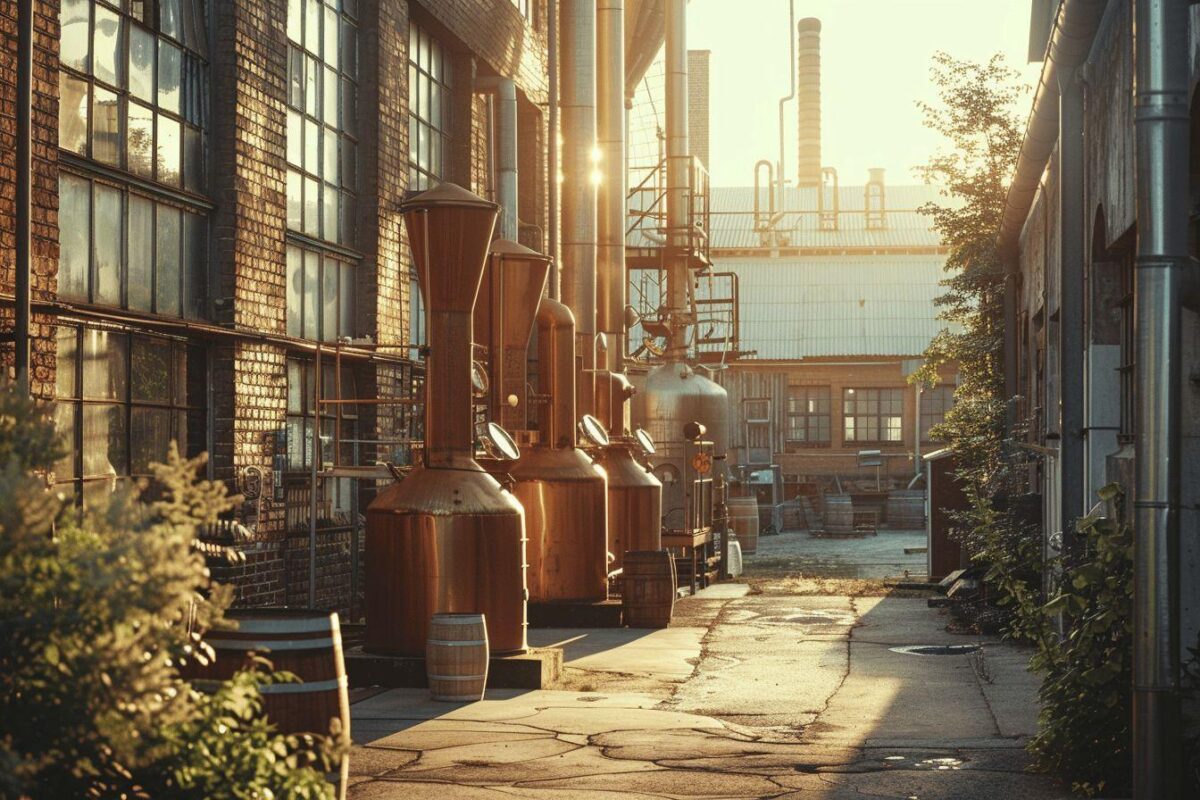
The industrial buildings still testify to this rich brewing past. The Maltery, an impressive red brick building, is a remarkable example of this preserved heritage. Today converted into a cultural venue, it notably houses artistic and associative activities.
For beer and local history enthusiasts, studying this brewing heritage offers an authentic tourist experience that delves into the deep identity of this Alsatian town. Guided tours are regularly organized to discover these old industrial sites and understand traditional brewing techniques.
Cultural Particularities and Iconic Events
The cultural richness of Schiltigheim is expressed through various events that punctuate local life. Le Schilick on Carnet, a festival of youth books and illustration, attracts thousands of visitors each year and has established itself as a must-see event for literature enthusiasts.
Another flagship event, the Festival du Bistrot, has been celebrating French chanson and contemporary music for over 35 years. This summer festival transforms the town into a true open-air stage where renowned artists and emerging talents perform in a friendly atmosphere.
The carnival tradition also holds an important place in Schiltigheim’s culture. The Bouc Bleu, an emblematic character of the local carnival, parades through the streets during the annual festivities, perpetuating a tradition that dates back several generations.
The gastronomic heritage is another pillar of the local identity. Beyond beer, Schiltigheim prides itself on Alsatian culinary specialties revisited with a local touch. The town’s restaurants offer authentic traditional dishes such as:
- Choucroute garnie, prepared according to family recipes
- Baeckeoffe, simmered in the Alsatian tradition
- Spätzle, an essential accompaniment to local dishes
- Bretzels, whose recipes are jealously guarded by some local bakeries
The proximity to Strasbourg should not overshadow the fact that Schiltigheim jealously cultivates its own traditions and particular identity, the result of a unique history and a deep attachment to its heritage.
FAQ about Schiltigheim
Why is Schiltigheim nicknamed the “City of Brewers”?
This nickname comes from its rich brewing tradition. In the 19th century, the town housed several large breweries such as Fischer, Adelshoffen, and Schutzenberger, making Schiltigheim a major beer production center in Alsace.
What cultural events should not be missed in Schiltigheim?
Le Schilick on Carnet (youth book festival) and the Festival du Bistrot (contemporary music) are two highlights of the local cultural life. The carnival with its emblematic character, the Bouc Bleu, is also very popular.
How has Schiltigheim evolved throughout its history?
Initially an agricultural village in the Middle Ages, Schiltigheim transformed into an industrial town in the 19th century thanks to the growth of breweries. Today, it is the third largest city in Alsace and continues to preserve its rich heritage while modernizing.
What is the architectural particularity of Schiltigheim?
The town features a unique architectural blend, combining traditional Alsatian half-timbered houses and imposing red brick industrial buildings, witnesses to its glorious brewing past.