Rouen in a few words: why this city deserves a visit
If you are looking for a city that is both heritage-rich, lively, and easy to explore, the city of Rouen ticks many boxes. Its historic heart is one of the most readable in Normandy, with medieval streets, lively squares, Gothic churches, and old houses that immediately set the tone. You can still feel the city’s importance in the history of the Duchy of Normandy, then in the history of trade on the Seine.
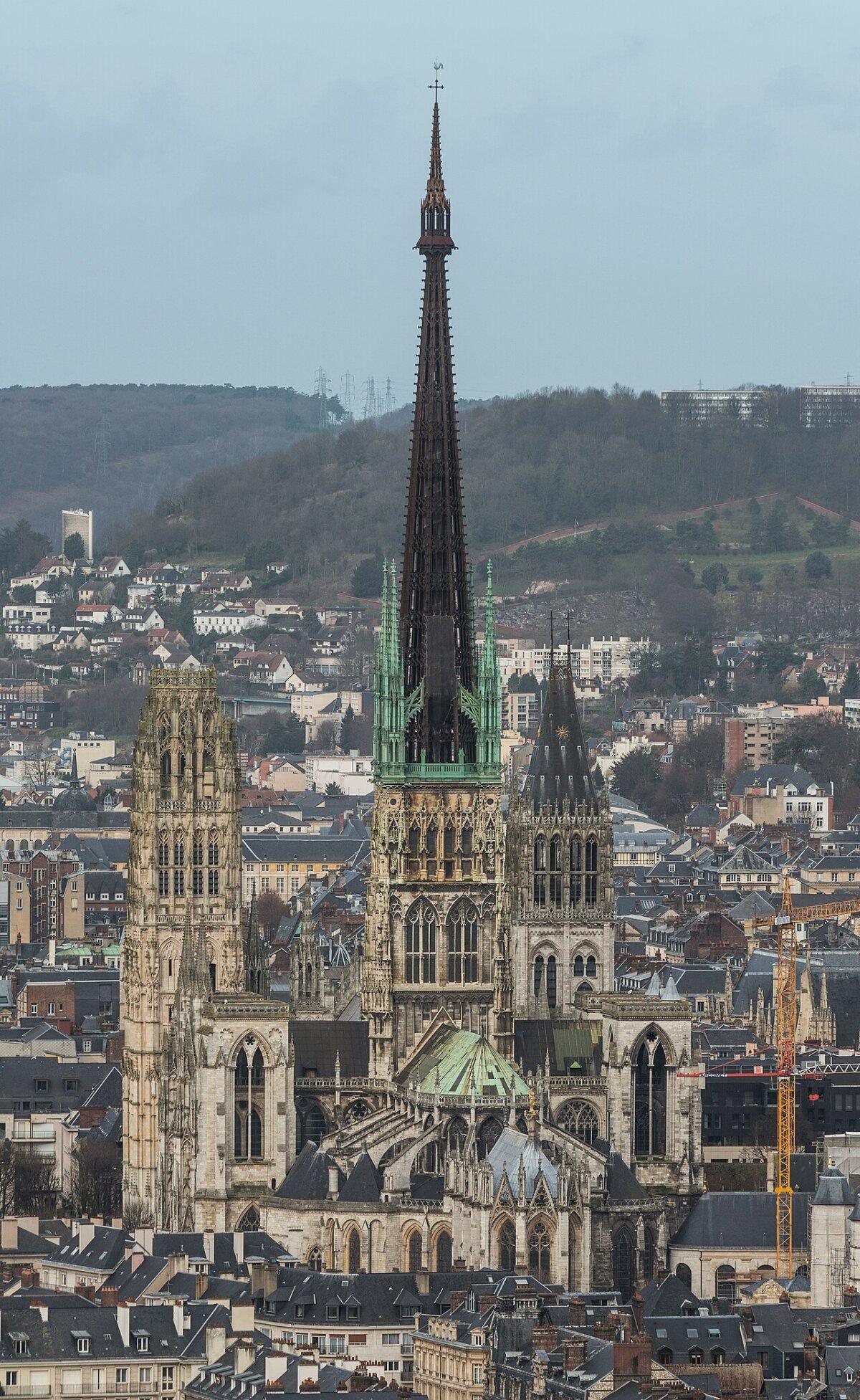
The city also has a real practical advantage: it is easy to visit without a car. Between the station, shopping streets, quays, and historic neighborhoods, you can build a full day without chaining journeys. This is one of the points that make Rouen a good destination for a weekend in Rouen, but also a coherent base for a longer stay in Normandy.
Rouen is better understood on foot: the more you slow down, the more you see the medieval details, the hidden courtyards, and the very strong relationship between the city and the Seine.
Another interesting point: Rouen is not just a museum city. It is also an active prefecture, with universities, shops, cultural events, and a local life that continues outside visiting hours. This dual identity explains why the city is often described as both a heritage site and a very practical place, useful to discover as well as to live in.
What to see in Rouen: the must-see monuments and places
For what to see in Rouen during a first visit, you should start with the monuments that best tell the story of the city: the cathedral, the Gros-Horloge, the Old Market, the half-timbered streets, and some more discreet but very telling sites such as the Aître Saint-Maclou. The historic center lends itself to a short loop, with little distance between stops.
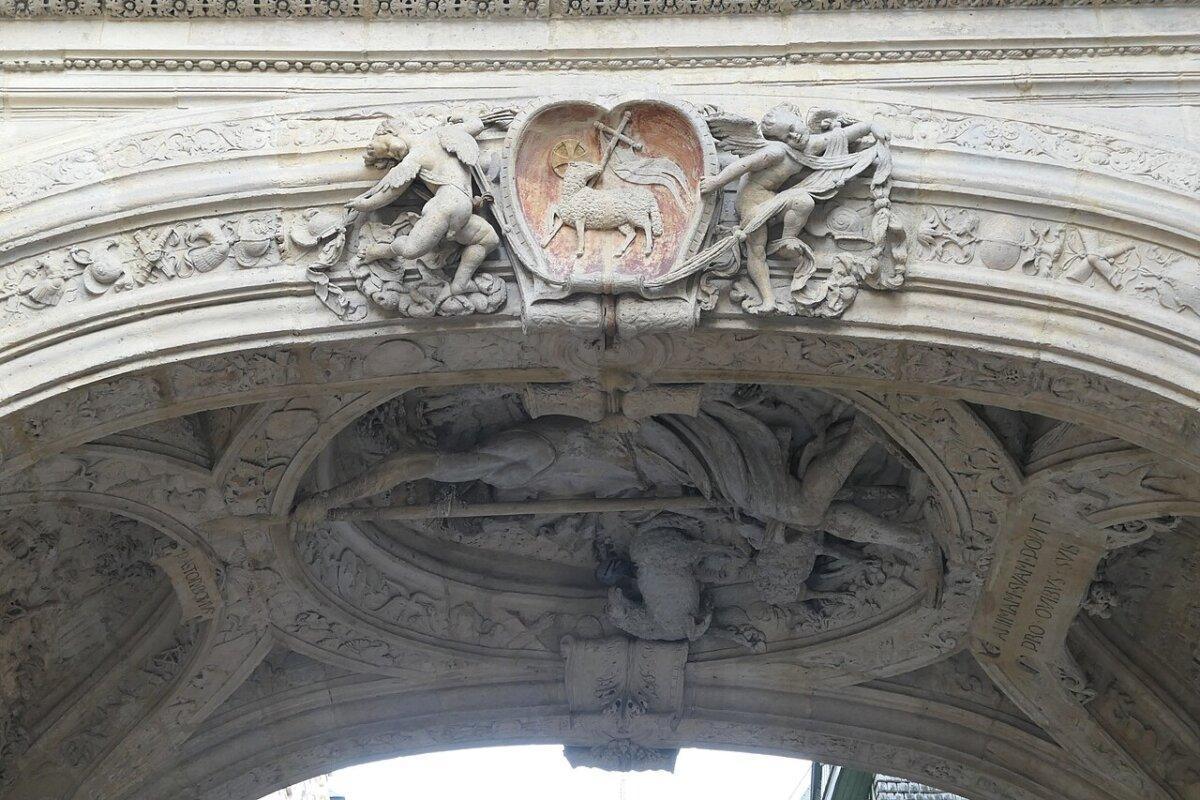
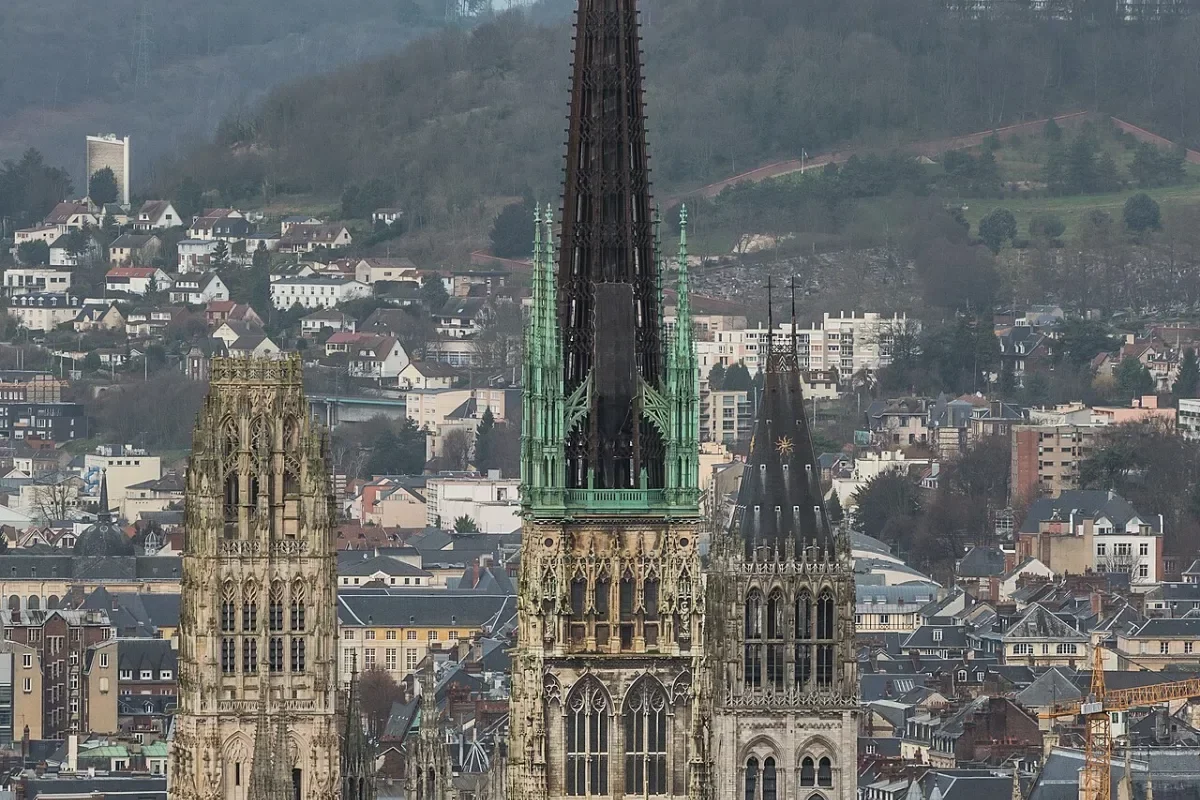
- The Notre-Dame Cathedral: it stands as the major landmark of the city center, with a richly detailed Gothic façade.
- The Gros-Horloge: symbol of Rouen, it marks the gateway to the shopping streets and pedestrian routes.
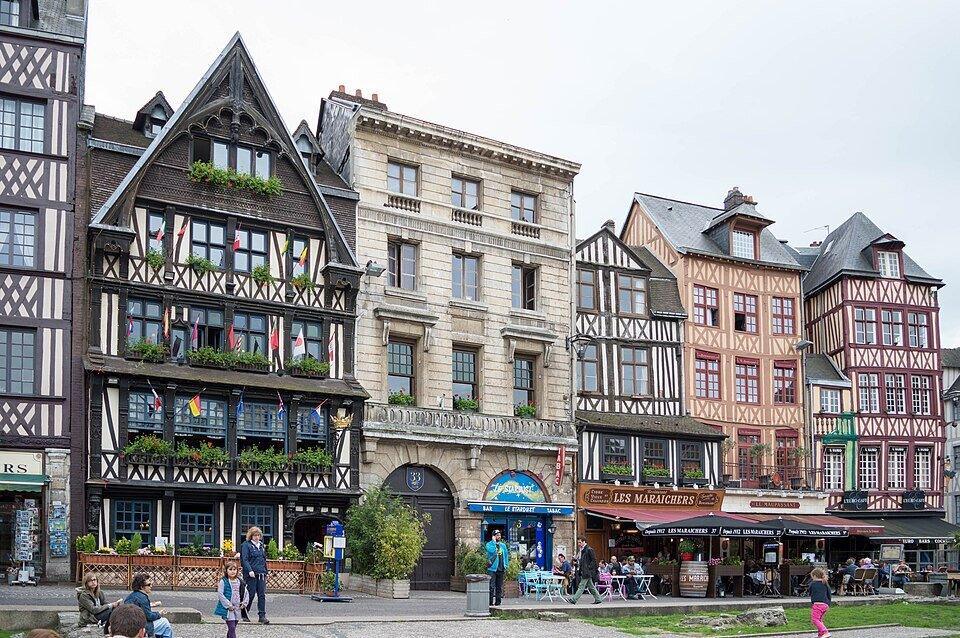
- The Old Market Square: very lively, it concentrates restaurants, terraces, and historical memory around Joan of Arc.
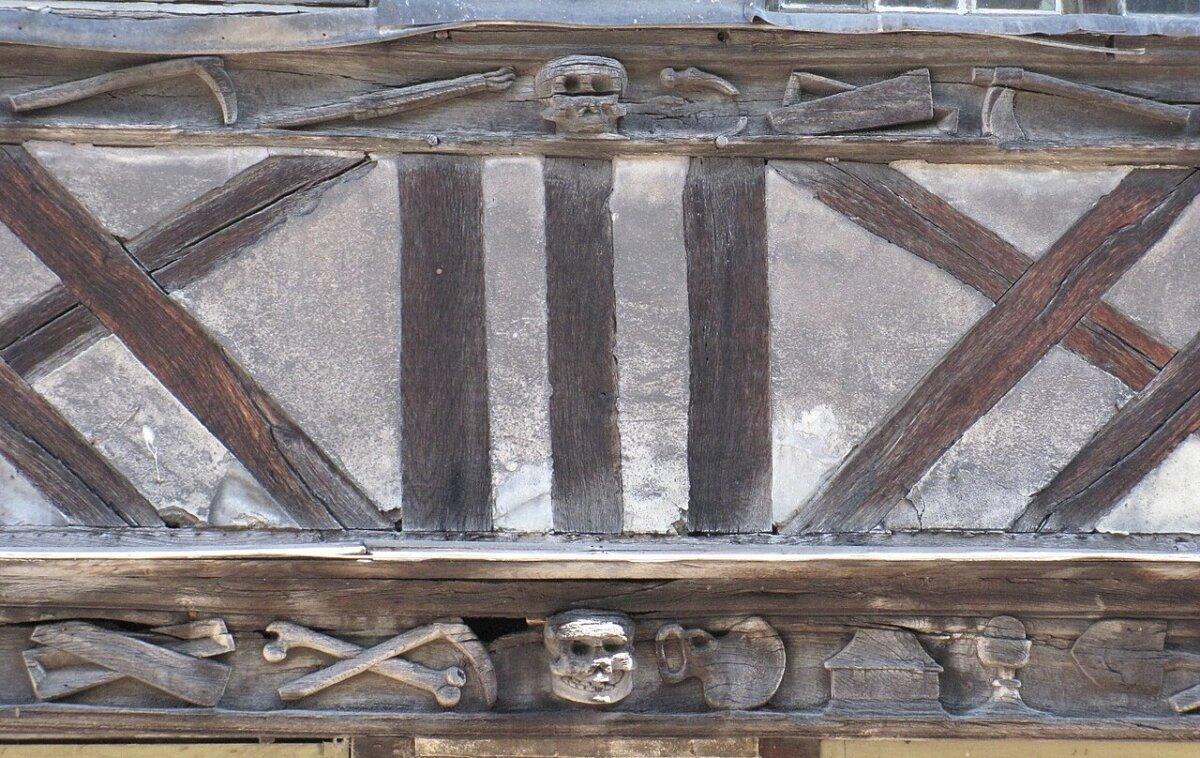
- The Aître Saint-Maclou: a more discreet site, but essential to understand the religious and funerary history of the city.
- The half-timbered streets: they offer the best atmosphere of the historic center, especially early in the morning or late in the day.
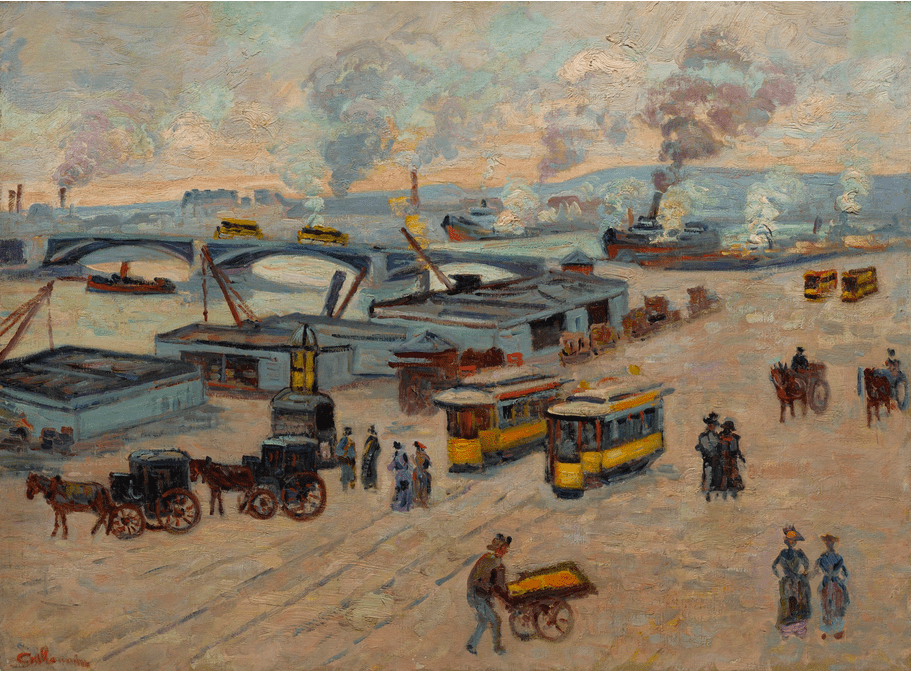
- The Seine quays: useful for stepping back, walking calmly, and gaining a different perspective on the city.
- The panorama from Sainte-Catherine hill: perfect if you want an overview of the Seine’s loops and the urban fabric.
- The Museum of Fine Arts: a good choice if you like to complement the visit with a serious cultural break.
| Place | Interest | Visit duration | District |
|---|---|---|---|
| Rouen Cathedral | Gothic masterpiece, central landmark of the old center | 30 to 45 min | Historic center |
| Gros-Horloge Rouen | Monumental clock and emblematic street | 20 to 30 min | Historic center |
| Old Market Square | Atmosphere, restaurants, memory of Joan of Arc | 30 to 60 min | Old Market |
| Aître Saint-Maclou | Very unique heritage site, quieter | 30 to 45 min | Saint-Maclou |
| Seine quays | Walk, breathing space, view of the city | 45 min to 1 h | Seine banks |
The historic center of Rouen is experienced like a succession of small scenes: a Gothic façade, a narrow alley, a lively square, then suddenly a wider axis towards the Seine.
If you have to prioritize, keep a simple rule: the cathedral and the Gros-Horloge for the monumental heart, the Old Market for the atmosphere, the Aître Saint-Maclou for a quieter visit, and the quays to finish with a breath of fresh air. This is the best balance between heritage, walking, and visiting pleasure.
Which neighborhoods to discover in Rouen according to your profile
The districts of Rouen do not all offer the same experience. Some are better suited for a first visit, others for daily life or a longer stay. Most tourist landmarks are located on the right bank, in the old town center, but the left bank and areas around the main roads also have their appeal depending on your profile.
For a first visit, the historic center of Rouen is the best starting point. You are close to the cathedral, the cobbled streets, the Gros-Horloge, and the most convenient restaurants. For a more local stroll, the Saint-Maclou district, around the Aître, is interesting because it is quieter and often less crowded than the most touristy areas.
For families, the area between the Old Market, the quays, and some green spaces offers a pleasant compromise: you walk, stop, and resume without difficulty. For a future resident, it is better to compare the uses: very lively city center but noisier, more residential left bank, areas close to transport more practical for daily life.
A good neighborhood in Rouen is not just a “pretty” neighborhood: it is also a place where you can walk easily, quickly reach the station or the center, and accept the evening noise level.
- Historic center / right bank: ideal for visiting, going out, and doing everything on foot.
- Old Market: convenient if you like terraces, restaurants, and lively atmosphere.
- Saint-Maclou / Martainville: interesting for heritage and a more relaxed atmosphere.
- Saint-Sever / left bank: useful for a more everyday perspective and often more affordable housing.
- Station area and Beauvoisine: practical for frequent trips and short stays.
How long does it take to visit Rouen?
For a first overview, one day is enough to see the historic heart, but two days are more comfortable if you want to add a museum, a walk along the quays, and a slightly less touristy neighborhood. For a weekend in Rouen, you will have a more balanced pace, without rushing between sites.
In practice, allow about 10 to 15 minutes on foot between the cathedral, the Gros-Horloge, and the Old Market, then 15 to 25 minutes to reach the Aître Saint-Maclou or the quays depending on your starting point. The city seems small on the map, but the terrain and photo stops quickly extend the visit.
What to do in Rouen in 1 day, 2 days, or a weekend
The best way to visit Rouen mainly depends on your time on site. In one day, the idea is to stay in the historic center. In two days, you can add museums, a real break on the quays, and a finer discovery of the neighborhoods. Over a weekend, the city becomes more enjoyable because you avoid the “checklist” effect.
Recommended itinerary for one day: arrival in the morning around the cathedral, climb towards the Gros-Horloge, lunch in the Old Market area, then walk to the Aître Saint-Maclou and return via the shopping streets. At the end of the day, the Seine quays are a good choice to slow down and see the city from another angle.
Recommended itinerary for two days: keep the first day for the historic center and the second for a more varied visit. You can add the Fine Arts Museum, a walk on the left bank, the panorama from Sainte-Catherine hill, or a quieter moment in a market or a bookstore in the center. This is the right format if you like to take your time.
Recommended program for a weekend: combine heritage, gastronomy, and local life. In the morning, explore the monuments; in the afternoon, take in the views from above or walk along the Seine; in the evening, try a Norman restaurant or a lively square. This pace allows you to better feel the identity of the city, rather than reducing it to three monuments.
Rouen: culture, museums, and activities
Beyond the facades and squares, Rouen offers a solid cultural offering for a city of this size. The Fine Arts Museum remains a safe bet if you like painting, while the Aître Saint-Maclou provides a more unusual heritage perspective. Programs evolve, so the information from the City of Rouen and local cultural institutions remains the best guide to prepare an outing.
If you are wondering what to do in Rouen beyond the main circuit, also consider the Sainte-Catherine hill, which offers one of the best views of the Seine loop and the compact city. It is particularly interesting in the late afternoon, when the light changes and you better understand the urban geography.
- Museums: perfect if you come when it’s raining or if you prefer quieter visits.
- Walks at height: useful to see Rouen as a whole and get out of the cathedral-Old Market axis only.
- Markets and shopping streets: practical to capture the daily life of the city.
- Seasonal events: Christmas markets, exhibitions, festivals, and heritage gatherings.
A City of Art and History is also judged by its margins: in Rouen, the most memorable sites are not always those that attract the most people at the same time.
Rouen: gastronomy – what to taste locally
Gastronomy is an integral part of a stay in Rouen, especially if you want to go beyond a simple monumental visit. Norman cuisine naturally plays on cream, butter, apples, cider, dairy products, and some well-identified dishes. The interest is not only to “eat local” but to extend the experience of the region onto the plate.
- Duck à la rouennaise: emblematic dish, more traditional than light, often associated with a cuisine of character.
- Teurgoule: a very simple Norman dessert in appearance, but remarkable for its texture and slow cooking.
- Douillon or bourdelot: apple baked in pastry, very consistent with the region’s fruity identity.
- Norman cheeses: camembert, livarot, pont-l’évêque, depending on the places and markets.
- Cider and perry: useful to accompany a meal without seeking a drink that is too heavy.
To eat on site, the simplest is still to aim for the historic center, the Old Market, and some streets a little less exposed to immediate tourist flow. In the morning, a market or a well-placed bakery often suffices to give a good overview; at noon, restaurants near pedestrian zones are the most practical; in the evening, you need to look at the real atmosphere of the street, not just the menu.
How to get to Rouen and get around easily?
The easiest way to reach Rouen from Paris remains the train. Depending on the connections, the journey takes about 1 hour 10 minutes to 1 hour 30 minutes, which allows for a round trip in one day or a weekend without a car. Once there, the center is mainly explored on foot, with the Astuce network for more distant areas.
The urban layout of Rouen matters a lot: the old town center is dense, the streets are sometimes narrow, and the terrain can be surprising if you walk for a long time. On the other hand, this same density makes the visit pleasant, as the major monuments are close by. Public transport is useful for the left bank, residential neighborhoods, and transfer journeys.
- On foot: ideal for the center, nearby museums, and historic streets.
- By transport: practical for connecting the left bank, the train station, and more distant neighborhoods.
- By car: useful only if you plan several outings outside the center, as parking can be restrictive.
- From the train station: often count on a simple walk to the center, which facilitates short stays.
The good reflex is to check the information from the City of Rouen, the Rouen Tourist Office, and transport operators before a specific trip: special schedules, roadworks, events, temporary closure of a museum, or traffic changes. This point is particularly important if you organize your visit during the high season or school holidays.
Living in Rouen: quality of life, strengths, and limitations
If you wonder whether living in Rouen can be a good idea, the answer mainly depends on how you want to live in the city. Rouen offers a real advantage for profiles seeking a medium-sized urban center, a solid cultural offer, and a reasonable connection with Paris. On the other hand, you have to accept sometimes gray weather, some busy roads, and clear disparities between neighborhoods.
The strengths are clear: heritage, shops, universities, student life, presence of the Seine, efficient rail access, and a fairly compact city center. The limitations are also clear: sometimes heavy traffic, uneven parking, noise in very central areas, and differences in comfort between the right bank, left bank, and peripheral neighborhoods. For a future resident, the right choice is not made “for Rouen” in general, but for a specific area.
Compared to other Norman cities, Rouen is often perceived as denser and more urban than Caen, less maritime than Le Havre, and more heritage-rich than many cities of the same size. This combination appeals to those who want a lively city without tipping into a large metropolis, with a true historical background and still reasonable commutes.
| Profile | What Rouen offers | Point of caution |
|---|---|---|
| One-day visitor | Compact old town center, monuments close by | Going too fast and missing secondary neighborhoods |
| Family | Walks, museums, pedestrian areas, easy landmarks | Plan trips if you stay far from the center |
| Student | Urban life, transport, shops, cultural offer | Choose well between centrality, price, and calm |
| Future resident | Connected city, practical daily life, strong identity | Compare noise, parking, and service depending on the neighborhood |
Frequently Asked Questions about the City of Rouen
What must you absolutely see in Rouen?
For a first visit, keep the Rouen Cathedral, the Gros-Horloge, the Old Market Square, the Aître Saint-Maclou, and a walk along the quays. With these five landmarks, you already get a solid reading of the city.
Is Rouen easy to visit on foot?
Yes, especially in Rouen’s historic center. The distances between the main monuments are modest, even if the terrain and photo stops extend the actual time. For the left bank or more distant areas, transportation becomes useful.
What is the best time to visit Rouen?
Spring and early autumn are often the most pleasant for walking and enjoying the old streets. Summer remains convenient but busier. Winter can be interesting for market atmospheres and lights, provided you accept the Norman weather.
Is Rouen a good city for a weekend?
Yes, because the city is compact enough to cover in two days without rushing. A weekend in Rouen allows you to combine heritage, museums, good dining, and walks, which a single day does not always comfortably allow.
Is Rouen pleasant to live in?
It is for those who like an active city, well connected and rich in heritage. However, the choice of neighborhood is decisive. The center brings life but also more noise; other areas are quieter and often more suitable for daily use.
Conclusion: why the city of Rouen deserves a place in your next trip or life project
The city of Rouen works very well as a discovery destination because it combines a dense historic center, strong monuments, a real local life, and easy accessibility from Paris. If you are looking for a city where heritage is not frozen, where you can walk, eat, visit, and observe daily life without multiplying trips, Rouen clearly deserves a place on your list.
For a short stay, focus on the must-sees and the quays. For a longer-term project, look at neighborhoods according to your lifestyle, transport needs, and noise tolerance. This is where Rouen becomes interesting: it is not limited to its postcards, it is also read through its uses.
{
“@context”: “https://schema.org”,
“@type”: “Article”,
“headline”: “City of Rouen: complete guide to discover its must-sees, neighborhoods, and good deals”,
“description”: “Complete guide to visiting Rouen, discovering its monuments, neighborhoods, gastronomy, access, and useful landmarks for a stay or relocation.”,
“inLanguage”: “fr-FR”,
“keywords”: [“Rouen”, “Rouen Cathedral”, “Gros-Horloge Rouen”, “Rouen neighborhoods”, “Seine quays”],
“mainEntityOfPage”: {
“@type”: “WebPage”,
“@id”: “#”
}
}
{
“@context”: “https://schema.org”,
“@type”: “FAQPage”,
“mainEntity”: [
{
“@type”: “Question”,
“name”: “What must absolutely be seen in Rouen?”,
“acceptedAnswer”: {
“@type”: “Answer”,
“text”: “For a first visit, keep the Rouen Cathedral, the Gros-Horloge, the Old Market Square, the Aître Saint-Maclou, and a walk along the quays.”
}
},
{
“@type”: “Question”,
“name”: “Is Rouen easy to visit on foot?”,
“acceptedAnswer”: {
“@type”: “Answer”,
“text”: “Yes, especially in the historic center of Rouen. The distances are modest between the main monuments, even if the terrain and photo stops extend the actual time.”
}
},
{
“@type”: “Question”,
“name”: “What is the best time to visit Rouen?”,
“acceptedAnswer”: {
“@type”: “Answer”,
“text”: “Spring and early autumn are often the most pleasant for walking and enjoying the old streets. Summer remains convenient but more crowded.”
}
},
{
“@type”: “Question”,
“name”: “Is Rouen a good city for a weekend?”,
“acceptedAnswer”: {
“@type”: “Answer”,
“text”: “Yes, because the city is compact enough to cover in two days without rushing. A weekend in Rouen allows you to combine heritage, museums, good dining, and walks.”
}
},
{
“@type”: “Question”,
“name”: “Is Rouen pleasant to live in?”,
“acceptedAnswer”: {
“@type”: “Answer”,
“text”: “It is for those who like an active city, well connected and rich in heritage. The choice of neighborhood is decisive depending on the level of noise, centrality, and comfort sought.”
}
}
]
}
{
“@context”: “https://schema.org”,
“@type”: “WebPage”,
“about”: {
“@type”: “Thing”,
“name”: “Discover Rouen and its must-sees”
},
“keywords”: [“Rouen”, “Rouen Cathedral”, “Gros-Horloge Rouen”, “Rouen neighborhoods”, “Seine quays”]
}
{“identifier”:”AI_IMAGE_METADATA”,”images”:[{“slug”:”rouen-incontournables”,”prompt”:”premium full-frame editorial infographic, DATA: {“title”:”Must-Sees in Rouen”,”columns”:[“Place”,”Interest”,”Visit Duration”,”Neighborhood”],”rows”:[[“Rouen Cathedral”,”Gothic masterpiece, central landmark of the old town”,”30 to 45 min”,”Historic center”],[“Gros-Horloge Rouen”,”Monumental clock and iconic street”,”20 to 30 min”,”Historic center”],[“Old Market Square”,”Atmosphere, restaurants, memory of Joan of Arc”,”30 to 60 min”,”Old Market”],[“Aître Saint-Maclou”,”Very unique heritage site, quieter”,”30 to 45 min”,”Saint-Maclou”],[“Seine Quays”,”Walk, breathing space, city views”,”45 min to 1 h”,”Seine Banks”]]}, dense information layout filling the entire frame, structured sections with clear headers, real data visualization with exact numbers and labels, comparison tables or ranked lists where relevant, accent color palette with high contrast, modern icons, clean typography with readable font sizes, professional magazine-quality layout, NO decorative filler NO empty space, high resolution, NO cropping NO cut-off edges, all titles labels data legends and annotations must be written in correct French”,”alt”:”Infographic of Rouen must-sees with visit duration and neighborhood”,”figcaption”:”In Rouen, visits range from 20 to 30 min for the Gros-Horloge to 45 min to 1 h for the Seine quays.”}]}