
Capital of southern Burgundy, situated on the Saône, between Bresse, Beaujolais, and Mâconnais.
Sommaire
Introduction & Identity
Prefecture of Saône‑et‑Loire, Mâcon combines riverine gentleness, characterful heritage, and omnipresent vineyards. Its historic center is concentrated with colorful façades, ancient alleys, and the famous Maison de Bois, a symbol of the city. The atmosphere has something southern about it: Roman tile roofs, blond stones, friendly squares, and lively terraces when good weather returns.
Beyond clichés, Mâcon is an ideal starting point: within train reach of Lyon and Paris, at the crossroads of major highways, and close to flagship crus of the Mâconnais. Gentle travel is facilitated by green and blueways; wine tourism is enjoyed calmly in human-scale cellars.
Portrait in Key Points
| Status | Prefecture of Saône‑et‑Loire (Burgundy‑Franche‑Comté) |
|---|---|
| Rivers & Reliefs | Saône at the foot of the city; Mâconnais hills in the background; proximity to Beaujolais and Bresse |
| Local Economy | Administration, commerce, services, logistics, viticulture and wine tourism |
| Signature | Alliance of heritage, gastronomy and vineyard, with a riverine art of living |
Geography, Climate & Access
The city thrives on the western bank of the Saône, at the southern tip of Burgundy‑Franche‑Comté. This position gives it a milder microclimate than the north of the region and an almost southern atmosphere through its architecture (Roman tiles, colored plaster). The nearby reliefs (Mâconnais hills) form a viticultural amphitheater that opens the door to Beaujolais to the south and Bresse to the east.
Getting to Mâcon (access)
- Train: Mâcon‑Ville & Mâcon‑Loché TGV (quick connections to Paris & Lyon).
- Road: A6, A40, A406 and RCEA serve the city.
- Bicycle: Blueway along the Saône and connections to the Greenway.
When to go?
Spring and autumn offer superb light over the Saône and vineyards (harvest: September‑October). In summer, events along the Saône; in winter, beautiful photographic atmospheres.
Weather & vineyard: during the harvest, book accommodations and tables early, and anticipate busier roads.
History in Key Points
From the Gallic city of Matisco to the current Burgundian town, Mâcon has taken advantage of a strategic location on the Saône. A commercial crossroads in Roman times, a border place in the Middle Ages, it became the capital of Saône-et-Loire in 1790. The figure of the poet and statesman Alphonse de Lamartine, born in Mâcon, has left a lasting mark on its cultural identity. The 19th-20th centuries saw the rise of river and rail trade, followed by the consolidation of an administrative and commercial hub.
Heritage & must-see places
The historic center of Mâcon reveals varied architectures: medieval houses, 18th century facades, and religious monuments. Here are the unmissable sights:
Saint-Laurent Bridge
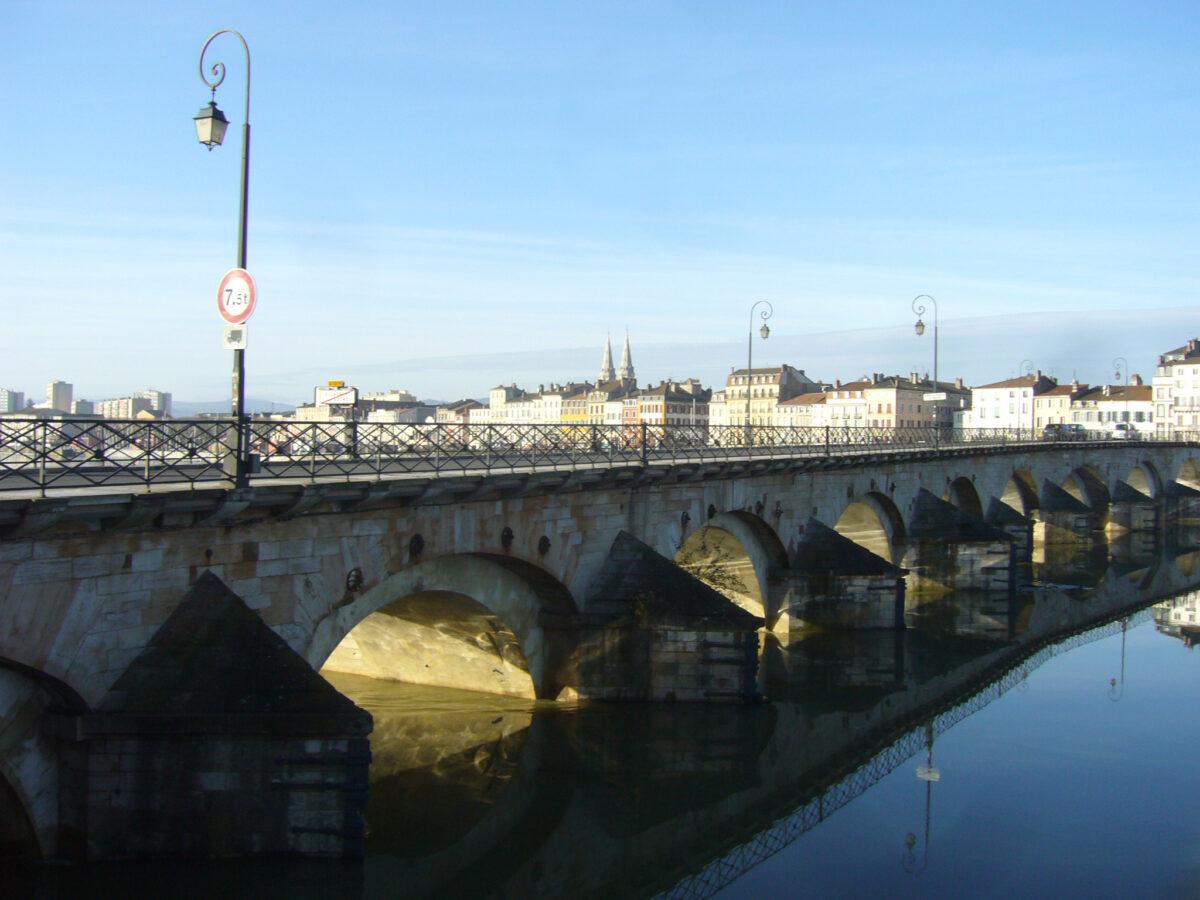
Its stone arches, cutwaters, and partial pedestrian deck make it an ideal walk at sunset. It is one of the favorite viewpoints for photographers and an identity landmark for the people of Mâcon.
Saint-Pierre Church

The volume of its apse, its bright nave, and its twin spires shape the panorama. Nearby, enjoy the lively squares and terraces in the city center.
Maison de Bois
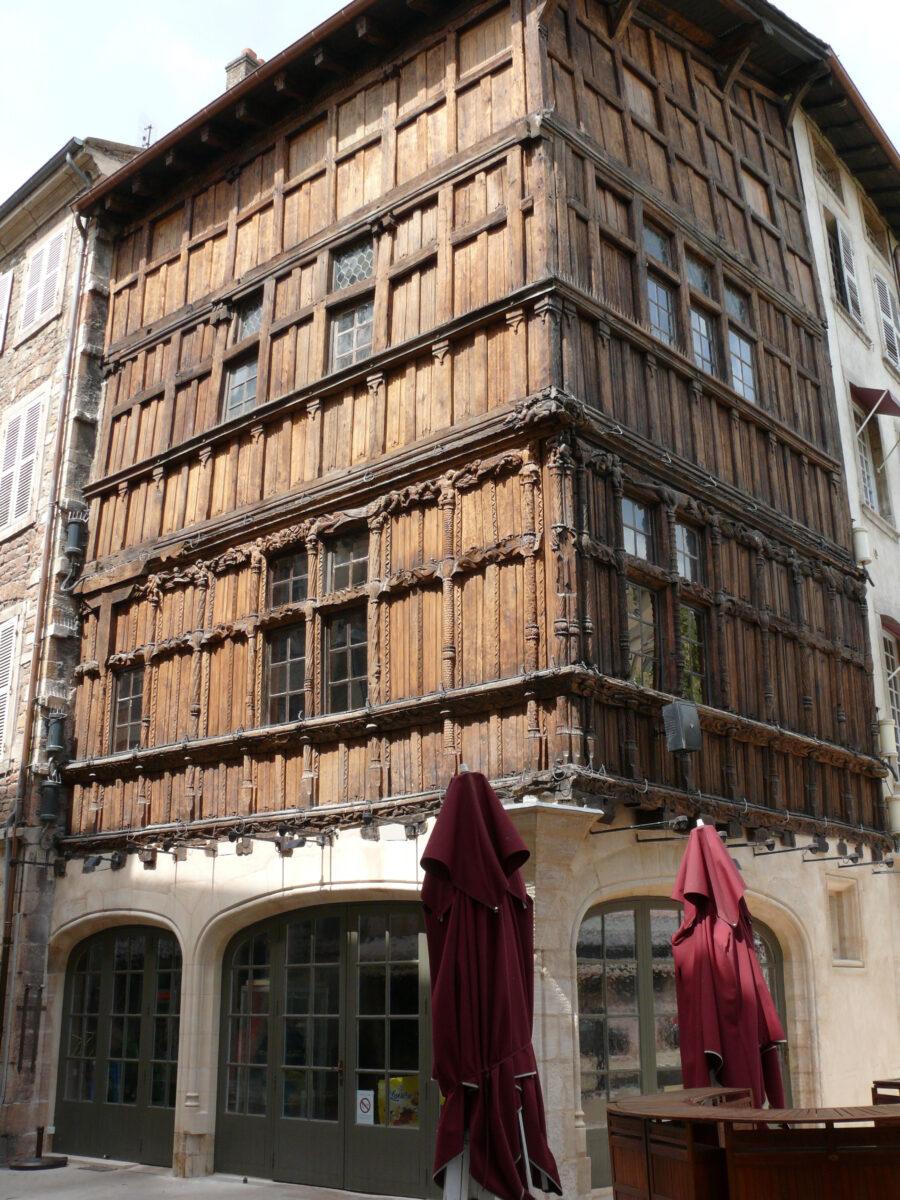
The Maison de Bois, recognizable by its carvings and timber-framed facade, is one of the most photographed buildings. It tells the story of craftsmanship and commercial urban life of past centuries.
Ursulines Museum
Housed in a former convent, it traces local history and preserves collections of archaeology, fine arts, and ethnography, perfect for a cross-sectional reading of the territory.
City of Climates and Wines of Burgundy (Mâcon site)
A recent cultural facility dedicated to discovering the vineyard: immersive tours, workshops, and a wine bar. An ideal gateway before exploring the surrounding wine villages.
Neighborhoods & urban atmosphere
Historic center: alleys, squares, colorful facades, and local shops. Ideal for a first immersion, between the quays and the art of living.
Saône quays: walks, viewpoints, sunny cafés. In the evening, the light reflects on the water and reveals another face of the city.
Near the train stations: practical areas for short stays, with quick connections to Lyon, Paris, and the vineyard.
Wine-growing outskirts: hamlets and villages just minutes away, countryside atmosphere, and welcoming estates.
Culture, events & scenes
The cultural program combines exhibitions, contemporary music, theater, and events related to the vine and wine. Appointments punctuate the year, with highlights in spring and autumn. Art and heritage enthusiasts easily complement their stay with Cluny, Tournus, or the villages of the Côte Chalonnaise and Beaujolais.
Museums & visits
- Ursulines Museum: cross-sectional collections on Mâcon and its territory.
- Urban routes: facades, courtyards, viewpoints over the Saône.
- Cité des Climats (Mâcon): immersion in the world of Burgundy wines.
Stages & outings
- Theater, concerts, seasonal events.
- Wine bars & tables where you can discover local vintages.
- Twilight walks on the very photogenic quays.
Around Mâcon
- Cluny Abbey & Romanesque sites of the Clunisois.
- Tournus, upper Saône bank, gastronomy and heritage.
- Beaujolais of the Golden Stones to the south.
Gastronomy & wines of the Mâconnais
The Mâcon table highlights Burgundian and Bresse recipes: œufs en meurette, Mâcon andouillette, grattons… Not to mention local sweets: idéal mâconnais (meringue with buttercream) and gaufrette mâconnaise.
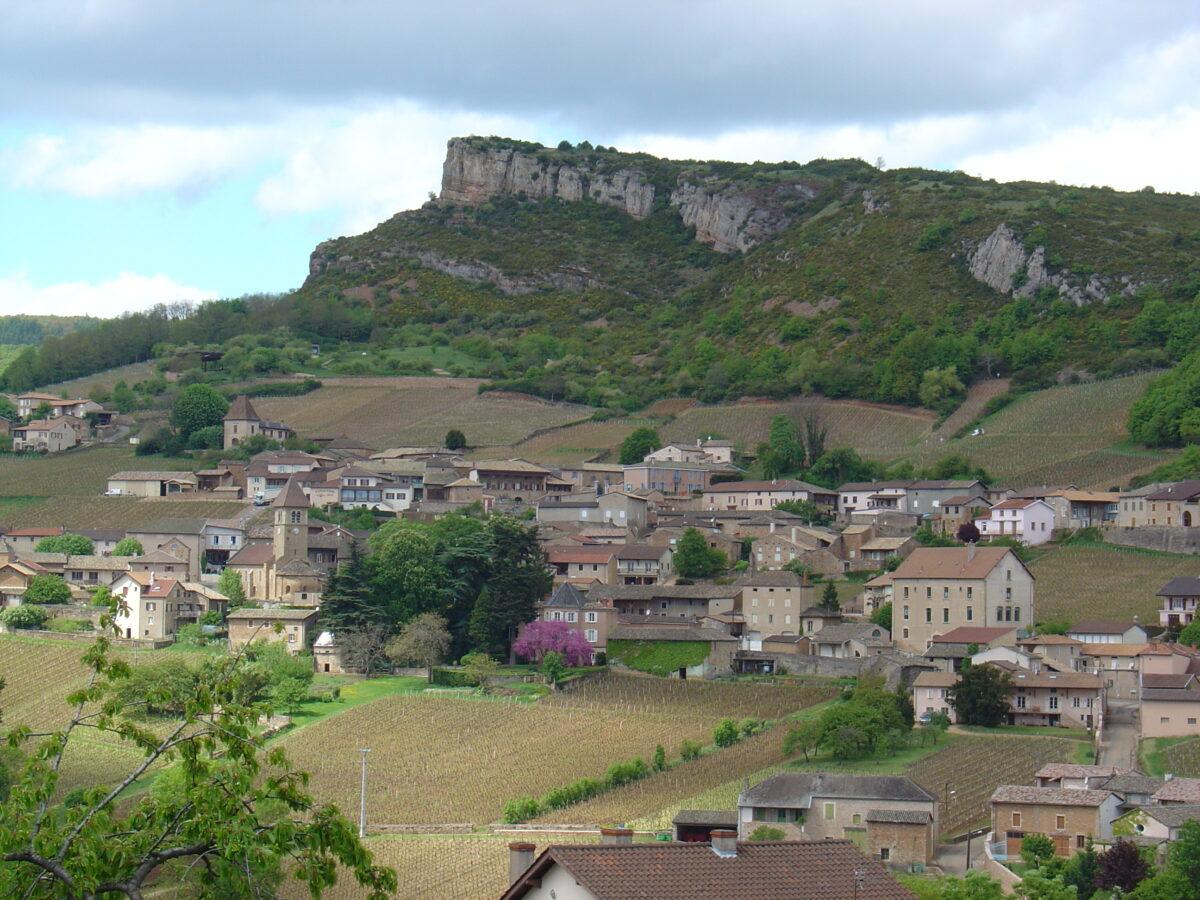
Around the city, the Mâconnais vineyard unfolds its Chardonnay slopes. The appellations “Mâcon,” “Mâcon-Villages,” and renowned crus such as Pouilly-Fuissé or Saint-Véran produce expressive whites, often floral, with hints of citrus and warm stone.
Emblematic appellations
- Mâcon & Mâcon-Villages: accessible and fruity whites.
- Pouilly-Fuissé: richness and depth, recognized premier crus.
- Saint-Véran, Viré-Clessé, Pouilly-Vinzelles & Pouilly-Loché: complementary styles.
Quick pairings
- River fish & Bresse poultry: Mâcon-Villages.
- Goat cheeses (AOP Mâconnais): Saint-Véran.
- Creamy cuisine & mushrooms: Pouilly-Fuissé.
Wine tourism advice: call the estates in advance, favor seated tastings, ask questions about the climats and vintages, and leave with one or two cuvées to extend the experience.
24h & 48h itineraries
Express program — 24 hours
- Morning: coffee downtown then visit the Maison de Bois and the old district.
- Late morning: Ursulines Museum for a historical and artistic overview.
- Lunch: Burgundian bistro with a glass of Mâcon-Villages.
- Afternoon: walk along the quays and cross the Saint-Laurent bridge for photos.
- End of day: Saint-Pierre church and tasting in a wine bar.
More complete stay — 48 hours
- Day 1: historic center, museums, Saône quays, and a gourmet spot in the evening.
- Day 2: vineyard loop — Solutré/Vergisson rocks in the morning, lunch in Fuissé, visit to an estate (Saint-Véran or Pouilly-Fuissé), sunset over the vines.
Walks, visit ideas & nature
Along the Saône, the developed quays invite walking or cycling. In the hinterland, the landscapes alternate between open forests, pastures, and vineyards, with remarkable viewpoints.
Around the Solutré and Vergisson rocks
These iconic limestone silhouettes dominate the vineyard and offer a spectacular panorama. Marked trails allow easy access to the summits; bring good shoes and water in summer.
Villages & wine routes
Fuissé, Charnay-lès-Mâcon, Davayé, Prissé… The wine route is dotted with cellars where you can taste and understand the diversity of terroirs (make an appointment, designate a driver).
Practical information
Where to stay?
- Historic center: ideal for doing everything on foot (quays, restaurants, museums).
- Near the station: convenient for short stays and excursions.
- Vineyard outskirts: guest rooms and estates for a vineyard immersion.
Getting around
- On foot & bike: compact center, comfortable quays, connections to greenways.
- Urban buses: serve neighborhoods and major sites.
- Car: useful for exploring the vineyard and surrounding sites.
Responsible tips
- Respect classified sites and private properties in the vineyards.
- Waste sorting, reusable water bottle, soft mobility whenever possible.
- Tasting: moderation and road safety.
FAQ
What is the best time to visit Mâcon? April–June and September–October: mild weather, vineyards in motion, and the perfect atmosphere for strolling along the quays. What are the must-see sights in one day? Maison de Bois, Saint-Pierre Church, a walk on the Saint-Laurent bridge, the Ursulines Museum, and the sunset over the Saône. Which wines should you discover first? Mâcon-Villages for freshness, Saint-Véran for cheese pairing, and Pouilly-Fuissé for complexity (premier crus). Is the city suitable for cycling trips? Yes, with facilities along the Saône and connections to the greenways of Mâconnais and Clunisois. Where to get up-to-date local information? Tourist office and Cité des Climats (Mâcon site) for programs, visits, and workshops around wine.