
Historical capital of Lorraine and prefecture of Moselle, Metz stands out as a city of art and architecture, at the crossroads of French and Germanic cultures. Between its Gothic cathedral nicknamed “the lantern of the Good Lord,” the Centre Pompidou-Metz, its medieval squares, and its parks along the Moselle and Seille rivers, the city of Metz combines heritage, nature, and economic dynamism.
TL;DR : City of art and history on the banks of the Moselle, Metz captivates with its cathedral, the Centre Pompidou-Metz, and its medieval neighborhoods. Quick access by TGV, A31/A4 highways, and BHNS METTIS. Stable population (INSEE 2021), diversified employment, still affordable real estate compared to neighboring metropolises. Ideal for a cultural weekend, professional establishment, or investment.
Sommaire
Geography and Location
Metz is located in the northeast of France, in the Grand Est region, at the confluence of the Moselle and Seille rivers. This river site has shaped a rare urban landscape pattern in France: islands, gardens, riverside walks, lively quays. Strasbourg is about 160 km away, Luxembourg 60 km, and Nancy 55 km, positioning Metz in a strategic cross-border triangle for employment and exchanges. The altitude varies from about 165 m to 190 m, with clear views over the Lorraine plateaus.
The urban fabric combines a historic city center, medieval suburbs (Outre-Seille), imperial neighborhoods planned during the German era, and modern complexes around the Technopole and contemporary ZACs. The parks play a role of “green stitching” between these areas and offer a valued residential setting.
History and Heritage
Occupied since Antiquity by the Mediomatrici, Metz — Divodurum Mediomatricorum then Mettis — established itself as the capital of Austrasia in the 6th century, before flourishing as a merchant city of the Holy Roman Empire. Its eventful history (annexations, fortifications, industrial development) has left readable layers in the Jaumont stone, a characteristic ochre-golden limestone that bathes the city in warm light at sunset.
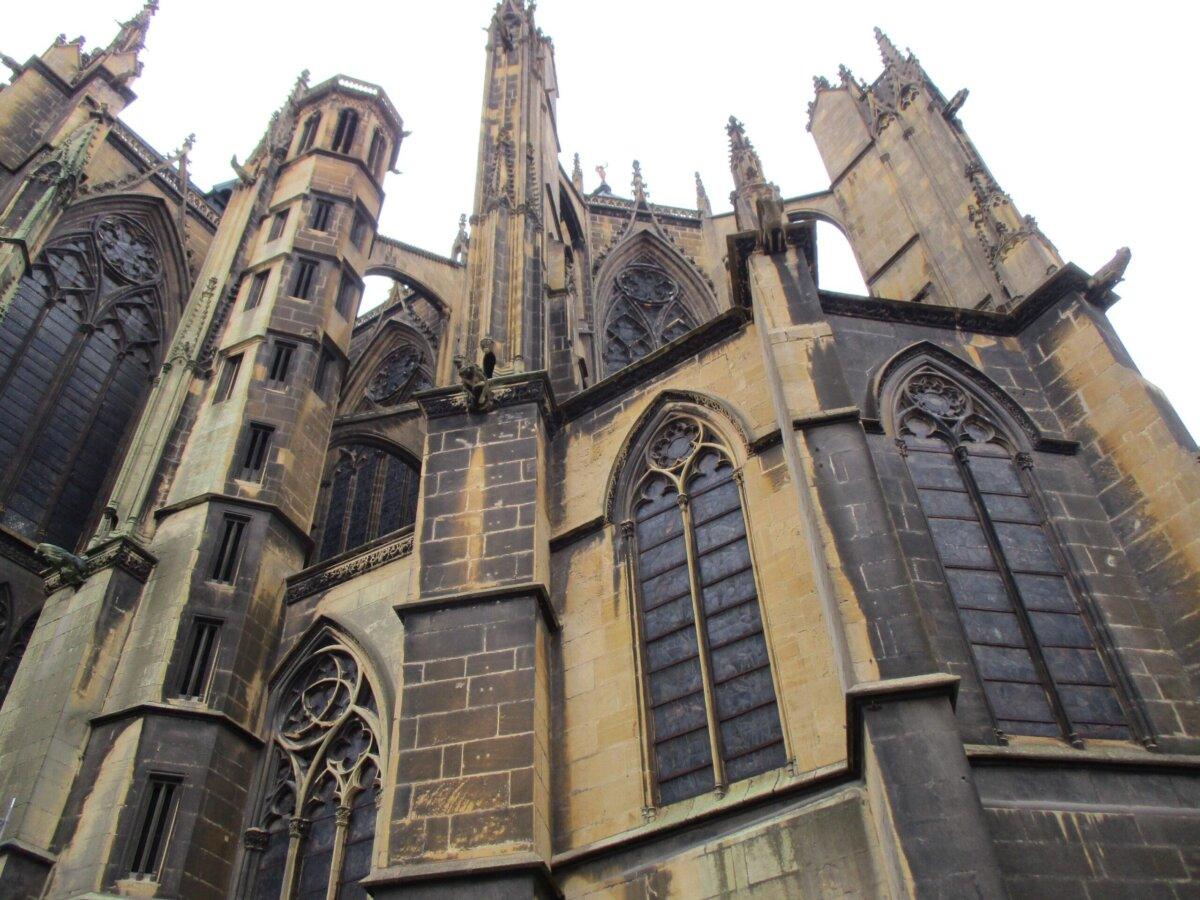
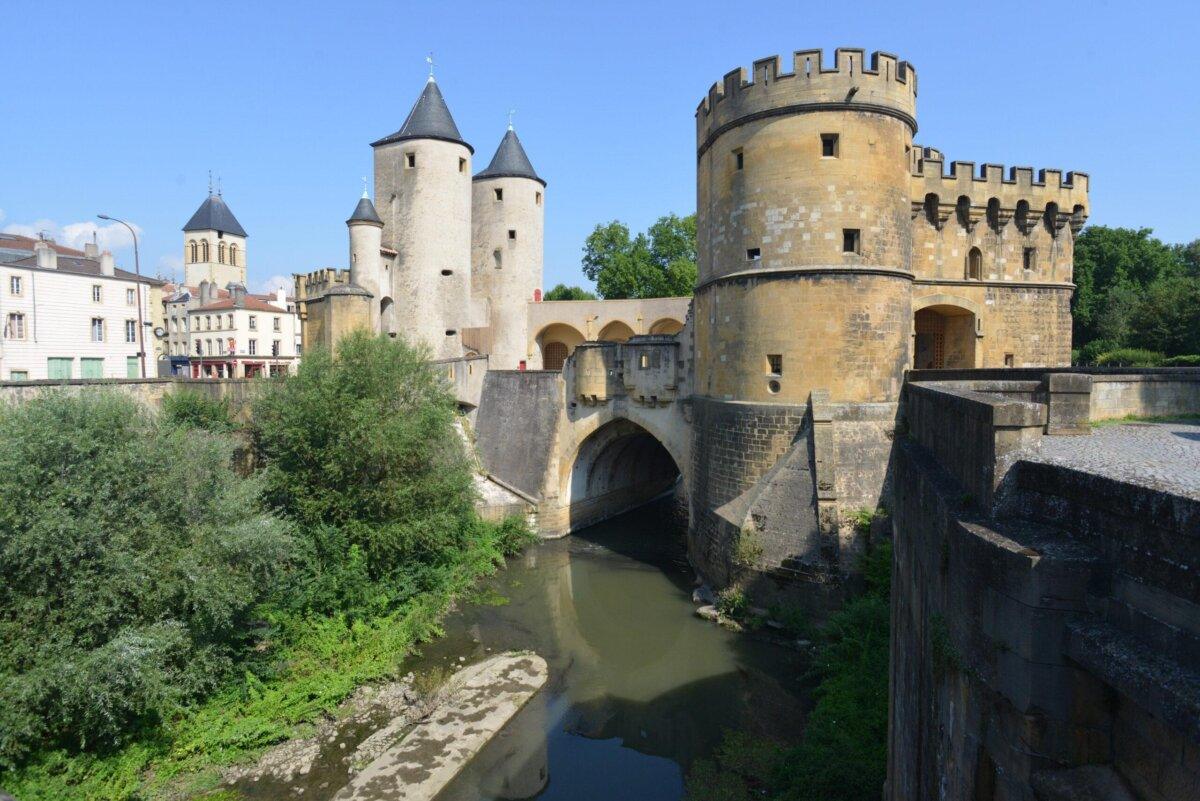
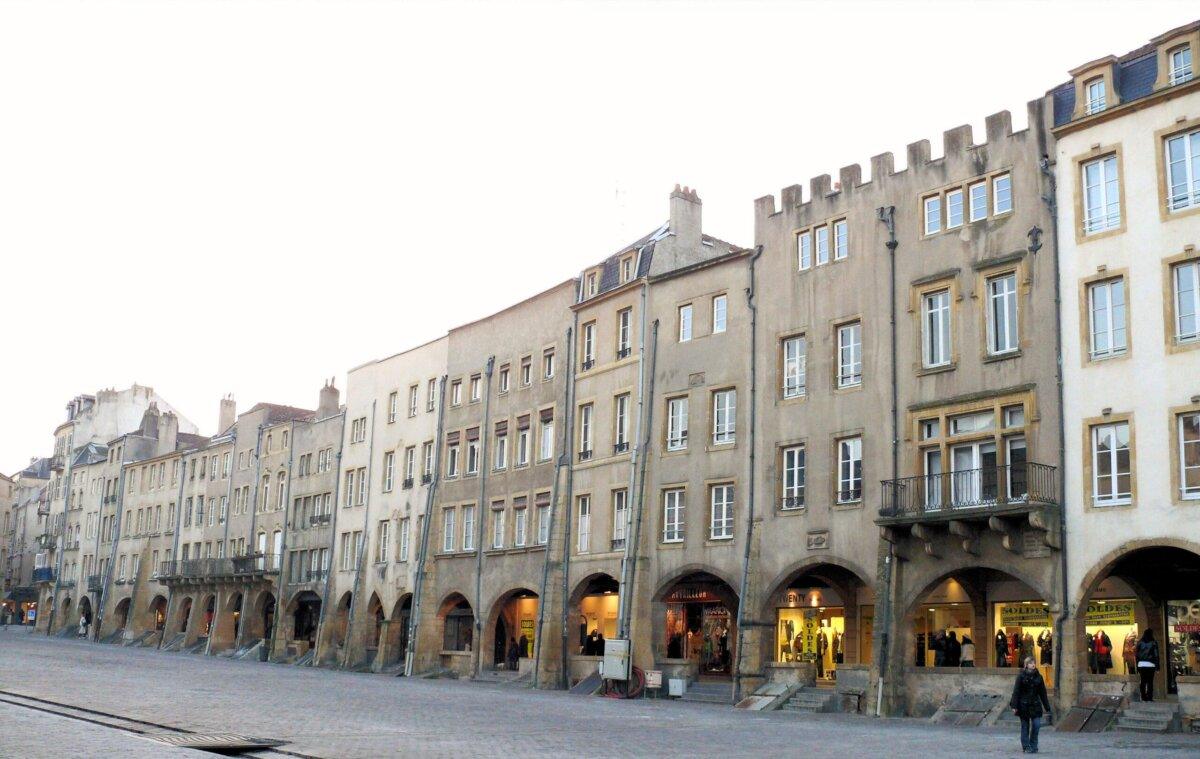
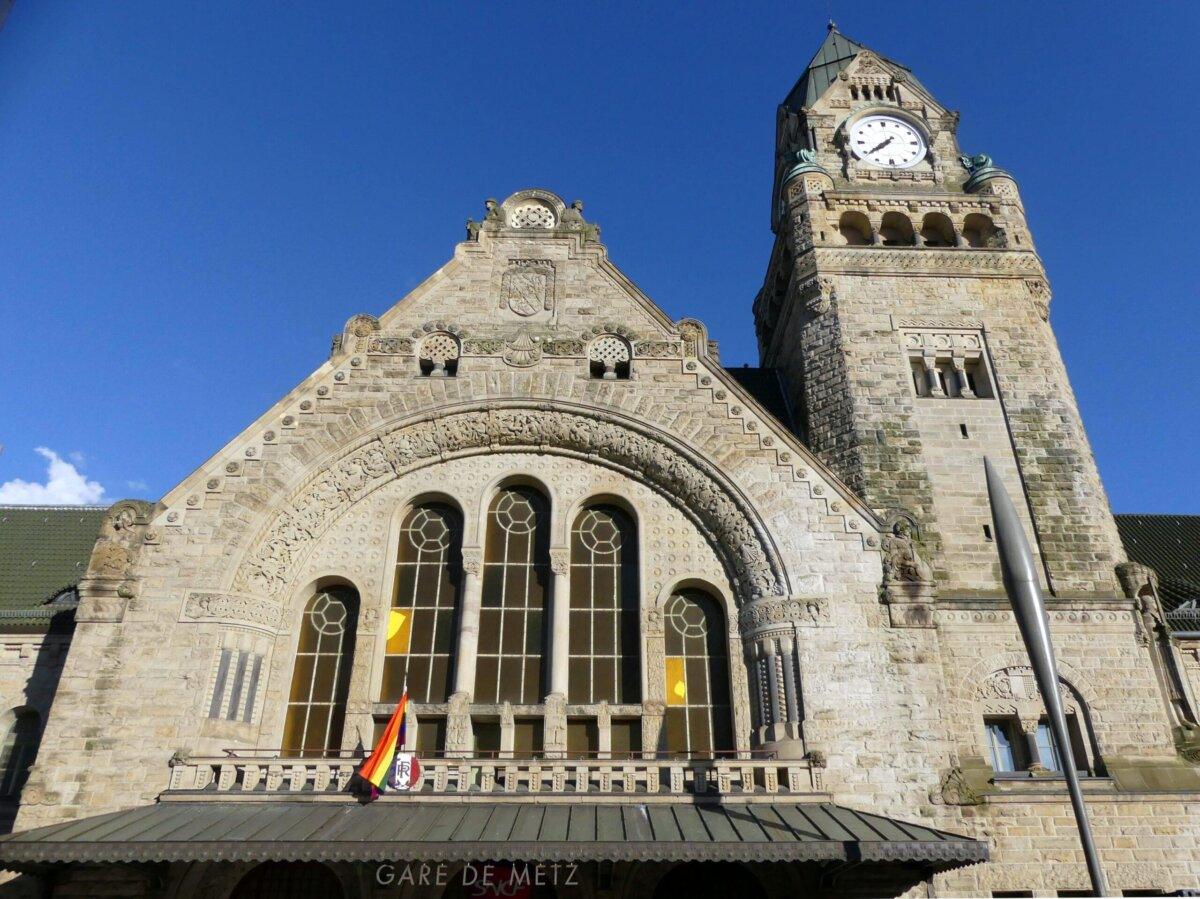
The Saint-Étienne Cathedral (13th–16th centuries) is famous for its exceptional glass surface and modern stained glass windows. The Porte des Allemands — a fortified bridge-castle — recalls Metz’s defensive role, while the Place Saint-Louis, with its arcades, testifies to medieval merchant dynamism. The Wilhelmian era bequeathed the imperial train station and the “imperial district,” an example of planned urbanism at the turn of the 20th century.
Population and Demography
According to INSEE, the municipality of Metz has 120,874 inhabitants in 2021, with an average density of about 2,882 inhabitants/km² (legal framework 2021). The trend has been generally stable over the last decade, with internal movements related to studies, professional mobility, and the attractiveness of neighboring municipalities of the metropolis. At the intercommunal level, Metz Métropole shows 230,314 inhabitants in 2022 over 324 km², or approximately 711 inhabitants/km² (INSEE EPCI). Sources: INSEE — Framing Data 2021 ; INSEE — Metz Métropole.
| Year | Population of Metz | Comment |
|---|---|---|
| 2010 | 120,738 | Post-2000 stability |
| 2015 | 117,492 | Slight decline |
| 2021 | 120,874 | Back above 120k |
Economy and Employment
The economy of Metz is multipolar: administration (prefecture, courts), health and social services (CHRU Metz-Thionville), higher education and research (University of Lorraine, ENSAM-Arts et Métiers at the Technopole), culture and tourism (Centre Pompidou-Metz, Museums of the Cour d’Or), business services and logistics functions. Industry remains present at the metropolitan and cross-border level (automotive, materials, energy, agriculture), with an employment basin connected to Thionville, Luxembourg, and Nancy.
Regarding the economic situation, the unemployment rate localized in Moselle is around 7.0–7.2% in 2024–2025 according to INSEE, in line with the Grand Est average (≈ 7.4% Q3 2024). Sources: INSEE — Moselle Unemployment ; DREETS Grand Est — Unemployment Q3 2024 (PDF).
Tourism and Culture
Metz claims a strong cultural identity: Italian-style opera-theater, Arsenal (concert hall), Museums of the Cour d’Or, Frac Lorraine, festivals (music, books, ephemeral gardens). The Centre Pompidou-Metz has helped reposition the city on the European contemporary art map, with more than 308,000 annual visitors recorded in the 2024 indicators of the Eurometropolis. City tours alternate between Gothic masterpieces, Wilhelminian facades, and medieval arcaded alleys. Source: Eurometropolis of Metz — Key Figures.
Top 5 Places to See
- Saint-Étienne Cathedral: soaring nave, stained glass windows several centuries old.
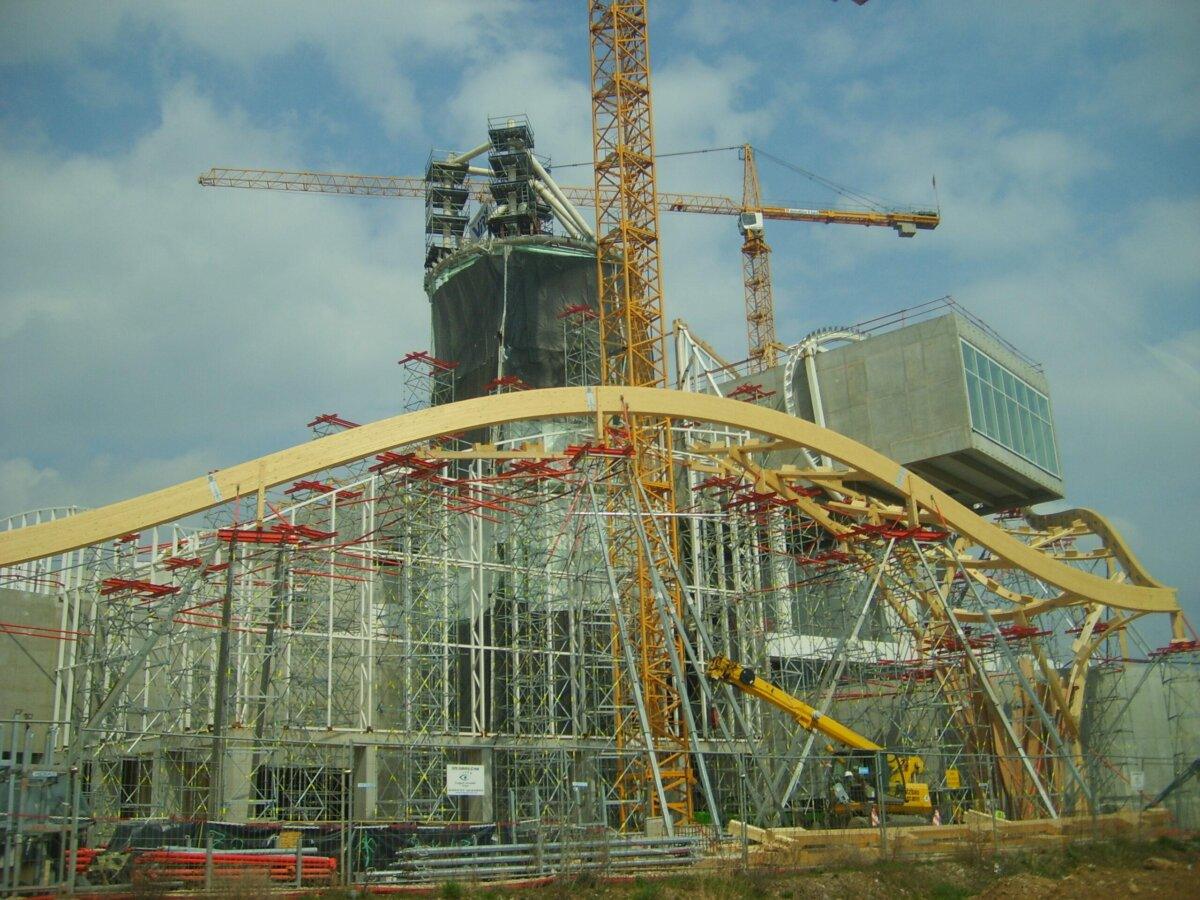
- Centre Pompidou-Metz: temporary exhibitions, viewpoints over the city.
- Porte des Allemands: defensive structure on the Seille river, photo walk.
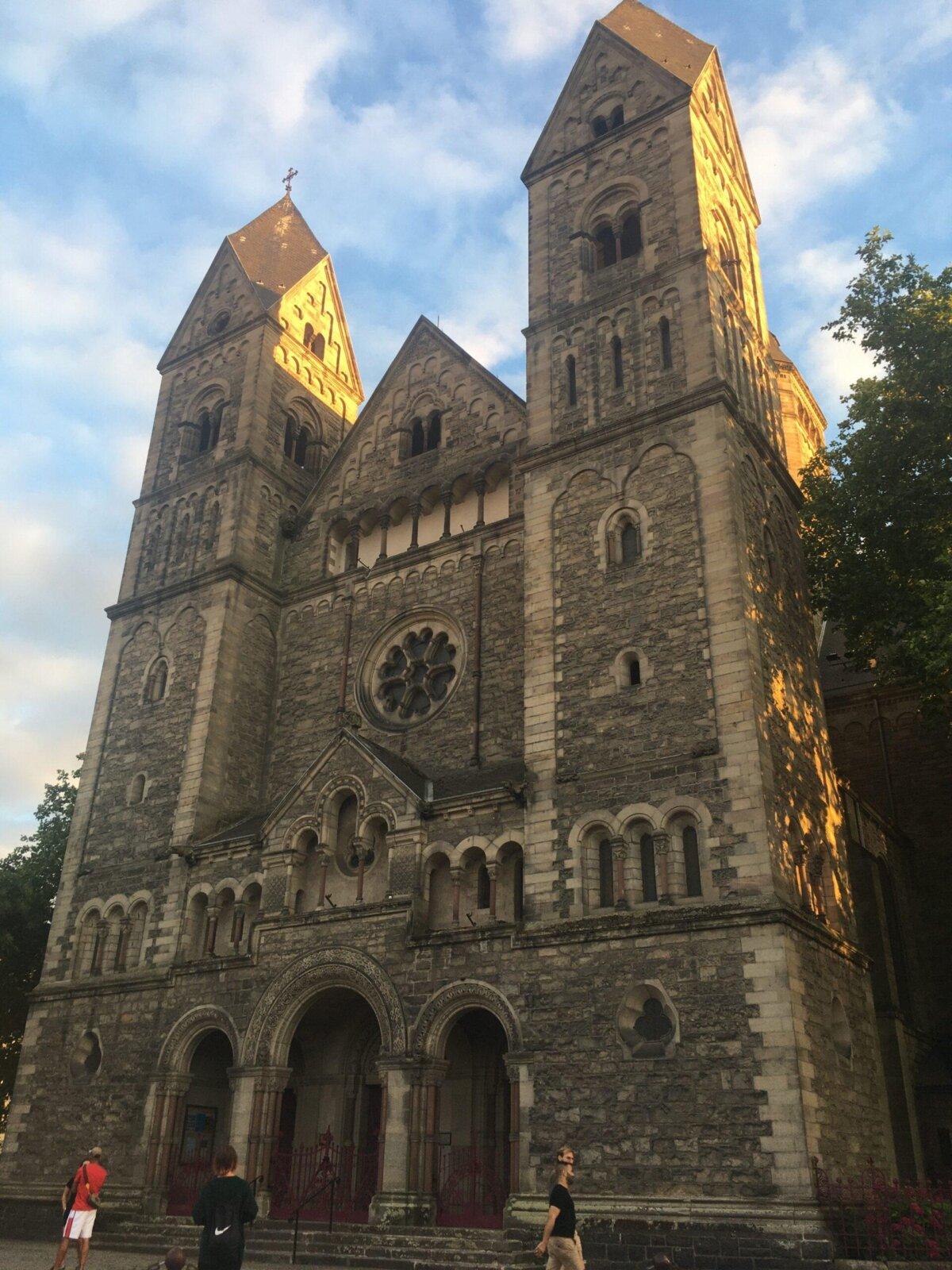
- Temple Neuf & Petit-Saulcy Island: postcard at sunset.
- Place Saint-Louis: medieval arcades, terraces and shops.
Transport and access
Train. Metz-Ville is connected to Paris-Est by TGV and TER (LGV Est connection), and to regional networks towards Nancy, Thionville, Luxembourg, Strasbourg. The station, built at the beginning of the 20th century, is listed as a historic monument (ref. PA00106842). Mérimée file.
Road. Motorway junction A31 (Luxembourg-Nancy-Dijon) and A4 (Strasbourg-Reims-Paris), well-sized ring road and main arteries. Park and ride facilities and cycling infrastructure are increasing.
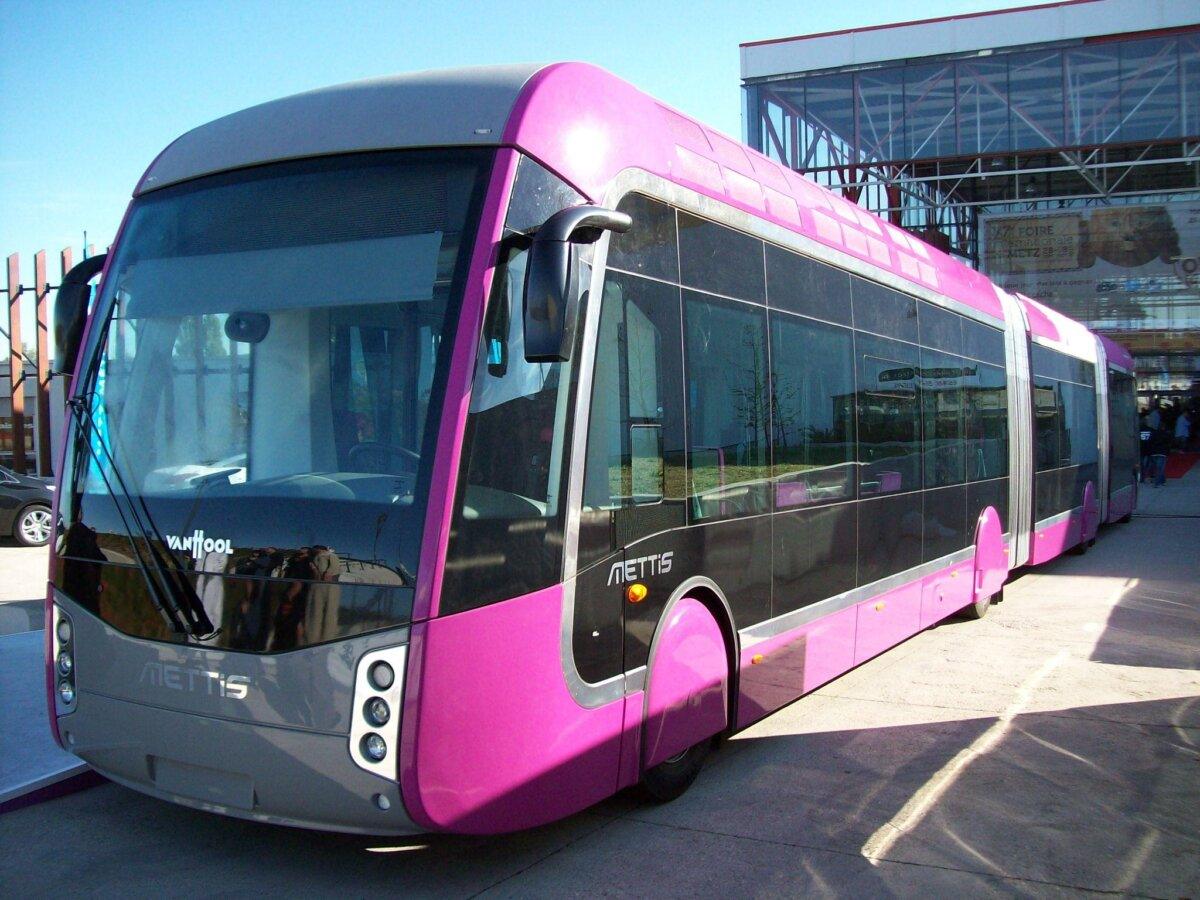
Urban mobility. The METTIS (Bus Rapid Transit) structures the East-West and North-South axes with bi-articulated buses offering a high level of service, dedicated lanes, and intermodality between bus, train, and bike.
Local life: education, sport, events
Education. Public and private schools and high schools well distributed, higher education programs at the Technopôle and downtown: University of Lorraine, IUT, engineering and business schools. Culture & sports. Arsenal, Opera-Theater, Trinitaires, ice rink, water sports facilities, stadiums and neighborhood complexes. Events. Constellations of Metz, Christmas markets, literary and musical gatherings enliven the year.
Neighborhoods and urban atmosphere
Historic center: shops, administrations, major heritage sites. Outre-Seille: medieval layout, crafts, narrow streets and picturesque facades. Amphitheater: recent urban development around the Centre Pompidou-Metz and the station, new housing and offices. Imperial district: boulevards, villas and Wilhelminian buildings. Technopôle-Grigy: campus, companies, business zones. Magny, Plantières-Queuleu, Devant-les-Ponts: varied residential settings, houses and small condominiums.
Real estate and urban planning
Price per m². In 2025, the median old price in Metz is around ≈ €2,560/m², the new around ≈ €4,140/m² according to consolidated estimates (source: Le Figaro Immobilier — Sept. 2025). The Alsace-Moselle notarial studies confirm in 2024-2025 a contrasted market depending on the areas, with sustained demand near employment hubs and the future source of energy renovations (Notaires Alsace-Moselle, March 2025, PDF).
Sought-after types. T2/T3 apartments in the city center for workers and students; townhouses in Outre-Seille and Devant-les-Ponts; new developments in the Amphitheater district and along the METTIS lines. Investment. Rental potential driven by the student population, cross-border proximity, and heritage quality. Urban planning. The metropolis continues gentle densification around stations and BHNS, energy requalification of the 1950-1975 housing stock, and the redevelopment of brownfields.
Recommended itinerary for 24–48 hours in Metz
Day 1: cathedral and covered market, stroll towards Saint-Louis square, Arsenal and gardens, sunset at the Temple Neuf. Day 2: Centre Pompidou-Metz, imperial district and station, walk at Porte des Allemands and along the Seille riverbanks, gourmet break featuring Lorraine specialties (quiche, mirabelles) 🍑.Culture key figure: 308,438 visitors at Centre Pompidou-Metz (Eurométropole indicators 2024). Source: Eurométropole.
Practical advice
- Season: spring-summer for terraces and waterside walks; autumn for the light on Jaumont stone; winter for Christmas markets.
- Mobility: favor METTIS and walking in the center; park-and-ride lots to avoid driving in the city center.
- Photography: best viewpoints at Moyen-Pont (Temple Neuf) and on the ramparts near Porte des Allemands.
Data, links and official sources
- INSEE — Metz (2021 data)
- INSEE — Metz Métropole (2022 population)
- DREETS Grand Est — Unemployment rate Q3 2024 (PDF)
- Eurométropole de Metz — Key figures
- Real estate prices — Metz (Sept. 2025)
Image credits — Verified direct URLs
- Saint Stephen’s Cathedral: original (≥3000 px) — CC0 / Wikimedia Commons
- Centre Pompidou-Metz: original (2816×2112) — CC-BY-SA 3.0 / Wikimedia Commons
- German Gate: original (7360×4912) — CC-BY-SA 4.0 / City of Metz via Wikimedia
- New Temple: original (3024×4032) — CC-BY-SA 4.0 / Wikimedia
- Saint Louis Square: original (3248×2055) — CC-BY 3.0 / Wikimedia
- METTIS Bus: original (2048×1536) — CC-BY-SA 3.0 / Wikimedia
FAQ
What is the best time to visit Metz?
From May to September to enjoy the banks and outdoor events. December is popular for Christmas markets.
How much time is needed for an essential visit?
24 hours is enough for the cathedral, Saint Louis Square, the New Temple, and a museum tour. Allow 48 hours including the Centre Pompidou-Metz and the German Gate.
Is Metz well connected to Paris and Luxembourg?
Yes. TGV/TER via the LGV East line to Paris, frequent connections to Luxembourg, Nancy, Strasbourg. A31/A4 for road travel.
What real estate budget should be planned for Metz in 2025?
As a guideline: old properties ≈ €2,560/m² and new ≈ €4,140/m². Prices vary depending on neighborhoods, condition, and energy performance.
What to eat in Metz?
Lorraine specialties: quiche, Lorraine pâtés, mirabelle plums, bergamots, Moselle AOC wines, and craft beers.
Conclusion
Metz successfully combines a city-landscape with a cultural capital. Its cross-border position, major infrastructures, still affordable real estate prices, and leisure offerings make it an attractive destination for living, entrepreneurship, or investment. To refine a project (establishment, market study, property search), rely on INSEE data and Eurometropolis documents, then target neighborhoods according to your mobility and quality of life priorities.
{ “@context”: “https://schema.org”, “@graph”: [ { “@type”: “Article”, “headline”: “Metz: the complete 2025 guide — history, neighborhoods, transport, local life and real estate”, “description”: “Expert local guide to discover Metz: heritage, neighborhoods, transport, economy, INSEE data and real estate trends.”, “inLanguage”: “fr”, }, { “@type”: “FAQPage”, “mainEntity”: [ { “@type”: “Question”, “name”: “What is the best time to visit Metz?”, “acceptedAnswer”: { “@type”: “Answer”, “text”: “From May to September for the banks and outdoor events. December for Christmas markets.” } }, { “@type”: “Question”, “name”: “How much time is needed for an essential visit?”, “acceptedAnswer”: { “@type”: “Answer”, “text”: “Plan 24 hours for the essentials and 48 hours with Centre Pompidou–Metz and Porte des Allemands.” } }, { “@type”: “Question”, “name”: “Is Metz well connected to Paris and Luxembourg?”, “acceptedAnswer”: { “@type”: “Answer”, “text”: “Yes. TGV/TER connections via the LGV Est and many trains to Luxembourg. Highways A31/A4.” } }, { “@type”: “Question”, “name”: “What real estate budget to plan for in Metz in 2025?”, “acceptedAnswer”: { “@type”: “Answer”, “text”: “Old properties approximately €2,560/m² and new properties approximately €4,140/m² according to public estimates.” } }, { “@type”: “Question”, “name”: “What to eat in Metz?”, “acceptedAnswer”: { “@type”: “Answer”, “text”: “Quiche, mirabelle plums, Lorraine pâtés, bergamots, AOC Moselle wines and craft beers.” } } ] } ] }