Selection Criteria and Methodology
Choosing a ranking involves defining solid criteria. Here, four dimensions guided the hierarchy:
- Geographical scope: national or limited to a region?
- Mobilization: estimated number of participants and intensity of clashes.
- Consequences: political or social reforms directly linked.
- Duration: brief and violent uprisings versus prolonged guerrilla warfare.
This framework allows appreciating both the medieval Jacquerie, swift but limited, and the long Camisard wars where stubborn resistance left a lasting mark on the southern kingdom.
Top 6 Popular Uprisings
| Uprising | Period | Region | Main Cause | Human Toll |
|---|---|---|---|---|
| Jacquerie | May–June 1358 | North of France | Feudal taxation and English pillaging | 3,000–6,000 deaths |
| Fronde | 1648–1653 | Île-de-France and provinces | Struggle against central authority and taxes | around 10,000 deaths |
| War of the Camisards | 1702–1704 | Cevennes | Persecution of Protestants | 2,000–3,000 deaths |
| French Revolution | 1789–1799 | Entire France | Inequalities, fiscal and social crisis | 50,000–100,000 deaths |
| Paris Commune | March–May 1871 | Paris | Government ineptitude and misery | 15,000–30,000 deaths |
| Winegrowers’ Riots of the Midi | 1907 | Languedoc | Collapse of wine prices | 200–300 deaths |
1. The Jacquerie of 1358
At the heart of the Hundred Years’ War, peasants exasperated by English pillaging and requisitions rose up against the nobility. In a few weeks, peasant rage turned castles and manors into targets, before royal repression brutally crushed the movement. This outburst of anger remains a symbol of medieval social injustice.
2. The Fronde (1648–1653)
From a more aristocratic framework, the Fronde involved parliaments, nobles, and Parisian bourgeois. The goal? To break Mazarin’s rise to power and weaken the emerging absolute monarchy. The importance of military mobilization and the widespread nature of the insurrection earned it a prominent place in our ranking.
3. The War of the Camisards
In the Cevennes, the persecution of Protestants triggered a rural guerrilla war where pastors and peasants took up arms. Like a partisan war, this revolt is remarkable for the tenacity of its religious leaders and the scale of the repression that followed. The conflict crystallized religious tensions and the desire for local independence.
4. French Revolution
It is impossible to talk about popular uprisings without mentioning 1789. The storming of the Bastille, the October days, and the Great Fear were the most spectacular episodes of a movement that far exceeded the borders of France. The echo of these events still resonates in our institutions and civil rights.
5. The Paris Commune
In 1871, the feeling of abandonment following the defeat against Prussia and misery fueled a municipal insurrection. For two months, Paris was governed by its citizens. The ensuing massacre, known as the “Bloody Week,” remains one of the most violent urban repressions of the modern era.
6. The Winegrowers’ Riots of the Midi
Arriving in the streets of Montpellier, Narbonne, and Béziers, the revolted winegrowers demanded guaranteed prices and denounced foreign competition. Although more localized, this agricultural revolt mobilized up to 300,000 protesters and forced the government to take unprecedented support measures.
Heritage and Memory Preservation
The study of these revolts is not limited to accounts of violence. The preservation of traces—engravings, repression letters, weapons—is often done in places open to the public. Several free museums reveal these artifacts free of charge, offering access to collective memory.
As for researchers, they exploit digitized sources online. For example, the BnF library via Gallica allows exploration of manuscripts and pamphlets from the era, shedding light on popular motivations and state violence.
« Popular revolts are as much indicators of social fractures as they are catalysts for imperative reforms. »
– Jean-Clément Martin, specialized historian
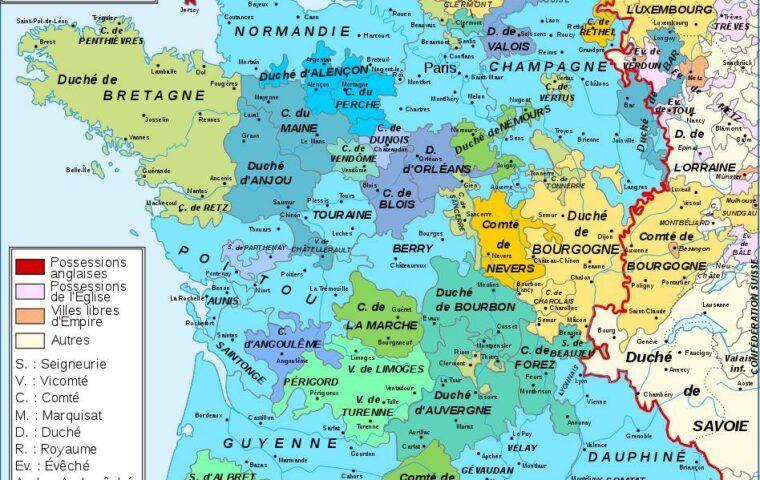
Finally, the mapping of these events raises inevitable debates. A recent controversy about historical maps reminds us that the spatial narrative of history can bias the perception of uprisings.
Impact on Governance and Monarchy
Each upheaval forced the authorities to adapt. From the lifting of the seigneurial veto after 1358 to the revolutionary decrees abolishing privileges, these movements compelled the State to rethink its legitimacy. One can even establish a direct link between the instability caused by the Fronde and the strengthening of the absolutist monarchical model. To understand how the monarchy managed to renew itself despite these crises, one can refer to the revelations on post-revolutionary survival.
Ultimately, the shockwave of riots has often been the driver of political innovation: fiscal participation, legal equity, local representation… Ideas born on the barricades sometimes ended up in assemblies.
How Do These Revolts Shape Modern France ?
Beyond pure violence, these insurrections question the relationship between the governed and the governors. The mechanisms of claim – petitions, grievance notebooks, demonstrations – have evolved, but the spirit remains: to demand a share of power and justice.
- Social reforms: labor code, right of assembly, and public freedoms have their roots in popular contestation.
- Living memories: annual commemorations, academic conferences, and temporary exhibitions perpetuate the memory.
- Civic education: the study of these uprisings fuels reflection on citizenship and the social contract.
Frequently Asked Questions
What distinguishes a popular revolt from a civil war ?
A popular revolt generally arises from a civilian segment excluded from power (peasants, artisans, workers), without the intention of completely overthrowing the State, unlike a civil war where the confrontation opposes armed factions for the conquest of central power.
How to estimate the number of participants in an ancient insurrection ?
Estimates are based on varied sources: tax registers, chronicles, military reports, or administrative letters. Historians cross-reference these data to propose ranges, aware of the inherent imprecision in medieval or modern archives.
Why have so many revolts originated from taxation ?
The perception of unfair taxes or abuses by tax farmers crystallizes social resentment. Taxation affects all social orders, becoming the symbol of a power deemed arbitrary and the spark that ignites broader demands.
Are there museums specifically dedicated to popular revolts ?
Yes: some institutions such as the Museum of the French Revolution (Château de Vizille) or special sections in free regional museums offer thematic routes entirely devoted to insurrections.
How to teach these episodes without glorifying violence ?
By focusing on the analysis of causes and consequences, and highlighting the non-violent alternatives that emerged afterward (parliamentary negotiations, constitutional reforms). The critical approach allows lessons of social justice to be drawn rather than simple confrontation.
{
“@context”: “https://schema.org”,
“@type”: “WebPage”,
“about”: {
“@type”: “Thing”,
“name”: “historical French popular revolts”
},
“keywords”: [“Jacquerie”,”Fronde”,”Camisards”,”Paris Commune”,”agricultural revolt”]
}
{
“@context”: “https://schema.org”,
“@type”: “Article”,
“headline”: “Ranking of the greatest popular revolts in the History of France”,
“description”: “An overview of major revolts, from the Jacquerie to the Commune, to grasp the social and political impact of French popular uprisings.”,
“keywords”: [“revolts”,”Jacquerie”,”French Revolution”,”Commune”,”Camisards”],
“mainEntity”: {
“@type”: “FAQPage”,
“mainEntity”: [
{
“@type”: “Question”,
“name”: “What distinguishes a popular revolt from a civil war ?”,
“acceptedAnswer”: {
“@type”: “Answer”,
“text”: “The popular revolt generally arises from a civilian segment excluded from power, without the intention to completely overthrow the State.”
}
},
{
“@type”: “Question”,
“name”: “How to estimate the number of participants in an ancient insurrection ?”,
“acceptedAnswer”: {
“@type”: “Answer”,
“text”: “Historians cross-reference tax records, chronicles, and military reports to propose ranges, aware of the imprecision of sources.”
}
},
{
“@type”: “Question”,
“name”: “Why have so many revolts originated from taxation ?”,
“acceptedAnswer”: {
“@type”: “Answer”,
“text”: “Taxation, perceived as unfair, crystallizes social resentment and becomes the symbol of arbitrary power.”
}
},
{
“@type”: “Question”,
“name”: “Are there museums specifically dedicated to popular revolts ?”,
“acceptedAnswer”: {
“@type”: “Answer”,
“text”: “Some institutions such as the Museum of the French Revolution or sections in free regional museums offer thematic routes.”
}
},
{
“@type”: “Question”,
“name”: “How to teach these episodes without glorifying violence ?”,
“acceptedAnswer”: {
“@type”: “Answer”,
“text”: “By focusing on the analysis of causes and consequences and highlighting the non-violent alternatives that emerged afterward.”
}
}
]
}
}