Why visit the Gallo-Roman ruins of Lyon?
At first glance, a walk among ruins may seem contemplative. Yet, venturing into ancient theaters or underground labyrinths is to transport oneself to the heart of a political and economic crossroads of Antiquity. Lugdunum played a central role in Roman administration, linking the Mediterranean and northern provinces.
More than an architectural testimony, these sites reflect daily life: workshops, baths, shops lined along the viae. The richness of mosaics or the finesse of sculptures invite understanding the interactions between Roman settlers and local Celtic populations. Visiting these places is to grasp the cultural abundance born from this encounter.
Must-see sites and suggested itinerary
The Ancient Theatre of Fourvière
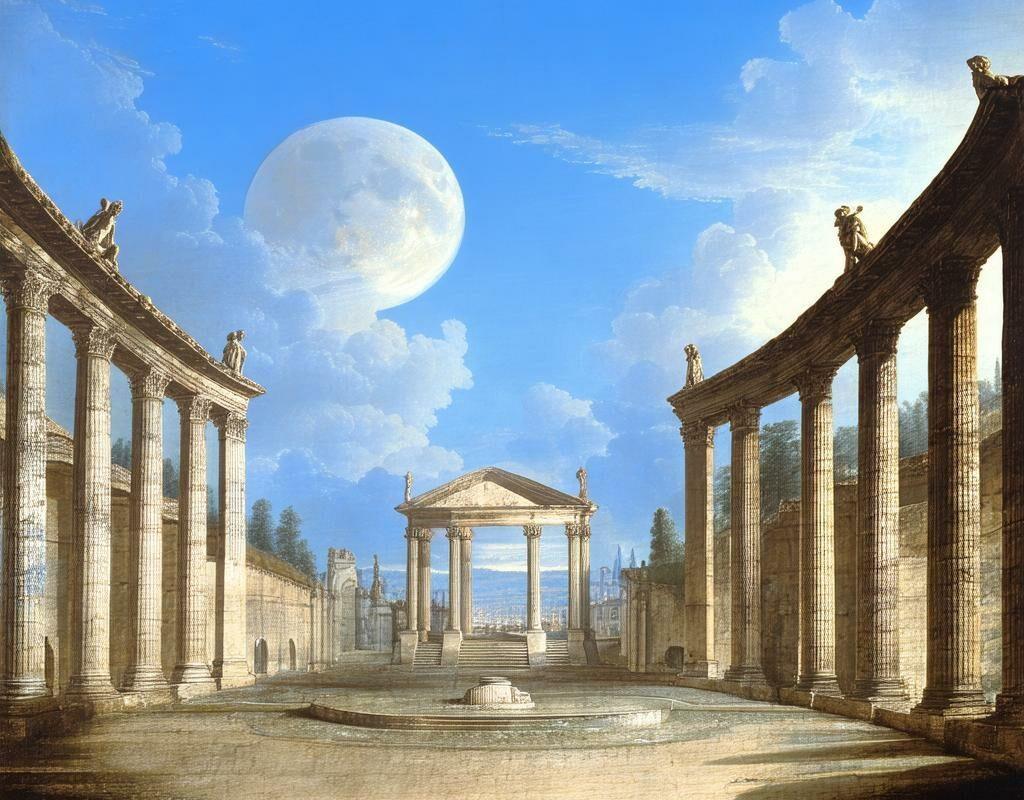
Overlooking the city, the large theatre once accommodated up to 10,000 spectators. Today, the restored stands offer a breathtaking view of Lyon and serve as a backdrop for summer festivals. Beneath the stones, one can discern the exact location of the stage and porticoes, reinvented through excavations from the late 19th – early 20th century.
Tip: bring a hat and water, as the site is exposed to the sun. A public elevator is being considered to address accessibility constraints, but some stairs remain to reach the upper forecourt.
The Odeon and the Small Stage
Beloved by the curious walker, the Odeon is nestled not far from the large theatre. This small performance space held about 3,000 seats, reserved for more intimate shows. Its cozier architecture and adjoining agora testify to the role of public debate in Lugdunum.
During consolidation work in the 1960s, engraved inscriptions were uncovered, mentioning local actors and patrons. A reminder that entertainment, far from trivial, was a means of political and religious dissemination.
The Ruins on Rue de l’Antiquaille
Heading down towards Croix-Rousse, one embarks on a vertical journey. Beneath this modern artery, the remains of a craft district are revealed through a landscaped walk. Roman tile floors, wall fragments, and milestone markers punctuate the route.
“This underground exploration often reveals the thickness of time: each slab reminds you that above, modern life has been superimposed over the centuries.”
A guided night tour features subtly directed lighting, bringing columns and arches to light in an almost mystical atmosphere.
The Gallo-Roman Museum and Its Interactive Tour
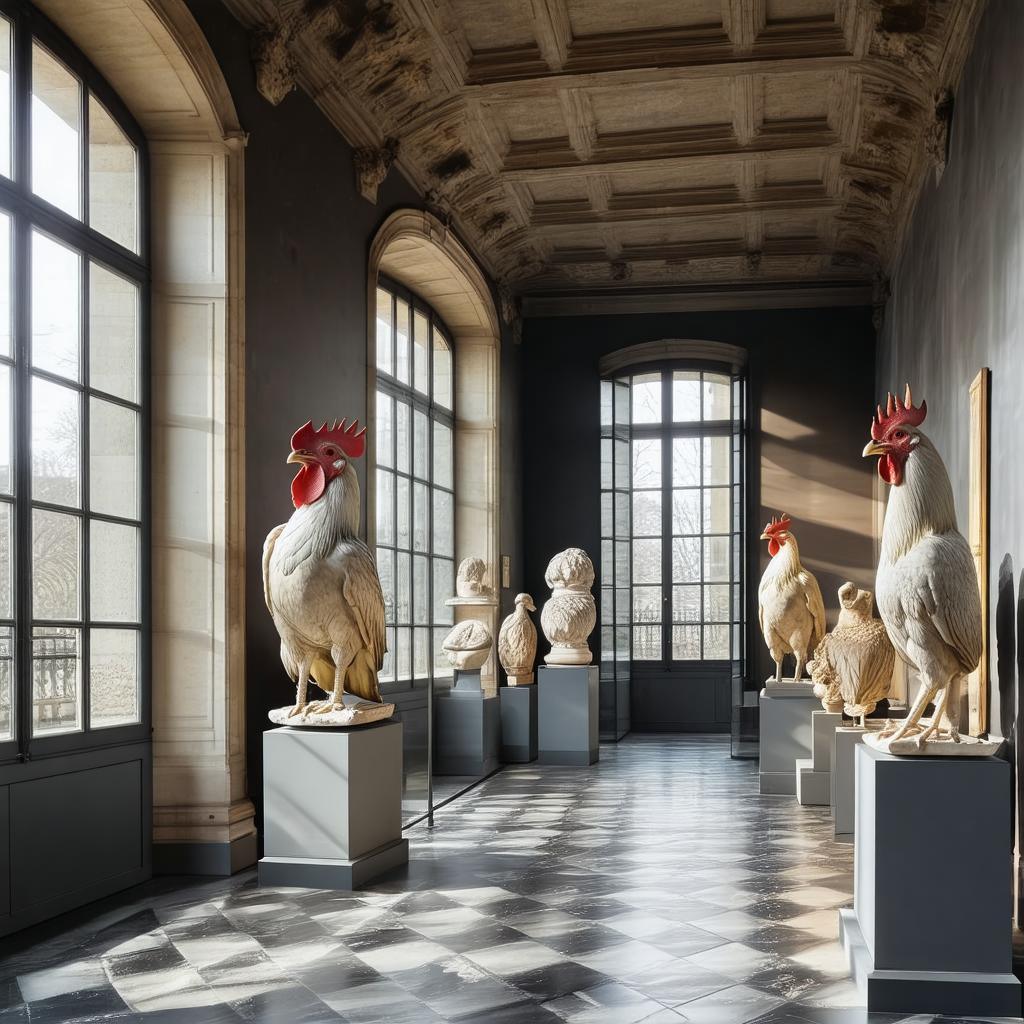
Adjacent to the theatres, this museum presents itself as a contemporary showcase for ancient works. Inside, 3D models, touch terminals, and videos restore the original appearance of Lugdunum. Collections of ceramics, sculptures, and coins illustrate the city’s commercial growth.
A good tip is to buy the combined theatre + museum pass, advantageous for those planning to stay two hours or more on site.
Practical Tips for a Successful Visit
- Opening hours: most sites open from 10 a.m. to 6 p.m., extended in summer until 10 p.m. for themed visits.
- Tickets: online a few days in advance, especially during the Festival Lumière and the Nuits de Fourvière events.
- Equipment: closed shoes, water bottle, hat. The terrain can be slippery when wet.
- Transport: Vieux Lyon–Fourvière funicular or bus C10. Allow 10 minutes from Perrache station.
- Guided tour: a guide-lecturer provides unique insights into the customs and rituals of Antiquity.
- Accessibility: main paths are partly adapted, but the full itinerary still includes cobblestones and stairs.
For a relaxing moment, combine the visit with a tasting of Lyonnaise specialties in a bouchon of Vieux Lyon, just steps from the ruins.
Historical Anecdotes and Iconic Figures
According to tradition, Lugdunum was founded in 43 BC by Lucius Munatius Plancus. From then on, it would become the “capital of the Gauls,” a title conferred by Augustus himself. The Roman roads aligned like arrows towards Northern Europe made the city a strategic relay for military convoys and commercial exchanges.
The future emperor Septimius Severus, native of Leptis Magna, came to stay in Lyon to oversee the legion. A fragmentary inscription on the forum floor still recalls his passage, while recent excavations have uncovered dedications to Apollo.
FAQ
Which Gallo-Roman sites are free in Lyon?
The grand theater and the Odeon are accessible without a ticket from the esplanade. For the Odeon, some interior areas still require a paid guided tour.
When to see the ruins without crowds?
Weekday mornings, outside school holiday periods. The late afternoon light also offers a rare calm, conducive to photography.
How to combine the visit with Old Lyon?
From the ascent of Fourvière, count 15 minutes on foot to Saint-Jean Cathedral and its traboules. Ideal for a one-day tour.
Is there an audio tour available?
Yes, via the museum’s mobile application. The commentary includes geolocation and period sound reconstructions.
{
“@context”: “https://schema.org”,
“@type”: “WebPage”,
“about”: {
“@type”: “Thing”,
“name”: “Gallo-Roman remains of Lyon”
},
“keywords”: [“Lugdunum”, “ancient theater”, “Odeon”, “Gallo-Roman museum”, “Fourvière”]
}
{
“@context”: “https://schema.org”,
“@type”: “Article”,
“headline”: “Complete guide to exploring the Gallo-Roman remains of Lyon”,
“description”: “Detailed itinerary, practical advice, and historical anecdotes for an immersive discovery of the Gallo-Roman remains of Lyon.”,
“keywords”: [“Gallo-Roman remains”, “Lugdunum”, “Gallo-Roman museum”, “Fourvière”, “Odeon”],
“mainEntity”: {
“@type”: “FAQPage”,
“mainEntity”: [
{
“@type”: “Question”,
“name”: “Which Gallo-Roman sites are free in Lyon?”,
“acceptedAnswer”: {
“@type”: “Answer”,
“text”: “The grand theater and the Odeon are accessible without a ticket from the esplanade. For the Odeon, some interior areas still require a paid guided tour.”
}
},
{
“@type”: “Question”,
“name”: “When to see the ruins without crowds?”,
“acceptedAnswer”: {
“@type”: “Answer”,
“text”: “Weekday mornings, outside school holiday periods. The late afternoon light also offers a rare calm, conducive to photography.”
}
},
{
“@type”: “Question”,
“name”: “How to combine the visit with Old Lyon?”,
“acceptedAnswer”: {
“@type”: “Answer”,
“text”: “From the ascent of Fourvière, count 15 minutes on foot to Saint-Jean Cathedral and its traboules. Ideal for a one-day tour.”
}
},
{
“@type”: “Question”,
“name”: “Is there an audio tour available?”,
“acceptedAnswer”: {
“@type”: “Answer”,
“text”: “Yes, via the museum’s mobile application. The commentary includes geolocation and period sound reconstructions.”
}
}
]
}
}