Réunion, an intense island in the Indian Ocean, combines an active volcano (Piton de la Fournaise), dizzying cirques (Mafate, Cilaos, Salazie), and a protected turquoise lagoon. Within a few kilometers, you go from the mist of the high plains to the filaos trees on the coast, from maloya music to alpine hiking, from cari to arranged rum. Here is a complete guide, designed as an urban planner-traveler’s notebook, to prepare your stay: geography, history, key data, top 10 visits, transportation, safety, accommodations, and budget.
Sommaire
Geography and location
Réunion (overseas department and region, code 974) is located in the Mascarene archipelago, about 700 km east of Madagascar and about 170 km southwest of Mauritius. Area: ≈ 2,512 km². Its spectacular relief is shaped by two volcanic massifs:
- Piton des Neiges (3,071 m), an ancient volcano and the highest point on the island and in the western Indian Ocean, extinct;
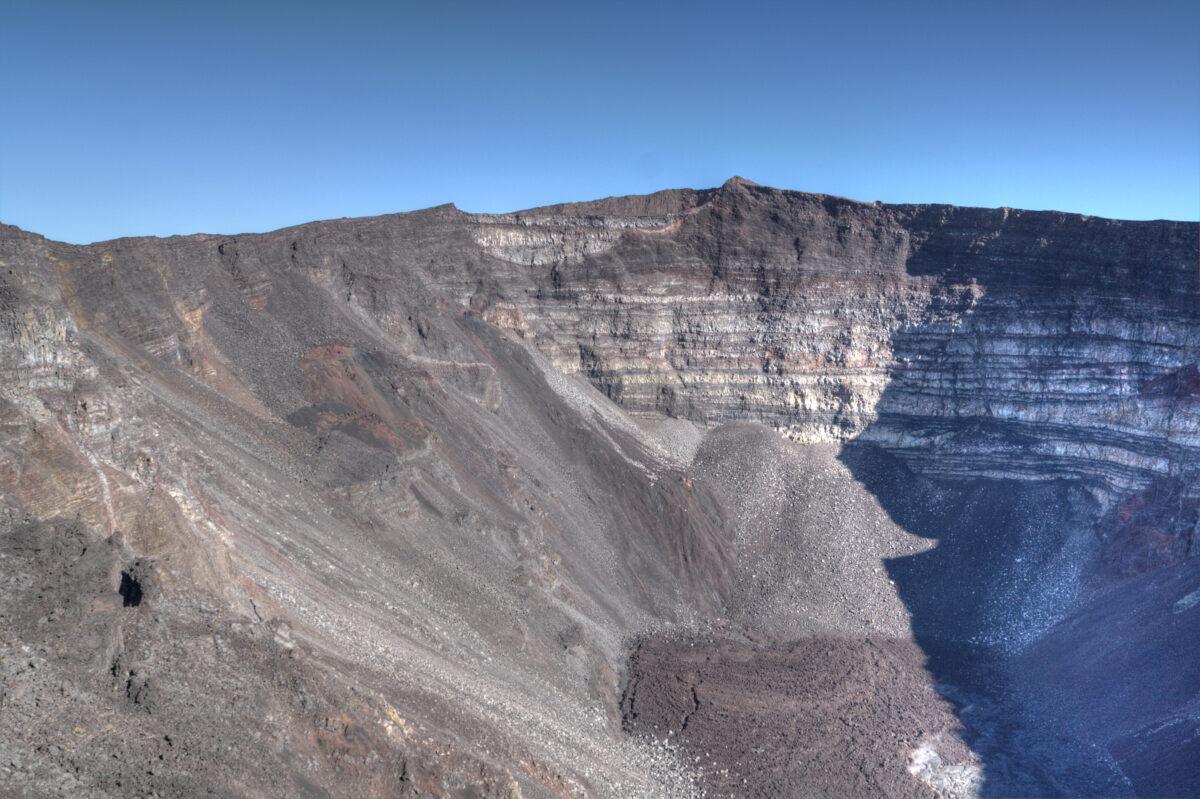
- Piton de la Fournaise (≈ 2,632 m), one of the most active volcanoes in the world, with generally effusive and well-monitored eruptions.
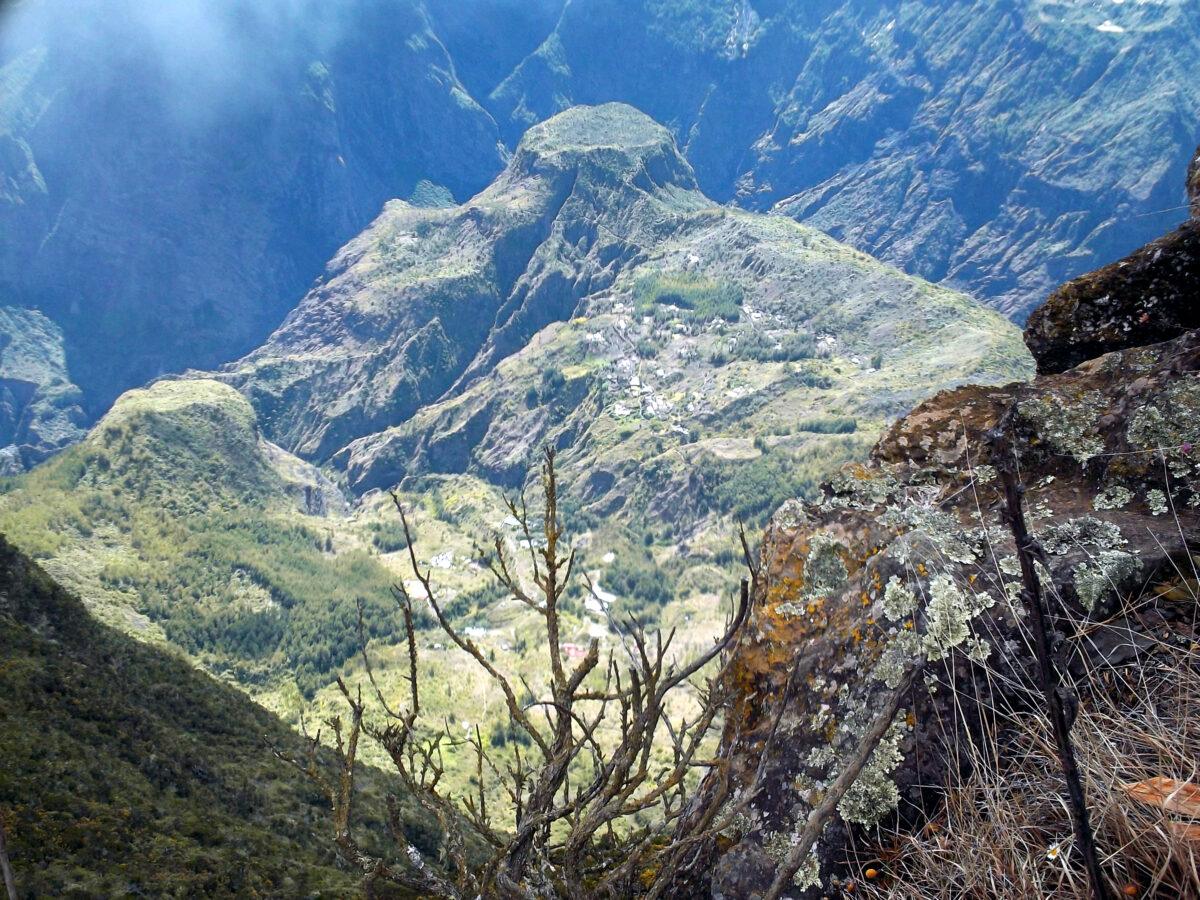
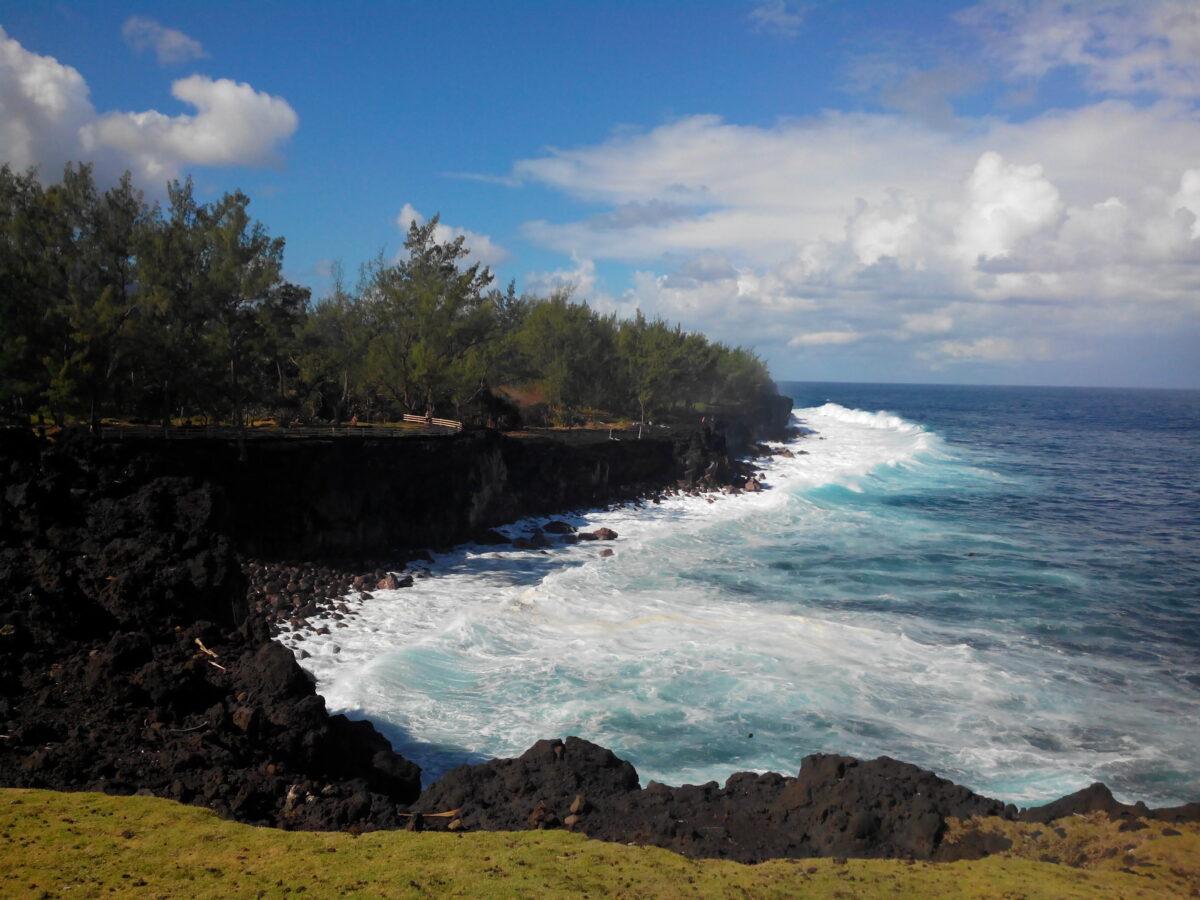
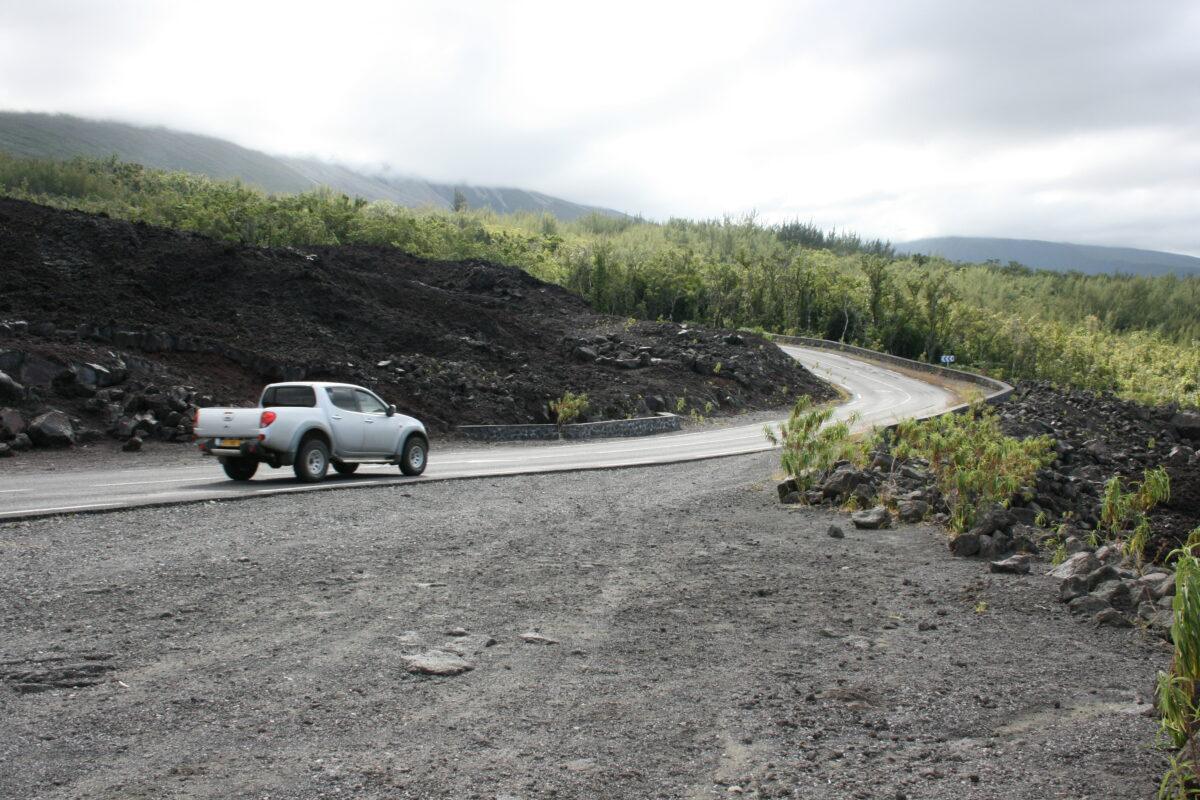
The three cirques — Mafate (wild and roadless), Cilaos (vineyard, thermal baths, canyoning), and Salazie (waterfalls and colorful Creole houses) — cut into the mountainous heart. The coastline alternates between white sand beaches (Ermitage/La Saline lagoon) and black sand (Saint-Pierre, Étang-Salé), basalt cliffs (Cap Méchant), and fossilized lava flows (the “Route des Laves”). Since 2010, the “Pitons, cirques and ramparts” have been listed as a UNESCO World Heritage site within the Réunion National Park.
History and heritage
A volcanic island that remained uninhabited until the 17th century, Réunion was colonized by the French (East India Company) and populated by settlers, indentured laborers, and slaves from Africa, Madagascar, India, and Europe. The abolition of slavery (1848) and the subsequent indentured labor system deeply shaped society. The Réunion Creole culture was born from this mixing: Creole language, spiced cuisine, maloya and séga music, syncretic religions and practices. In 1946, the island became a French department; today, it is both an outermost region of the EU and a territory with unique natural heritage.
The heritage architecture can be discovered in Saint-Denis (Barachois district, Creole houses), Saint-Paul (market, sea cemetery), Saint-Pierre (seafront, Tamil temple), Hell-Bourg (Salazie), classified among the “Most Beautiful Villages of France” overseas.
Population and landmarks
Réunion has nearly 870,000 inhabitants (recent estimate). Demonym: Réunionnais / Réunionnaises. Prefecture: Saint-Denis; sub-prefectures: Saint-Paul, Saint-Pierre, Saint-Benoît. Specific features:
- high density on the west and north coast, terraced housing on the slopes;
- young population, cultural diversity, role of the public sector and services;
- mixed economy: sugarcane-rum, horticulture, tourism, energy, emerging digital sector.
| Indicator (reference points) | Value |
|---|---|
| Area | ≈ 2,512 km² |
| Highest point | Piton des Neiges (3,071 m) |
| Active volcano | Piton de la Fournaise (~2,632 m) |
| Postal codes | 97400–97490 |
| UNESCO Heritage | Pitons, cirques and ramparts |
Must-sees: top 10 to see/do
- Piton de la Fournaise — Ascent to Dolomieu (if open) from Pas de Bellecombe, Martian plain of Sables, Lava route on the east side. Often spectacular and safe eruptions (follow official notices).
- Cirque de Mafate — Paradise for car-free trekking: îlets (Marla, La Nouvelle), mountain lodges, access via mountain passes (Taïbit, Maïdo…) or helicopter.
- Cilaos — Legendary road with 400 bends, Creole wine, thermal baths, canyoning, departures towards Piton des Neiges.
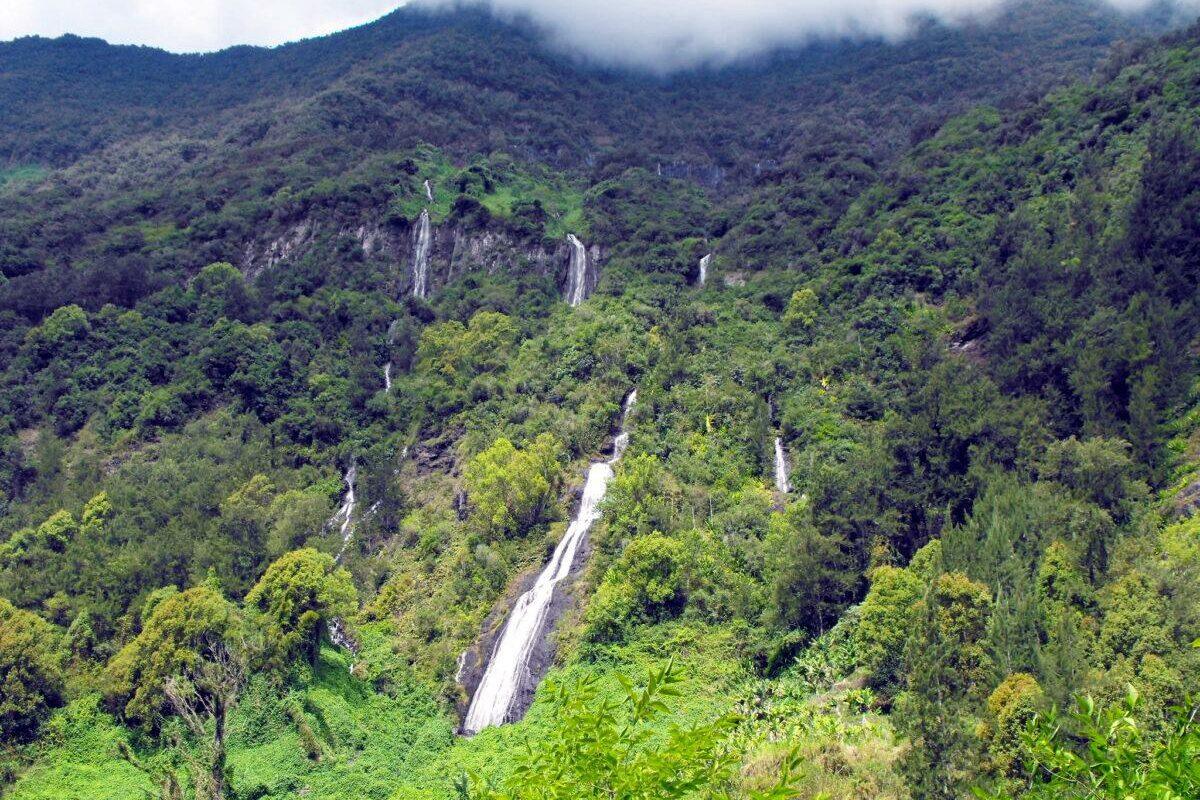
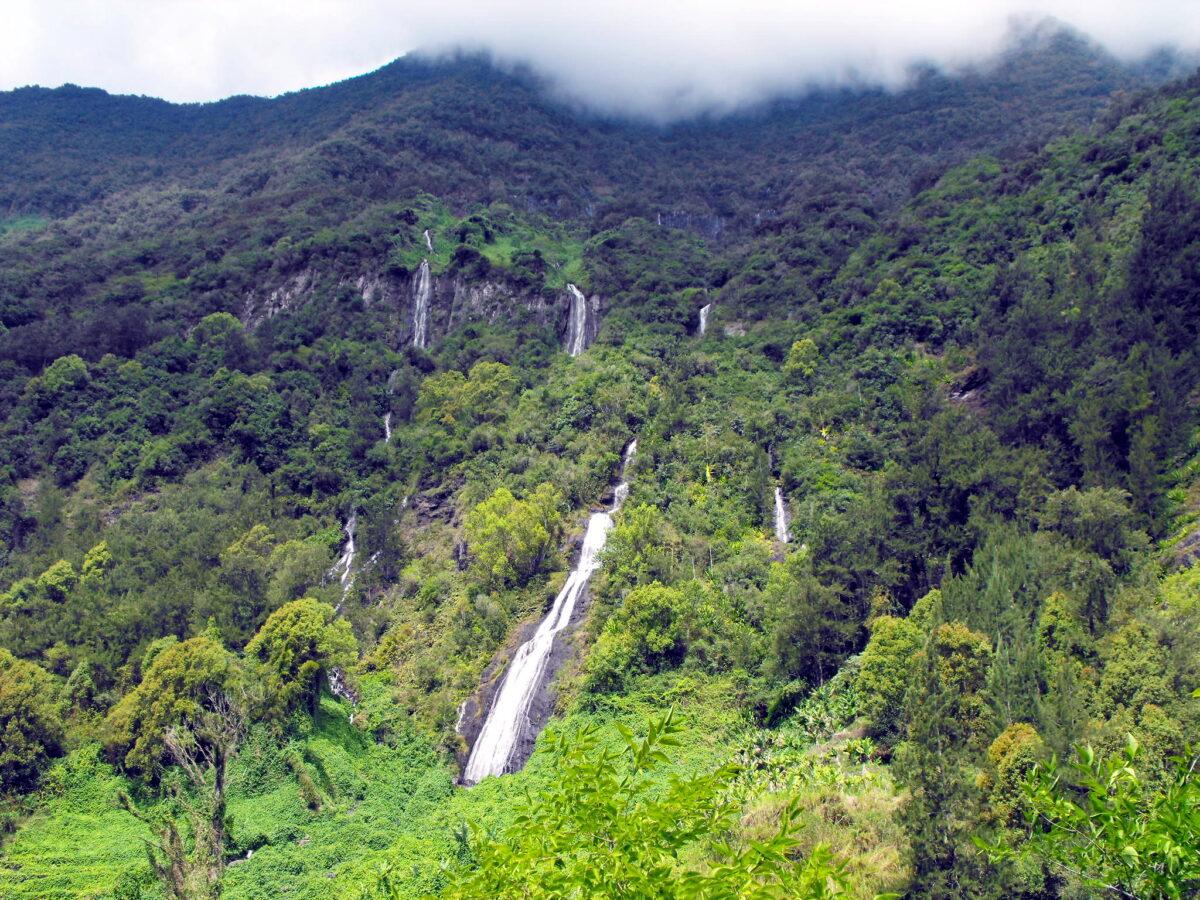
- Salazie & Hell-Bourg — Waterfalls (Voile de la Mariée), Creole houses, mossy forests.
- Maïdo — Sublime viewpoint over Mafate at sunrise; tamarind forests; downhill mountain biking towards Saint-Gilles.
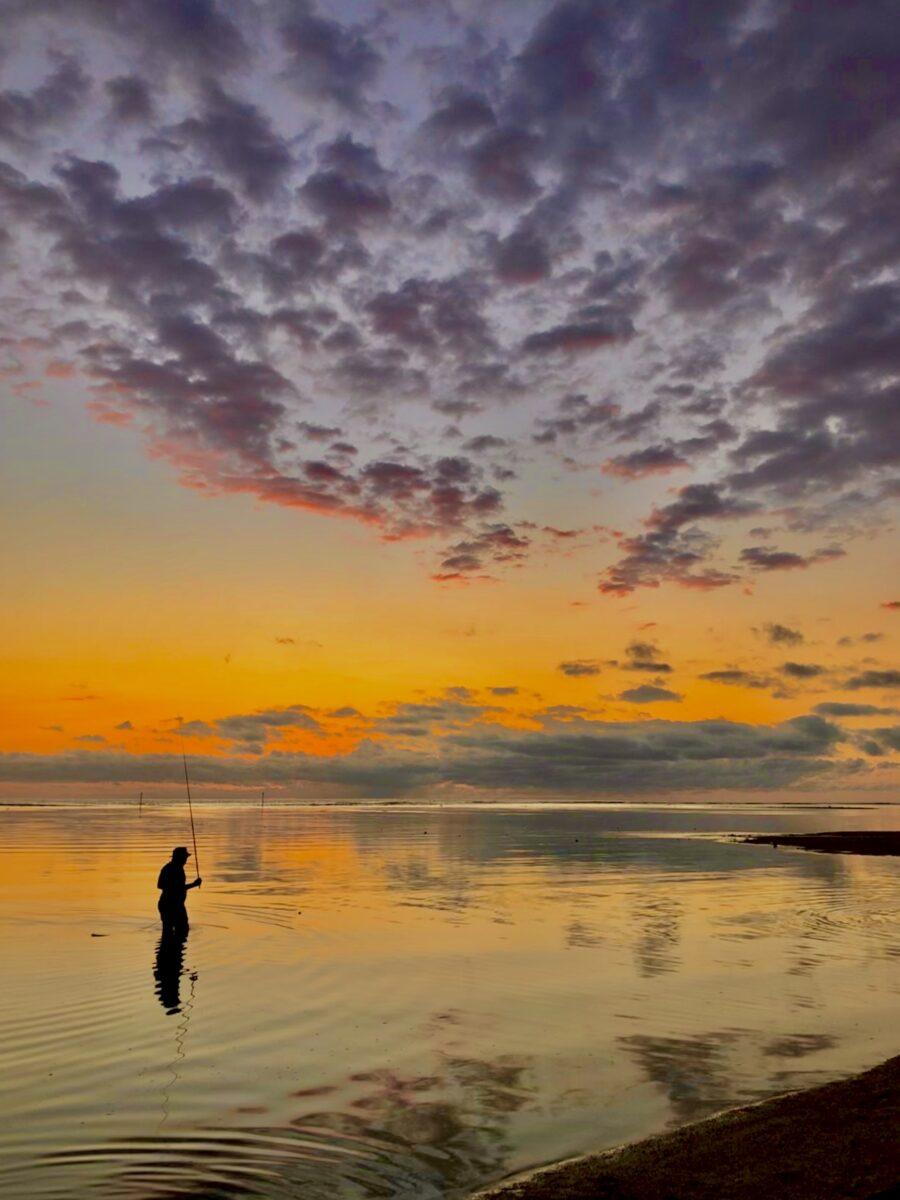
- West Lagoon — Beaches of l’Ermitage and la Saline, snorkeling hikes (marked zones), sunsets.
- Cap Méchant & Wild South — Basalt cliffs, powerful swell, coastal villages; visible lava flows along the N2.
- Saint-Denis — Barachois, State Garden, Creole houses, street art; great Creole, Indian and Chinese restaurants.
- Markets & rums — Saint-Paul (Friday), Saint-Pierre; distilleries and flavored rums, Bourbon vanilla.
- Whale watching (seasonal) — West coast: guided whale-watching outings.
Itinerary ideas (3, 7 and 10 days)
3 days (first overview)
- Day 1 — West: Saint-Gilles, lagoon, Maïdo in the late afternoon.
- Day 2 — Wild South: Cap Méchant, lava flows, Garden of perfumes and spices.
- Day 3 — Volcano: Plaine des Cafres, Pas de Bellecombe, Plaine des Sables (depending on weather).
7 days (UNESCO classics)
- Days 1–2 — Mafate: 2-day hike with overnight in a lodge (La Nouvelle/Marla).
- Day 3 — Cilaos: 400 bends, tasting, canyoning or thermal baths.
- Day 4 — Salazie: Hell-Bourg, waterfalls, Bélouve forest.
- Day 5 — Volcano: Fournaise, museums (Volcano City).
- Day 6 — Wild South: 2007/2015 lava flows, Anse des Cascades.
- Day 7 — Lagoon: snorkeling, sunset.
10 days (sport & flavors)
- Add the Piton des Neiges ascent (1 night at the Caverne Dufour lodge + sunrise at the summit), mountain biking at Maïdo, diving at Saint-Gilles, vanilla plantation and distillery (visits).
Transport & access
Getting to La Réunion
Roland-Garros Airport (RUN) in Sainte-Marie (north): regular connections with mainland France (Paris Orly/CDG, Lyon, Marseille — depending on seasons). Pierrefonds Airport (ZSE) in the south (Saint-Pierre): occasional regional connections.
Getting around
- Car: the greatest freedom, especially for the Highlands and the Wild South. RN network (N1, N2, N3), Route des Tamarins (west).
- Bus: Alternéo, Citalis, Kar’Ouest, Estival networks; very useful on coastal routes and for reaching hiking trailheads (check schedules).
- Hiking: marked network GRR1/GRR2/GRR3; staffed lodges in the cirques (reservation essential in season).
- Helicopter: spectacular overflights (volcano, cirques, waterfalls) in clear weather.
Safety, weather & good practices
- Weather & relief: microclimates, quick mists at altitude, frequent rain in the east. Start early for panoramas; bring warm/rain clothing even in austral summer.
- Sea & lagoon: preferred swimming in the lagoon and monitored areas; respect signage and local instructions (swell, currents, nets).
- Volcano: follow prefectural orders (access to Fournaise), stay on the trail; do not venture onto fresh lava flows without supervision.
- Hiking: water, headlamp, first aid kit, reliable guidebook or track; inform a close contact; check trail openings (possible collapses after rain).
- Driving: demanding mountain roads; caution at night, especially at altitude and in wet weather.
Creole culture, cuisine & events
Réunion pulses with a unique mix: Creole language (alongside French), Tamil temples with colorful facades, Chinese pagodas, churches, mosques — a precious coexistence. On the music side: maloya (UNESCO-listed), séga, séga-piké. On the table: cari (chicken, fish, bichique), rougail, samoussas, bonbons piment, gâteaux patate, rhum arrangé (ginger, lychee, combava…).
Events (depending on calendar): Dipavali (festival of lights), Grand Raid (Diagonale des Fous), Sakifo, Tempo Festival, Florilèges in Tampon, Tamil New Year, chayote festivals in Salazie…
Accommodations & where to stay
West Coast (Saint-Gilles/Ermitage/La Saline): ideal for beach & families. South (Saint-Pierre, Saint-Joseph): livelier, access to the Wild South. East (Saint-Benoît, Sainte-Rose): wetter, lush and authentic. Highlands & cirques: mountain lodges (Mafate/Cilaos/Salazie) for hiking.
Styles: seaside hotels, villas, guest rooms, lodges, refuges. Booking strongly recommended during school holidays and high season (July–October, December–January).
Budget & tips
- Flights: more competitive outside metropolitan holidays; compare airlines (baggage, stopovers, schedules).
- Car rental: city category for the coast; SUV/sedan for comfort if you multiply elevation changes.
- Eating: Creole tables, bouchons & samosas at the market, roadside eateries; fresh fish at the port of Saint-Gilles/Saint-Pierre.
- Activities: helicopter/ULM flights, diving, canyoning, guided hikes, Volcano Museum, vanilla plantation, distillery (book ahead).
- Respect: national park, reefs, trails — zero waste, no picking, no coral trampling, caution with fire in authorized areas.
Internal links (other destinations in the network)
Fan of wide open spaces? Discover Iceland. Need Southern Africa? Browse our guide Namibia. Prefer French cities? See Strasbourg and Bastia.
FAQ — Réunion, top destination
When to go to Réunion?
May–November for hiking (drier, cooler); December–April for a greener but wetter island (cyclone season: monitor weather). The west is generally sunnier.
Can you swim everywhere?
Favor the lagoon beaches (monitored areas, nets and channels) and respect the signage. Superb snorkeling in the marked zones.
Is a car necessary?
Yes, it is the most flexible option to link cirques, volcano, and beaches. Buses are useful along the coast and for certain hiking departures.
What level is required for hiking?
From family-friendly (Bélouve, Fenêtre des Makes) to sporty (Mafate, Piton des Neiges). Significant elevation changes, sometimes technical trails: suitable shoes and early start.
Which specialties should you try?
Chicken curry, fish curry, rougail sausage, samosas, chili fritters, fruits (lychee, mango), arranged rum, Bourbon vanilla.
Useful sources & practical links
- La Réunion Island Tourism (official)
- La Réunion National Park
- La Réunion Prefecture — safety & decrees
- Kar’Ouest Network (west bus) — Citalis — Alternéo — Estival
- Wikipedia — La Réunion (overview)
- The Volcano City
Gallery / Image verification
All images used link to upload.wikimedia.org files (formats .jpg/.JPG), unique and directly accessible:
- Piton de la Fournaise — Dolomieu: direct link
- Mafate from Maïdo: direct link
- Voile de la Mariée (Salazie): direct link
- Ermitage Lagoon: direct link
- Cap Méchant: direct link
- Route des Laves: direct link
Conclusion — La Réunion combines “high mountain” landscapes and tropical pleasures on the scale of an island: an active Fournaise, sculpted cirques, mossy forests, protected lagoon, and rare cultural mixing. By planning your hikes in the cool of the morning, swimming in secure areas, and scheduling your trips according to the weather, you will experience the essence of the “intense island” — sustainably.