Spring: hiking and celebrating rebirth
When buds break through the soaked ground, you feel the need for fresh air and bucolic panoramas. The period from April to June reveals France at its most tender, between vibrant meadows and lengthening days. It is the ideal time to venture on little-frequented trails, before the summer tourists arrive.
In the Basque Country, the Ossès ridges reveal a range of greens, not to mention the perched villages slowly waking up. Conversely, Provence is adorned with fields of barely blooming lavandin, and its markets come back to life, filled with wild asparagus and the first cherries. The contrast between the mild climate of the South and the freshness of the northeast invites you to adjust your itinerary according to your desire for warmth or relief.
Spring activities
- Birdwatching of migratory birds in the Marais Poitevin
- Bike rides on the Loire à Vélo, away from the crowds
- Visits to remarkable gardens, such as those in Giverny
- Participation in local festivals (Lily of the valley festival, carnivals)
This mix of cultural effervescence and peaceful landscapes makes spring a precious moment. A breakfast facing the blooming vineyards, then a gourmet getaway: these moments stolen from time take on an almost magical dimension.
Summer: beaches, festivals, and forgotten cemeteries
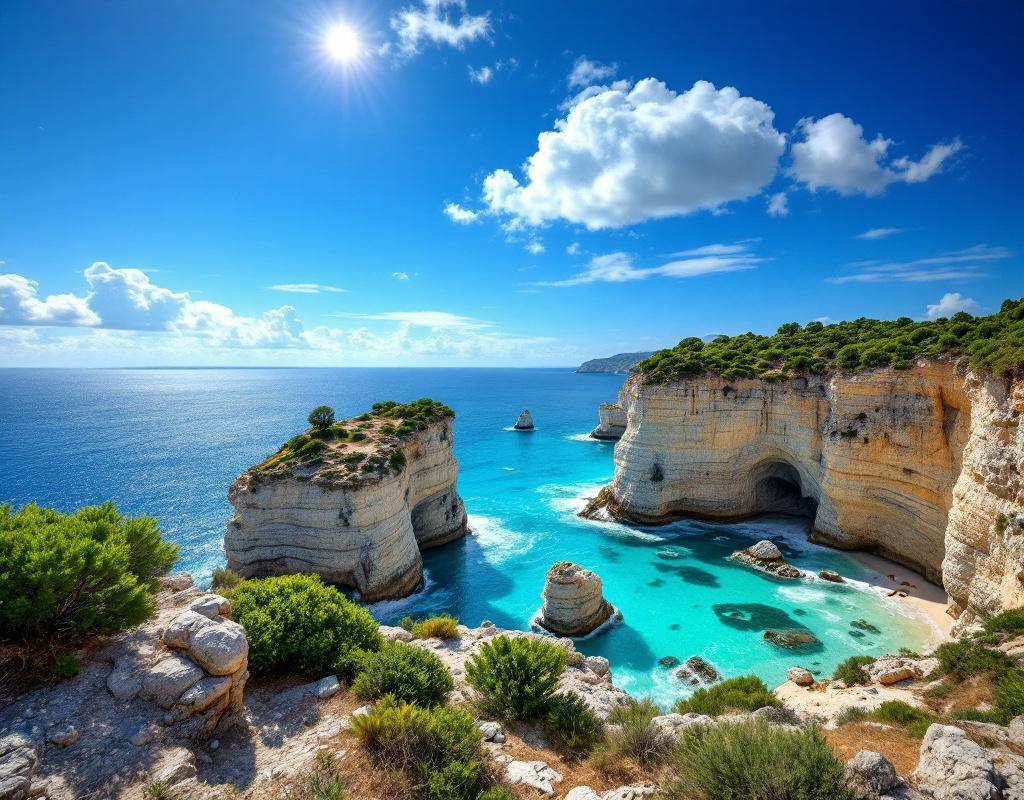
Summer is often imagined as synonymous with beach and relaxation, but it also holds discreet treasures off the beaten path. The Côte d’Azur attracts for its almost constant sunshine and crystalline coves, while Brittany retains a more secret charm with its still cool waters and millenary lighthouses.
Dreaming of electro music festivals or classical concerts outdoors? Bordeaux, Lyon, and Marseille compete in originality to animate your evenings. Conversely, Corsica offers a night hike under the stars, away from the crowds of the calanques. In any case, it is better to book in advance, especially if you aim for major events.
Festivals and events
Each region develops its own calendar:
- Avignon Festival for contemporary theater
- Arcachon Oyster Fair
- Interceltic Festival of Lorient
- Music Festival almost everywhere
These events offer an authentic glimpse of local traditions, while enjoying a summer climate. You often discover seasonal gastronomy: +1 gourmet point if you succumb to artisanal ice creams!
Autumn: grape harvest and golden panoramas
When the light gradually fades, the vineyards of Champagne and Burgundy offer a blazing spectacle. The leaves blaze, oscillating between ochre and purple, while the harvest mobilizes inhabitants and winemakers. It is the moment to understand, live, the secrets of winemaking and to taste the still warm fruit.
In Dordogne, the castles lining the Vézère stand out against an oil-painted horizon, and gourmets agree that foie gras takes on a new flavor under a low, gentle sky. Further north, in Alsace, villages prepare for Christmas markets as early as the end of October; the atmosphere immediately becomes warm, despite the dropping mercury.
Walks and Tastings
- Hiking in the beech and oak forests of Normandy
- Tastings in the cellars of the Champagne hills
- Visits to medieval towns illuminated by the low sun
- Discovering local crafts at autumn fairs
Beyond just wine, this season invites you to savor truffles, chestnuts, and wild mushrooms. Each bite tells the story of a specific terroir, like an impressionist painting where reds and yellows clash.
Winter: Snow Sports and Cozy Chalets
As soon as snow covers the Alpine peaks, resorts offer runs and après-ski activities. Chamonix, Val Thorens, or La Plagne remain reliable choices for sliding enthusiasts, but one could also mention the Jura or the Vosges, where the offer is more discreet and prices lower.
In Chartreuse or the Massif Central, winter is enjoyed quite differently: cross-country skiing, snowshoeing, and sled rides. The isolated refuges give the impression of returning to the roots, away from everything. The nights, which seem endless, are nevertheless punctuated by convivial moments around a wood fire.
Markets and Traditions
- Christmas markets in Alsace: Strasbourg and Colmar
- Ice fishing in the lakes of Savoie
- Visits to heated caves in the Pyrenees
- Tasting mountain dishes in a chalet
Winter gastronomy focuses on conviviality: Savoyard fondue, tartiflette, and raclette invite themselves to the table. Added to this are ice wines or local génépi, perfect for extending the evening and chasing away the cold.
How to Use the Interactive Map of Regions
Before hitting the road, you need to precisely locate your favorites. The Map of the Regions of France offers a detailed view of departments, reliefs, and points of interest. Thanks to this tool, you slide from one world to another: from Mediterranean coves to Norman plains in a few clicks.
You can filter by activity (hiking, beach, wine tourism) or by climate. The overlay layers show altitudes, protected areas, and even cycling routes. It’s an almost indispensable companion for designing a tailor-made road trip.
Practical Tips Before Leaving
Each season has its requirements. In spring, prepare versatile outfits: light windbreaker and walking shoes. In summer, sunscreen becomes a first-rate ally, not forgetting a wide-brimmed hat. For autumn, remember to bring a waterproof jacket and sturdy boots, especially if you venture into the forest. Finally, winter requires technical clothing and a first aid kit adapted to cold risks.
“Planning your itinerary well is already half the journey.” – testimony of a regional guide.
Regarding accommodation, don’t hesitate to vary the pleasures: guesthouse in a historic building, mountain refuge, or apartment in the city center. Booking platforms now offer filters by ambiance or type of trip, making selection more targeted and less time-consuming.
Frequently Asked Questions
What is the best month to visit Provence?
Mid-April to mid-June, when the weather is stable and the lavender fields are preparing to bloom without the summer crowds.
Can you ski from December in the Northern Alps?
Yes, many resorts open from early December, often requiring a slight artificial snow supplement on the main slopes.
How to avoid overcrowding in summer?
Favor lesser-known villages and set out early in the morning to discover the beaches, or explore the Breton coasts where the water remains cooler and the attendance more moderate.
Are there pleasant regions in autumn for families?
Dordogne and Alsace offer varied activities for young and old, between castles, animal parks, and grape harvest workshops adapted for children.
{
“@context”: “https://schema.org”,
“@type”: “WebPage”,
“about”: {
“@type”: “Thing”,
“name”: “Regional visits according to the season”
},
“keywords”: [“spring”, “summer”, “autumn”, “winter”, “regions”]
}