From the Ligurians to the Citadel: The Foundations of Medieval Nice
The history of Nice roots itself in Antiquity, when the Ligurians inhabited the region. These first inhabitants left their mark on the territory, preparing the ground for the future developments of the city. It was at the beginning of the 11th century that Nice truly took off in the medieval era, with a significant event that would define its landscape for centuries to come.
In 1010, a decisive turning point occurred in the city’s history. Raymond Rostaing, the first lord of the place, ordered the construction of an imposing citadel. This fortification quickly became the beating heart of the medieval city, offering protection and prestige to its inhabitants. The citadel of Nice established itself as a symbol of power and stability in a region often coveted by different powers.
The architectural evolution of Nice continued over the centuries. In 1438, a new chapter opened with the building of a fortified castle on the site of the current city. This construction attests to the growing strategic importance of Nice, which lies at the crossroads of Italian and Provençal influences. Unfortunately, this castle met a tragic fate: abandoned, plundered, and finally destroyed under the reign of Napoleon I, it now survives only in memories and historical archives.
Aspremont: A Medieval Jewel at the Gates of Nice
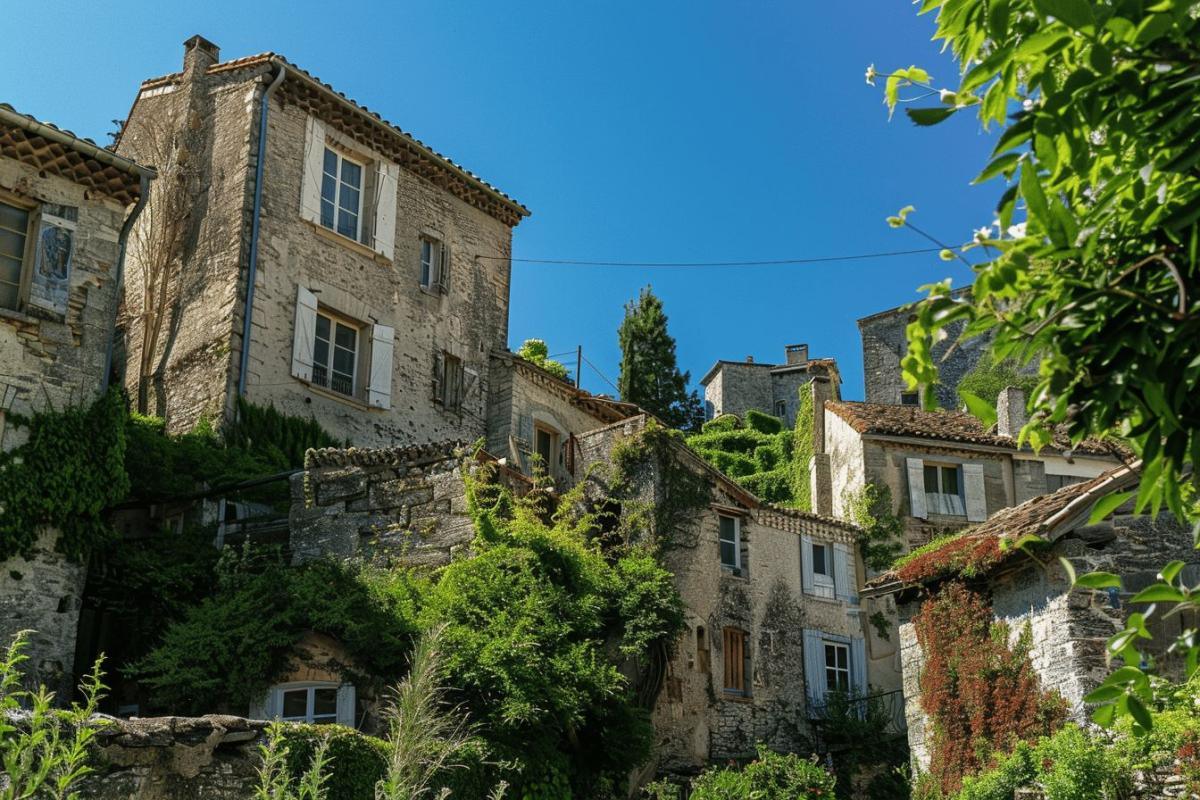
A few kilometers from Nice, the medieval village of Aspremont offers a striking testimony to the architecture and urbanism of the Middle Ages. Built in a spiral around the Gothic church of Saint James the Greater, Aspremont captivates with its unique structure and exceptional panorama over the mountains and the Mediterranean.
Visitors can immerse themselves in the medieval atmosphere by wandering through the cobbled alleys and vaulted passages that wind between the stone houses. These architectural elements, preserved over the centuries, offer a true journey back in time. The main church, the village’s jewel, houses artistic treasures, including frescoes and a 16th-century altarpiece, witnesses to the cultural richness of the region during the medieval period.
Aspremont also holds fascinating remains of its medieval past:
- The ruins of the old medieval village
- The remains of the castle on Mount Chauve
- The Aspremont fort, built in the 19th century, reaching an altitude of 1053 meters
These historical sites fit perfectly into the tourist circuit of the “perched villages” of the Alpes-Maritimes, offering visitors an immersive experience in the medieval history of the Nice region.
The Political Evolution of Nice: From the Middle Ages to France
The political history of Nice is marked by major changes that have shaped its identity over the centuries. The city long oscillated between different influences before finding its definitive place within the French nation. This complex evolution deserves attention to understand the geopolitical stakes that have animated the region.
The table below summarizes the key stages in the political history of Nice:
| Period | Event | Impact |
|---|---|---|
| Antiquity | Presence of the Ligurians | First settlements in the region |
| 1010 | Construction of the citadel | Assertion of local power |
| 1438 | Building of the fortified castle | Strengthening of the city’s defense |
| 1860 | Annexation to France | Definitive integration into French territory |
The annexation of Nice to France in 1860 marks a decisive turning point in the city’s history. This event, which takes place in the broader context of Italian unification and diplomatic negotiations between France and the Kingdom of Piedmont-Sardinia, opens a new era for Nice. The city, once contested by various powers, finally finds political and administrative stability within the French nation.
This integration has profoundly changed the cultural and economic landscape of Nice. The city has managed to preserve its unique identity, the result of its rich medieval past and multiple influences, while adapting to its new status as a French city. Today, Nice continues to cultivate this duality, between historical heritage and modernity, which makes all its charm and tourist appeal.
Heritage and anecdotes: a captivating visit to medieval Nice
For history enthusiasts and the curious, Nice offers a fascinating journey through its medieval heritage. Every street, every building tells a story, revealing surprising anecdotes about daily life and major events that have marked the city over the centuries.
Among the must-see sites, the castle hill deserves special attention. Although the castle itself has disappeared, the site offers a breathtaking view of the city and the Bay of Angels. Visitors can discover the remains of the medieval fortifications and imagine the bustling life that once animated this strategic place.
Old Nice, with its narrow streets and picturesque squares, is full of architectural treasures dating from the Middle Ages. The Sainte-Réparate Cathedral, built in the 17th century on the foundations of a medieval church, bears witness to the city’s historical continuity. Not far from there, the Lascaris Palace, although later, perfectly illustrates the evolution of Niçoise architecture since the medieval period.
For an even more immersive experience, visitors can participate in themed guided tours that reveal the secrets and legends of medieval Nice. These routes allow discovery of lesser-known but equally fascinating places, such as the old city gates or the remains of ramparts hidden within the modern urban fabric.
In summary, the medieval history of Nice offers a captivating journey through the centuries. From the Ligurians to the 15th-century fortifications, through the annexation to France, each period has left its mark on the city. Today, Nice invites visitors to dive into this rich past, through its monuments, its streets, and its breathtaking panoramas. A heritage visit to Nice therefore promises an unforgettable experience, blending historical discoveries and Mediterranean beauty.