
Bordering the 20th arrondissement, Montreuil (93) combines horticultural heritage, artisanal energy, and cultural creativity. This guide gathers the essentials to understand the city, visit it, work there — and, why not, settle there.
Sommaire
Geography & Location
Montreuil directly borders Paris at the 20th arrondissement. The municipality stretches along the hillside of the Île-de-France plateau, from Bas-Montreuil (in direct contact with the Porte de Montreuil) to the neighborhoods of La Boissière and Le Ruffin, on the edge of Rosny-sous-Bois. It also adjoins Bagnolet, Romainville, Fontenay-sous-Bois, and Vincennes. The terrain is gentle but expressive: slopes facing west (views of the capital), former horticultural enclosures towards the center and north, large terraced parks in the southwest. The city, densely built but punctuated with green breathing spaces, can be crossed on foot alternating between workshop streets, alleys, shared gardens, and commercial axes such as rue de Paris or place de la Croix-de-Chavaux.
History & Heritage
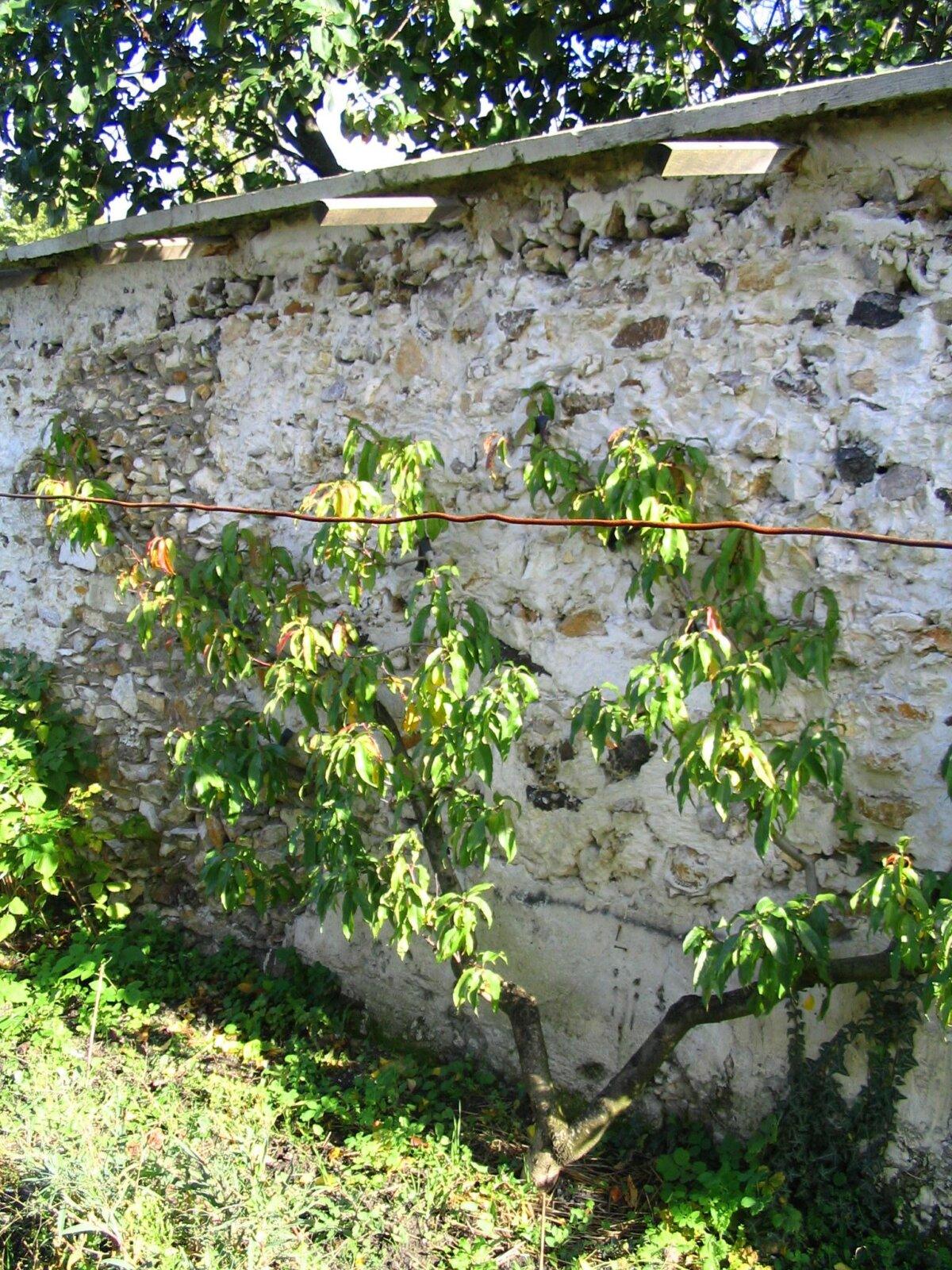
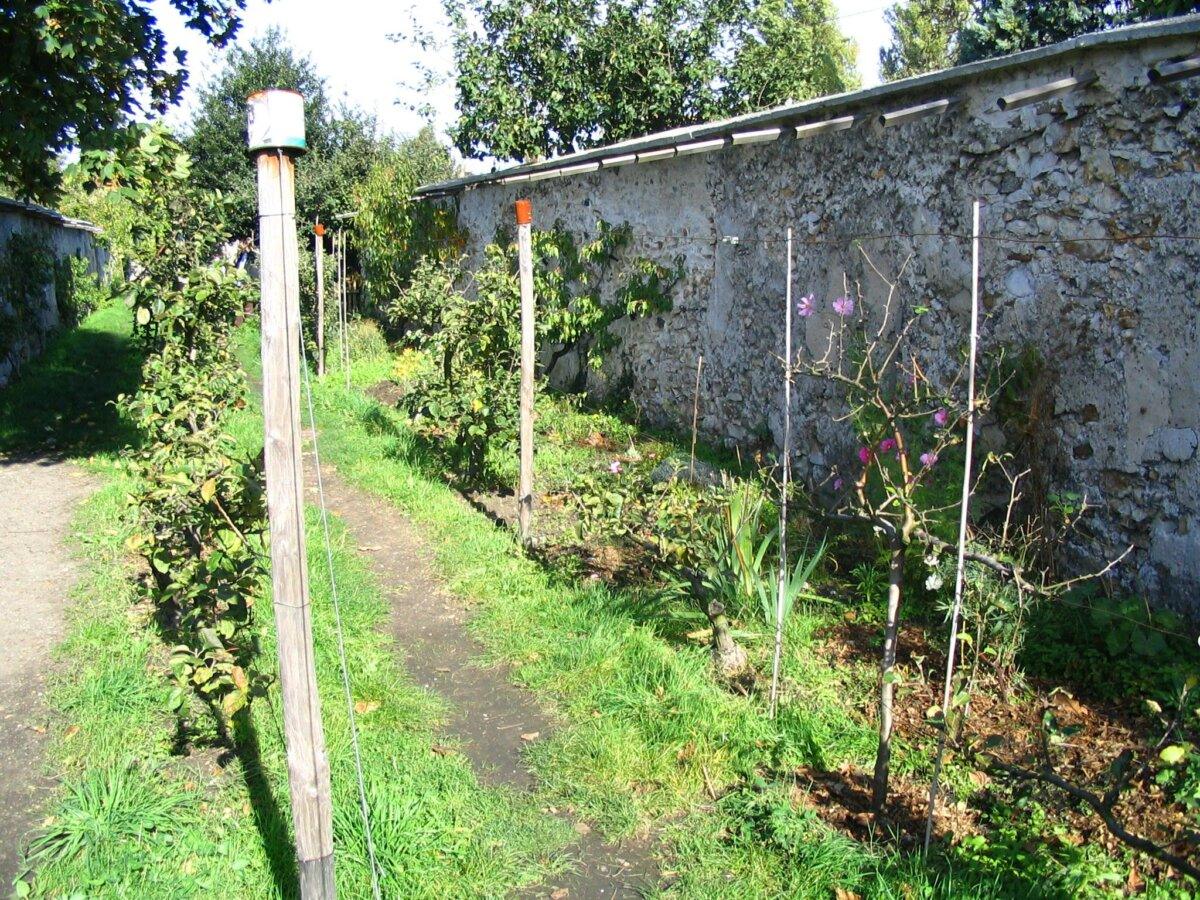
Montreuil, long known as Montreuil-sous-Bois, developed on fertile land and a network of paths radiating towards Paris and Brie. From the medieval village around the Saint-Pierre-Saint-Paul church to the intensive cultivation of the 17th-19th centuries, the municipality bore a unique agricultural genius: the Peach Walls. These plaster walls, erected as espaliers to create microclimates, allowed delicate fruits (peaches, apricots, grapes, figs) to ripen at the gates of the capital and supply Parisian and European tables. At its peak, a vast patchwork of enclosures and alleys structured the southern half of the city. At the turn of the 20th century, urbanization and competition began to erode this landscape, but remarkable sectors remain, supported by associations and public actions.
Montreuil is also a land of cinema: Georges Méliès established his studios there at the very beginning of the 20th century, helping to make the Parisian suburbs a cradle of moving images. Over the course of the 20th century, the city densified, welcomed populations from all over France and then the world, built modern facilities (nautical stadium, conservatory, dramatic center), and developed a network of workshops and warehouses converted — a heritage still visible in Bas-Montreuil.
Population & Demographics
With more than 110,000 inhabitants, Montreuil ranks among the major cities of Île-de-France. Its profile is decidedly metropolitan: a high proportion of active workers, presence of executives and creative professions, dense commercial and associative fabric, sustained residential mobility (due to immediate proximity to Paris). The neighborhoods display contrasting atmospheres: Bas-Montreuil (mix of workers’ buildings, workshops, and lofts), City Center (Town Hall, Croix-de-Chavaux, shopping streets), Villièrs–Barbusse, Signac–Peach Walls (nursery of shared gardens), Montreau–Ruffins–Beaumonts (large parks with panoramic views), La Boissière, Bel-Air–Grands Pêchers (strong landscape landmarks, views of Paris). This socio-urban diversity is one of the municipality’s signatures.
Economy & Employment
Montreuil is a contemporary “workshop city.” The old factories and warehouses, especially in Lower Montreuil, house design studios, communication, architecture, cinema, arts and crafts, fablabs, digital companies, and social and solidarity economy enterprises. The shopping streets in the center (rue de Paris, Croix-de-Chavaux, Robespierre) bring together breweries, food shops, independents, and chains. The proximity to Paris and Vincennes, quick access to major employment hubs to the east (Val-de-Fontenay, Noisy-le-Grand) and north (creative Seine-Saint-Denis) enhance professional attractiveness.
The city also focuses on ecological transition: repair/reuse, short supply chains, urban agriculture in the Murs à pêches enclosures, bike workshops, recycling centers, and third places. The result: a “productive-urban” ecosystem where culture and craftsmanship coexist with frugal innovation.
Tourism & culture: the top 5 places to see
- The Murs à pêches — A labyrinth of historic enclosures, alleys, huts, orchards, and espaliered crops. Visits, participatory projects, and an annual festival animate the site.
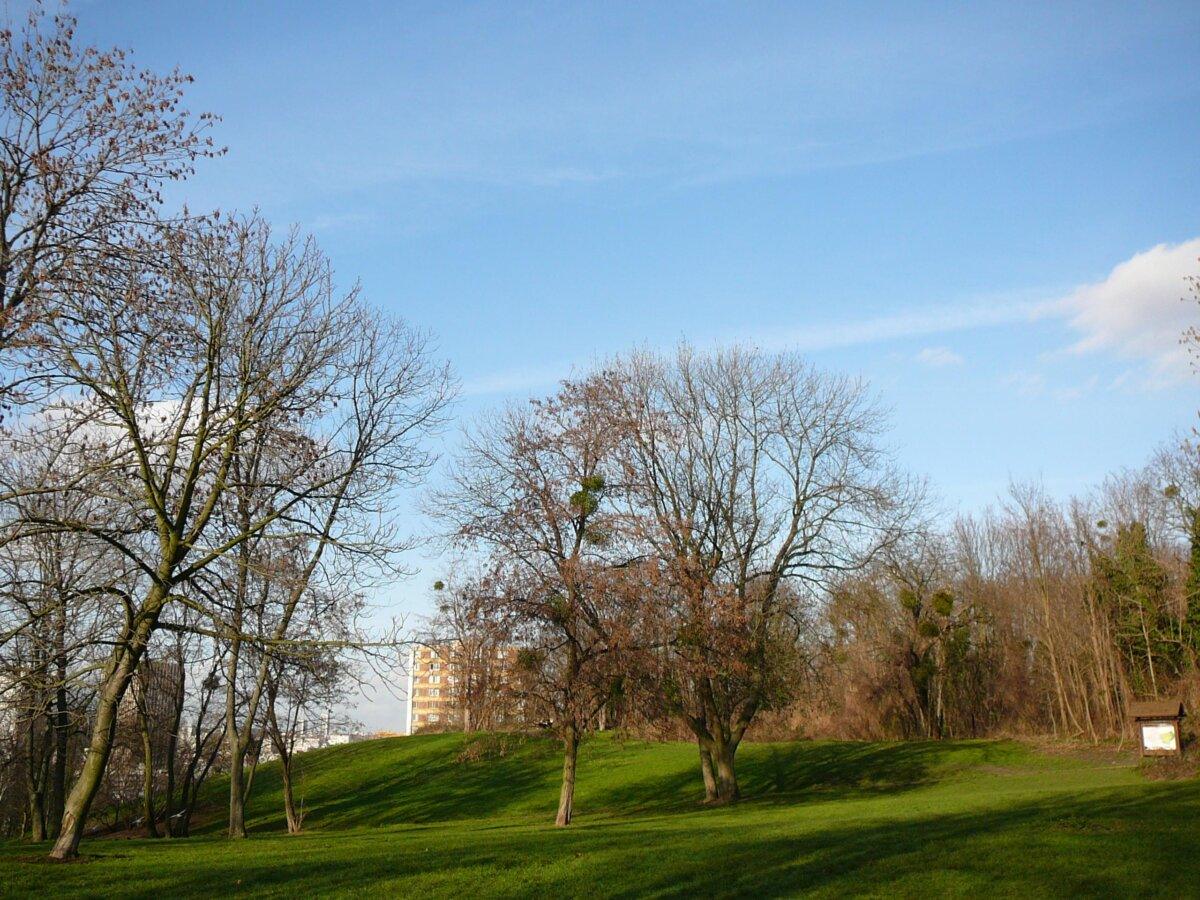
- Beaumonts Park — Large balcony park to the northeast, meadows and woodlands, diversity of migratory birds, viewpoints over Paris and the Marne valley.
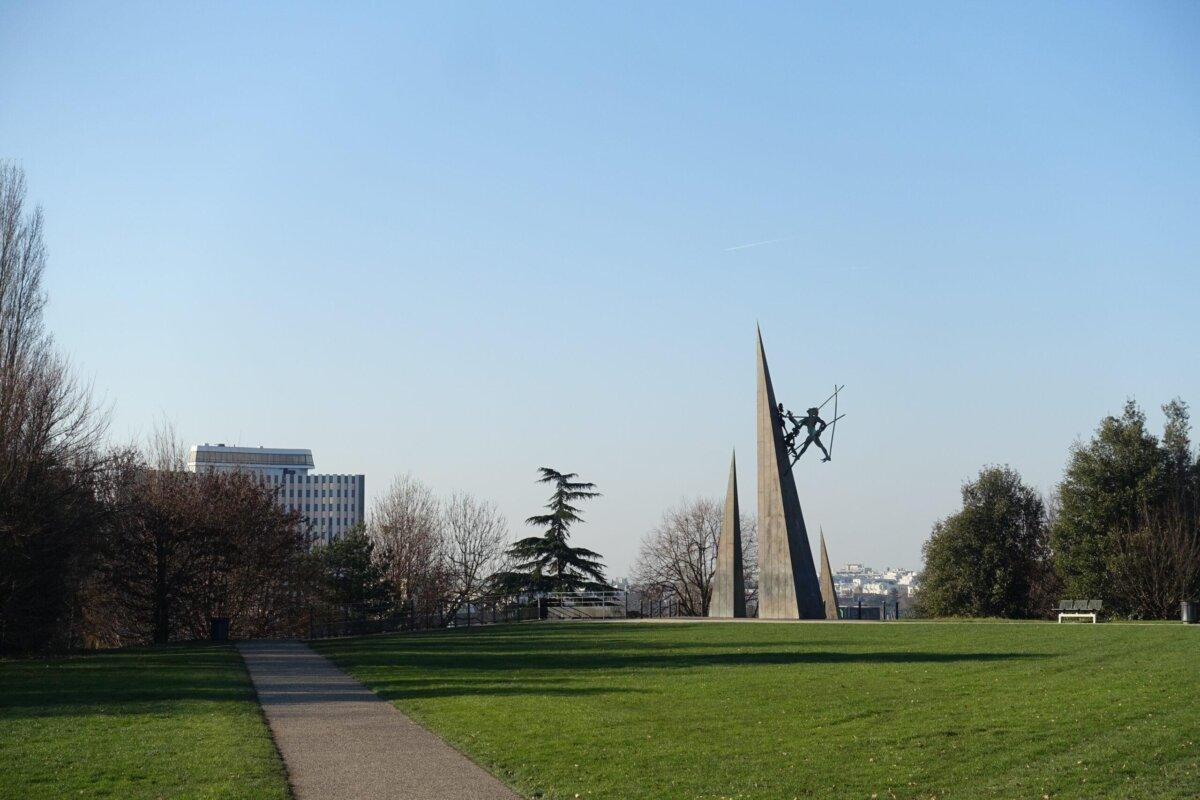
- Jean-Moulin–Les Guilands Departmental Park — Straddling Montreuil and Bagnolet, hills, bodies of water, lawns for games and picnics, climbing rocks, and viewpoints over the skyline.
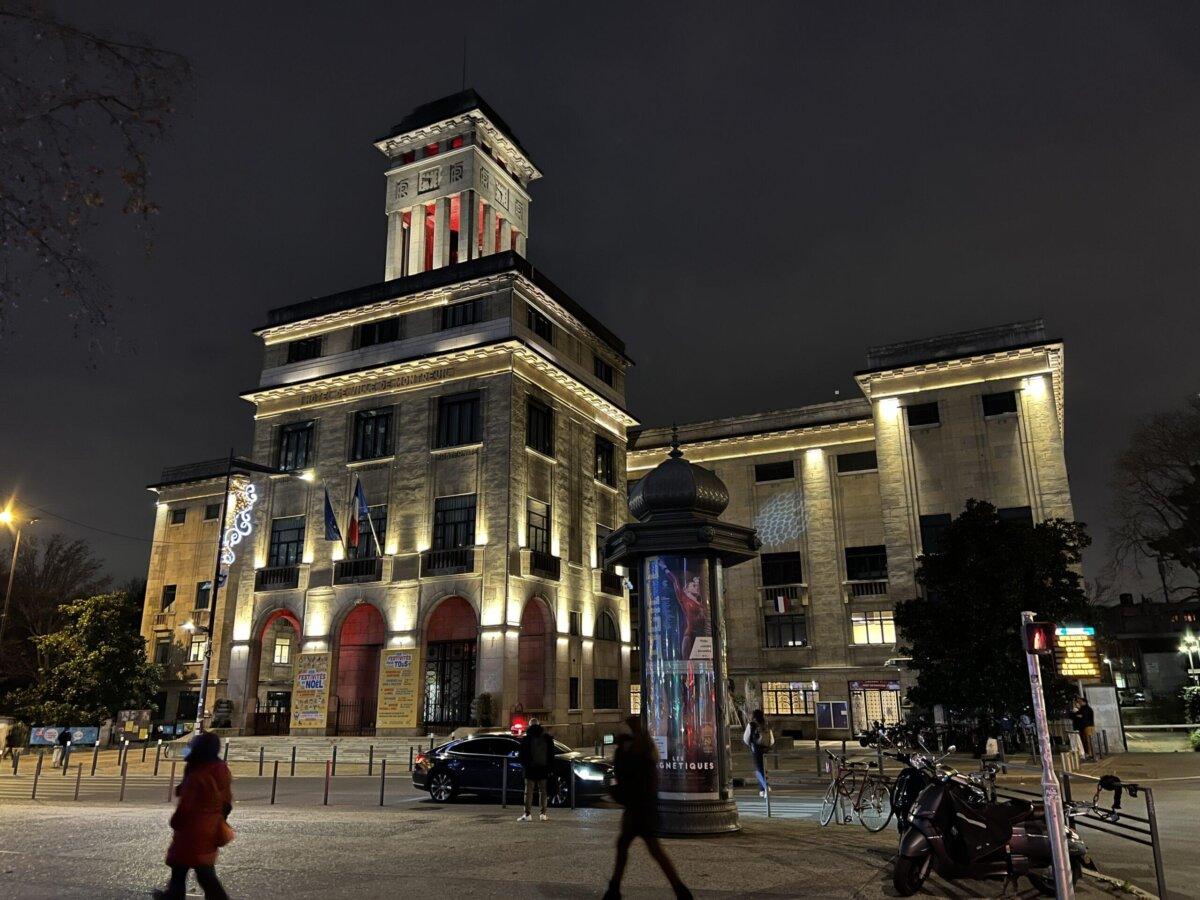
- Saint-Pierre-Saint-Paul Church & old town center — Around the Town Hall, alleys and squares form the historic core, with cafés, bookstores, and markets.
- Creative Lower Montreuil — Reimagined wastelands, artist studios, crafts, painted walls, and small spots to try: a concentrate of the Montreuil spirit.
Local specialties (culinary, artisanal, cultural)
The Montreuil table is a meeting of terroirs and the world: bistronomy, historic couscous restaurants, vegetarian canteens, bulk grocery stores, coffee roasters, microbreweries, and committed wine merchants. The markets (Croix-de-Chavaux, city center, neighborhoods) complete a dense local offer. On the cultural side, the Maison populaire (art and popular education center), neighborhood cinemas, performance halls, and festivals invent demanding yet accessible formats. In the workshops, you encounter ceramists, cabinetmakers, luthiers, screen printers, photographers, and costume designers: a discreet but very real excellence sector.
Transport & access
Metro: line 9 (stations Robespierre, Croix-de-Chavaux, Mairie de Montreuil) connects directly to central Paris. RER & Metro 1: Château de Vincennes (M1) and Vincennes (RER A) are in the immediate vicinity by bus/bike. Bus: dense network towards Paris 20th, Bagnolet, Romainville, Rosny-sous-Bois, Fontenay-sous-Bois, and Vincennes. Bikes: cycling continuity is improving (Bas-Montreuil ↔ Paris, connections to Vincennes and Rosny), numerous parking spots near stations and facilities. Road: quick access to the ring road (Porte de Montreuil, Porte de Bagnolet) and the A3.
Visitor tip: get off at Robespierre, cross Bas-Montreuil through workshops and quiet streets, reach Croix-de-Chavaux (market/coffee break), head towards the Murs à pêches, then finish up high at the Parc des Beaumonts. In one loop, you experience the “workshop” city, the “village” city, and the “landscape” city.
Local life: education, sports, associations
Education: complete offerings from early childhood to high school, network of nurseries, media libraries, and conservatory. Nearby higher education institutions (central Paris, Val-de-Fontenay, Marne-la-Vallée) are accessible by public transport. Culture: the city supports amateur practice (studios, workshops, residencies), neighborhood festivals, and demanding programs at affordable prices. Sports: stadiums, gyms, dojos, city stadiums, local fields, and the nautical stadium (sports pool, diving, play areas). The parks — Beaumonts, Jean-Moulin–Les Guilands — function as “green stadiums” for running, cycling, games, and picnics.
Events & highlights
The Montreuil calendar is generous. In spring, the Festival of the Murs à pêches celebrates music, visual arts, visits, and workshops in the heart of the historic enclosures. Throughout the year: open studios of artists, neighborhood festivals, outdoor cinema in summer, events at the Maison populaire, creators’ markets, and association activities. At the metropolitan scale, the large parks also host sports and nature events (races, birdwatching walks, biodiversity workshops).
Real estate & urban planning
The urban face of Montreuil tells a story of a century and a half of transformations. Bas-Montreuil: old fabric of workshops, small factories, townhouses, and low-rise buildings (brick, millstone, stone), converted into housing and third places. Downtown: shops, public facilities, and lively streets, with a varied housing stock (1930s to 2000). Signac–Murs à pêches: human-scale urbanity and unique landscape framework (enclosures, gardens, paths). Montreau–Ruffins–Beaumonts and Grands Pêchers: large housing estates, distant views, and redevelopment projects (public spaces, mobility, energy renovation). Everywhere, recent operations focus on active ground floors, the place of trees, water management, and summer comfort.
On the market side, the city remains attractive due to its accessibility (line 9, immediate proximity to Paris and Vincennes), its outdoor spaces (balconies, shared gardens), and the possibility of finding workshops and atypical spaces. The price gradient is clear: higher in Bas-Montreuil and around Croix-de-Chavaux, more affordable going north and east, with variations depending on the condition of co-ownerships, views, and proximity to parks.
FAQ — Montreuil in practice
What to see in 2 hours?
Robespierre → workshop streets of Bas-Montreuil → Croix-de-Chavaux → Murs à pêches → high point at Parc des Beaumonts. A condensed mix of landscapes and atmospheres.
Where to stroll on Sunday?
At the Murs à pêches (tours/workshops), at Parc Jean-Moulin–Les Guilands (views and large lawns), or wandering from the center towards Vincennes via quiet streets and squares.
How to come from central Paris?
Metro line 9 (Robespierre, Croix-de-Chavaux, Mairie de Montreuil). From line 1 (Château de Vincennes) or RER A (Vincennes), bus or bike in a few minutes. Road access via the ring road, Montreuil and Bagnolet gates.
Is the city family-friendly?
Yes: many schools and nurseries, large parks, strong community associations, sports and cultural facilities within neighborhood reach.
Where to do your shopping?
Croix-de-Chavaux and the city center concentrate several markets, complemented by quality food shops and urban farms/AMAPs in the neighborhoods.
Is there a local specialty?
The Montreuil peaches made the city’s historical reputation. Today, this tradition lives on through the Murs à pêches, gardens, orchards, and a strong culture of short supply chains.