Nantes, a metropolis in western France, is both a historic center marked by its Breton and port past, and a contemporary city focused on culture and innovation. This long and sourced guide gathers recent figures, a timeline, a practical itinerary, and answers to frequently asked questions to produce a ready-to-publish reference page.
Sommaire
Introduction
Nantes is located on the Loire, about fifty kilometers from the Atlantic Ocean. A city with a merchant and port tradition, it has become over the centuries an industrial, then tertiary and cultural hub. The metropolis hosts major artistic events (Le Voyage à Nantes, Les Machines de l’île) and develops ambitious urban policies for mobility and ecological transition.
Geography and Climate
Nantes is situated on the Loire, in a vast amphitheater of hills and alluvial plains. The climate is temperate oceanic: mild winters, moderately warm summers, and rainfall spread throughout the year. The proximity of the estuary and the ocean influences temperatures and winds (notably tides and Loire breezes).
History — Timeline and Key Dates
Nantes has existed since Antiquity (Latin name: Portus Namnetum) and established itself in the Middle Ages as a stronghold and commercial port. It was the capital of the Duchy of Brittany before the union with France; in the 19th century it industrialized (shipyards, colonial trade); in the 20th century urban redevelopment transformed former port areas into cultural and residential districts.
| Landmark | Date / Value |
|---|---|
| Origins | Gallo-Roman Antiquity (Portus Namnetum) |
| Capital of the Duchy | Middle Ages — important seat of the Duchy of Brittany |
| Industrialization | 19th century — shipyards and trade |
| Redevelopment | Late 20th century — rehabilitation of the Loire banks and creation of the Machines |
Demography, Economy, and Structure
According to official INSEE tables, the municipal population of Nantes was about 325,070 inhabitants (2022). The metropolis (Nantes Métropole) gathers about 684,000 inhabitants (urban area and EPCI according to perimeters) — this demographic weight confirms Nantes’ central role in the Pays de la Loire region and its economic and university attractiveness. (INSEE sources listed at the end of the article.)
The local economy mixes tertiary activities (services, health, higher education), industry (aeronautics, agri-food), and creative sectors (design, digital). Cultural tourism (heritage, festivals, Machines) is a significant contributor to visitor-related revenue.
Heritage, Museums, and Districts
Among the must-see places:
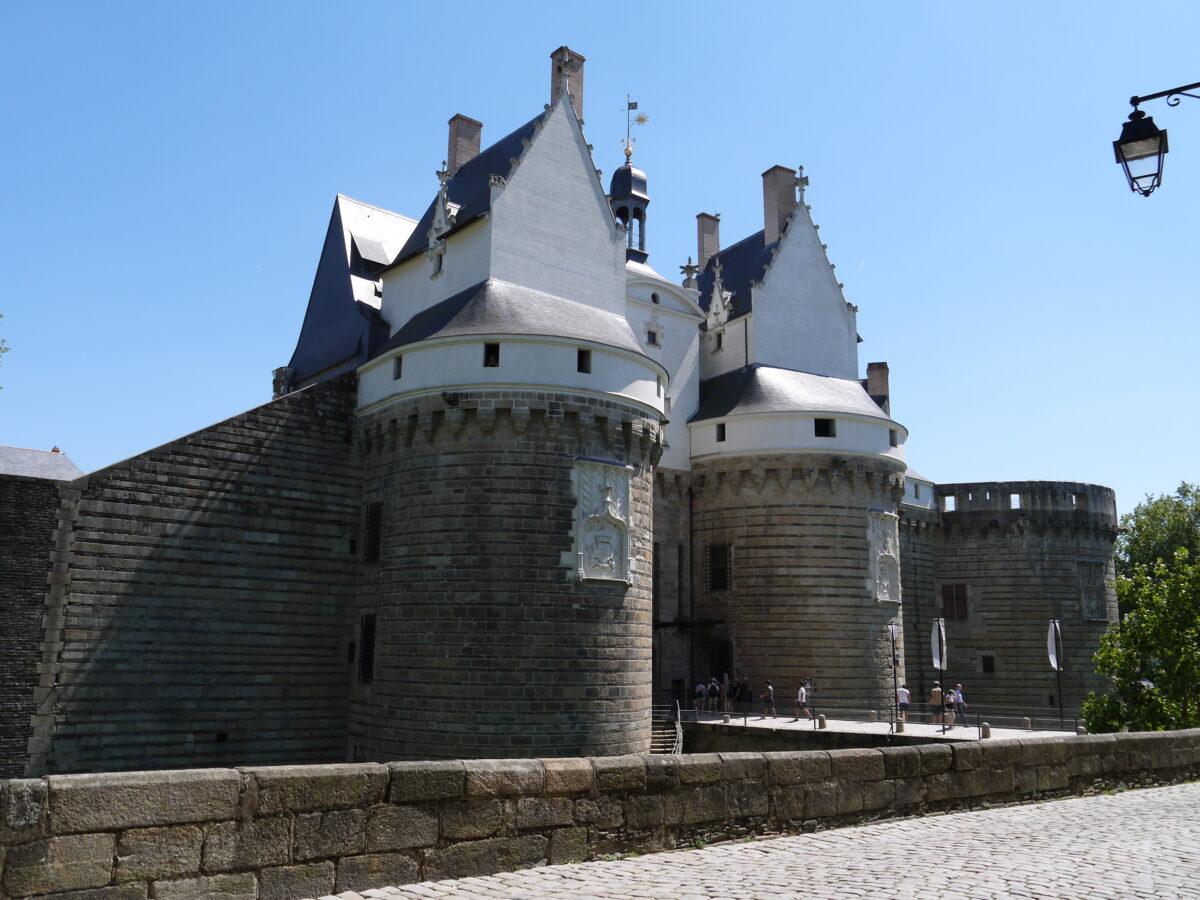
- Château des ducs de Bretagne: medieval fortress transformed into an urban history museum.
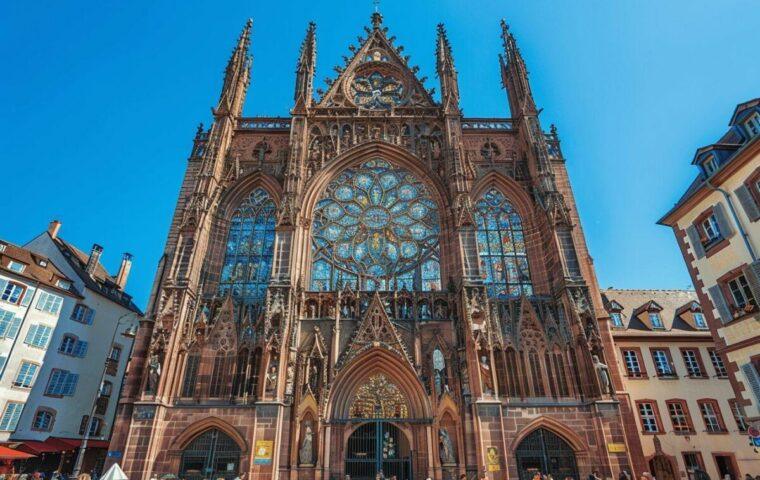
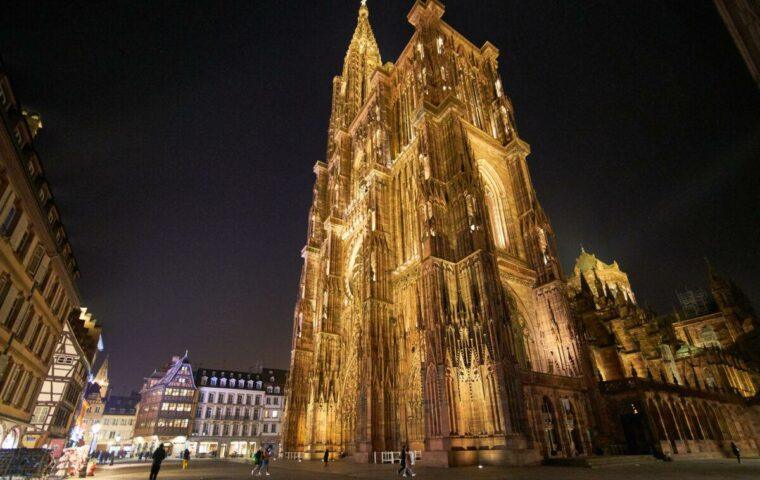
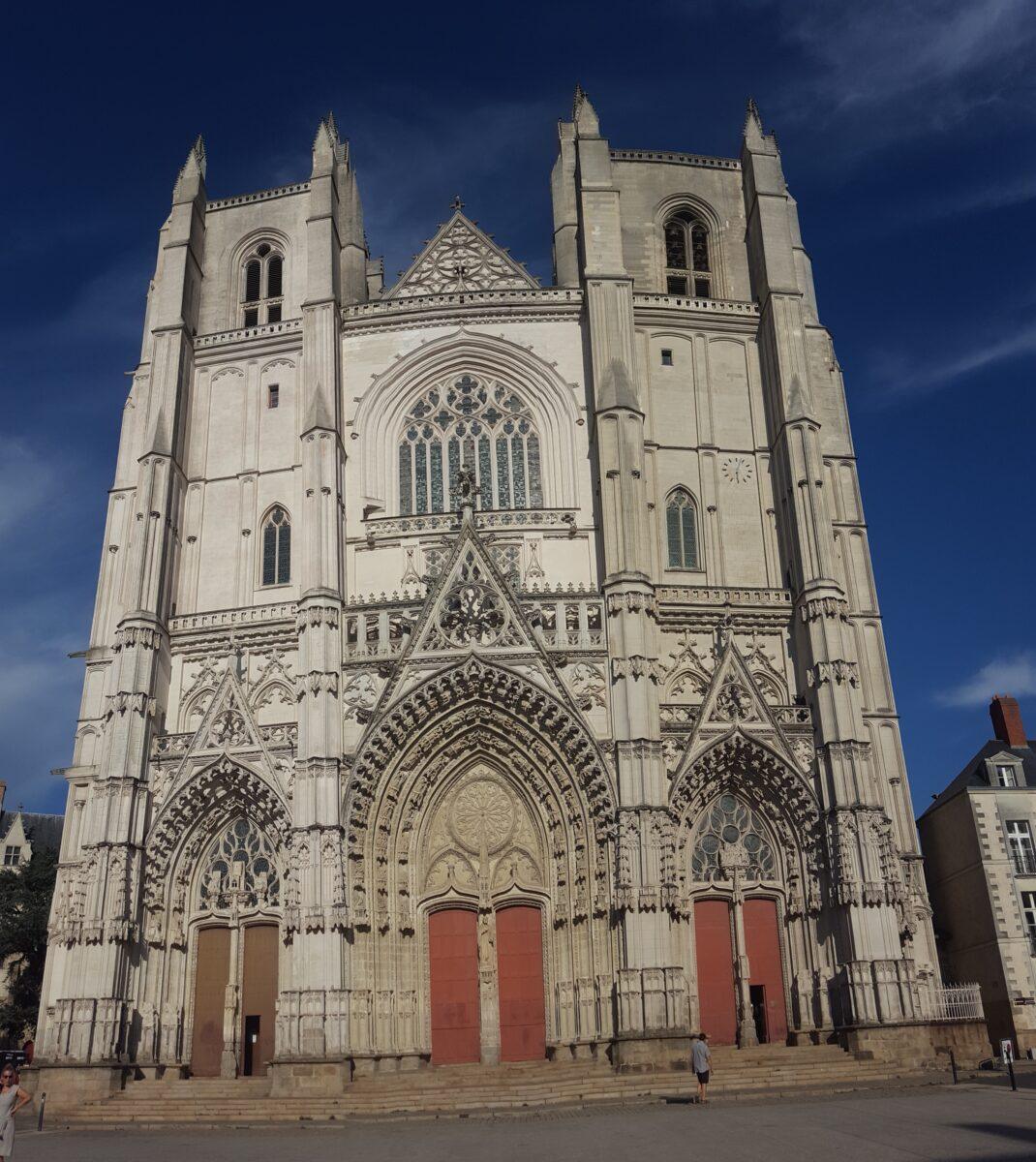
- Saint-Pierre-and-Saint-Paul Cathedral: Gothic façade and chapels, emblematic building of the historic center.
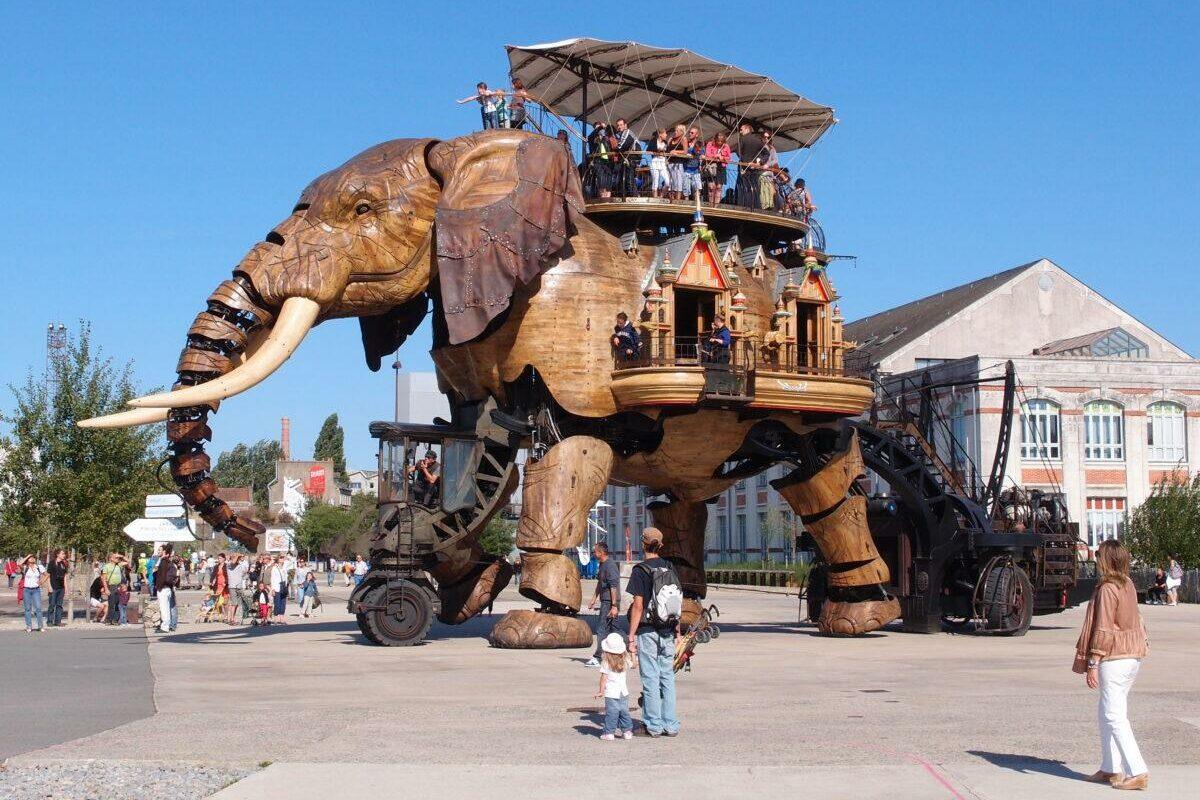
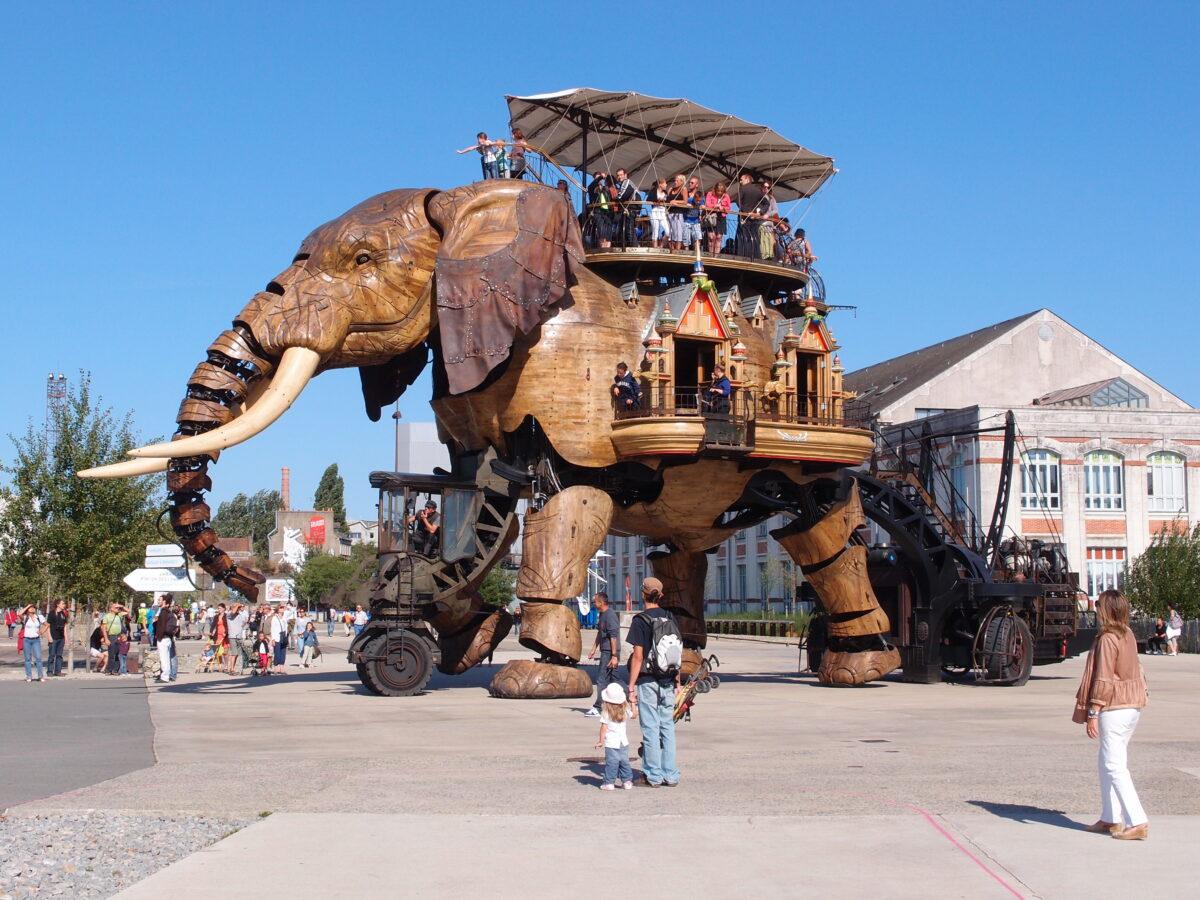
- Les Machines de l’île (Île de Nantes): mechanical trail and creations (the elephant, the machines gallery) — major attraction and symbol of industrial redevelopment.
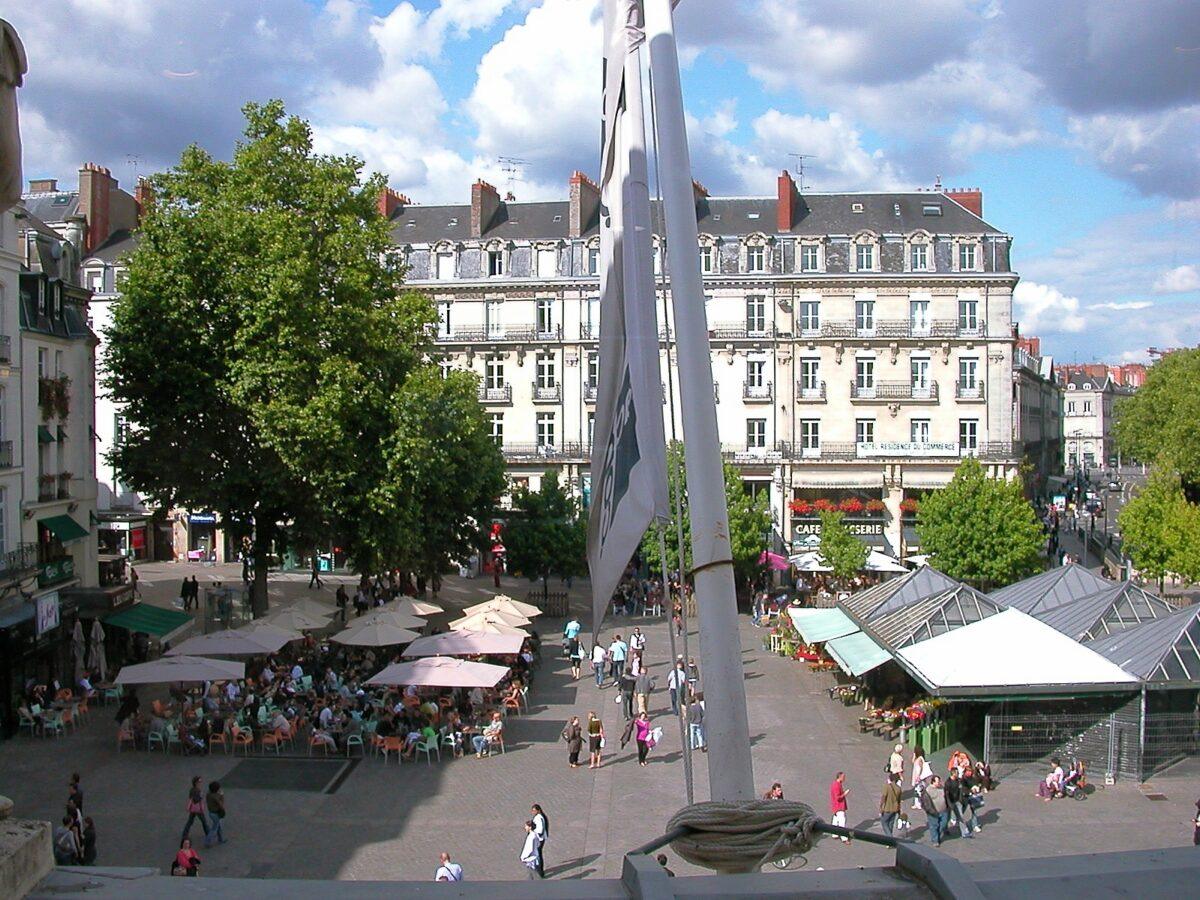
- Place du Commerce and pedestrian city center: cafés, market, and theater, social and commercial heart.
- Musée d’Arts de Nantes and Memorial of the Abolition of Slavery: leading cultural institutions.
Practical Tourism — 2–3 Day Itinerary
Here is an optimized itinerary to see the essentials:
- Day 1: Dukes’ Castle (museum visit), old town, cathedral and medieval streets; gastronomic break in the center.
- Day 2: Île de Nantes — Machines of the Isle and Hangar à bananes; walk along the quays and discovery of the works of the Voyage à Nantes.
- Day 3: Museums (Museum of Arts), excursions along the estuary (coastal road) or visit to the nearby Jules Verne Museum.
Practical tips: buy the Nantes Pass if you plan to visit several sites; favor biking and tramway (dense network) to save time.
Mobility, Access and Services
Nantes is served by Nantes-Atlantique airport (national and European connections), a TER/TGV hub (Nantes station) and an efficient urban network (trams, buses and bike-sharing). The center is well suited for walking; parking lots and tram stations are close to the main tourist sites.
Events, Culture and Local Life
The Voyage à Nantes (art trail and summer event), the Biennale and numerous festivals (music, digital arts) enrich the cultural life. Nantes also hosts congresses, trade shows and sporting events that enhance its attractiveness year-round.
Contemporary Issues
Among the challenges: ecological transition (management of riverbanks and floods), land and real estate pressure, sustainable mobility and heritage preservation in the face of urbanization. Local policies focus on energy renovation, development of public transport and creation of quality public spaces.
FAQ
1) What is the best time to visit Nantes?
Spring and early autumn offer a good weather/crowd balance; summer is very lively (Voyage à Nantes) but more crowded.
2) How much time to visit the historic center?
One day allows you to see the castle, the cathedral and the medieval heart; 2–3 days to include Île de Nantes and the museums.
3) Are the Machines of the Isle worth a visit?
Yes: mechanical shows, tours, and exhibitions make it a unique experience, particularly appreciated by families and fans of mechanical art.
4) Is Nantes a safe city for tourists?
As in all large cities, vigilance is recommended at night; tourist areas are generally well-frequented and monitored, and the tourist office provides practical advice.
5) Where to stay depending on the type of trip?
Historic center and nearby neighborhoods (Commerce, Bouffay) for tourism; Île de Nantes and contemporary districts for business or modern accommodations.
6) Are there themed guided tours?
Yes: historical tours, street art, family routes, and themed circuits offered by the tourist office and private operators.
Sources & references
- INSEE — Complete file Commune of Nantes (population evolution and structure, 2022).
- INSEE Comparator — Nantes Metropolis and commune (2022 figures).
- Le Voyage à Nantes — Tourist office (practical information and events).
- Wikimedia Commons — image pages (Dukes’ Castle, Machines of the Isle, Cathedral, Place du Commerce).
- City Hall of Nantes / Nantes Metropolis — urban policies and event calendar.