
Between the Nile, the pyramids of Giza, the temples of Luxor, and the Red Sea beaches, a trip to Egypt combines ancient history, guaranteed sunshine, and a still reasonable budget. This guide summarizes what you need to know to prepare for a first stay in Egypt: best time to go, major sites, itinerary ideas, budget, and practical tips for traveling calmly in 2026.

Sommaire
Quick verdict: Egypt at a glance
Egypt is a destination rated 9/10 for a first big trip outside Europe: unique heritage, sunny climate almost all year round, and still competitive value for money. The country welcomed nearly 15.8 million visitors in 2024, a record confirming its regained attractiveness after the pandemic. Travelers stay on average 10 days, which allows combining Cairo, a Nile cruise, and a few days on the Red Sea.
Recommended for: history and archaeology enthusiasts, couples and families who enjoy cultural visits, travelers seeking winter sun, divers (Red Sea). Less suitable for those looking for 100% fresh nature vacations or who poorly tolerate heat.
Highlights and limitations of a trip to Egypt
Before booking, it is useful to measure what Egypt offers at its best… and what might surprise or tire you.
- Exceptional heritage: pyramids, temples, tombs, museums, including 7 UNESCO World Heritage sites.
- Winter climate: mild temperatures from December to March, perfect for visiting the desert and ancient sites.
- Manageable budget: cost of living lower than Europe; average spending estimated around $90–100 per day per visitor in 2024.
- Hospitality and service: generally welcoming population, tourism staff experienced in hosting French speakers.
- Varied combinations: culture + seaside + desert possible on the same trip.
- Intense heat in summer: over 40 °C in Luxor or Aswan in July-August, challenging visits during peak sun hours.
- Crowds at major sites: pyramids, Karnak, or Valley of the Kings very busy in high season (December–February).
- Solicitations and tipping: bargaining, baksheesh, and persistent approaches from some vendors can be unsettling at first.
- Fluctuating regional context: the situation in the Middle East can have a temporary impact on the country’s image; authorities recommend increased vigilance and avoiding certain border areas.
Traveling in Egypt is very accessible, provided you accept a bit of heat, crowds, and know how to say no with a smile. The country more than rewards the effort with a density of historical sites found almost nowhere else. La Plume Cartographe, practical guide 2025
When to go to Egypt: weather, seasons, and crowds
Most specialized sources consider that the best time to travel to Egypt is between October and April, when temperatures remain moderate, especially in Cairo, Luxor, and Aswan. The months from December to February are the coolest but also the busiest, with rising prices.
For the Red Sea (Hurghada, Marsa Alam, Sharm el-Sheikh), the periods March–May and September–November offer warm water, generous sunshine, and less wind than in winter. The summer months, very hot inland, remain feasible for a mainly beach-focused trip.
| Period | Average temperatures | Recommended regions | Remarks |
|---|---|---|---|
| October – November | 25–30 °C day / 18–22 °C night | Cairo, Giza, Luxor, Aswan, Red Sea | Ideal: clear skies, bearable heat, moderate crowds. |
| December – February | 20–25 °C day / 10–15 °C night | Nile, ancient sites, major cities | High season: more groups, prices and availability to anticipate. |
| March – May | 25–35 °C | Cairo, Luxor, Red Sea | Good period for Nile cruise, some sand winds possible. |
| June – August | 35–42 °C (or more in the South) | Beach resorts, Red Sea | Extreme heat at ancient sites; favor early morning visits. |
| September | 30–35 °C | Nile, Red Sea | Beautiful light, gradual return of travelers after summer. |
For a first trip, aiming for a departure between late October and early April allows you to enjoy the key sites without sacrificing comfort. If you tolerate heat well, the shoulder seasons (November or March) often offer the best compromise between weather, price, and crowds. Itinerary advice, La Plume Cartographe
What to see in Egypt: the major must-sees
Egypt has at least seven UNESCO World Heritage sites: Memphis and its necropolis (Giza pyramids), ancient Thebes, historic Cairo, Nubian monuments from Abu Simbel to Philae, Wadi al-Hitan, Saint Catherine’s Monastery, and the Red Sea region. Here are the major stages of a discovery trip.
Cairo, Giza and the pyramids
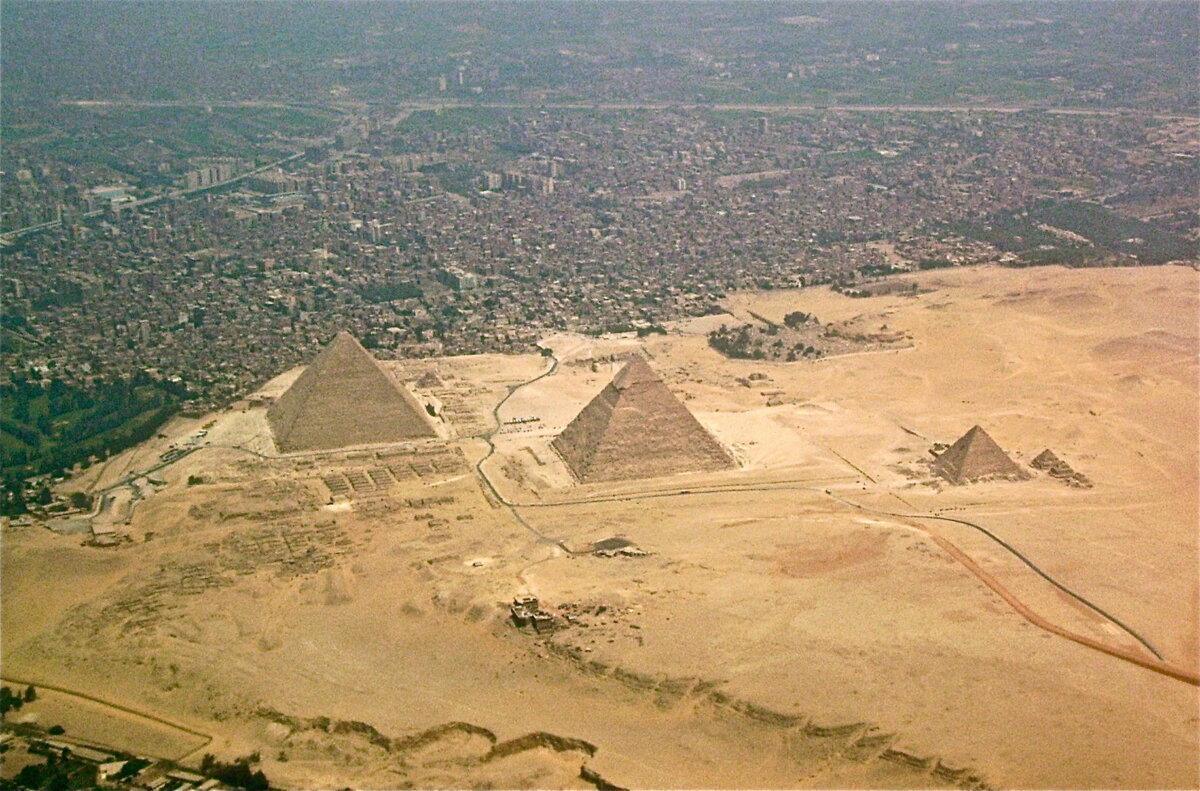
Cairo is a metropolis of more than 20 million inhabitants, noisy but fascinating. You can visit the National Museum of Egyptian Civilization or the future Grand Egyptian Museum, the Khan el-Khalili souk, and the mosques of Islamic Cairo. About 30 km away, the Giza pyramids and the Sphinx remain the iconic image of the country, with millions of visitors each year.
Luxor: temples and necropolises of Thebes
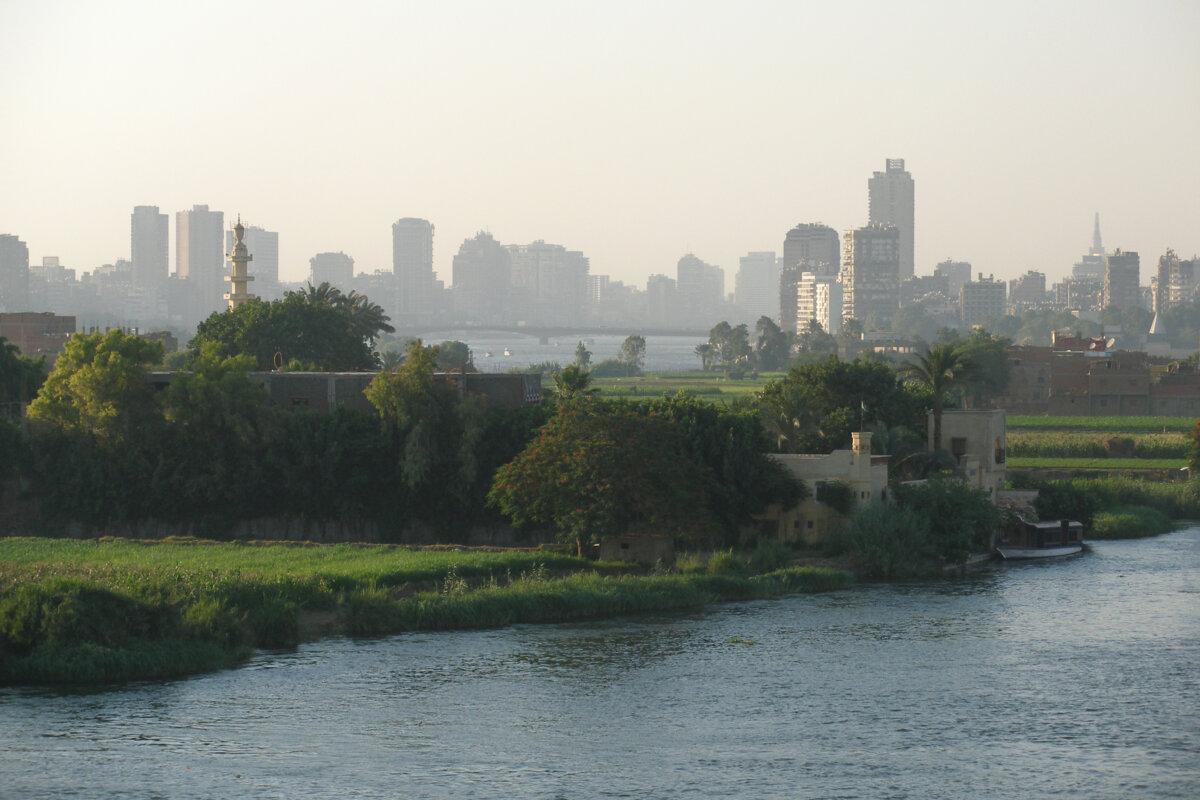
Luxor is often described as an open-air museum. On the east bank of the Nile are the temples of Karnak and Luxor, connected by the Avenue of the Sphinxes. On the west bank, the Valley of the Kings, the Valley of the Queens, and the funerary temples (including that of Hatshepsut) concentrate most of the accessible royal tombs.
Aswan and Abu Simbel: Nubia on the Nile
Further south, around Aswan, the Nile becomes narrower, dotted with islands and granite rocks. Here you can visit the Temple of Philae, relocated during the construction of the high dam, and Nubian villages. Many tours include an excursion to the Abu Simbel temple, with its spectacular colossal statues, saved from the waters of Lake Nasser by a large international operation in the 1960s.
Red Sea: Hurghada, Marsa Alam and Sinai
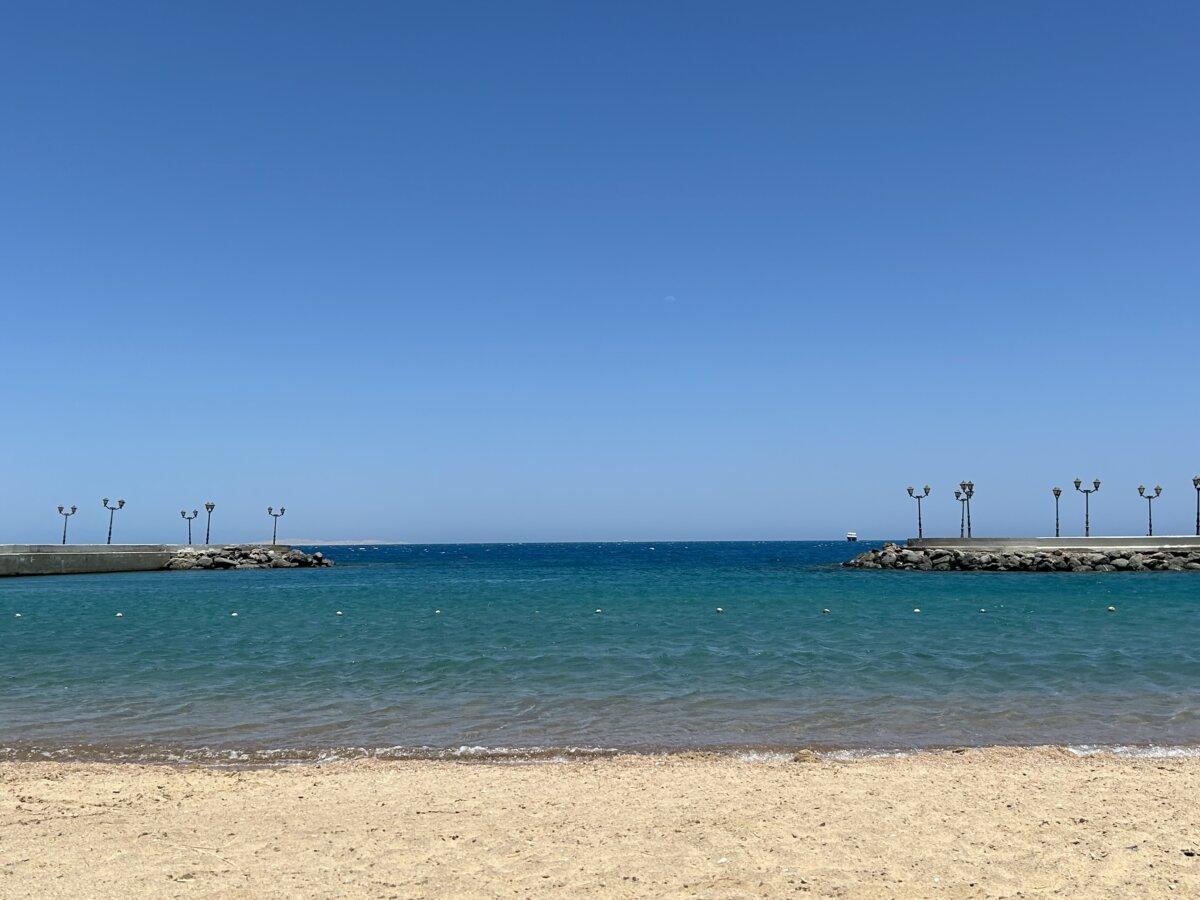
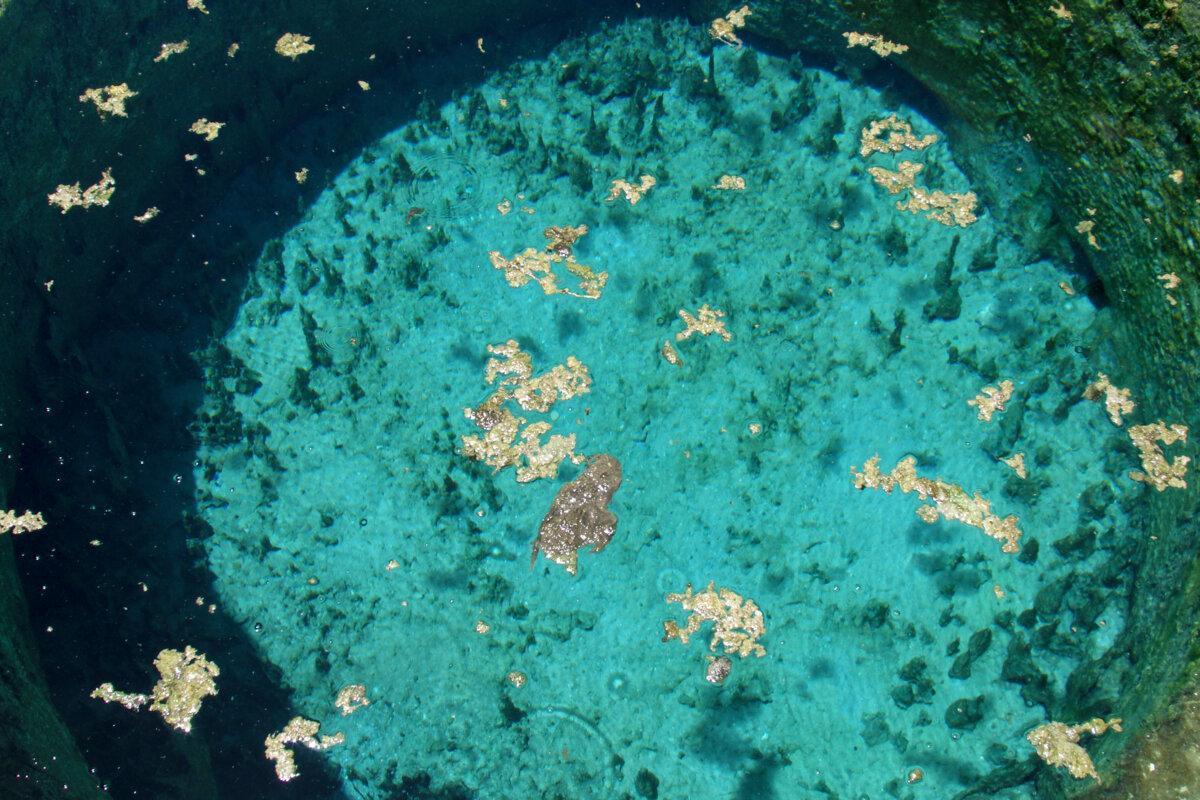
The coasts of the Red Sea offer the second part of the trip: beach, snorkeling, and diving in renowned coral reefs. Hurghada and Marsa Alam, easier to access from Luxor, concentrate hotels and diving clubs. On the Sinai side, Sharm el-Sheikh and Dahab combine diving, desert, and the possibility of hikes to Mount Sinai or Saint Catherine’s Monastery.
Deserts and oases: Siwa, Fayoum, interior Sinai
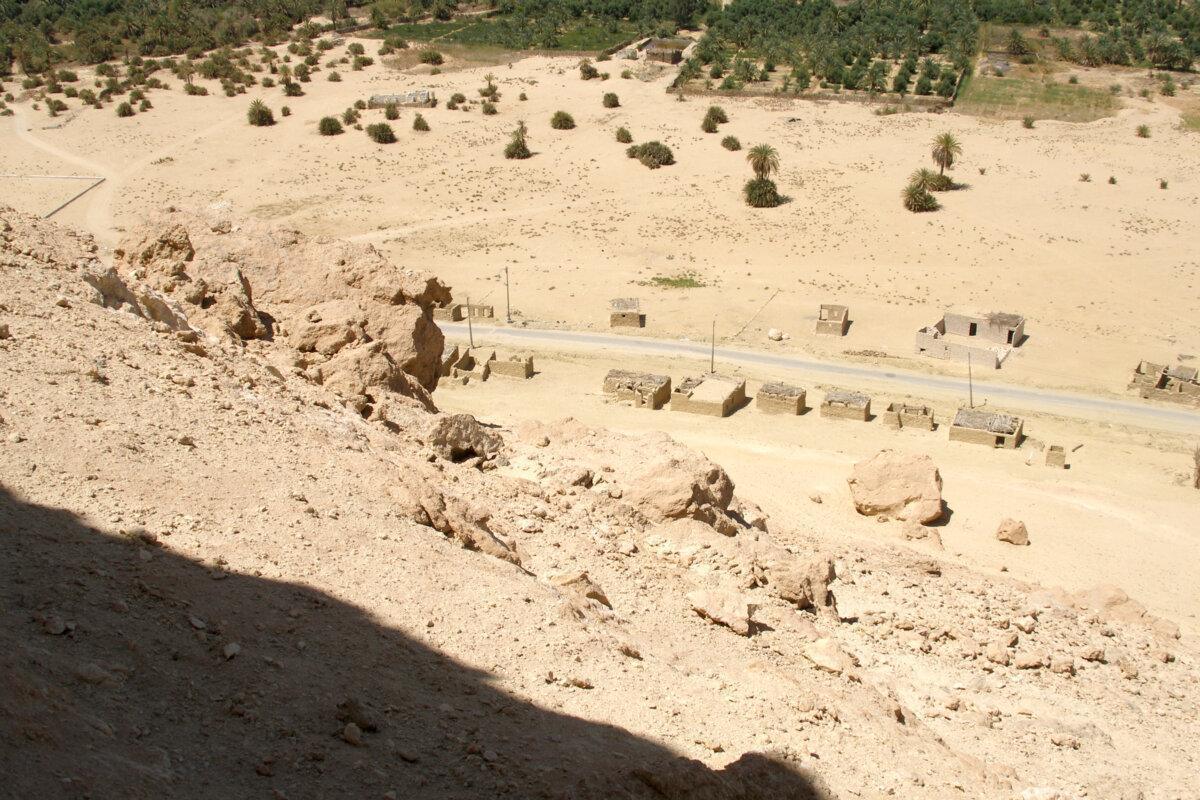
For a more confidential approach, the deserts and oases of Egypt allow hiking, sleeping under the stars, or bathing in hot springs. The Siwa oasis, near the Libyan border, attracts with its palm groves and the ruins of the Oracle of Amun temple. More accessible, the Fayoum oasis or the White Desert can be visited from Cairo via specialized agencies.
Itinerary ideas from 5 to 12 days in Egypt
According to recent figures, visitors spend on average 9 to 10 nights in Egypt, which corresponds to a trip of about ten days including travel. Here are realistic plans counting on a direct flight from Europe.
5 days: Cairo & Giza express
- Day 1: arrival in Cairo, stroll in the center or on the Nile in the evening.
- Day 2: Giza pyramids, plateau and Sphinx, possibly sound & light show.
- Day 3: museum (NMEC or Grand Egyptian Museum), Islamic Cairo, Khan el-Khalili souk.
- Day 4: excursion to Saqqara and Dahshur or free day.
- Day 5: last shopping, return flight.
8 days: Cairo + Nile cruise
- Days 1–2: Cairo and Giza.
- Day 3: flight or night train to Luxor.
- Days 4–6: Nile cruise (Luxor–Aswan or reverse), guided visits included of main temples.
- Day 7: Aswan (Philae, Nubian village), option Abu Simbel very early morning.
- Day 8: return to Cairo or international flight from Luxor/Aswan depending on connections.
12 days: culture, Nile and Red Sea
- Days 1–3: Cairo and Giza.
- Days 4–7: Nile cruise and sites of Luxor/Aswan.
- Days 8–11: transfer to Hurghada or Marsa Alam, relaxation, snorkeling or diving.
- Day 12: return flight (direct from the Red Sea or via Cairo).
| Duration | Program | For whom? |
|---|---|---|
| 5 days | Cairo + Giza | Busy travelers, long weekend, tight budgets. |
| 8 days | Cairo + Nile cruise | First cultural trip, couples, history enthusiasts. |
| 12 days | Cairo + Nile + Red Sea | Families, active seniors, desire to combine sightseeing and relaxation. |
It is better to reduce the number of stops rather than chain buses and domestic flights. Egypt is to be savored slowly: a sunrise on the Nile or a sunset on the dunes often deserves an extra visit. La Plume Cartographe, itinerary notebooks
Budget, transport and daily life in Egypt
How much to plan per day?
According to figures aggregated from UN Tourism data and the World Travel & Tourism Council, tourists spent about 15.3 billion dollars in Egypt in 2024, or $97 average daily expenditure. This gives a useful order of magnitude to calibrate your budget.
| Traveler profile | Estimated daily budget | What is included |
|---|---|---|
| Smart backpacker | 40–60 € | Simple room/guesthouse, simple meals, public transport or 2nd class trains. |
| Standard comfort | 70–110 € | 3–4★ hotels, some taxis or private transfers, group excursions. |
| High-end travel | 150–250 €+ | 5★ hotels, luxury cruise, private guide, tailor-made activities. |
Nile cruises start around 400–500 € for 4 nights in a basic package but can rise much higher depending on comfort level and season. Diving in the Red Sea remains competitive compared to other tropical destinations.
Domestic transport: flights, trains and road
The main entry points are Cairo and the Red Sea airports (Hurghada, Marsa Alam, Sharm el-Sheikh). Domestic flights connect Cairo to Luxor, Aswan, and the Red Sea. Travelers with time can use the train between Cairo, Alexandria, Luxor, and Aswan, booking if possible seats in 1st or 2nd class with air conditioning.
In the city, options include taxis, ride-hailing services (Uber, Careem), and public transportation. Specialized platforms note that ride-hailing services are often the simplest and clearest option in terms of price, especially for non-Arabic-speaking travelers.
Visa, security, and local customs
Egypt facilitates visitor entry with a 30-day tourist visa available either online (e-visa) or on arrival for many nationalities, for a fee of 25 USD payable at the bank counter at the airport. Lists of eligible countries and possible exemptions change: always check on the official “Egypt Visa” portal or with your consulate before booking.
Foreign authorities generally recommend exercising increased caution, avoiding certain border areas, and staying informed of updated security instructions. The use of recreational drones is, for example, prohibited, with possible confiscation upon arrival.
On the behavior side, the guides remind a few simple rules: covering clothing in mosques, sobriety in public spaces, caution with alcohol, strict respect for archaeological sites (no climbing on monuments, no flash photography in tombs). The culture of baksheesh (tips) is part of daily life: plan to have small bills for services rendered.
Approach Egypt as a guest: by respecting local codes, asking before photographing a person, and staying attentive to official announcements, you enjoy a rich and generally safe trip, even when traveling alone. Field advice, La Plume Cartographe
Methodology of this travel guide
This guide synthesizes information from official sources (Egyptian Tourism Office, Experience Egypt portal), international statistics (UN Tourism, WTTC, Road Genius), and recent reports on the recovery of the tourism sector. It adopts the approach of a journalist-writer specialized in tourism, focused on service and accuracy.
- Covered period: data updated through 2025 when available (tourism, climate, visa policies).
- Selection criteria: accessibility, cultural interest, diversity of experiences, logistical feasibility for a first trip.
- Target audience: curious travelers, families, active and urban seniors with 5 to 14 days of vacation.
- Angle: turning a desire to visit Egypt into a concrete itinerary, with time and budget benchmarks.
- Limits: prices, visa procedures, safety instructions, and political conditions may change quickly; this guide does not replace official advice from your country nor information from your agency or carrier.
FAQ: organizing a trip to Egypt
Is a visa required to travel to Egypt?
Most travelers need a tourist visa. Depending on your nationality, you can obtain it online (e-visa) or on arrival, for 25 USD. Since rules and possible exemptions may change, always check the official Egypt Visa portal or your consulate before departure.
What is the best time to visit the Giza pyramids?
For the pyramids and major ancient sites, conditions are most pleasant from November to March, with milder temperatures and ideal light. October and April offer a good compromise between heat and crowd levels. In the height of summer, plan visits at dawn and bring plenty of water.
How much time should be planned for a first trip to Egypt?
To combine Cairo, Giza, and a Nile cruise, aim for 8 to 10 days on site. With 12 to 14 days, you can easily add 3–4 days on the Red Sea. Under 5 days, focus on Cairo and the Giza plateau to avoid spending your time in transit.
Is Egypt suitable for children?
Yes, provided you choose a period outside of extreme heat and pace the visits. Nile cruises and seaside resorts are very popular with families. Opt for hotels with pools, French-speaking guides accustomed to children, and not too long journeys in the same day.
Can you travel alone in Egypt?
Many solo travelers discover Egypt each year. It is wise to book at least the major trips (flights, night trains, cruise) and some guided tours in advance, follow your country’s safety recommendations, and be discreet about your valuables. Solo female travelers are advised to wear covering clothing and favor structured transportation.
How should one dress during a trip to Egypt?
The rule: light but covering. T-shirts or short-sleeved shirts, lightweight pants or skirts below the knee, hat and sunglasses. For mosques and religious sites, shoulders and knees must be covered, and a scarf is useful for women. Avoid very tight or transparent clothing outside seaside areas.
Can you drink tap water in Egypt?
Tap water is generally not recommended for visitors. Prefer sealed bottled water, which is easily available and inexpensive, and avoid ice of uncertain origin. A small filter or purification tablets can be useful for long-term travelers.
How does baksheesh (tip) work?
Tipping is very common: 10–15% at restaurants if service is not included, a few Egyptian pounds for small services (luggage, toilets, housekeeping), and a more substantial amount for guides and drivers at the end of the service. The important thing is to always have small bills and remain courteous, even if you refuse a service.
Is Egypt suitable for seniors?
Yes, especially by choosing a cool season, comfortable accommodations, and a flexible pace. Nile cruises and seaside stays are particularly suitable, with little walking and visits often accessible by bus. Just mention any mobility constraints when booking.
Summary: for whom is Egypt a good choice?
Egypt is particularly suitable for travelers who dream of major archaeological sites, enjoy guided tours, and seek sunny weather in winter. Families find a good balance between education and enjoyment, couples a spectacular setting for a memorable trip, and divers a renowned underwater world.
The next step? Define your ideal period, book your flights, and choose a realistic itinerary: Cairo + Giza, a cruise on the Nile, and, if possible, a few days by the Red Sea. With careful preparation and adherence to local guidelines, a trip to Egypt rarely leaves one indifferent.