
Top 7 camping destinations: complete guide to choosing your next nature stay
Choosing among a top 7 camping destinations is not just about finding a nice spot to pitch your tent. It’s mainly about finding the right balance between nature, access, weather, activities, comfort level, and local rules. Between camping in France, the vast European outdoors, family camping, van camping, bivouac, or glamping camping, the options are numerous… and frankly, not all suit the same traveler.
This guide reviews seven solid, varied, and credible destinations for a nature stay: Brittany, Ardèche, Landes, the French and Italian Alps, Scotland, Costa Brava, and Norway. The goal is not to sell a vague dream but to help you decide according to your profile: beginner, family, hiker, ocean lover, van camper, or traveler attracted by sustainable camping.
Sommaire
In brief
🏕️ The best choice for a beginner camper often remains Brittany or Landes: easy access, many equipped campsites, simple activities, and a very readable natural environment.
🌊 For a sea-focused stay, the big winners are Landes, Costa Brava, and Brittany, with three very different atmospheres: surfing, Mediterranean coves, or wild coast.
⛰️ More sporty campers will rather aim for Ardèche, the Alps, Scotland, or Norway, where the weather, terrain, and self-sufficiency require more serious preparation.
🌱 On the sustainable camping side, Norway and Scotland are inspiring, but they demand real discipline: discretion, respect for local rules, zero waste, and choosing appropriate equipment.
What are the best camping destinations for a successful nature stay?
The best camping destinations are those that match your level, your equipment, and the type of experience you seek. For a first time, favor well-equipped regions like Brittany or Landes. For adventure, aim rather for Ardèche, the Alps, Scotland, or Norway, with more rigorous preparation.
This top 7 camping destinations is based on four simple criteria: quality of landscapes, variety of accommodations, accessibility for different profiles, and practical interest once on site. France maintains a lead in campsite density: in 2021 it had more than 7,700 equipped campsites, with particularly welcoming departments like Vendée, Charente-Maritime, Ardèche, Finistère, and Morbihan.
A good camping destination is not necessarily the most spectacular: it is the one where the level of freedom remains compatible with your actual autonomy.
| Destination | Ideal profile | Recommended type of camping | Strong point | Warning |
|---|---|---|---|---|
| Brittany | Beginners, families, hikers | Tent, van, mobile home | Sea, forests, GR34 | Changing weather |
| Ardèche | Athletes, groups, river lovers | Nature camping, tent, lodge | Wide open spaces and outdoor activities | High summer attendance |
| Landes | Families, surfers, comfort campers | Family camping, camping with beach access | Ocean, forest, relaxation | Currents and supervised swimming |
| Alps | Hikers, cyclists, adventurers | Mountain camping, van, guided bivouac | Relief, coolness, panoramas | Cold nights even in summer |
| Scotland | Self-sufficient campers, road trip travelers | Responsible wild camping, van | Freedom and raw landscapes | Rain, wind, midges |
| Costa Brava | Families, couples, culture lovers | Seaside camping, glamping | Coves, villages, gastronomy | High season crowds |
| Norway | Experienced campers, vanlifers, wilderness lovers | Equipped camping, regulated nature camping | Fjords, right of access to nature | Budget and weather |
1. Brittany: camping between sea, forests and coastal trails
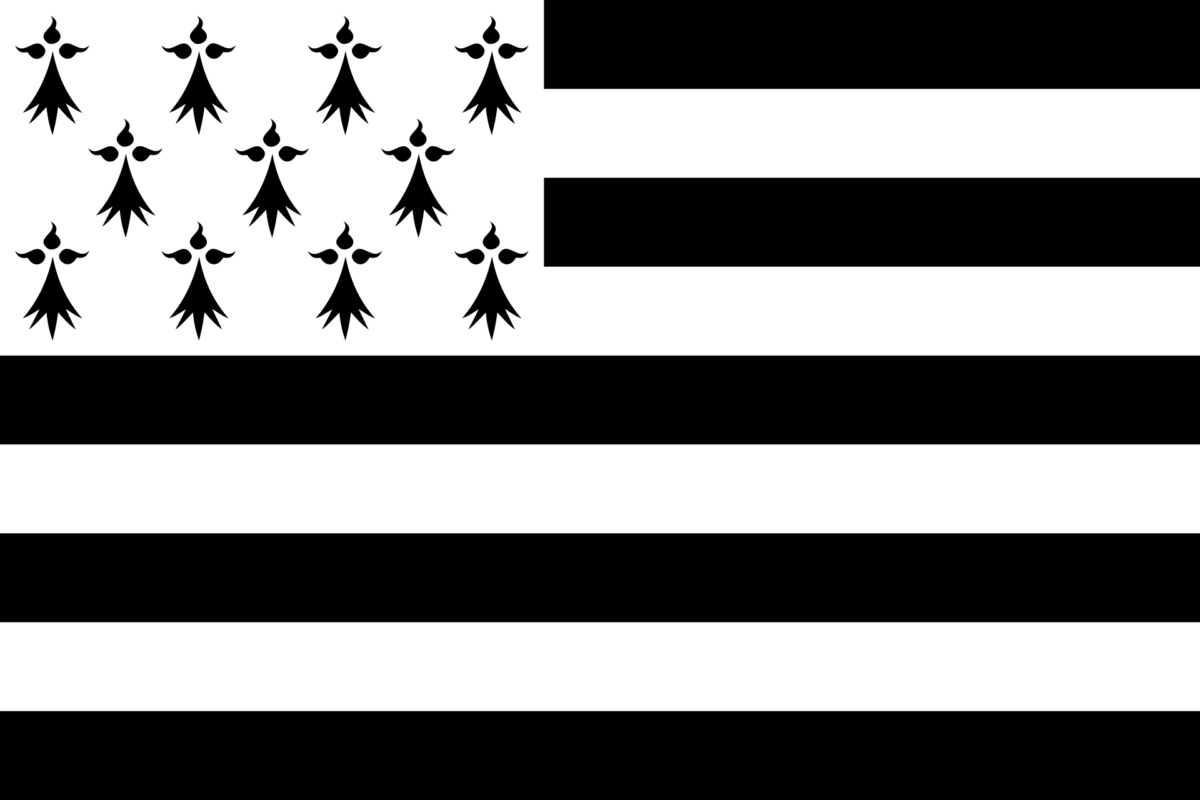
Brittany clearly deserves its place in this top 7 camping destinations, especially for a first experience. It combines beaches, forests, small ports, accessible islands, and coastal trails, including the famous GR34. The real plus is its versatility: you can camp simply near a family beach, choose a quieter nature campsite inland, or go by van along the coast.
Our opinion on Brittany
Brittany is probably one of the most reassuring destinations for beginner camping. Distances remain reasonable, the campsite offer is dense in Finistère and Morbihan, and activities are not only dependent on swimming. Even when the weather misbehaves — yes, it happens, joking aside — there are still markets, villages, forest walks, creperies, and ports.
Strong points
- Very good choice for beginners, notably thanks to the many equipped campsites.
- Great diversity of landscapes: beaches, cliffs, moors, forests, islands, and estuaries.
- Excellent hiking terrain with the GR34 and many coastal paths.
- Family atmosphere in many seaside resorts, without necessarily falling into mass tourism.
Weak points
The main weak point remains the weather, which can change plans from one day to the next. It is better to plan a well waterproofed tent, breathable clothes, and a solution to dry belongings. Brittany rewards flexible campers: those who accept to replace a beach day with a walk on the cliffs or a village visit will not be disappointed.
2. Ardèche: nature camping, river and wide open spaces
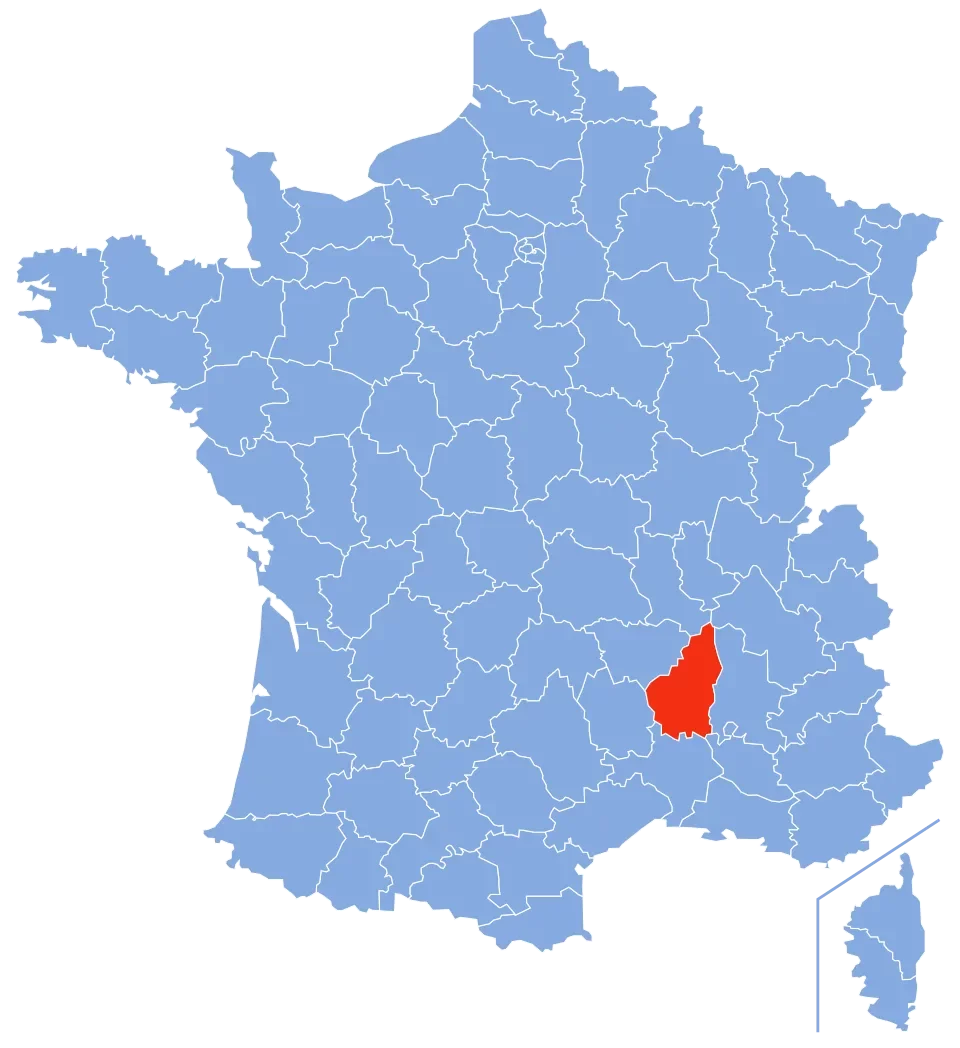
Ardèche is a destination with character for those who want a more active nature camping experience. Here, the appeal is not just about setting up your folding chair in front of the tent: people come to hike, paddle, swim in the river, explore limestone landscapes, and enjoy a very outdoor atmosphere. It is a French destination particularly appreciated by campers who want to feel a true change of scenery without traveling too far.
Our opinion on Ardèche
Ardèche is perfect if you want a lively, sporty, and very natural stay. It suits active couples, groups of friends, and families with children already comfortable outdoors. However, it is not necessarily the most relaxing destination in the middle of August: some areas can be very busy, especially near swimming sites and canoe bases.
Strengths
- Many activities: swimming, hiking, canoeing, cycling, local markets.
- Strong nature atmosphere, ideal for getting away from purely seaside camping.
- Varied offer between simple pitches, lodges, mobile homes, and more comfortable accommodations.
- Good compromise between accessible adventure and tourist infrastructure.
Weaknesses
Summer heat can be intense, and shaded pitches then become precious. Before booking, check the actual proximity to the river, the presence of trees, quiet hours, and the distance to shops. A nice place poorly located can quickly turn the holiday into constant shuttling, and no one wants to deal with that every day.
3. Landes: ocean, forest, and family camping
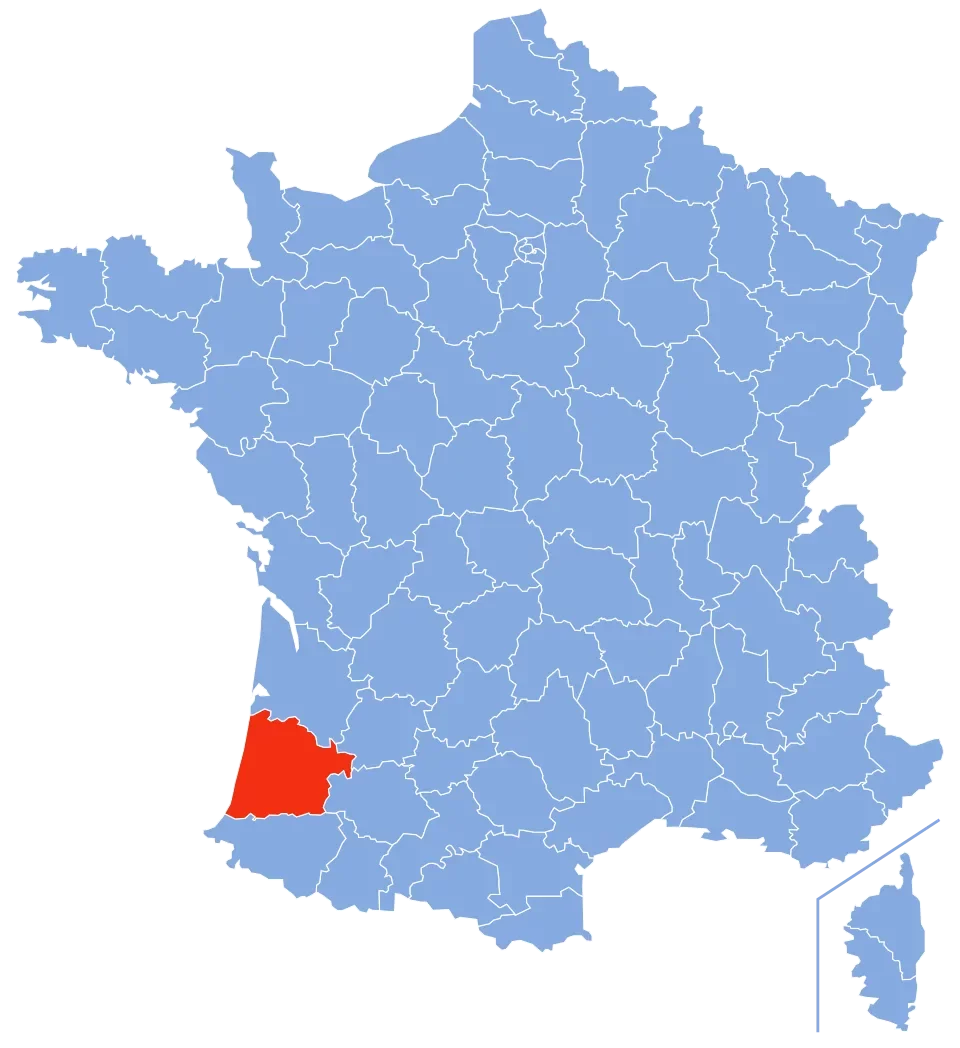
Landes ticks many boxes for a successful family camping trip: a huge forest, a 106 km coastline, bike paths, large ocean beaches, and many campsites with beach access or water parks. It is a very straightforward destination for organizing a stay: alternating supervised swimming, cycling under the pines, surfing, markets, and quiet evenings at the campsite.
Our opinion on Landes
In this top 7 camping destinations, Landes is the quintessential “easy vacation” choice. Families find very well-equipped campsites, teenagers enjoy surfing and bike paths, and adults can choose between relaxing, gourmet markets, or long forest walks. It is also a good option if you want comfort without giving up a real feeling of nature.
Strengths
- Very good level of camping facilities, especially for families.
- Frequent access to the beach or bike paths depending on the establishments.
- Relaxed atmosphere, between surfing, pine forests, lakes, and local markets.
- Wide choice of accommodations: tent, caravan, camper, mobile home, lodge.
Weaknesses
The Landes ocean is superb, but it demands respect. The waves and currents can be strong: it is better to favor supervised areas, especially with children. Another point to anticipate: large, very lively campsites are not for everyone. If you are looking for silence, check the size of the site and the exact location before booking.
4. French and Italian Alps: mountain adventure camping
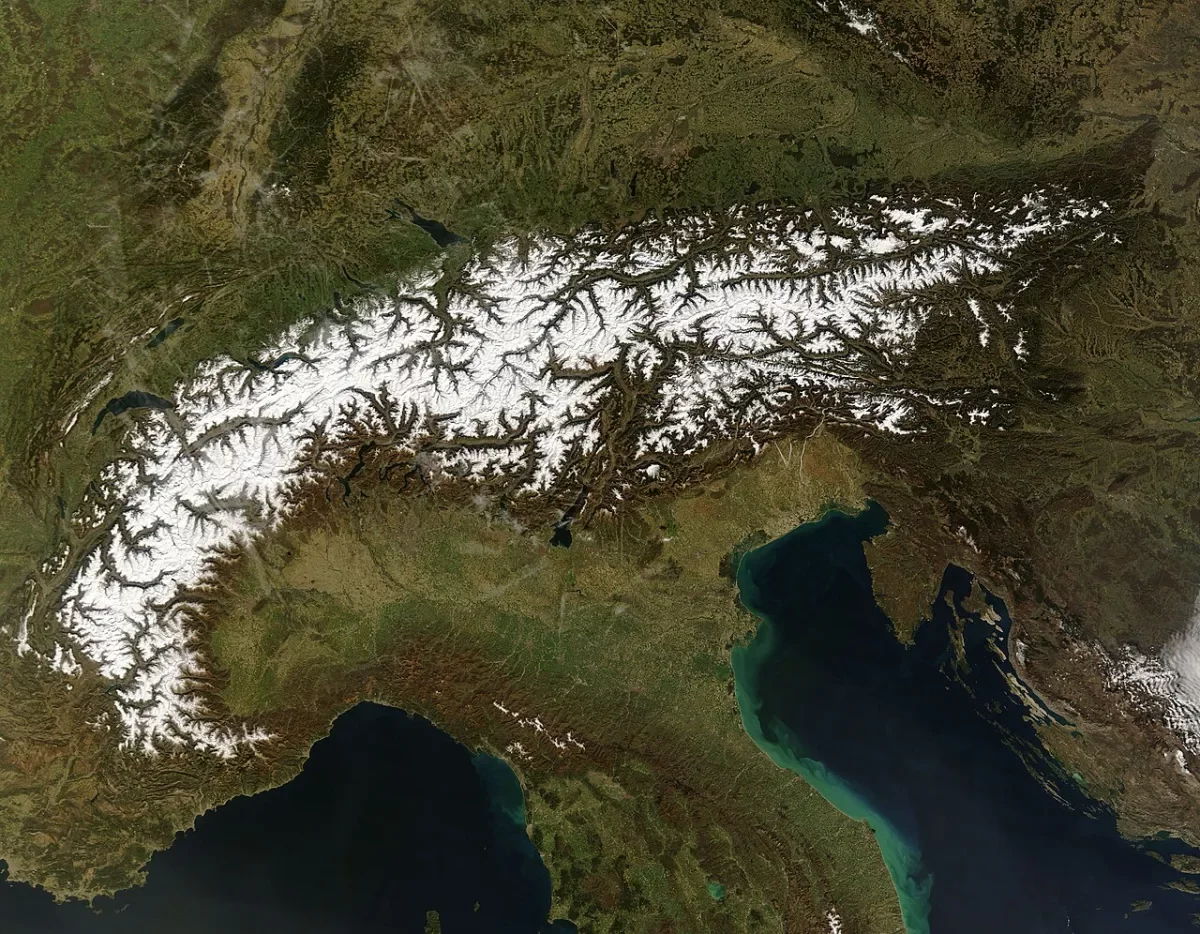
The French and Italian Alps are ideal for campers who want fresh air, varied terrain, and full days. Hiking, cycling, mountain lakes, mountain villages, panoramas, and cool nights: the setting is completely different from seaside camping. In a selection of camping destinations in Europe, the Alps clearly bring an adventurous dimension.
Our opinion on the Alps
The Alps are very suitable for campers who are at least somewhat equipped. Even in summer, nights can be cold, storms arrive quickly, and distances are measured more in time than in kilometers. In return, the experience is often more intense: a coffee at sunrise facing the peaks is well worth a few degrees less under the sleeping bag.
Strengths
- Spectacular setting for hiking, cycling, and mountain activities.
- Cooler temperatures than on the coast during heatwaves.
- Many options between valley campsites, van areas, and unusual accommodations.
- Sporty atmosphere, perfect for active holidays.
Weaknesses
Mountain camping requires more rigor than seaside camping. You need to monitor the weather, avoid spots exposed to the wind, plan a reliable lamp, and take an appropriate sleeping bag. Budget-wise, some very touristy areas can also get expensive quickly, especially near lakes or well-known resorts.
5. Scotland: wild camping, lochs, and raw landscapes
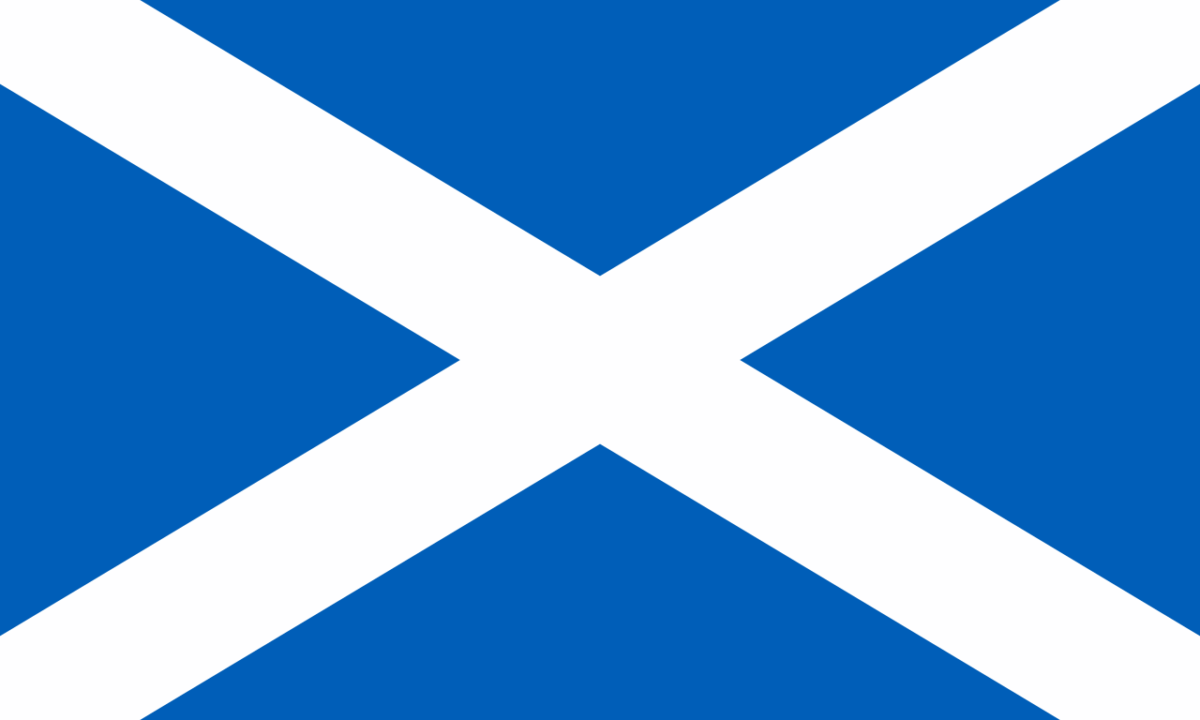
Scotland attracts campers who dream of freedom, scenic roads, lochs, and wild landscapes. It is known for allowing wild camping under certain conditions, notably that nothing is left behind. In other words, it is not an invitation to settle anywhere: it is a freedom granted on condition of being discreet, clean, and responsible.
Our opinion on Scotland
Scotland is not the easiest destination in this top 7 camping destinations, but it is one of the most striking. It suits self-sufficient campers, van travelers, and those who accept capricious weather. Comfort is earned through preparation: waterproof clothing, sturdy shelter, midges repellent, external battery, and flexible itinerary.
Wild camping is not a right to consume, but a responsibility to exercise discreetly.
Strengths
- Strong feeling of freedom for campers who respect local rules.
- Powerful landscapes: lochs, moors, mountains, cliffs, and islands.
- Very good road trip terrain, especially in a van or small camper.
- Immersive experience for lovers of raw nature.
Weaknesses
Scottish weather can be harsh: rain, wind, and humidity must be taken seriously. Wild camping also requires real discipline: no risky fires, no trash, no noise, no setting up near homes without discretion. If you are looking for guaranteed sunshine and spotless sanitary facilities every night, it is better to aim for another destination.
6. Costa Brava, Spain: camping between coves, culture, and the Mediterranean
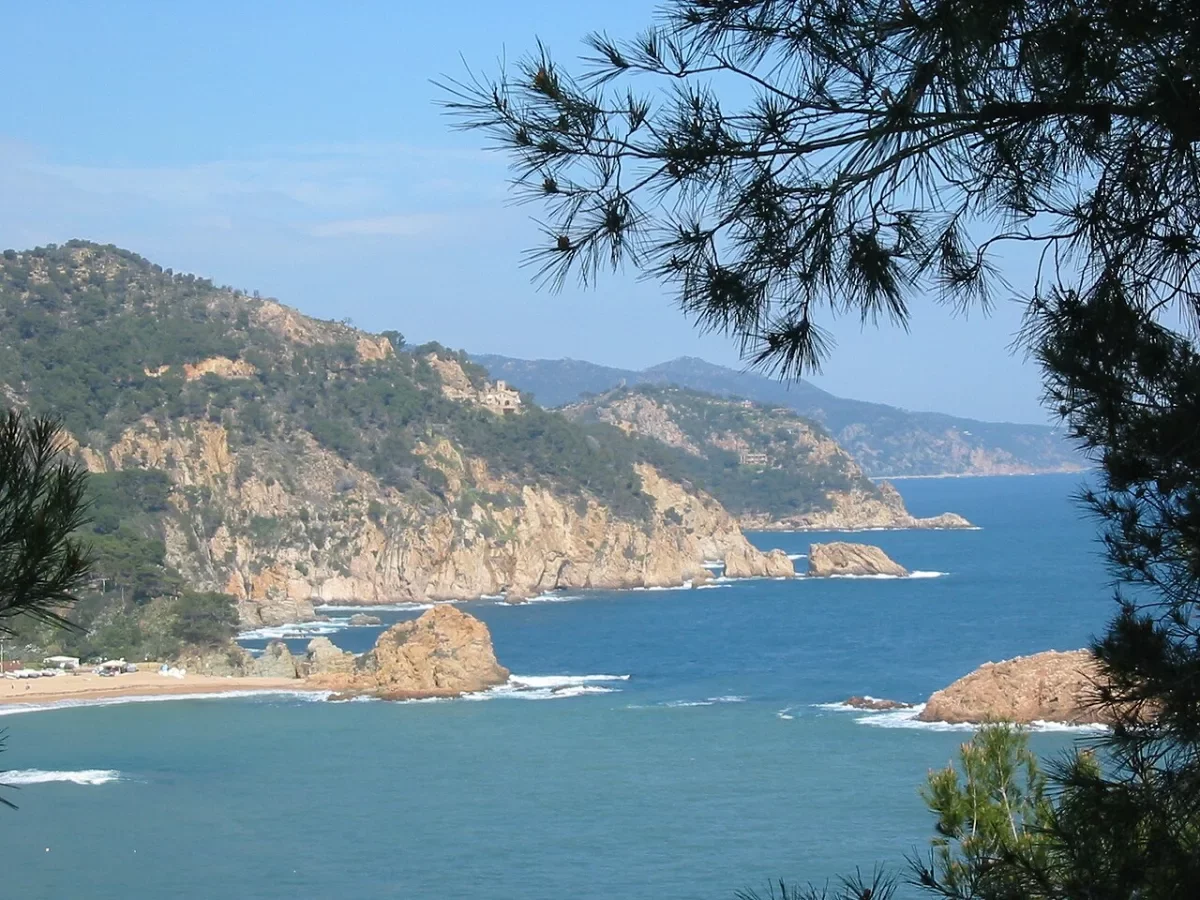
The Costa Brava is a safe bet for those who want to combine sea, culture, and comfort. It truly represents Spain’s appeal for camping: varied coastline, gastronomy, villages, heritage, and Mediterranean beaches. It is a particularly interesting destination for glamping camping, campsites with pools, and family stays seeking sunshine without boredom.
Our opinion on the Costa Brava
In this top 7 camping destinations, the Costa Brava is the most “Mediterranean holiday” destination. It works very well for a stay where everyone wants their own pace: beach in the morning, village in the afternoon, restaurant in the evening, pool for the kids, coastal walk for the more active. Cherry on the cake, it remains accessible by car from southern France.
Strengths
- Good balance of sea and culture, with beaches, coves, villages, and local cuisine.
- Varied campsite offerings, often well equipped for families.
- Mediterranean climate more stable than on the Atlantic coast.
- Interesting glamping options to keep comfort without going to a hotel.
Weaknesses
The high season can be very busy, with higher prices and congested roads near the most famous resorts. For a more pleasant stay, it’s better to aim for June, early July, or September if your schedule allows. Also check the actual distance between the campsite and the beach: “close to the sea” can sometimes mean a car is necessary.
7. Norway: sustainable camping, fjords, and guided freedom
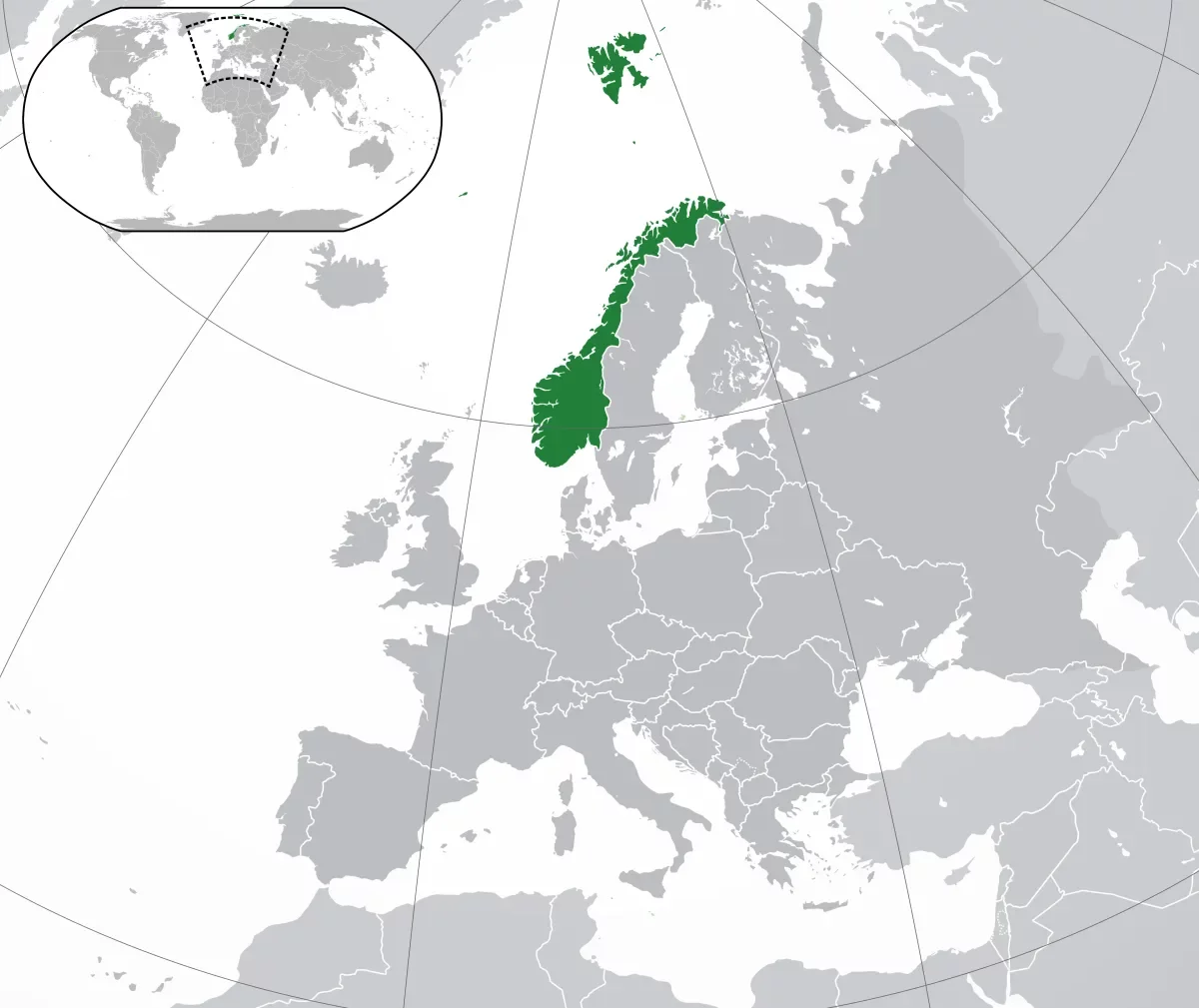
Norway is one of the strongest destinations for campers attracted by vast landscapes and sustainable camping. The country offers more than 1,000 campsites and benefits from a right of access to nature allowing free camping in many areas, provided local rules are respected. It’s a superb destination but not really for improvisation.
Our opinion on Norway
Norway is the most committed choice in this top 7 camping destinations. It is aimed at campers who can manage the weather, long distances, budget, and self-sufficiency. Whether by van, tent, or equipped campsite, the experience can be exceptional if carefully prepared. However, leaving without a plan B would be a bad idea, especially outside summer.
Strengths
- More than 1,000 campsites, useful for alternating nature and comfort.
- Right of access to nature, with a rare freedom in Europe.
- Spectacular landscapes: fjords, mountains, lakes, panoramic roads.
- Very good ground for sustainable camping, if rules are respected.
Weaknesses
Norway often costs more than southern European destinations, especially for food, fuel, and some accommodations. The weather can also require itinerary changes. To limit impact and budget, it’s better to travel slowly, stay several nights in the same place, and favor reusable equipment over disposable.
How to choose a camping destination according to your profile?
To choose a camping destination, start with your level of autonomy before looking at the landscapes. A beginner should favor an equipped and accessible campsite. An experienced camper can aim for wilder regions, provided they master weather, regulations, safety, food, water, and waste management.
The right choice depends less on the “trendy” destination than on your way of traveling. A family with two children will not have the same priorities as a couple in a van or a hiker seeking silence. Before booking, ask yourself very concrete questions: how many nights? what level of comfort? what activities? what weather risk? what budget?
The best choice according to your situation
- For a first time: Brittany or Landes, because the offer is abundant and fallback options are numerous.
- For holidays with children: Landes or Costa Brava, thanks to equipped campsites and easy activities.
- For a sporty stay: Ardèche or Alps, with hiking, river, biking, and wide open spaces.
- For a wild adventure: Scotland or Norway, provided you are self-sufficient and respectful of the rules.
- For original comfort: Costa Brava, Brittany or Alps in lodge, cabin or glamping version.
Our evaluation method
This ranking is not a fixed leaderboard. It compares destinations according to their ability to meet different needs: ease of organization, variety of accommodations, natural interest, available activities, accessibility and local constraints. A very beautiful destination but complicated to manage for a beginner does not necessarily get the best overall recommendation.
What camping equipment to plan before leaving?
Camping equipment must be chosen according to the weather, type of accommodation and your level of autonomy. For a developed campsite, the essentials suffice: bedding, lighting, simple cooking and suitable clothing. For a wild or mountainous stay, add rain protection, water reserve, first aid kit and reliable equipment.
The classic trap is to bring too many secondary items and not enough truly useful elements. A good headlamp, an insulating mattress, a waterproof jacket and a suitable cooler will have more impact on your comfort than a collection of gadgets. Cherry on the cake: traveling light makes setup faster and moving around much less tiring.
Basic checklist for a camping stay
- Shelter: suitable tent, sturdy pegs, mallet, groundsheet or tarp.
- Bedding: sleeping bag according to temperature, insulating mattress, compact pillow.
- Cooking: permitted stove, cookware, water bottles, cooler, lighter, reusable bags.
- Lighting: headlamp, lantern, batteries or solar charger depending on duration.
- Weather: waterproof jacket, fleece, closed shoes, breathable clothing.
- Health and safety: first aid kit, sunscreen, repellent, survival blanket.
- Respect for the place: trash bags, biodegradable soap, microfiber towel, airtight container.
Sustainable camping: what good practices to adopt?
Sustainable camping means reducing your impact without losing the pleasure of the stay. This involves simple actions: limiting waste, respecting authorized areas, saving water, avoiding noise, using biodegradable products and choosing committed campsites when possible. The real luxury here is to leave the place as clean as upon arrival.
In destinations like Scotland or Norway, this logic becomes even more important because the freedom to camp relies on trust. If campers abuse it, rules become stricter. In other words, each clean bivouac protects a little the possibility to camp tomorrow.
Simple actions to camp more cleanly
- Book outside the peak high season when possible, to reduce pressure on sites.
- Use a water bottle and reusable containers rather than multiplying packaging.
- Respect trails and authorized areas, especially in fragile natural spaces.
- Avoid improvised fires, particularly in forests, mountains or dry periods.
- Choose small-scale campsites if you seek calm, sobriety and contact with nature.
Budget, season, booking: tips to avoid unpleasant surprises
The camping budget varies greatly depending on the country, season, level of comfort, and proximity to the sea or tourist sites. A bare pitch in a simple campsite is not in the same category as a fully equipped lodge with a pool, entertainment, and direct beach access. That’s why you need to compare the overall cost, not just the price per night.
To save money without sacrificing the experience, if possible, travel in June or September, stay several nights in the same place, and avoid the most sought-after areas during peak weekends. In very popular destinations like the Landes or the Costa Brava, booking early is often smarter than hunting for a last-minute deal.
What to check before booking
- Actual distance to the beach, trail, village, or transport.
- Type of pitch: shade, flat ground, electricity, separation between neighbors.
- Sanitary facilities: number, advertised cleanliness, night access, children’s amenities.
- House rules: quiet hours, pets, barbecues, visitors.
- Cancellation conditions, especially in regions with uncertain weather.
Final verdict: which camping destination to prioritize?
If you want a simple recommendation, Brittany is the best versatile choice for beginners, the Landes are ideal for a family stay by the ocean, and the Ardèche offers the best nature-active compromise in France. For a more exotic trip, the Alps attract sports enthusiasts, Scotland freedom lovers, the Costa Brava campers who want sun and culture, while Norway is for the most self-sufficient.
This top 7 camping destinations therefore has no single universal winner. The right choice depends on your tolerance for discomfort, your budget, your equipment, and your desire for adventure. To summarize: start simple if you’re a beginner, increase the intensity afterwards, and always keep a margin for the weather. It’s often this margin that turns a decent stay into a great memory.
Key takeaways
- 🏕️ Brittany remains the safest choice for a first nature camping trip.
- 🌊 The Landes combine ocean, forest, camping facilities, and a very accessible family atmosphere.
- ⛰️ The Alps and Ardèche are better suited to active and well-prepared campers.
- 🌿 Scotland and Norway require autonomy, strict rule compliance, and reliable gear.
- ☀️ The Costa Brava appeals with its balance of sea, culture, comfort, and glamping.
FAQ
What is the best camping destination for beginners?
Brittany is often the best choice for beginner camping, as it offers many developed campsites, varied landscapes, and numerous activities even when the weather changes. The Landes are also very suitable if you’re looking for more sun, ocean, and family facilities.
Where to do wild camping in Europe?
Scotland and Norway are among the best-known European destinations for wild camping or supervised nature camping. However, be careful: this freedom depends on respecting local rules, discretion, waste management, and absence of nuisance.
Which destination to choose for family camping?
The Landes and Costa Brava are particularly interesting for family camping. They often offer well-equipped campsites, easy activities, accessible beaches, and comfortable accommodation options like mobile homes, lodges, or glamping camping.
What equipment is essential for camping?
Essentials include a suitable tent, a sleeping bag appropriate for the temperature, an insulating mattress, a headlamp, a first aid kit, and rain gear. For wilder destinations, add a water reserve, an external battery, and reliable cooking equipment.
When to book a campsite for summer?
For highly sought-after destinations like the Landes, Brittany, or Costa Brava, it’s better to book several months in advance if you’re traveling in July-August. If you can travel in June or September, you’ll often have more choice, fewer people, and sometimes better rates.