On a bend of the Seine, in the shadow of the Grande Arche, Nanterre combines village spirit, administrative power, large parks, and a vibrant student life. This guide gathers the essentials to understand the city, stroll around, work there — and why not settle there.
Sommaire
Geography & Location
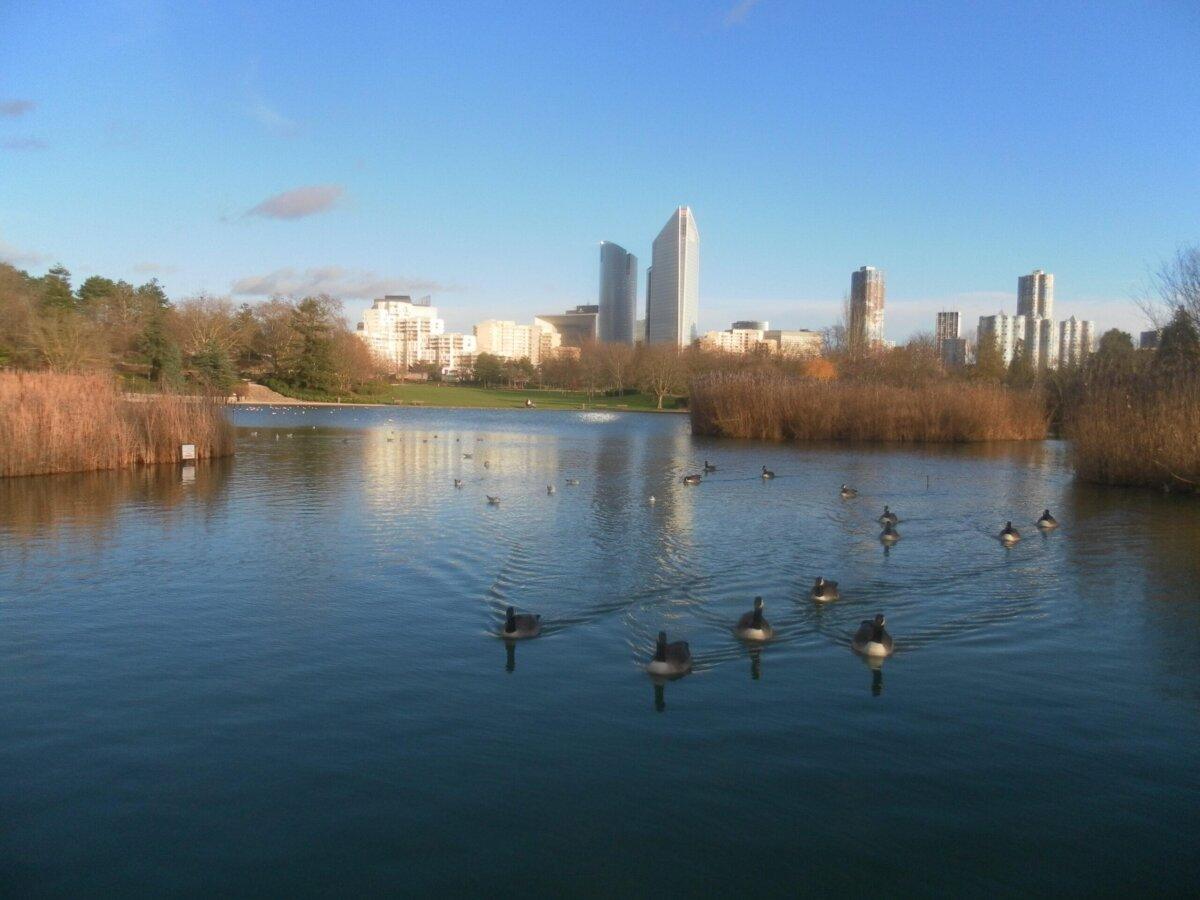
Administrative capital of Hauts-de-Seine, Nanterre extends to the immediate northwest of Paris. The commune embraces the Seine on its western edge and spreads out between contrasting neighborhoods: Anciennes-Mairies and Centre around the cathedral, Parc Nord and Petit-Nanterre on the riverbank and nature side, the Université sector with its large campus, and to the southeast the urban arc adjoining La Défense and its transforming fringes (Les Groues, Seine-Arche). The topography, gentle but expressive, alternates plateaus and embankments that open clear views towards the towers of La Défense on one side and towards the vast river landscape on the other. The municipal area is around a dozen square kilometers: a scale where one crosses, in a single walk, radically different atmospheres — from the lawns of Parc André-Malraux to the mineral slab of the esplanade, from the bell tower to contemporary glass, from the village to the metropolis.
History & Heritage
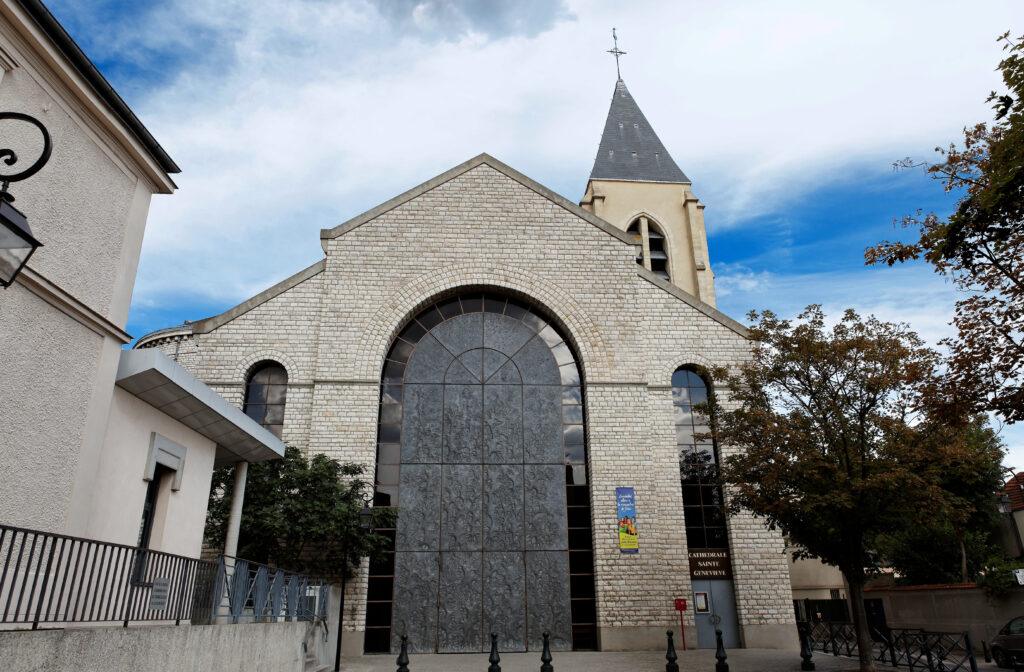
Former Seine village, Nanterre long developed around market gardening lands and trading routes leading to Paris and Normandy. Tradition holds that Saint Geneviève, future patron saint of Paris, was born there in the 5th century: a spiritual thread still visible in the old heart around the cathedral. The subsoil tells another story, even older: excavations carried out around the year 2000 uncovered a vast ancient settlement and traces of protohistoric occupation on the riverbanks, confirming the very ancient anchoring of the site in the Paris basin. From the Middle Ages to the Modern Era, the land was organized between crops, mills, fords, and hamlets, while the riverside guinguettes attracted walkers.
The 19th century marked a turning point: railways took hold, Paris overflowed, industry settled in. In the 20th century, urbanization accelerated with the creation of large housing estates, modern facilities, and expressways. The second half of the century completely reshuffled the map with the birth of the La Défense business district on the southeast fringe, then the erection of the Grande Arche at the end of the 1980s, which extends the historical Louvre–Étoile axis towards the Seine. Nanterre then asserted itself as a “platform city” where campus, departmental institutions, corporate headquarters, and residential neighborhoods coexist. In terms of heritage, several markers structure the narrative: the Sainte-Geneviève-et-Saint-Maurice Cathedral and its forecourt, old houses in Anciennes-Mairies, requalified industrial traces, and a constellation of public artworks punctuating parks and squares.
Population & Demographics
With nearly 100,000 inhabitants, Nanterre is among the most populous municipalities in Hauts-de-Seine. The profile is distinctly from the Île-de-France region: a high proportion of active workers, a strong presence of executives and intermediate professions linked to services, engineering, consulting, and administrations, and a significant student base around the university. The neighborhoods offer contrasting sociologies — from the more heritage-rich old center to Petit-Nanterre familiar with the riverbanks, passing through the more contemporary blocks of the La Défense corridor. Residential mobility is high, driven by employment attractiveness and transport connections. At the same time, the city fosters very tangible neighborhood ties: markets, associations, local facilities, and shared gardens support a caring local life, essential to urban balance.
Economy & Employment
The municipality is part of the leading European business hub, experiencing both its opportunities and ripple effects. The southeast arc, in direct contact with La Défense, hosts headquarters and major services, but also engineering, communication, tertiary real estate, and hotel activities. At the center, the institutional role is decisive: prefecture of the department, departmental council, courthouse — all public employers that support a network of legal and administrative professions. Around, local commerce holds strong: pedestrian streets, hall and weekly markets, lunchtime dining for workers, evening bistronomy, artisans, and everyday services. To the west, the riverbanks and parks have given rise to atypical cultural venues and social and solidarity economy structures, contributing to local dynamism.
Tourism & Culture: Top 5 Places to See
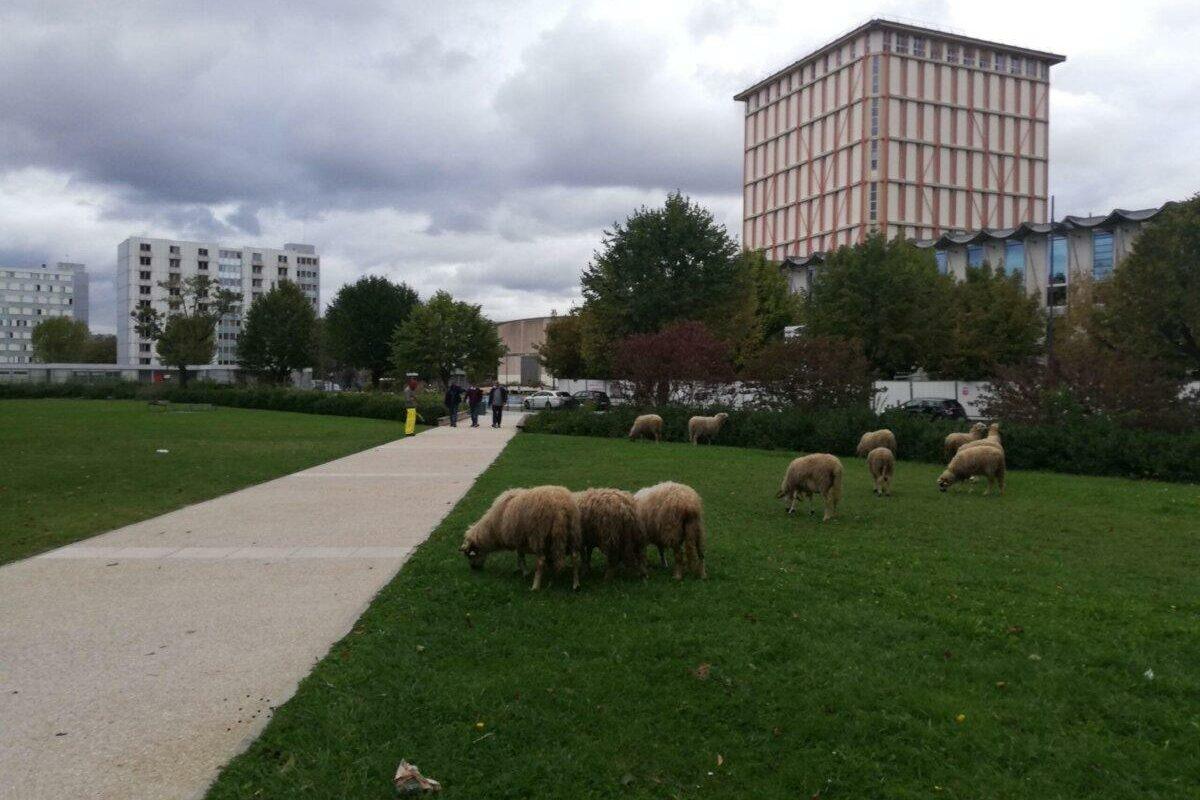
- André-Malraux Departmental Park — Large landscaped park with water features and vast lawns, viewpoint over the towers. You’ll encounter joggers, families, readers in the sun, and photographers at golden hour.
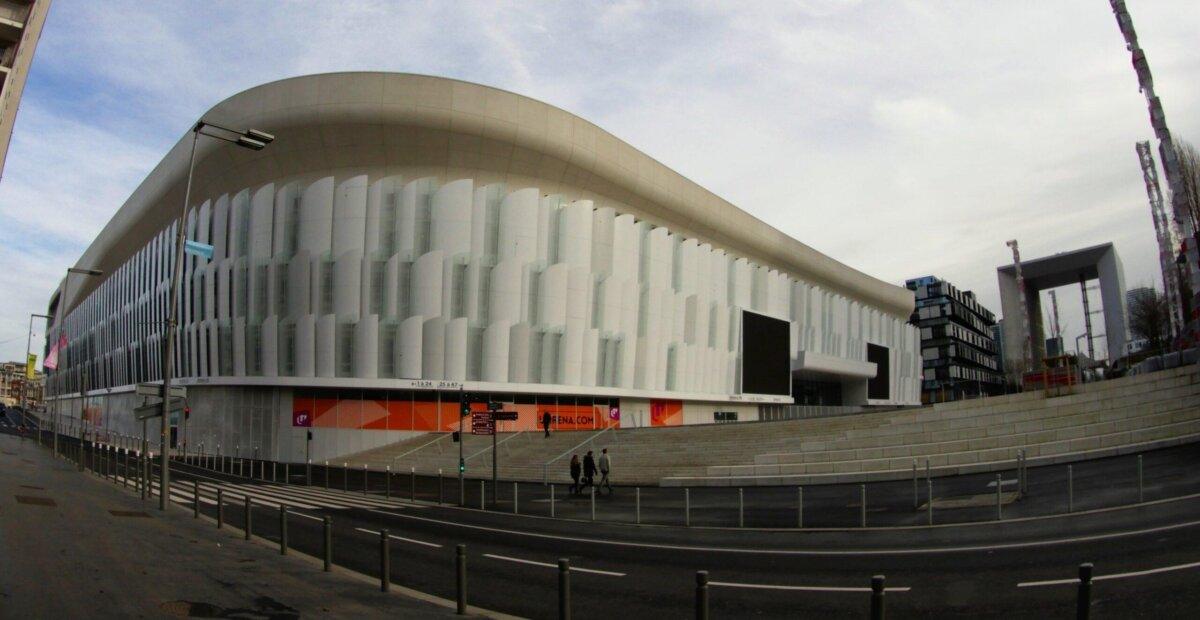
- Paris La Défense Arena — Impressive modular hall/venue hosting Racing 92 rugby matches and large-scale concerts. Enveloping contemporary architecture and quick access.
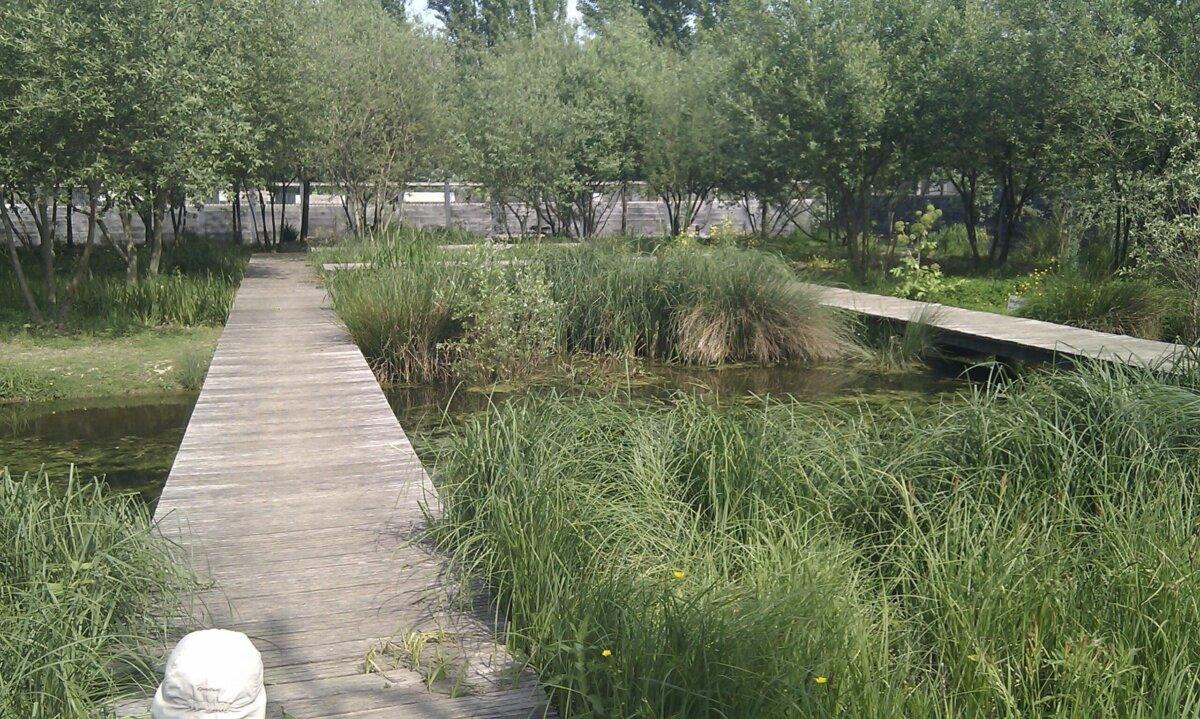
- Chemin-de-l’Île Park — Ecological gem on the banks of the Seine, with filtering basins, wooden footbridges, and biodiversity islets. A precious place to reconnect with nature in the metropolitan heart.
- Sainte-Geneviève-et-Saint-Maurice Cathedral & Old Town Center — Lively forecourt, calm facades, local shops: this is the most “village-like” part of Nanterre, where the historical depth of the site is felt.
- Seine-Arche & Nanterre Terraces — Major urban seam extending the axis of the Grande Arche towards the Seine by spanning infrastructures. Walkways, artworks, and striking views.
Local Specificities (Culinary, Craft, Cultural)
Nanterre does not have “one” specialty, it has dozens. The city cultivates a very Parisian art of the table — generous markets, characterful cheesemongers, award-winning bakeries and pastry shops, world cuisine restaurants — and a definite taste for cultural experimentation. One thinks of the National Dramatic Center Nanterre-Amandiers, the Maison de la Musique, the very active libraries, and hybrid spaces that combine gardens, workshops, concerts, and open-air cafés. In the public space, artistic commissions interact with urban planning: sculptures, murals, creative furniture, and viewpoints that, from a slope or a staircase, frame the Grande Arche like a stage set. The vibrant associative life makes room for citizen initiatives: shared composting, bike workshops, solidarity thrift shops, neighborhood clubs. All this shapes a rather rare identity: a city that embraces its metropolitan role while keeping a foot in a simple, almost village-like daily life in some areas.
Transport & access
Train & RER: line A serves three useful stations — Nanterre-Ville for the old town center, Nanterre-Université for the campus, and Nanterre-Préfecture for direct access to La Défense. The Transilien line L stops at Nanterre-Université (Saint-Lazare in a few stops). Bus: dense network towards Rueil-Malmaison, Suresnes, Puteaux, Courbevoie, La Garenne-Colombes, and Colombes. Road: A86 and A14 to the south, RD 914 and RD 992 provide connections within the Paris region. Bicycles: cycling routes are becoming denser along the Seine, towards La Défense and between neighborhoods, with parking near stations and facilities.
Visitor tip: to grasp the geography, take an “S”-shaped route: Nanterre-Ville → cathedral and alleys → Anciennes-Mairies park → descent to the Parc du Chemin-de-l’Île → climb back up via the terraces of Seine-Arche → finish on the esplanade of La Défense. In just a few kilometers, you go from the Seine to the towers.
Local life: education, sports, associations
Paris Nanterre University sets the rhythm of the city. A large multidisciplinary university (law, literature, social sciences, economics, sports…), it spreads a palpable student energy in cafés, parks, and campus events. The “large university library” and departmental libraries, university sports facilities, cultural venues (film clubs, exhibitions, lectures) nourish the community far beyond the student perimeter. On the school side, public and private offerings cover all levels — from early childhood to high schools — complemented by well-networked conservatories, media libraries, and leisure centers.
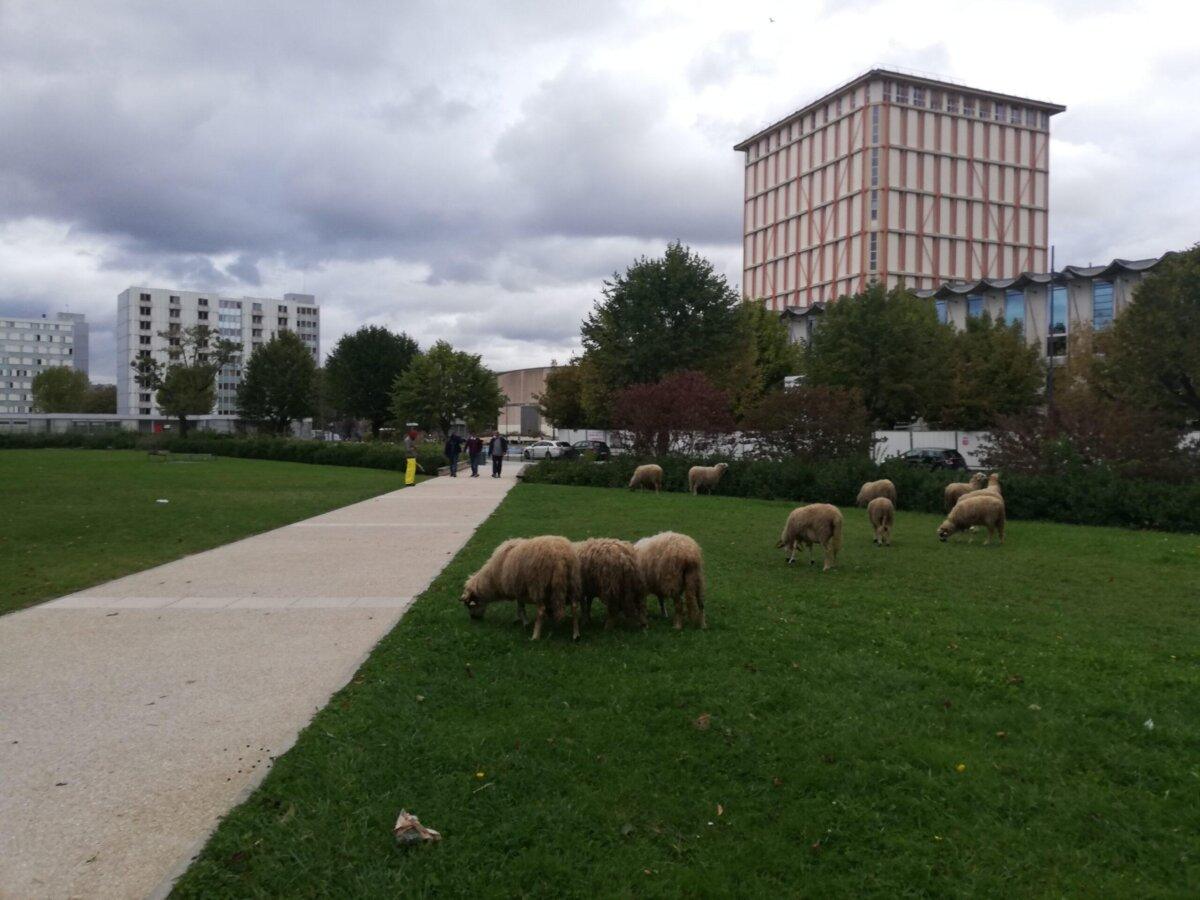
Sports & nature: stadiums, gymnasiums, local fields, swimming pool, dojos, rugby and football fields… The large parks also serve as an open-air “green stadium”: running around the ponds, tracks, climbing rocks at Parc André-Malraux, lawns for frisbee and picnics. The associative fabric is vast — martial arts, dance, athletics, cycling, water sports on the nearby Seine — and allows easy entry into local life.
Events & highlights
Nanterre has a sense of celebration — and sharing. At the beginning of summer, the Parade(s) festival unfolds over several days a completely free street arts program, all over the city: theater, circus, music, dance, installations. Across the territory, the Paris La Défense Arena alternates between international shows and major sporting events. Added to this are the seasons of the Nanterre-Amandiers and the Maison de la Musique, community gatherings, plant swaps, and friendly neighborhood events. Between heritage, creation, and sport, the calendar is rarely empty.
Real Estate & Urban Planning
Nanterre has built and rebuilt a lot — but with the idea of connecting, calming, and greening. The most spectacular transformation is that of Seine-Arche, a major development project that largely reconnects the city by extending the axis of the Grande Arche to the river. Terraces, promenades, squares, new mixed-use blocks, and public facilities have restored pedestrian continuity where infrastructure once created breaks. On the housing side, the offer is tiered: suburb houses and meulière-style homes in historic areas, 1930s and 1960-70s buildings around main axes, more recent residences and ongoing (or completed) projects on the edges of La Défense and in the Groues district. Local policies promote energy renovation, greening of block interiors, active mobility, and the creation of welcoming public spaces.
For those looking to buy or rent, the key lies in the atmosphere and distances. Anciennes-Mairies offers old town center living, close to shops and schools. The Université area attracts with its transport, facilities, and parks, with a young population and sometimes more affordable prices depending on the streets. The edges of La Défense offer well-maintained contemporary residences, often with balconies and parking, and unbeatable accessibility. Further west, towards the Seine, the focus is on promenades, the Chemin-de-l’Île park, and landscaped breathing spaces. Everywhere, attention is now focused on summer comfort (shade, materials, natural ventilation) and the quality of active ground floors.
FAQ — Nanterre in Practice
Where to go for a walk on a Sunday?
The winning trio: Parc André-Malraux for fresh air and views, the old town center around the cathedral for a café terrace, then Terrasses de Seine-Arche to head towards the La Défense esplanade.
Which neighborhoods have a “village” atmosphere?
Around the Anciennes-Mairies and the shopping streets of the center, you find a fine mesh, small squares, schools just two streets away, and a varied local commerce.
How to get here from Paris?
RER A (Nanterre-Ville / Nanterre-Université / Nanterre-Préfecture), Transilien L at Nanterre-Université from Saint-Lazare, numerous buses from La Défense, A86/A14 by car. Bike lanes are expanding and bike parking is increasing.
What to see in 2 hours?
Cathedral square → center alleys → Chemin-de-l’Île Park → Terrasses de Seine-Arche → final glance at the Grande Arche.
Is the city family-friendly?
Yes: numerous nurseries and schools, generous parks, rich sports offerings, and accessible cultural activities throughout the year.
Where to go out in the evening?
Schedule a show at Nanterre-Amandiers or the Maison de la Musique, a match or a concert at the Paris La Défense Arena, and keep an eye on student stages and bars in the center.