
Between the Seine and skyscrapers, Courbevoie combines the intimacy of an old town in the Île-de-France region, parks with panoramic views, and the energy of the leading European business district. Here is the complete guide to understand, visit, and (why not) settle there.
Sommaire
Geography & Location
Courbevoie is located in the Hauts-de-Seine department, on the right bank of the Seine, at the gates of Paris. Its area of about 4.2 km² includes several well-defined neighborhoods: the historic city center around the Saint-Pierre-Saint-Paul church, Bécon-les-Bruyères by the river, and the Faubourg de l’Arche in direct contact with La Défense. The topography is gentle (about 25 to 56 m altitude), offering beautiful views of the Eiffel Tower, Neuilly-sur-Seine, and the river’s meander from the parks and embankments. To the south, the slab, esplanades, and basins of La Défense — a territory shared with Puteaux and Nanterre — give the town a very metropolitan facade, while the rest of the city retains a network of shopping streets, stone buildings, and tree-lined residential blocks.
History & Heritage
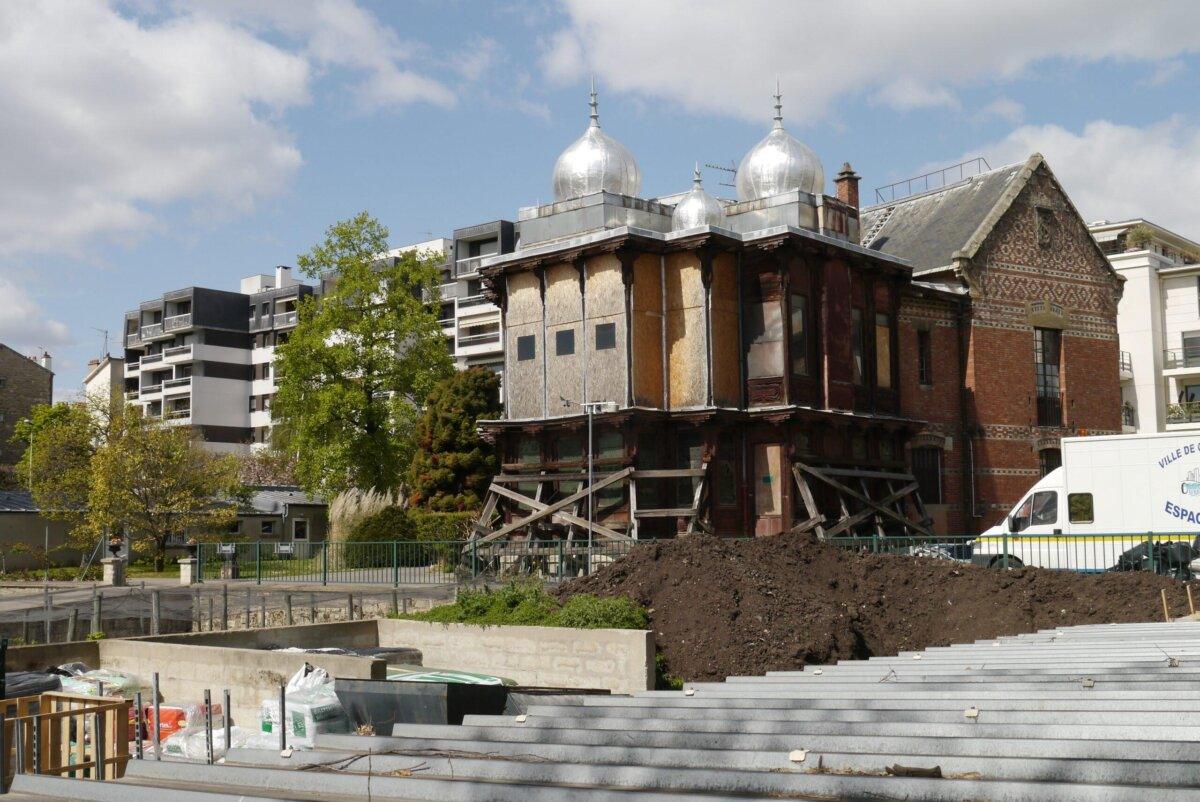
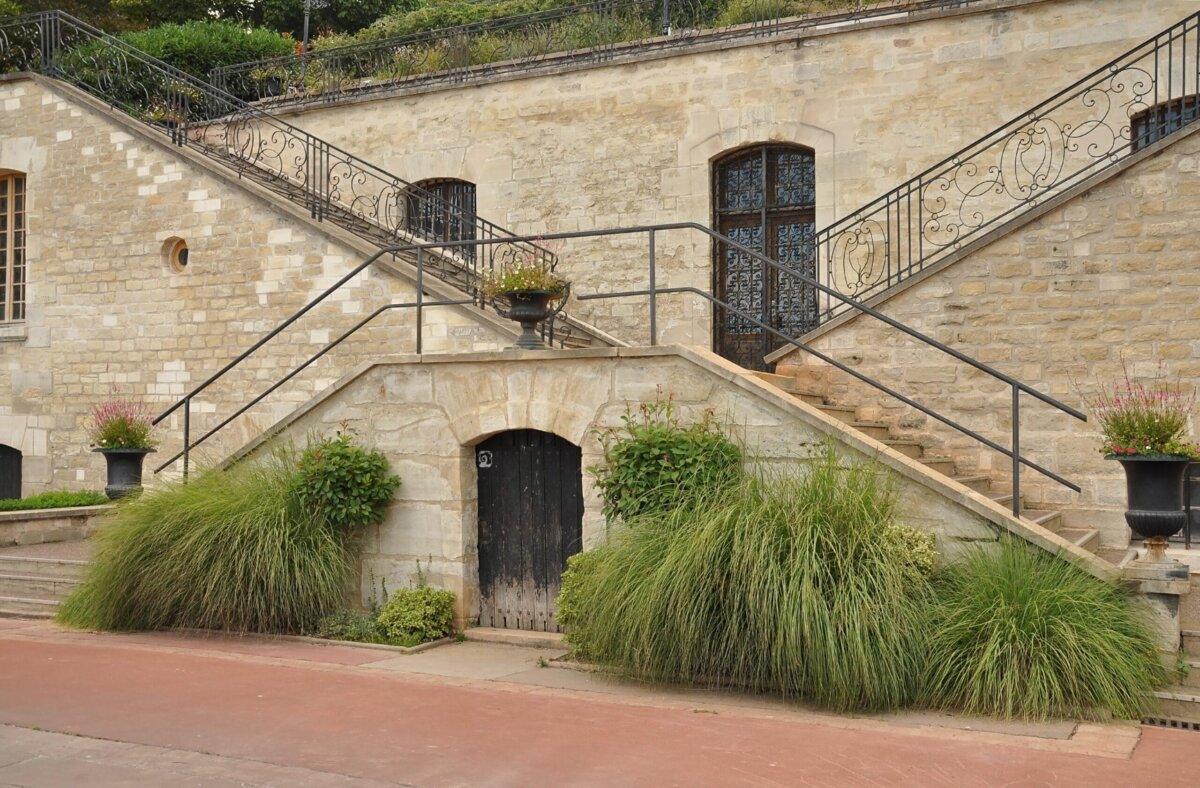
Originally a Seine town marking the route from Paris to Normandy, Courbevoie shifted in the 19th century into the orbit of the capital and modern industries. The riverside guinguettes and workshops attracted both strollers and skilled workers. Bécon Park preserves two spectacular witnesses of this period: the former Pavilion of Sweden and Norway, now the Roybet-Fould museum, and the Pavilion of the Indies, both reassembled here after the 1878 Universal Exposition. The first houses collections dedicated notably to Consuelo Fould and Ferdinand Roybet, the second serves as a workshop-villa and exhibition space, continuing an artistic vocation deeply rooted in the town.
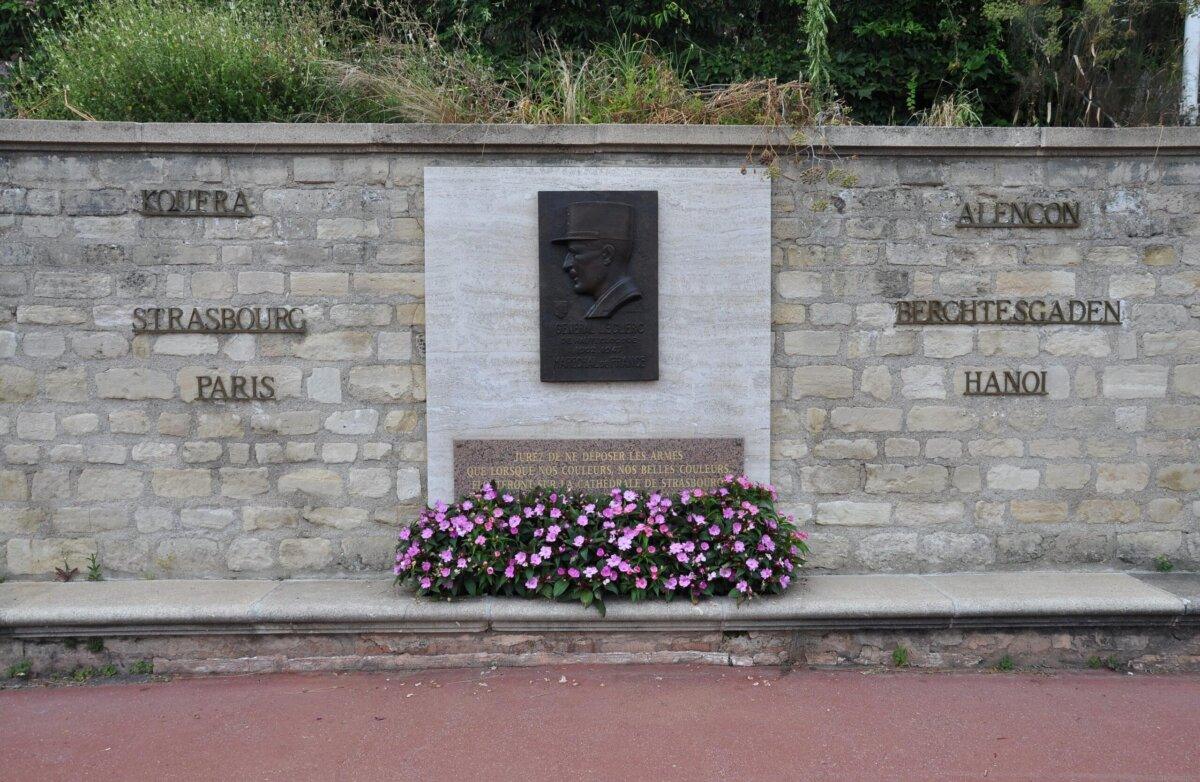
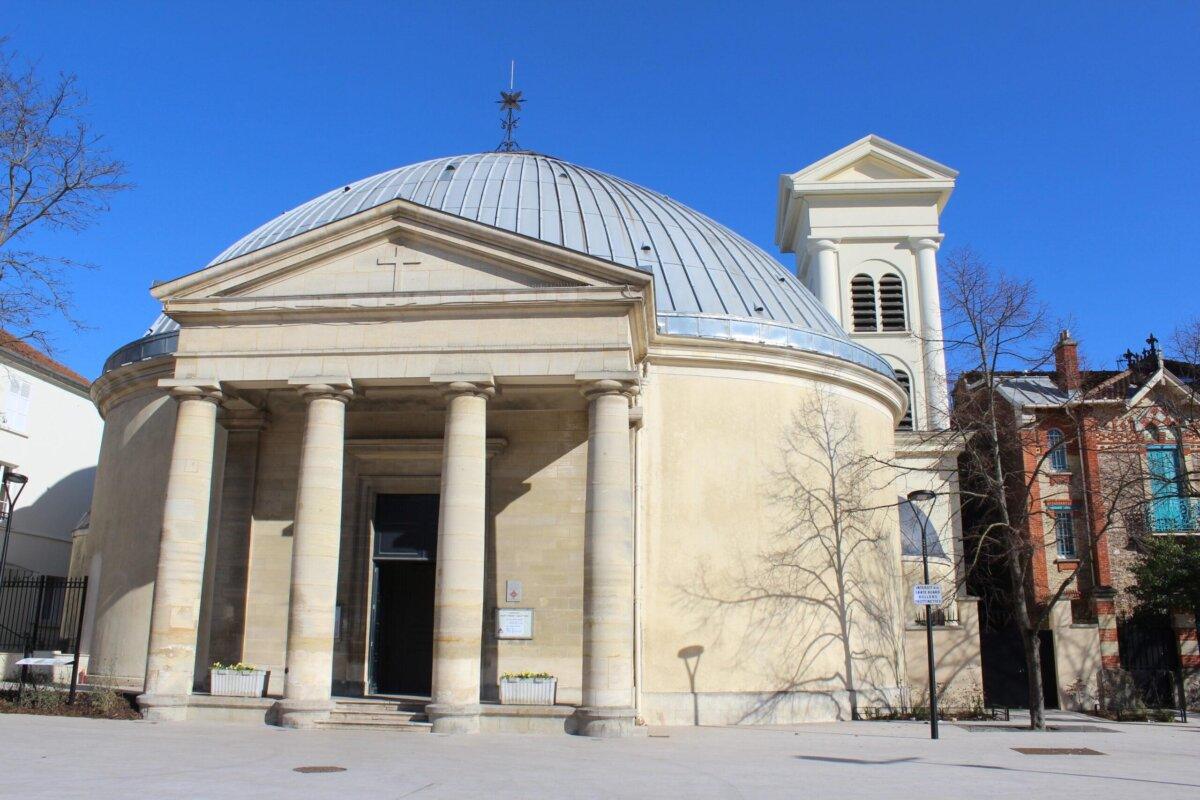
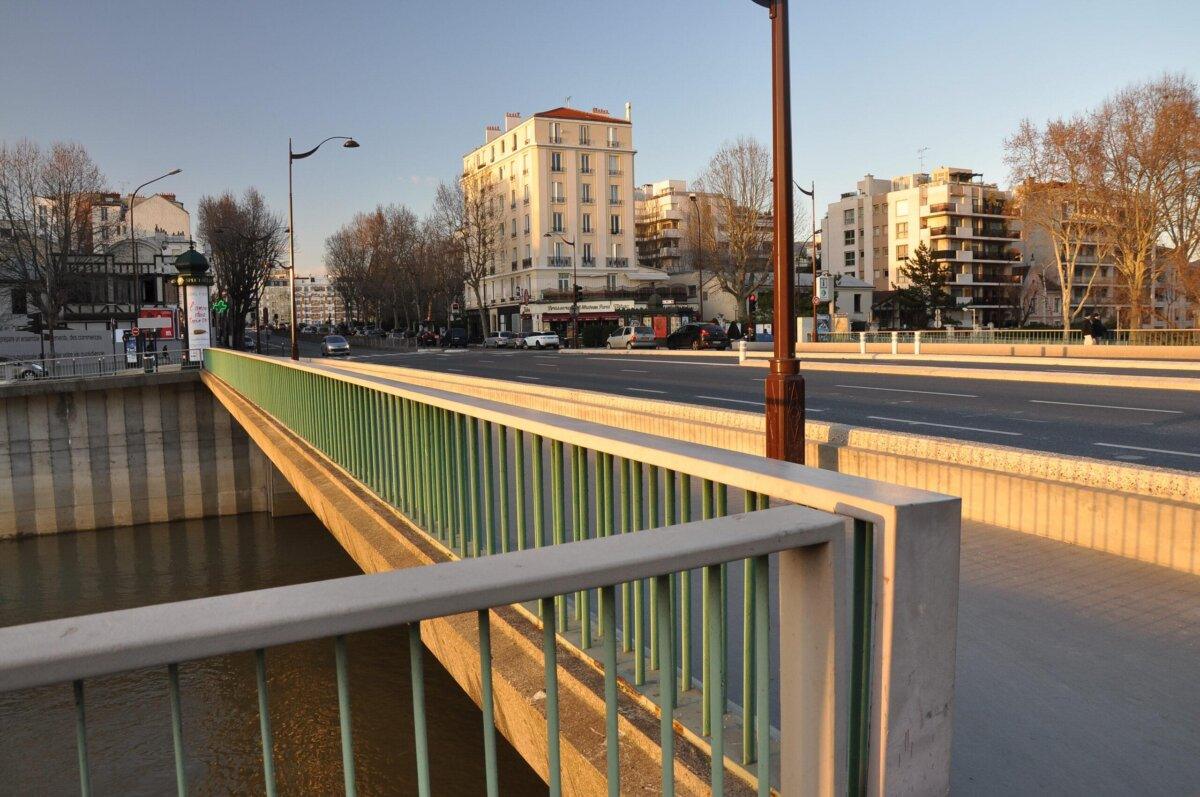
In the city center, the Saint-Pierre-Saint-Paul church, with its bright rotunda topped by a dome, shapes the urban silhouette. A few steps are enough to reach the Courbevoie bridge, a historic link with Neuilly-sur-Seine. The construction of the business district from the 1960s then permanently transformed the southern part of the town: office towers, monumental artworks, and large public spaces shaped a new scale of the landscape, while the rest of the city retains shopping streets, schools, squares, and buildings ranging from Haussmannian to contemporary designs.
Population & Demographics
A dense and very attractive municipality, Courbevoie exceeds 80,000 inhabitants, with a high proportion of working people and young households attracted by the proximity to La Défense, the quality of transport, and the range of services. The city presents a typical Île-de-France profile: households of executives, a mix of ages between family neighborhoods and more urban areas, and a residential turnover rate linked to professional mobility. The neighborhoods are finely distinguished: Bécon cultivates a “Seine village” atmosphere, the city center has a commercial and heritage spirit, and the Faubourg de l’Arche shows a more contemporary face, with recent blocks, new facilities, and very efficient transport connections.
Economy & Employment
Courbevoie contributes to the dynamism of the largest business district in Europe. On the skyline side, the Tour First (231 m) stands as an icon and embodies the tertiary specialization of the southern part of the municipality. It houses company headquarters, consulting firms, engineering companies, financial services, tech, real estate, hospitality, and catering. This base of major accounts supports a whole network of local activities: food shops, brasseries, crafts, personal services, coworking spaces, and liberal professions. The city also benefits from the university ecosystem of the Léonard-de-Vinci Pole (EMLV, ESILV, IIM), which supplies a pool of engineers, designers, and managers connected to businesses. Finally, more traditional areas — shopping streets in the center, Charras market, Marceau and Villebois-Mareuil avenues — balance the daily economy, with independents and retail chains.
Tourism & Culture: The Top 5 Places to See
- Bécon Park & Roybet-Fould Museum — A balcony over the Seine, monumental staircases remnants of a vanished castle, and a small municipal museum housed in the former Swedish-Norwegian pavilion of 1878. Perfect for a green and cultural break.
- Pavilion of the Indies — Exotic folly and revived artists’ workshop: a piece of the open-air Universal Exposition, with visits and residencies that bring the place to life all year round.
- Saint-Pierre-Saint-Paul Church — The bright rotunda in the city center, with a pediment and columns, a unique heritage signature in the department.
- Esplanade & Basins of La Défense (Courbevoie side) — Urban art, spectacular perspectives towards the Grande Arche, suspended walks connecting squares, gardens, and footbridges.
- The Courbevoie Bridge & the Banks — Views of Neuilly, city sounds, reflections on the river: the ideal spot to capture the geography of the area at sunset.
Local Specificities (Culinary, Craft, Cultural)
No “signature” culinary specialty here, but a Parisian way of life: well-stocked markets (Charras, Marceau, Villebois-Mareuil), refined cheesemongers, coffee roasters, wine merchants, award-winning bakeries and pastry shops, and neighborhood gastronomy that embraces both bistronomy and world cuisines. The Roybet-Fould Museum and the Pavilion of the Indies structure the heritage life, while cultural facilities — media libraries, conservatory, performance halls — offer exhibitions, lecture series, workshops for children, and concerts. In the streets, the architecture tells a century and a half of the city: villas and millstone houses, Haussmannian buildings, 1930s facades, 1960-70s blocks, and contemporary developments with active ground floors.
Transport & Access
Metro: line 1 (station Esplanade de La Défense) at the Courbevoie-Puteaux border. RER: La Défense (RER A). Transilien: Courbevoie station (line L towards Saint-Lazare) and Bécon-les-Bruyères (lines L and J). Tram: T2, stations Les Fauvelles, Faubourg-de-l’Arche and La Défense. The bus network intensively serves Paris, Neuilly, Levallois, Nanterre, Asnières, and Colombes. Soft mobility is progressing with cycling continuity towards Neuilly, Levallois, and Nanterre, as well as bike parking near the stations.
Visitor tip: for a first discovery, arrive by Transilien at Courbevoie station, cross the town center to Bécon park, go down to the banks, then go back up towards the La Défense esplanade: in one walk, you go from the “Seine side” to the “Defence side”.
Local life: education, sport, associations
Higher education: the Léonard-de-Vinci Pole (EMLV, ESILV, IIM) is located in Faubourg de l’Arche, on the immediate edge of La Défense, which promotes internships, work-study programs, and projects with companies. Public and private schooling covers the entire cycle, from nursery schools to high schools, complemented by a network of nurseries, early childhood centers, and youth services.
Sport & leisure: the municipality offers rare facilities at this distance from Paris: municipal Olympic swimming pool, Thierry-Monier ice rink, multipurpose gyms, stadiums, courts, and dojos. The associative fabric is abundant — aikido, badminton, cycling, football, ice hockey, dance, martial arts, swimming — allowing everyone to find their rhythm.
Events & recurring appointments
Courbevoie benefits from the major highlights of the La Défense territory, starting with the La Défense Jazz Festival (free concerts at the end of June on La Défense square). At the municipal level, weekly markets, neighborhood festivals, sports events, and heritage visits punctuate the year. Add to that a calendar of exhibitions in cultural facilities and summer activities — all opportunities to (re)discover the parks, squares, and banks.
Real estate & urban planning
The urban landscape has been profoundly renewed since the 1990s with the creation of the Faubourg de l’Arche (formerly ZAC Danton and des Fauvelles): a mixed neighborhood that stitches the junction between the La Défense slab and the inhabited city. It includes recent housing, offices, schools, hotels, ground-floor shops, squares, and local parks. Tram T2 meshes the area and facilitates short and medium distance travel. In older neighborhoods, demand focuses on Haussmann-style and 1930s buildings around commercial axes, while 1960-70 buildings and residences from the 2000s offer more rational spaces and contemporary amenities.
The immediate proximity of La Défense leads to high residential mobility and a significant rental market, but the family housing supply is increasing thanks to recent developments and the redevelopment of blocks. Public spaces have been given special attention: planting, calming of certain roads, pedestrian and cycling continuity. Current challenges focus on the environmental quality of buildings, urban biodiversity in squares, summer shade, and the role of active mobility.
FAQ — Courbevoie in practice
Where to take a walk on a Sunday without leaving the city?
The winning combo: Bécon park (views of the Seine, historic pavilions), descent to the riverbanks, then climb back up to the La Défense esplanade for urban art. Return through the city center for a coffee.
How to get here from central Paris?
Metro line 1 (Esplanade de La Défense), RER A (La Défense), Transilien line L (Courbevoie station from Saint-Lazare) or tram T2 (Faubourg-de-l’Arche / Les Fauvelles).
What to see in 2 hours?
Saint-Pierre-Saint-Paul Church → Bécon park (Roybet-Fould museum, India pavilion) → La Défense footbridge and basins.
Where to do your shopping?
At the Charras, Marceau and Villebois-Mareuil markets, depending on the day. The food shops on the pedestrian streets complement very well.
Is the city suitable for sporty families?
Yes: Olympic swimming pool, municipal ice rink, stadiums and a wide range of clubs (racquet sports, martial arts, hockey, dance, cycling, etc.).
What is the population?
More than 80,000 inhabitants, with a high density and a large proportion of active workers, driven by the proximity of La Défense.