
Prefecture of Doubs and former political and military center of Franche-Comté, Besançon stretches enclosed in a loop of the Doubs River. Between ancient remains, Vauban fortifications (UNESCO site), and lively neighborhoods (Battant, Chaprais), the city offers a rich array of visits and cultural experiences. This long guide gathers official data, historical landmarks, practical itineraries, and FAQs for a ready-to-publish reference page.
Sommaire
Quick Summary
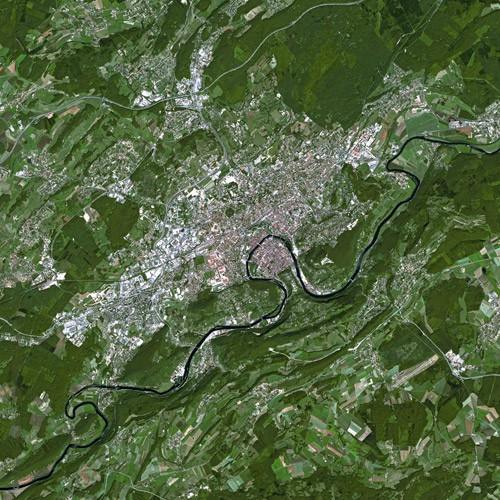
Besançon is a medium-sized city (municipal population 2022: 120,057 inhabitants) located in a loop of the Doubs River, at the junction between the plain and the Jura massifs. A historic prefecture, it retains notable heritage — citadel, Porte Noire, museums — and a university and industrial dynamism. The old city center, the banks of the Doubs, and the surrounding hills form an area with strong tourist and residential appeal.
Geography and Climate
The city develops enclosed in a river loop of the Doubs, creating a naturally defensible and picturesque site. Altitudes vary from the valley floor (near the Doubs) to the wooded hills surrounding the citadel. The climate is rather semi-continental: winters are cool to cold depending on altitude and snowfall episodes, summers are moderate, and seasonal variations are marked by thermal amplitudes more pronounced than in coastal areas.
This topography influences urban microclimates — exposure, late frosts at the bottom of slopes, and the presence of preserved green spaces around the city.
History — Key Dates and Development
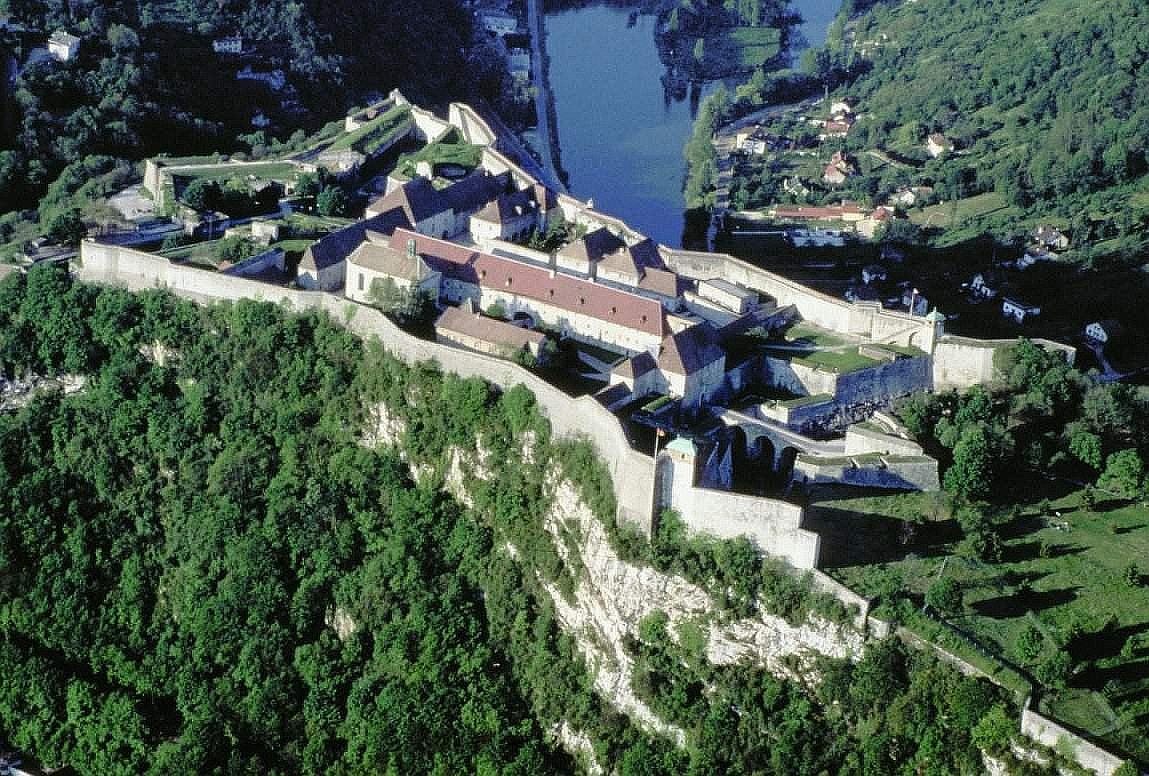
Besançon has ancient origins: the site was occupied since Gallo-Roman Antiquity under the name Vesontio. Its role increased in the Middle Ages, then it experienced successive periods of domination (Franche-Comté, Burgundian, Imperial) before being definitively integrated into France. In the 16th-18th centuries, its ramparts and defenses were modernized — the military peak is embodied by Vauban’s works (17th century), whose citadel remains the symbol.
| Landmark | Date |
|---|---|
| Ancient occupations (Vesontio) | Antiquity |
| Medieval period — fortifications | Middle Ages |
| Vauban’s works — citadel | late 17th century |
| Local industrialization | 19th century (watchmaking, mechanics) |
| UNESCO listing (Vauban ensemble) | inscription of Vauban fortifications network (2000s decade) |
The watchmaking tradition and mechanical industry marked the local economy in the 19th and 20th centuries; the city then diversified towards services and higher education.
Demography and Economy
Recent figures (INSEE): municipal population 2022 — 120,057 inhabitants; total population (including separately counted population) and intercommunal perimeters vary according to administrative boundaries. These official figures serve as a reference for calculating public policies and local funding.
The economy combines: traditional industries (mechanics, microtechnology), high-tech sectors (microtechnology, health), tertiary activities (education, public services), and a tourism hub centered on heritage and cultural events. The presence of higher education institutions strengthens student attractiveness and local innovation.
Architectural Heritage and Museums
Key sites:
- Citadel of Besançon (Vauban): fortified complex overlooking the city, listed as a World Heritage site for the Vauban network. Panorama, museums, and thematic tours.
- Porte Noire: monumental Roman arch, Gallo-Roman relic in the old town.
- Pont Battant and Battant district: historic streets, scenes of life, and cafés along the Doubs River.
- Fine Arts and Archaeology Museum, Time Museum (clockmaking) and other institutions documenting the technical and artistic history of the city.
Visiting Besançon — recommended itinerary (2–3 days)
Synthetic itinerary:
- Day 1: Historic center — Porte Noire, main street, principal museums; lunch in the Place du Huit-Septembre district.
- Day 2: Citadel (guided tours, museums, panorama); walk up or take shuttle, allow 2–3 hours for the full visit.
- Day 3: Battant and Chaprais districts, walks along the Doubs, visit to the manufacture or local artisan workshops.
Practical advice: wear comfortable shoes (slopes and stairs), check opening hours off-season, and possibly buy skip-the-line tickets for the citadel during busy periods.
Transport and accessibility
Besançon is served by a TGV station (national connections via Besançon Franche-Comté TGV and the Viotte station for TER), an urban bus and tram network, as well as road links to Dijon, Mâcon, and neighboring Switzerland. The nearest international airport offering regular flights is Dole-Jura (or Lyon for more varied connections).
Culture, events and local life
Besançon hosts festivals (music, cinema, heritage), temporary exhibitions, and university events. The local calendar includes annual events related to arts and history, and the city benefits from an active associative scene.
Contemporary challenges
Local challenges include mobility management (strengthening public transport networks), energy transition, downtown revitalization, and heritage preservation while meeting accessibility needs. Local policies aim to combine tourist appeal, quality of life, and sustainability.
FAQ — frequently asked questions (expanded selection)
1) What is the best time to visit Besançon?
Spring and summer offer pleasant conditions; autumn provides beautiful light over the Doubs valley. Winter is quieter and can be cold, but the city retains a winter charm.
2) How long does it take to visit the citadel?
Plan 2 to 4 hours depending on the chosen exhibition and whether you attend guided tours or activities. The site includes several museums and routes, which can easily fill half a day.
3) Is Besançon family-friendly?
Yes: fun trails at the citadel, suitable museums, walks along the Doubs, and outdoor activities are suitable for families. Check offers and discounts on family tickets.
4) What local transport is recommended?
The tramway and urban bus network are efficient for getting around the city; the historic center is also well suited for walking. For short trips, cycling is convenient.
5) Where to find local products and specialties?
Markets and artisanal shops offer Jura cheeses, local products, and regional specialties. Look for weekly markets and local shops in the center and the Battant district.
6) Are there thematic guided tours?
Yes — historical tours, walks themed on Vauban, heritage circuits, and children’s routes are offered by the tourist office and independent guides.
Sources & references
- INSEE — Reference populations 2022, commune of Besançon (official files and tables).
- Wikipedia — general article on Besançon (history and geography).
- Wikimedia Commons — image pages and metadata for inserted photographs (citadel, city center, satellite, Porte Noire).
- Besançon Tourism / Grand Besançon Tourist Office — practical information and guided tours.
- Local publications and resources — museums, Vauban heritage (UNESCO inscriptions for the Vauban network).