In brief
- The visa is chosen before departure, depending on your status: employee, entrepreneur, or family member.
- Housing is the biggest expense: deposit, first month, and sometimes agency fees come very quickly.
- In Singapore, living without a car is possible if you target a neighborhood well connected to the MRT.
- For a family, the priority often becomes securing a school place and international health insurance.
- Taxation is simple in principle, but the status of tax residency requires precise verification.
What does settling in Singapore really involve?
The country is compact, ultra-organized, and very efficient, but it imposes a real administrative framework. To settle in Singapore without stress, you need to think in order: entry authorization, housing, health, school if needed, then taxation and daily integration. This sequencing avoids costly mistakes.
The real point of caution is the market density: a good visa application is not enough if you arrive without a housing solution or a plan for the first two months. Conversely, a well-prepared start allows you to live in Singapore very comfortably, even in an environment demanding strict deadlines.
“The trap is not the arrival, it’s the underestimation of the first three weeks: housing, insurance, bank deposit, school. Everything happens very fast.” — anonymized testimony from an expatriate employee at One-North
How to choose your visa to settle in Singapore?
The right visa mainly depends on your status: employee, entrepreneur, or family member. In Singapore, residency is not treated as a simple entry stamp; the pass conditions the right to work, to bring your relatives, and sometimes even the timing of the move.
| Profile | General Conditions | Typical Duration | Dependents | Renewal |
|---|---|---|---|---|
| Employment Pass | Qualified employee, application evaluated based on the position, salary, and profile. | Often 1 to 2 years initially | Yes, subject to salary thresholds | Renewable, often up to 3 years |
| S Pass | Intermediate profile, quotas and employer requirements. | Generally 1 to 2 years | Possible under specific criteria | Renewable if criteria remain met |
| EntrePass | Entrepreneur with real activity and project deemed innovative or solid. | Often 1 year at the start | Yes, depending on the application and thresholds | Renewable if the activity meets its commitments |
| Dependant’s Pass | Spouse and children of an eligible main pass holder. | Tied to principal pass | The principal pass holder is the direct link | Renewed with the main pass |
| Long-Term Visit Pass | Certain relatives depending on family situation and holder’s status. | Variable depending on the case | Not relevant here | Renewable under conditions |
The precise criteria can be found on the MOM and ICA websites. In practice, the best approach is to check the nature of the pass, salary thresholds, processing times, and any conditions for dependents before signing a contract or booking your flights.
“I saved time the day I understood that in Singapore, the visa is planned with the employment contract, not after.” — anonymized feedback, executive on international mobility
What budget should you plan before leaving?
The cost of living in Singapore mainly depends on rent, schooling, and lifestyle. For a successful move, you need to plan not only the monthly budget but also the initial cash: deposit, first rent, insurance, moving costs, and sometimes school deposits.
| Profile | Indicative Monthly Budget | What drives the cost up |
|---|---|---|
| Single in a room or coliving | 3,500 to 5,500 SGD | Rent, commuting, meals, insurance |
| Single in a studio or small condo | 4,800 to 7,500 SGD | Size, central neighborhood, furnishing |
| Couple without children | 6,500 to 10,000 SGD | Condo, outings, transport, insurance |
| Family with international school | 10,000 to 20,000 SGD and more | Rent, school fees, activities, possible domestic help |
For the initial budget, keep these items in mind:
- Rental deposit: often 1 to 2 months’ rent for a standard lease, depending on duration and application.
- First month: rent is due quickly after signing, especially if you arrive during high demand.
- Agency fees: they exist for some rental applications and can be heavy at the start.
- Health insurance: get it early, before relying on routine reimbursements.
- Schooling: admission fees, deposits, uniforms, school transport, and sometimes parallel enrollments in several institutions.
How to choose where to live in Singapore?
The right neighborhood depends on your profile: mobile employee, family with school, tight budget, or need for higher-end housing. In Singapore, the choice of area weighs as much as the size: good MRT access can save you time and reduce the need for a car.
| Type of Housing | Strengths | Points of Caution | For Whom? |
|---|---|---|---|
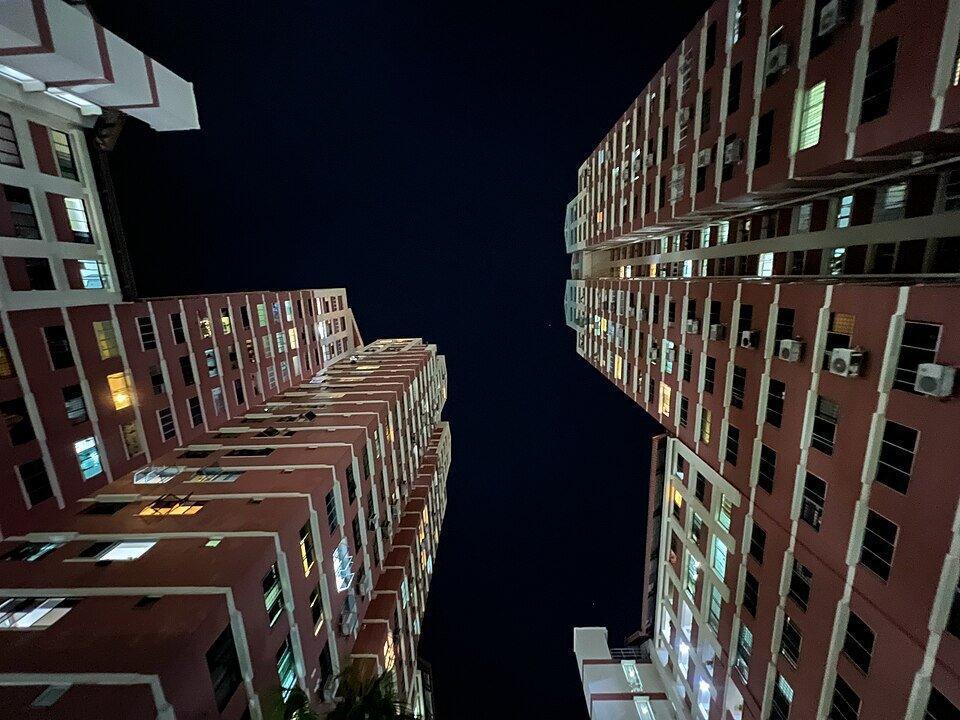
| HDB | More affordable, lively neighborhood, good daily connections | Fewer services, regulations and choices vary by block | Controlled budget, local life, long stay |
| Condo | Pool, security, gym, higher standard | Significantly higher rent, implicit maintenance fees | Expat employees and families |
| Serviced apartment | Furnished, flexible, convenient on arrival | High cost, less interesting over the long term | Arrival in transition, short assignment |
| Housing for expats / premium residence | High-end amenities, proximity to schools and central neighborhoods | Premium price and more limited availability | Executives, families, comfortable budget |
Among the popular Singapore expat neighborhoods, you often find River Valley, Orchard, Tanjong Pagar, Holland Village, Bukit Timah, East Coast, and sometimes Serangoon depending on schools. The right trade-off is between proximity to work, commute time, budget, and access to schools.
“We gave up the idea of a large central apartment to aim for a better-served area. In the end, we gained in quality of life and lost less time in transport.” — anonymized testimony, expat family
Succeeding in your arrival and first steps
The first month must be treated as a logistical phase. The goal is not just to “arrive,” but to make your daily life functional as quickly as possible: address, bank, SIM card, insurance, lease, school, and commutes must be stabilized before mental load increases.
- Validate your entry: check the approval letter, dates, and exact pass conditions.
- Complete necessary checks: biometrics, identity documents, and, if requested, medical examination.
- Collect your resident card or pass according to the procedures indicated by the administration.
- Sign a lease with an inventory, condition report, and well-understood exit clauses.
- Open a bank account and prepare proof of address and employment.
- Activate a mobile line to simplify appointments and security verifications.
- Set up health insurance before needing urgent consultation.
- Arrange utilities: electricity, internet, water, and, if needed, cleaning service.
- Book family procedures: school, school transport, vaccinations, medical records.
- Map your routes home-work, school-supermarket, nearest hospital.
This phase is also a good time to keep a record of everything: contracts, receipts, file references, due dates, and digital copies. In Singapore, processes are fast, but they work better when you have already prepared the supporting documents in the correct format.
How to secure your health and insurance in Singapore?
The healthcare system is excellent, but costly for an underinsured expatriate. The idea is not just to have an insurance policy: you must check the limits, hospitalization, outpatient care, maternity, evacuation, and coverage for specialized care. The Ministry of Health website helps understand the local framework.
- International or local private insurance: compare deductibles, clinic networks, and exclusions.
- Employer: some companies cover hospitalization very well but less so outpatient or dental care.
- Family: add pediatrics, maternity, and frequent everyday care.
- Emergencies: keep hospitals and emergency clinics close to your home.
- Vaccinations and medical follow-up: review before departure to avoid delays once on site.
Can you work or telework freely in Singapore?
No, not freely. Physically working in Singapore requires an appropriate right: Employment Pass, S Pass, or EntrePass depending on the case. Teleworking from Singapore remains a sensitive issue if you are present on site without proper authorization. For salaried or entrepreneurial activity, the MOM remains the reference.
For entrepreneurs, the classic mistake is to underestimate the consistency between the project, the legal structure, and the requested pass. For freelancers, the question is not only “can I invoice?”, but “do I have the right residence permit to do so?”. The answer depends on the status, the duration, and the client or employer.
How to organize the schooling of an expatriate family?
For a family, schooling is often the most sensitive issue after the visa. Places can fill up quickly, fees are high, and international schools have very different admission calendars. It is therefore necessary to plan early, especially if you are aiming for a specific school level or a particular program.
The local system depends on the MOE and international schools operate with registration, tuition, and sometimes development fees that add up quickly. Depending on the institution, expect often several tens of thousands of Singapore dollars per year per child, excluding transportation, uniforms, or activities.
- Application for a place: start the applications several months before arrival.
- Geographical criterion: locating housing close to the school reduces family fatigue.
- Budget: compare annual tuition, entrance fees, deposits, and additional costs.
- Program: IB, British, French, or other, depending on the desired continuity.
- School transport: check very early if you do not have a car.
Daily life and integration: what to expect?
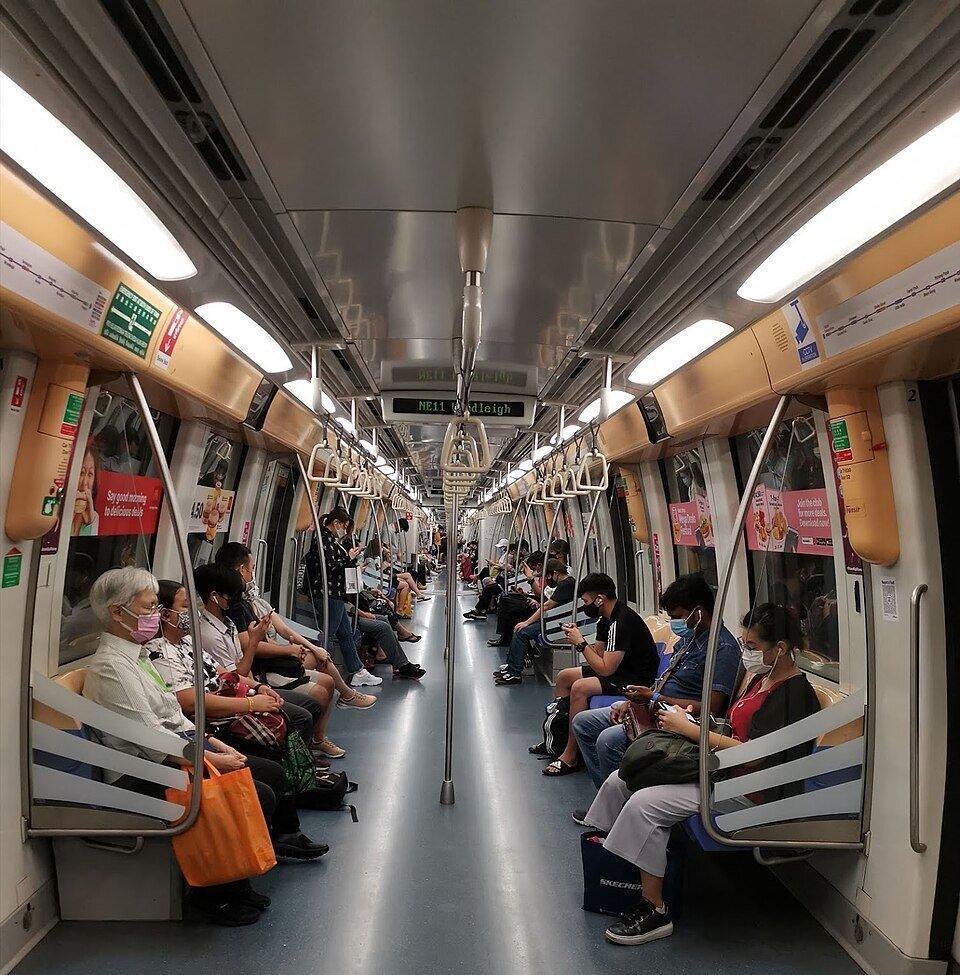
Daily life in Singapore is easy to live if you adopt the right habits: use the MRT, avoid spreading out geographically, compare rents per square meter, and arrange household services from the first weeks. English works everywhere in everyday life, which greatly facilitates adaptation.
- Mobility: the MRT and buses cover the city very well; a car is not essential.
- Shopping and services: supermarkets, clinics, and daily services are very accessible.
- Climate: humid heat all year round, so well-ventilated housing and suitable clothing.
- Rules: the environment is very clean and strict, which quickly changes habits.
- Social life: expatriate communities exist, but integration also involves local habits.
What should you know about taxation and tax residency?
Singaporean taxation is often clearer than in many countries, but tax residency must be analyzed carefully. The criterion of days of presence, the nature of income, and your family situation play a role. For a reliable point, the IRAS is the reference to consult.
The general principle is territorial: income sourced from Singapore is taxable according to local rules, but your tax resident status also depends on your presence and your real anchoring in the country. Do not confuse immigration visa and tax residency; these are two different matters, even if they often progress in parallel.
- Tax residency: it is not decided by feeling, it is verified by the length of presence.
- Declarations: do not neglect obligations related to local income.
- Foreign income: the situation can vary depending on the nature of the income and how it is received.
- Special cases: executives, freelancers, mixed couples, and families may have different configurations.
Common mistakes to avoid when settling in Singapore
The most frequent mistakes rarely come from an isolated detail. They appear when the project is thought of in pieces: visa approved, but poorly chosen housing; insurance taken hastily; school reserved too late; budget too tight. In Singapore, improvisation is costly.
- Signing a lease without checking charges, minimum duration, and exit conditions.
- Underestimating the first month and confusing theoretical rent with real installation cost.
- Arriving without health insurance adapted to the family profile.
- Waiting until the last minute for school or dependent documents.
- Choosing a neighborhood too far from work or schools just to “save” a few hundred dollars.
- Thinking that taxation is the same as in the country of origin.
“The right choice in Singapore is not just the most beautiful housing, it is the one that makes your daily life sustainable at six months.” — anonymized feedback, expatriate couple
FAQ on settling in Singapore
What minimum budget should be planned to settle in Singapore?
For a single person, it often requires targeting several thousand Singapore dollars per month, with an additional starting cost for the deposit, first rent, and insurance. For a family, the budget rises significantly if you add international school, larger housing, and installation costs.

Do you need to have your visa before arriving?
Yes, in most cases. The correct pass must be processed before the move or at the latest within the sequence planned by the employer or administration. Arriving without a clear framework complicates everything: housing, bank account opening, insurance, and schooling if you have children.
Which neighborhood to choose for an expatriate family?
Families often look at Bukit Timah, East Coast, Holland Village, or Serangoon depending on schools, budget, and commutes. The main criterion remains proximity to real daily life: school, work, shopping, and MRT access. A practical neighborhood is often better than a simply prestigious area.
Can you telework from Singapore with a simple visitor status?
You need to be cautious. Teleworking or any activity carried out from Singapore may require an appropriate pass depending on the duration, type of mission, and context. The safest is to check the exact framework before arriving, especially if you plan to stay several months.
Conclusion: your roadmap for a successful settlement
Successfully settling in Singapore means proceeding in the right order: pass approved, budget secured, coherent housing, solid insurance, then well-framed school and taxation. If you treat this project as a series of logical decisions rather than a simple move, expatriation becomes much smoother and much less risky.