Between Estérel and Maures, in the heart of Var, Fréjus combines the soul of a major Roman colony, a fine sandy coastline, and a local life paced by major sporting and cultural events. This file, designed as a true guide to urban planning, heritage, and tourism, gives you a clear and actionable vision of the city: geography, history, demographics, economy, mobility, culture, real estate, with recent figures and concrete advice.
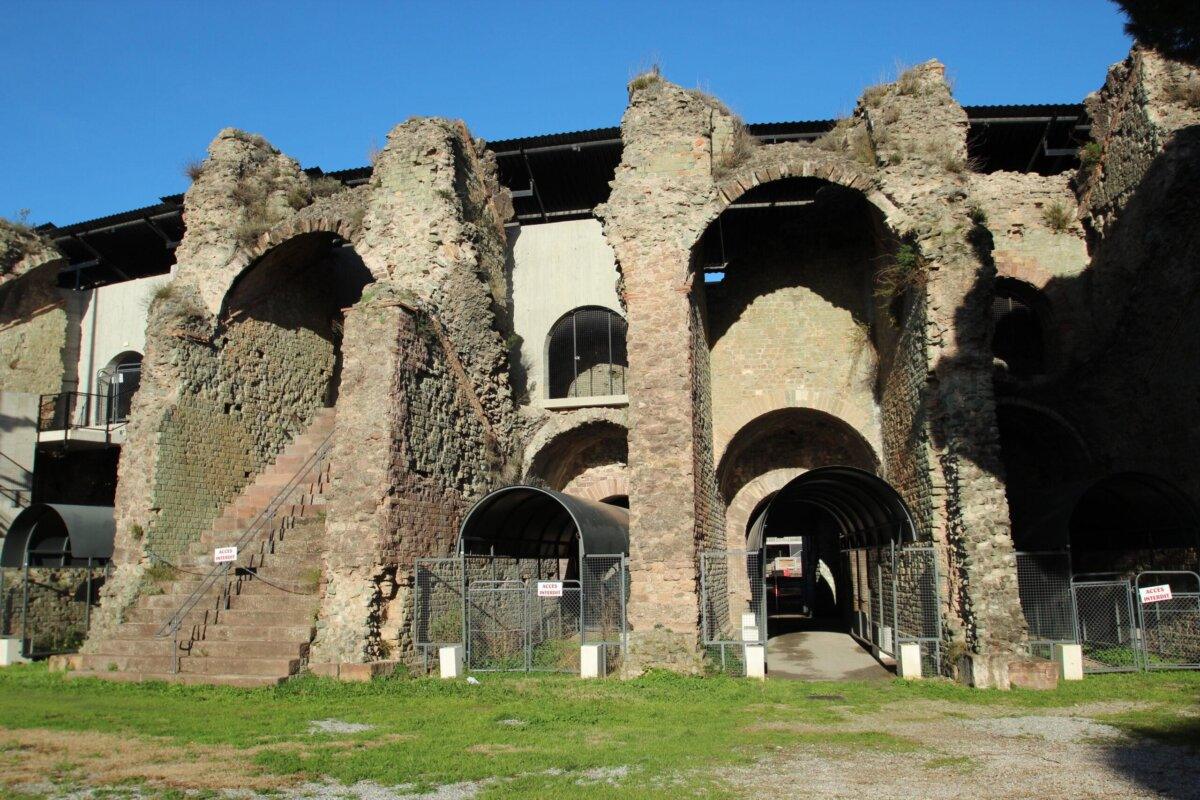
TL;DR : Fréjus, former Forum Iulii, combines exceptional Roman heritage and family beaches. 58,499 inhabitants (2022), strong residential and tourist attractiveness. Mobility: TER, local network “Le Bus”, A8. Real estate around ~4,980 €/m² for apartments (2025). To see: amphitheater, aqueduct, cathedral, Étangs de Villepey, Port Fréjus.
Sommaire
Geography and location: between coastal plain and mountain ranges
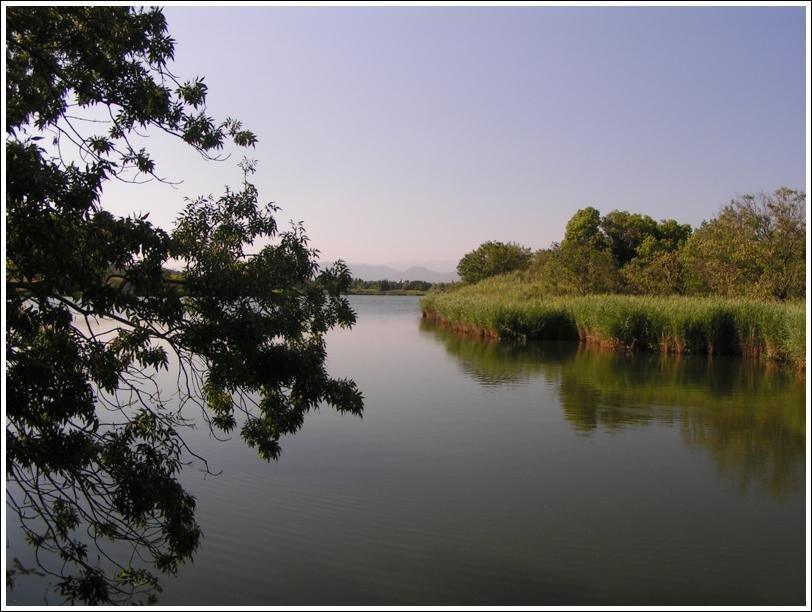
Fréjus is located at the eastern end of Var, bordered by the Mediterranean and structured by two major natural areas: the volcanic massif of Estérel to the northeast and the crystalline massif of Maures to the west. The municipality lies within the alluvial plain common to the Argens and Reyran rivers, whose fluvial dynamics have shaped over the centuries a rather flat coastline, edged by about 6 km of continuous beaches between Saint-Aygulf and Saint-Raphaël. This configuration explains the contrast between the highly urbanized neighborhoods of the center, the seaside fringe of Saint-Aygulf, and vast protected natural areas, including the Étangs de Villepey, a true local “little Camargue.”
By its area, Fréjus is one of the large municipalities in eastern Var: 102.3 km² recorded by INSEE as of January 1, 2025. The density reaches 572 inhabitants/km² (2022), reflecting urbanization concentrated around the historic core and the coastline. The gentle topography of the plain quickly gives way to the reliefs of Estérel where urbanization is more scattered. In terms of landscape, the alternating sea–plain–mountains offers strong environmental and tourist amenities, with a structuring blue and green network (Argens, wetlands, pine forests, maquis). INSEE — Fréjus Comparator, CNES — GeoImage, Fréjus Profile.
History and heritage: from Forum Iulii to the seaside resort
Fréjus is one of the oldest Roman towns in Provence. Founded as Forum Iulii under the impetus of Julius Caesar around 49 BC, the colony was reinforced by Augustus who settled veterans there and made it a strategic port and military site on the Via Aurelia. Recent archaeological research has confirmed the extent of the ancient port, whose basin of about 11 hectares was among the largest in the western Mediterranean. Progressive silting and coastal changes have now shifted the shoreline to the south, explaining why the Roman core lies inland from the sea. City of Fréjus — Archaeology Focus, Bony et al., C. R. Geoscience, Archéopages 2025.
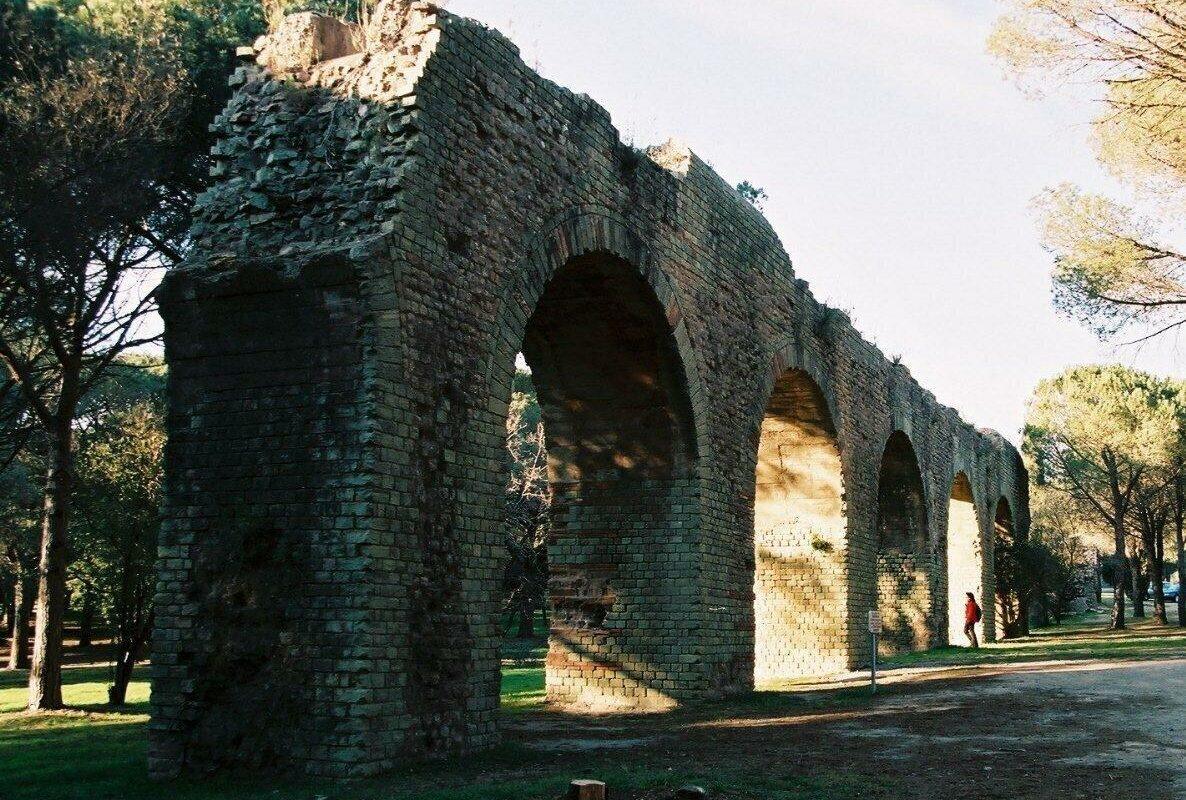
The Roman hydraulic network illustrates ancient technological mastery: the two-headed aqueduct from Mons–Montauroux to Fréjus, about ~41.6 km long, first captures the Foux then the Siagnole and crosses the plain via a series of aqueduct bridges. Several sections are visible in the Aurélien park and in the pine forest of the Villa Aurélienne. Mons Aqueduct to Fréjus, City of Fréjus — Aqueduct.

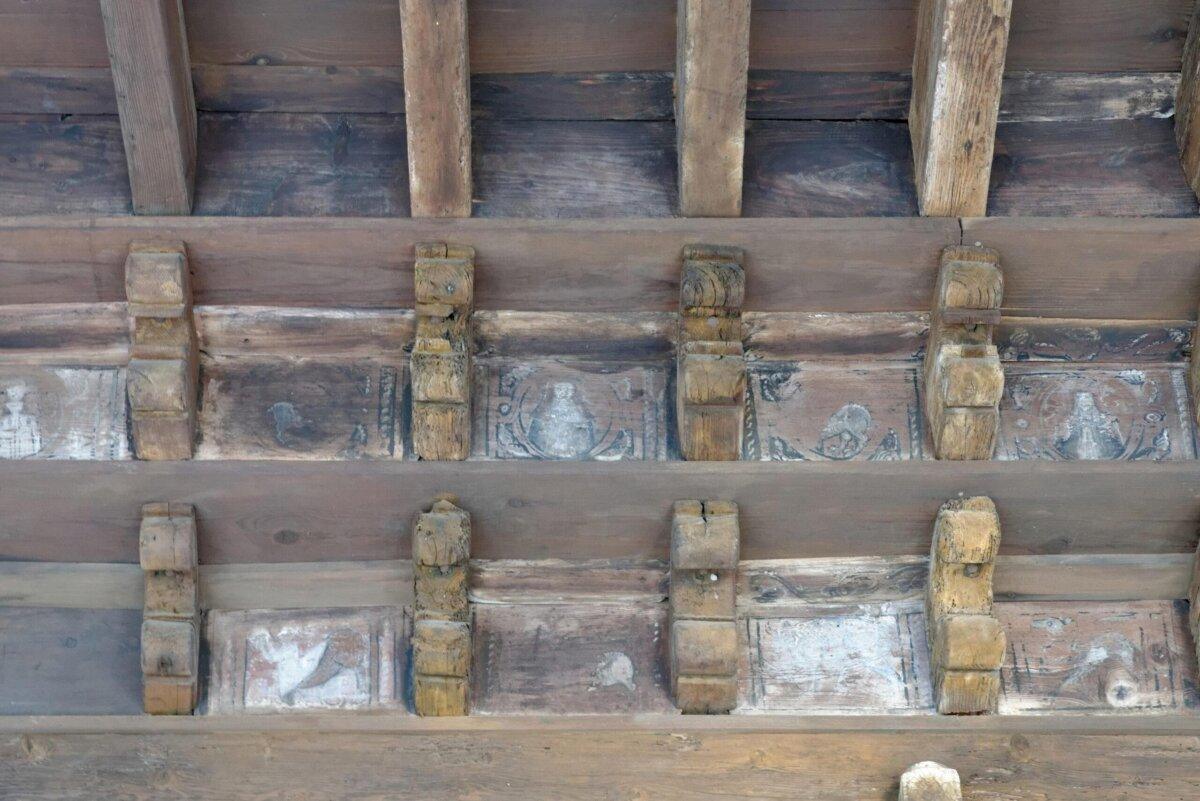
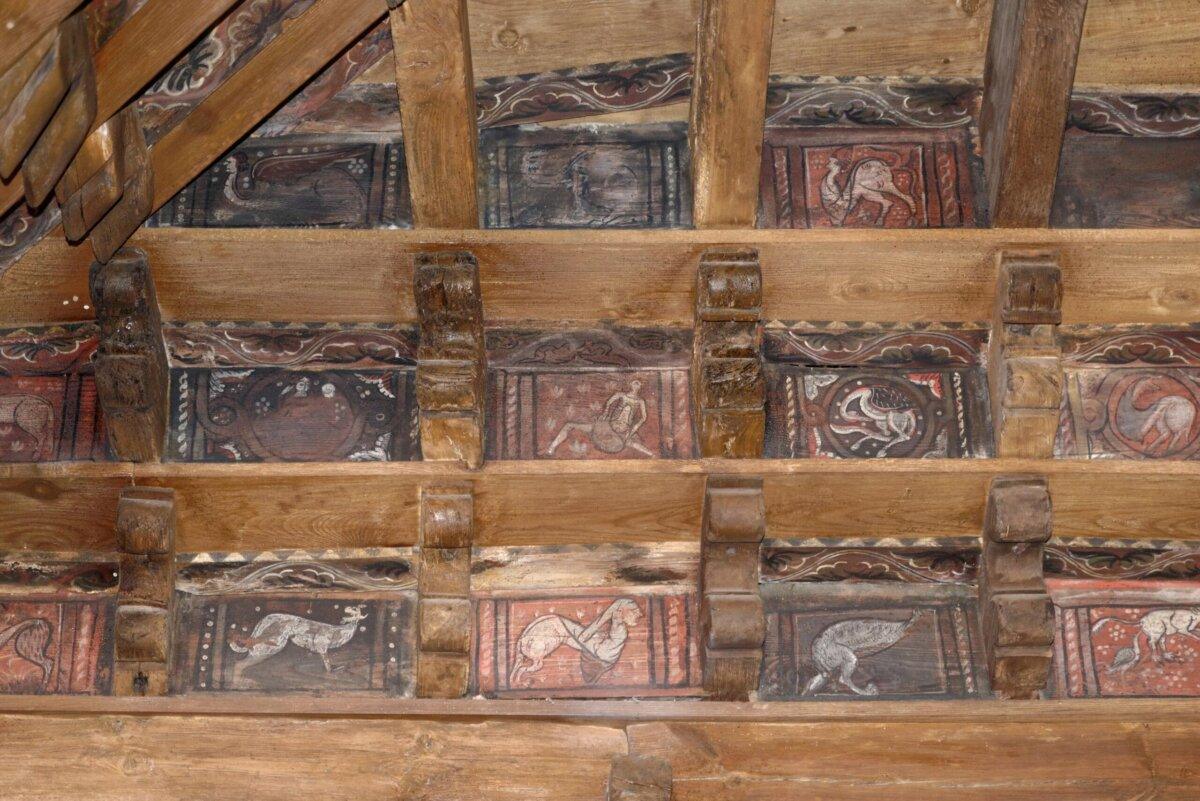
The old town concentrates other major features: the Roman amphitheater, partially restored, the Roman theater, the ramparts and especially the Saint-Léonce cathedral complex, whose medieval cloister with painted ceiling is a rare landmark in Provence. Over the centuries, the city has redefined its relationship with the sea: the modern port is now at Port Fréjus, the François-Léotard Nature Base has converted the former naval air base, and Saint-Aygulf extends the seaside identity. Fréjus — History and heritage.
Population and Demographics: Profiles, Households, Housing
As of January 1, 2022, Fréjus has 58,499 inhabitants over 102.3 km². The city experiences sustained demographic growth from 2016–2022 (+1.6% per year on average), mainly due to positive net migration, reflecting residential attractiveness and the weight of secondary homes. According to INSEE, Fréjus has a high share of secondary residences and occasional housing (35.4% of dwellings in 2022), a homeownership rate of 54.8%, and a relatively low vacancy rate (3.0%). The median income per consumption unit reaches €21,960 (2021). INSEE — Comparator, INSEE — Income 2021.
| Indicator | Value | Source |
|---|---|---|
| Legal population 2022 | 58,499 | INSEE |
| Area | 102.3 km² | INSEE |
| Density | 572 inhabitants/km² | INSEE |
| Secondary residences (2022) | 35.4% | INSEE |
| Taxed households (2021) | 51% | INSEE |
| Median income (2021) | €21,960 | INSEE |
🧭 Demographic profile — Fréjus combines a medium-sized permanent population, strong seasonality linked to secondary residences, and an attractiveness for retirees and active workers from the French Riviera. This implies differentiated needs in public services between high season and off-season.
Economy and employment: commerce, tourism, services
The local economy is based on a dominant triptych commerce–tourism–services, complemented by construction and a craft sector oriented towards housing and personal services. The offer of shops and services is concentrated in the old town center, business areas (notably on the Reyran side and Antibes road), and the coastal strip oriented towards tourism. Tourism plays a driving role with varied accommodations (residences, campsites, hotels), a dense event calendar, and outdoor facilities such as the Base Nature. INSEE figures on income and housing stock structure confirm the residential and tourist orientation of the municipality. INSEE — Fréjus.
At the intercommunal level, the Estérel Côte d’Azur agglomeration structures the economic, tourist, and mobility offer with Saint-Raphaël, Puget-sur-Argens, Roquebrune-sur-Argens, and Les Adrets de l’Estérel. Major events, starting with the Roc d’Azur — the world’s leading mountain biking event — generate significant economic benefits in the autumn. Roc d’Azur — official, Estérel Côte d’Azur Agglomeration.
Tourism and culture: 10 must-sees
Fréjus offers a rare range of experiences, from the ancient city to coastal natural spaces. Here are the highlights, with practical references:
- Roman amphitheater — Reading the elevations, heritage trail around the arena and ramparts. Ideal early in the morning for the light. ⛏️
- Roman theater — Simple scenography and interesting acoustics, often used in summer.
- Saint-Leonce Cathedral and cloister — Painted ceiling, baptistery, archaeological museum nearby. 🎨
- Fréjus aqueduct — Visible sections at Aurélien park and near the Villa Aurélienne; educational for understanding the Roman city.
- Villepey ponds — RAMSAR/Natura 2000 coastal reserve, more than 200 bird species observed depending on the season; accessible observatories. 🐦
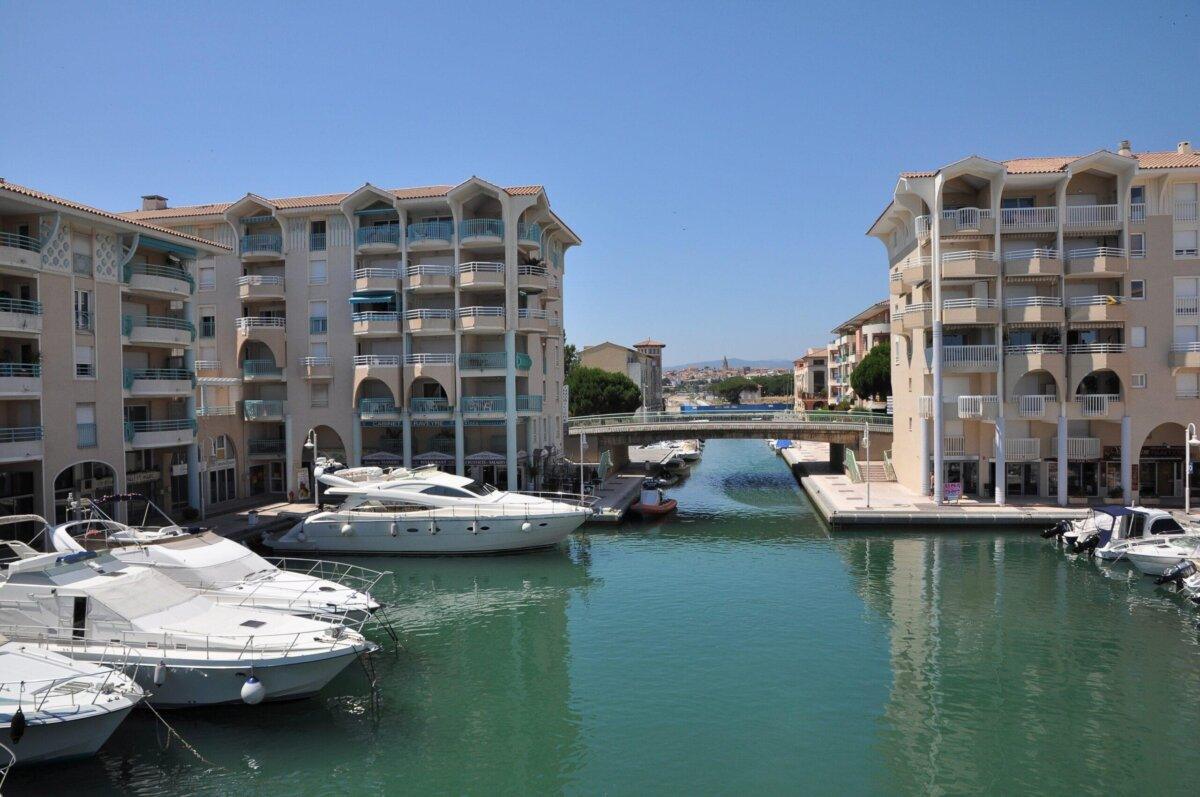
- Fréjus port — Marina, pedestrian walkways, restaurants; starting point for coastal walks.
- Base Nature François-Léotard — 120 ha of recreational area, skate park, tracks, major events (Roc d’Azur, Air festival). 🚴
- Beaches — Fine sand and gentle slopes: Sablettes, République, Capitole, Port-Fréjus, Esclamandes (Saint-Aygulf).
- Museums and routes — Archaeological museum, heritage circuits, galleries.
- Estérel Massif — Red rocks, tracks and trails towards Agay and Le Trayas (access via Saint-Raphaël). ⛰️
Practical advice: favor the off-season for ancient sites and walks in wetland areas. For Villepey, bring binoculars, respect quiet zones and consult marked trails. Tourist Office — Étangs de Villepey, Estérel Côte d’Azur.
Local Specificities and Lifestyle
The culture of Fréjus is found at the crossroads of Provençal heritage and the Azurian spirit. The old commercial fabric, markets, terrace cafés, and outdoor events compose a lively southern sociability. Gastronomy favors seafood, vegetables from the Argens region, olive oil, and rosé wines from the hinterland. Urban parks (Aurélien, Aréca) and Base Nature offer appreciable breathing space all year round. On the agenda, note the Nuits Auréliennes at the theater, summer fireworks, the Air festival, and especially the Roc d’Azur in autumn. City Agenda, Tourist Office — Agenda, Roc d’Azur.
Transport and Access: TER, Bus and A8
By train: the Fréjus station is on the Marseille–Ventimiglia line, served by TER Provence-Alpes-Côte d’Azur towards Nice, Menton, Les Arcs–Draguignan, Toulon and Marseille. Upcoming departures and traffic status can be checked in real time on the TER Sud website. TER Sud — Fréjus Station, Fréjus Station.
Urban and inter-municipal buses: the “Le Bus” network operated by the Estérel Côte d’Azur agglomeration connects Fréjus, Saint-Raphaël, Puget-sur-Argens, Roquebrune-sur-Argens and Les Adrets, with 25 urban lines and city center shuttles. Useful tool: online route and schedule search. Le Bus Network, Agglo — Mobility.
By road: the town is accessible via the A8 motorway (Fréjus/Saint-Raphaël exits), the former RN7 and the coastal D559. Two regional airports serve the destination: Nice Côte d’Azur and Toulon-Hyères, reachable by TER + bus connection or by road.
Local life: education, sports, associations, events
The school system covers levels from kindergarten to high school, complemented by major sports and leisure facilities at Base Nature (stadiums, tracks, skate park) and dynamic associations in water sports, cycling, and culture. On the events side, the city and the urban area schedule sports events, theater seasons, and festivals throughout the year. To prepare a stay or a move, the municipal agenda and the tourist agenda centralize the essentials.
Real estate and urban planning: markets, prices, advice
The Fréjus market reflects the general tension of the Mediterranean arc, with disparities depending on areas (old town center, Port Fréjus, Saint-Aygulf, Reyran, outskirts). Data from September 2025 indicate an average apartment price around €4,978/m² in Fréjus, with variable ranges depending on condition, address, and view. The house segment generally shows higher levels, subject to a strong premium for environment and exposure. In 2025, the national press notes a price resilience on the Côte d’Azur basin, with Fréjus among the cities where values hold or increase despite the interest rate environment. MeilleursAgents — Fréjus, MeilleursAgents — Var, Le Monde — Sept. 2025.
| Segment | Indicative level (09/2025) | Comment |
|---|---|---|
| Apartments | ~€4,980/m² (average) | Premium for Port Fréjus, seafront, renovated; discount for peripheral areas. |
| Houses | Above average apartments | Strong dependence on location, land, view, and energy renovations. |
| Secondary residences | 35.4% of housing | Significant seasonal weight. Impacts on short-term vacancy and rental demand. |
Buying advice: pay attention to diagnostics (energy, humidity in the plain, coastal compliance), analyze condominium fees on the marina and coastal side, check urban planning documents and heritage protections in the old town center. For a rental strategy, target areas close to the beach/port and residences with pools, anticipating seasonality.
Suggested visit methodology in 24 to 48 hours
- Day 1 morning: old town center, cathedral and cloister, archaeological museum.
- Day 1 afternoon: aqueduct at Aurélien park, Villa Aurélienne, sunset at Port Fréjus.
- Day 2: nature walk at the Étangs de Villepey, Esclamandes beach or Base Nature depending on weather. Estérel option for hikers.
Trends and perspectives
In the medium term, Fréjus should continue its trajectory of residential attractiveness following the example of the Côte d’Azur, while addressing challenges related to climate adaptation (stormwater management, floodplain zones), mobility (intermodality TER–bus–bike), and the preservation of coastal natural areas. The heritage status and the quality of the landscapes remain the main levers for image and sustainable development.
FAQ
What is the best time to visit Fréjus?
May–June and September–October: mild weather, moderate crowds, ideal conditions for heritage sites and nature walks. Summer for the beach and festive events, winter for tranquility.
Which Roman monuments should be seen first?
The amphitheater, theater, sections of the aqueduct in Aurélien Park and near the Aurélian Villa, ramparts, baptistery. The cathedral complex and its cloister complete the tour.
Where to swim in Fréjus?
The urban beaches of Fréjus Plage (Sablettes, République, Capitole, Port-Fréjus) and, on the Saint-Aygulf side, the Esclamandes. Swimming is supervised depending on the period and stations.
How much does real estate cost in Fréjus in 2025?
Around €4,980/m² on average for apartments, with strong variations depending on the neighborhood, condition, and view. Dynamic market on the coast and Port Fréjus.
How to come without a car?
TER Sud to Fréjus or Saint-Raphaël-Valescure station, then the intercommunal network “Le Bus” to beaches, port, and neighborhoods. Lines and schedules available online.
What major events take place in Fréjus?
The Roc d’Azur (October, mountain biking), the Air Festival, summer season of activities and shows. Check the municipal and tourist calendar for dates.
Conclusion
Fréjus achieves a balance between major Roman heritage, coastal nature, outdoor facilities, and services of a medium-sized city on the Côte d’Azur. For a stay, target the off-season and combine heritage, city, and nature. For a residential project, carefully compare micro-markets, consider seasonality, and consult recent public data. Next step: define your itinerary or specifications, then use the resources above to book, visit, and decide.
{ “@context”: “https://schema.org”, “@graph”: [ { “@type”: “Article”, “headline”: “Fréjus: the complete 2025 guide to understand, visit and settle”, “description”: “Complete file on Fréjus: geography, history, Roman heritage, Villepey ponds, mobility, local life, real estate and practical advice.”, “inLanguage”: “fr-FR”, “author”: { “@type”: “Person”, “name”: “Villes & Patrimoines Editorial Team” }, “publisher”: { “@type”: “Organization”, “name”: “to be confirmed” }, “datePublished”: “2025-10-05”, “dateModified”: “2025-10-05”, }, { “@type”: “FAQPage”, “mainEntity”: [ { “@type”: “Question”, “name”: “What is the best time to visit Fréjus?”, “acceptedAnswer”: { “@type”: “Answer”, “text”: “May–June and September–October for moderate crowds and favorable weather; summer for the beach and events.” } }, { “@type”: “Question”, “name”: “Which Roman monuments should be prioritized?”, “acceptedAnswer”: { “@type”: “Answer”, “text”: “Amphitheater, theater, sections of the aqueduct at Aurélien Park and near the Aurélienne Villa, ramparts and baptistery.” } }, { “@type”: “Question”, “name”: “Where to swim in Fréjus?”, “acceptedAnswer”: { “@type”: “Answer”, “text”: “Fréjus Plage beaches (Sablettes, République, Capitole, Port-Fréjus) and Esclamandes in Saint-Aygulf.” } }, { “@type”: “Question”, “name”: “How much does real estate cost in Fréjus in 2025?”, “acceptedAnswer”: { “@type”: “Answer”, “text”: “Around €4,980/m² on average for apartments, with variations depending on neighborhood and features.” } }, { “@type”: “Question”, “name”: “How to get there without a car?”, “acceptedAnswer”: { “@type”: “Answer”, “text”: “TER Sud to Fréjus station then the intercommunal network ‘Le Bus’ for local travel.” } }, { “@type”: “Question”, “name”: “What major events take place in Fréjus?”, “acceptedAnswer”: { “@type”: “Answer”, “text”: “The Roc d’Azur (October, mountain biking), Air Festival, summer season of activities and shows.” } } ] } ] }